How to Care for an Amaryllis After It Blooms
For a potted amaryllis, cut the spent flower stalk, keep the leaves in bright indoor light, water when the top two inches of soil are dry, and feed monthly for about 8 to 12 weeks; for a waxed bulb, do not water or replant it. If you skip this recovery period, the bulb can weaken, fail to store energy, and skip next season’s bloom. This guide gives a week-by-week post-bloom plan for potted and waxed amaryllis bulbs indoors.
After the blooms fade


Remove each spent flower as soon as it wilts. Once every bloom on the stalk is finished, cut the flower stalk near the bulb, but do not cut the leaves. The foliage keeps working after flowering and helps the bulb rebuild energy for the next cycle.
What to remove first
Pinch off faded blossoms before seed forms. Then wait until the last bloom on that stalk is done, and cut the stalk back close to the bulb with clean pruners. Leaving the leaves intact matters more than keeping the stalk.
Why the leaves stay
Leaves feed the bulb through photosynthesis. If you remove them too soon, the bulb has less stored energy and a weaker chance of rebloom. Keep the foliage until it yellows naturally or begins to collapse on its own.
What you’ll need
- Clean pruners or scissors
- A bright window or grow light
- A pot with drainage holes for potted bulbs
- A saucer you can empty after watering
- Indoor liquid houseplant fertilizer
- Fresh potting mix only if the bulb needs repotting
Care schedule for the first 8–12 weeks
- Week 1: Deadhead the flowers, then cut the flower stalk after the last bloom fades.
- Week 1: Move the potted bulb to bright indoor light and keep it away from cold drafts or hot vents.
- Weeks 2–8: Water only when the top two inches of soil are dry; keep the soil moist, not soggy, and tip out any excess water after draining.
- Weeks 2–8: Feed with a dedicated indoor liquid houseplant fertilizer every few weeks while the leaves are actively growing.
- Weeks 2–8: Keep the leaves on the plant. Do not trim them unless they yellow naturally.
- Dormant period: Stop watering once the foliage yellows and dies back, then let the bulb rest dry in a cool, dark place if it is a potted bulb.
Say your amaryllis sits on a sunny east window and the top two inches dry in about three to four days. Water then, not on a fixed day. Suppose the same pot stays damp for a full week because the room is cool; wait longer before adding more water.
How do you care for a potted amaryllis after bloom?
A potted amaryllis needs bright indoor light, careful watering, and a long leaf-growing period after the flowers finish. Keep the soil lightly moist, let the top two inches dry before each watering, and empty the saucer after draining. Feed every few weeks while the leaves are still green and active.
Watering triggers for potted bulbs
Check the soil with a finger instead of using the calendar alone. If the top two inches are dry, water until moisture reaches the root zone, then stop. If water collects in the pot or saucer, tip it out. Standing water increases the risk of bulb rot.
Fertilizer timing during leaf growth
Use a liquid houseplant fertilizer while the leaves are growing, not after they have died back. A light feeding every few weeks is enough. More fertilizer will not force a better bloom if the bulb is already stressed, and heavy feeding can do more harm than good.
When to stop watering for dormancy
As the leaves yellow and collapse, reduce watering, then stop once the foliage has died back. That rest period matters. The bulb needs dry dormancy before the next growth cycle begins, or it may stay weak and refuse to bloom again.
How do you care for a waxed amaryllis after bloom?
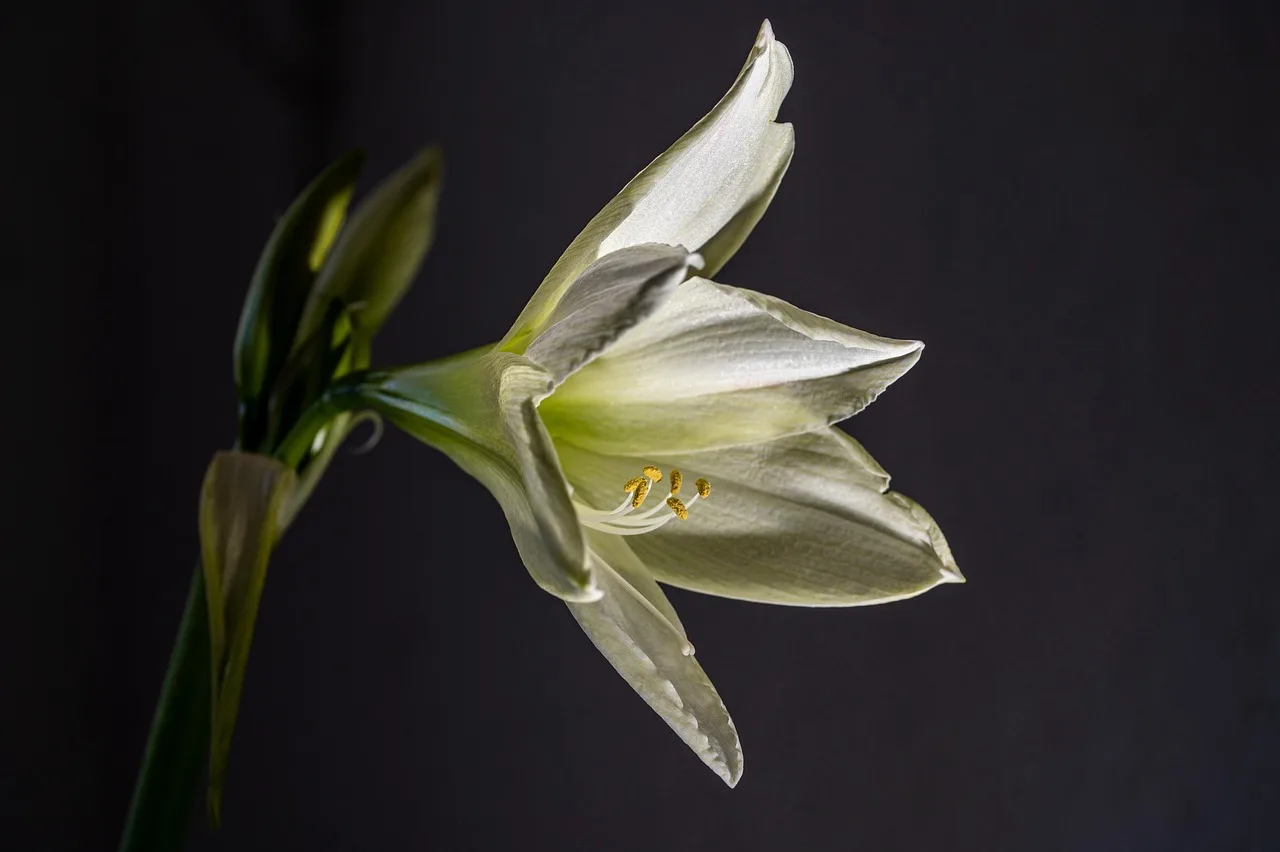
Waxed amaryllis bulbs are often not able to follow a normal recovery path after flowering. Do not water the waxed bulb, and do not force it into a pot unless the wax has been removed and the bulb still has healthy roots. In most cases, the bulb is done after the blooms fade.
Why most waxed bulbs stop after flowering
The wax coating blocks normal watering and often means the bulb was sold as a one-season display. Without roots in soil, the bulb usually cannot rebuild enough energy for another bloom. If the bulb feels soft, shrivels, or smells bad, recovery is unlikely.
What to do if roots or a pot are present
If the waxed bulb has roots attached and the wax can be removed cleanly, place it in a pot with drainage and use regular amaryllis care from that point forward. Keep the pot in bright indoor light, water only after the top two inches of soil dry, and leave the foliage in place. If the bulb has no usable roots, treat it as finished.
When recovery is unlikely
If the bulb is soft, leaking, moldy, or collapsing at the base, do not keep it in a recovery plan. That points to rot or severe depletion. A bulb in that condition is unlikely to rebloom even with careful care.
Amaryllis recovery checklist
| Stage | Potted amaryllis | Waxed amaryllis |
|---|---|---|
| Week 1 | Deadhead spent flowers, then cut the stalk after the last bloom fades. | Remove spent flowers only; do not water the waxed bulb. |
| Weeks 2–8 | Keep leaves in bright light, water when the top two inches are dry, and feed every few weeks. | Do not water unless the wax is removed and the bulb is repotted with roots. |
| Dormancy | Stop watering after the leaves yellow and die back, then rest the bulb dry. | Recovery is usually not practical; discard if the bulb is soft or rotting. |
| Rebloom outlook | Possible if the bulb stays firm and leaf growth is steady. | Unlikely unless the bulb is converted back to a normal potted bulb and remains healthy. |
Red flags to watch
Soft bulb scales, a sour smell, mold at the base, or leaves that die back too early all point to trouble. Weak growth after flowering can mean the bulb has too little stored energy. If the bulb keeps declining, the next bloom is unlikely.
Common mistakes
Do not water on a fixed schedule alone. Indoor temperature, light, and pot size change how fast the soil dries. Do not cut the leaves off right after flowering, because that removes the bulb’s main recovery tool.
Another common mistake is keeping the pot in low light. A bright window or grow light helps the leaves feed the bulb. If the bulb sits far from a window and the leaves stretch, growth slows and rebloom becomes less likely.
A common first-timer mistake is watering a pot that still feels damp two inches down. That adds rot risk without helping the bulb. If the top layer looks dry but the lower soil is still moist, wait and check again later.
If that didn’t work
If the leaves yellow too soon, stop feeding and reduce water. If the bulb feels soft, remove it from the pot, trim mushy tissue, and discard it if the rot has reached the base. If the bulb stays firm but never blooms again, give it a full dormant rest and restart the growth cycle the next season.
Prevention
Keep the bulb in bright indoor light, water only after the soil dries at the top two inches, and feed only while the leaves are active. Stable room temperatures help the soil dry at a steady rate, which makes the care plan easier to follow.
Frequently asked questions
How to care for an amaryllis after it blooms indoors
Cut off the spent flower stalk after the last bloom fades, keep the leaves in bright indoor light, and water only when the top two inches of soil are dry. Feed a potted bulb every few weeks while the leaves stay green. A waxed bulb usually gets no further care.
How long should you keep watering an amaryllis after flowering?
Keep watering a potted amaryllis through the leaf-growing period, then stop when the foliage yellows and dies back. That usually means several weeks of active care after flowering. The bulb should not sit in wet soil, and the saucer should be emptied after each watering.
Should you cut back amaryllis leaves after blooming?
No. Leave the leaves in place until they yellow naturally. They feed the bulb during recovery and help set up the next bloom cycle. Cutting green leaves early reduces stored energy and can weaken the bulb for the next season.
Can an amaryllis bloom again next year?
Yes, a potted bulb can bloom again if it stays firm, grows healthy leaves, and gets a true dormant rest after dieback. A waxed bulb usually will not, unless it can be stripped of wax, rooted, and brought back into normal pot culture.
How to care for an amaryllis in wax after it blooms
Do not water a waxed amaryllis after bloom. If the bulb has roots and the wax can be removed, pot it in drainage-friendly soil and then water like a normal bulb. If it is soft, moldy, or rootless, recovery is usually not worth trying.
How do you care for an amaryllis bulb after it blooms?
For a potted bulb, remove spent flowers, cut the stalk after blooming ends, keep the leaves in bright indoor light, water when the top two inches dry, and feed every few weeks during leaf growth. Then let the bulb go dry and dormant once the leaves yellow.