How to Make a Christmas Cactus Bloom
To make a Christmas cactus bloom, give it 12–14 hours of complete darkness nightly for 6–8 weeks, keep nights at 50–55°F, and water only when the top inch of mix dries. If you skip that cycle or keep the plant too warm and wet, it may grow healthy stems but set few or no buds. This guide gives a week-by-week checklist for identification, dormancy trigger, bud protection, and post-bloom reset care.
What a Christmas cactus needs to bloom
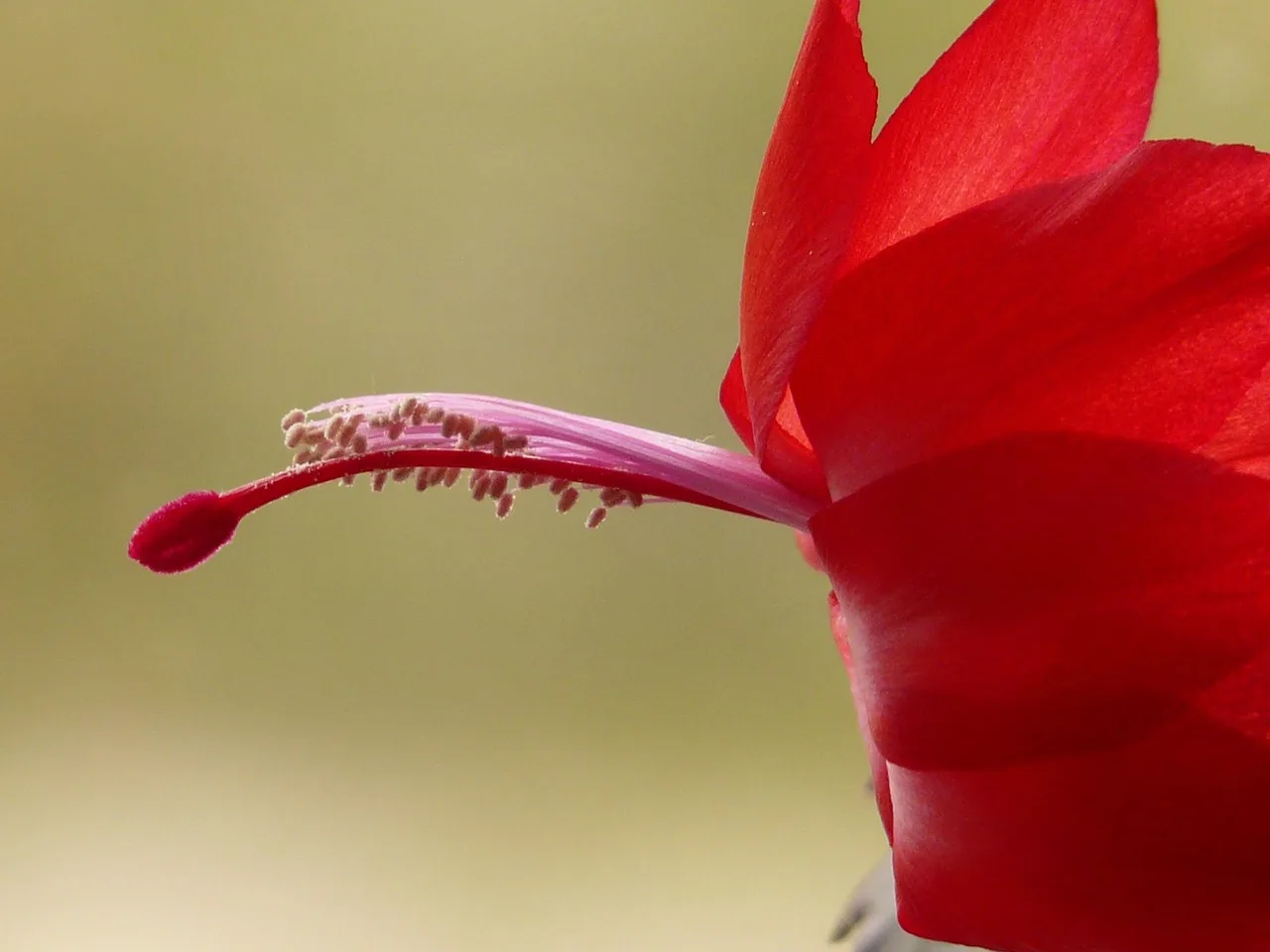
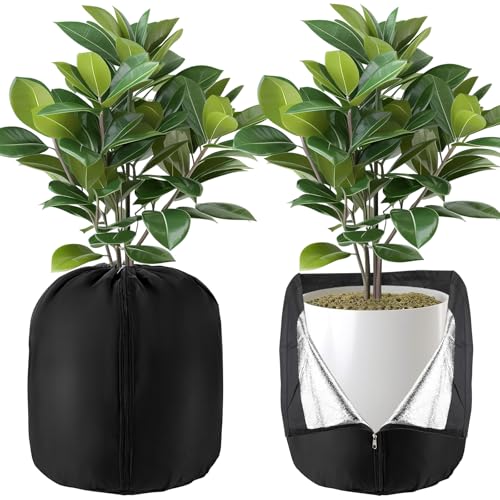


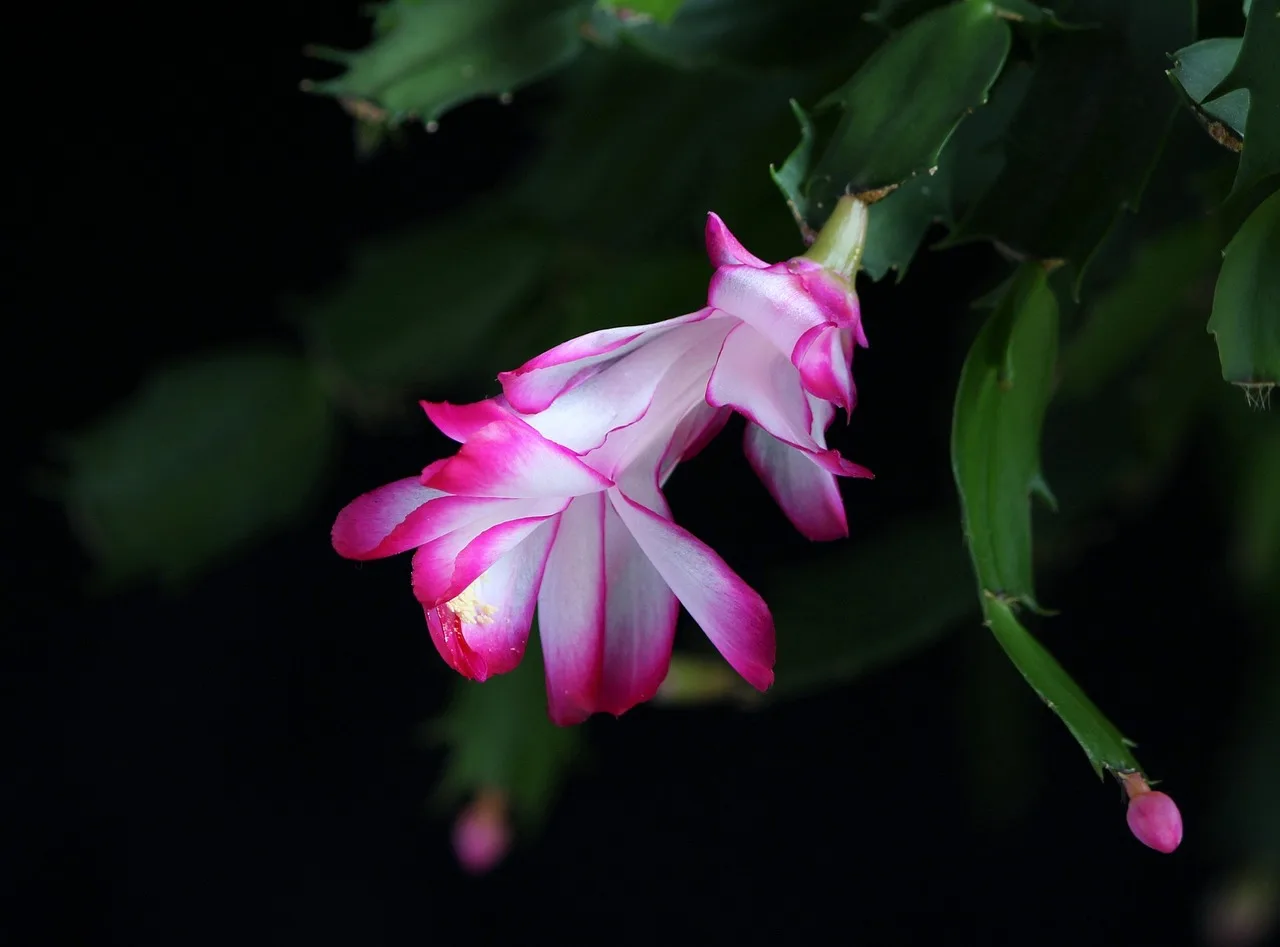
Christmas cactus, or Schlumbergera x buckleyi, is a holiday cactus from Brazilian rainforest habitats. It grows as an epiphyte, so it wants moisture and airflow, not desert-dry conditions. Bright indirect light in the day, plus long nights with no light and cooler temperatures, triggers buds.
Many plants start setting buds after about six to eight weeks of short days and cool nights, though some guides recommend about 10 weeks before Christmas. Blooms can last four to six weeks once they open.
What makes Christmas cactus bloom?
Short days, cool nights, and steady but reduced watering are the main triggers. Stop fertilizer in fall before bud set. Then keep nights dark and cool, avoid heater vents and drafts, and do not let the mix stay soggy.
How to tell which holiday cactus you have
Identification changes the calendar. Christmas cactus and Thanksgiving cactus are close relatives in the same genus, but they bloom on different schedules. Easter cactus is similar in care, yet it follows a different bloom season.
If your plant blooms in late November, it is more likely a Thanksgiving cactus. If it opens in December, that fits Christmas cactus. Easter cactus usually flowers later, so do not follow a December forcing schedule if the plant is the wrong type.
Why identification changes your bloom schedule
A true Christmas cactus is usually timed for fall to winter bloom set. Thanksgiving cactus often needs the same care, but a slightly earlier start. Easter cactus is not the same plant and should not be pushed with the same holiday timing.
What you’ll need
- Bright, indirect light
- A cool room or cooler night spot
- A pot with drainage holes
- Well-draining cactus or succulent mix
- Perlite or pumice to improve drainage
- Optional humidity tray or light misting for dry indoor air
Christmas cactus bloom checklist
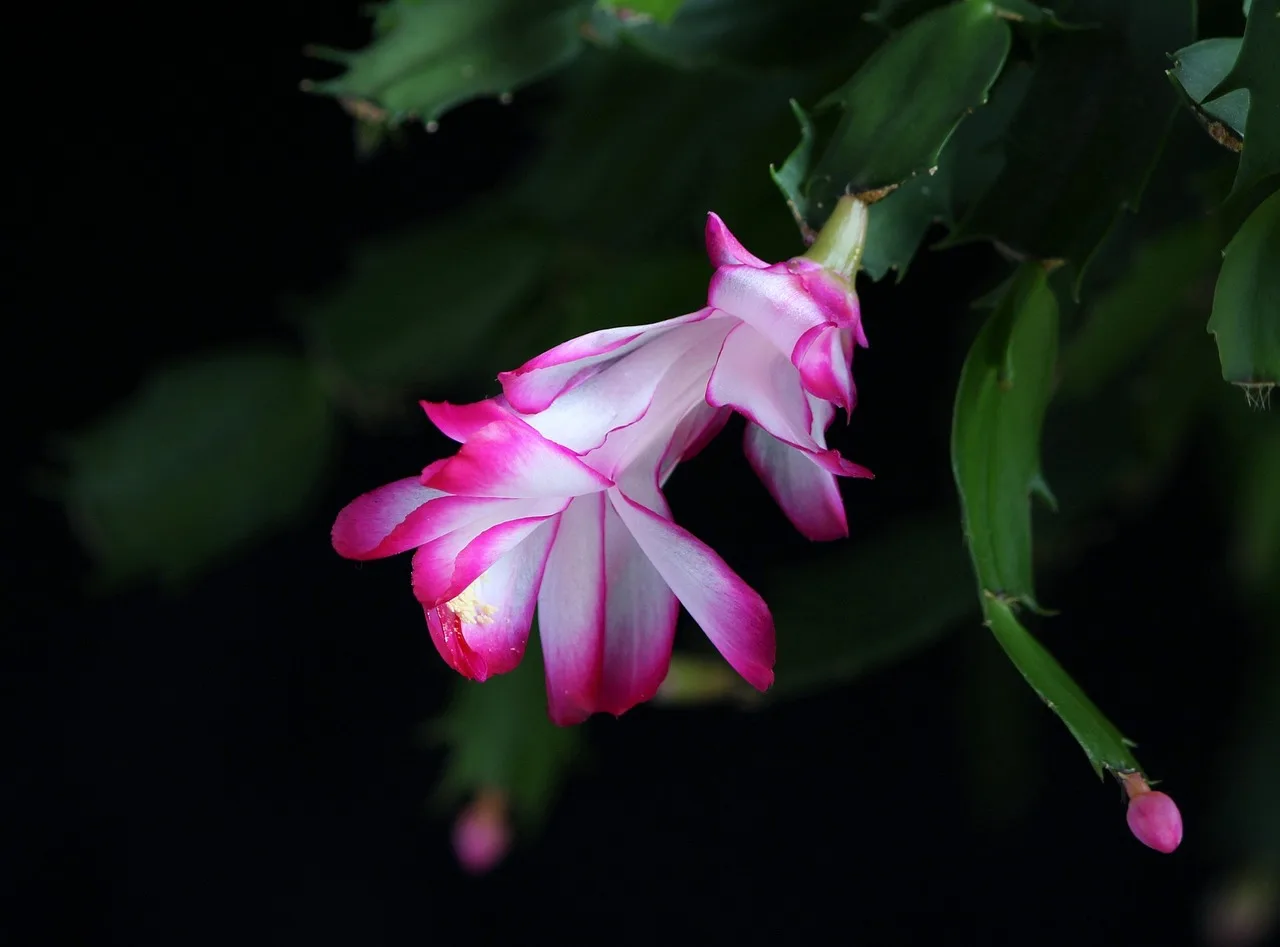
Start this plan six to eight weeks before you want flowers, or about 10 weeks ahead if your home runs warm. The goal is a cool, dark, low-nitrogen rest period that ends with buds already forming.
| Week | Daytime light target | Night darkness and temperature target | Watering and fertilizer action | Troubleshooting note |
|---|---|---|---|---|
| 1 | Bright, indirect light | Move to 12–14 hours of complete darkness, or 14 to 16 hours of total darkness if that is your chosen plan; nights around 50 to 55°F | Stop fertilizer; water when the top one to two inches of soil are dry | If the plant is near a lamp or TV, buds may never start |
| 2 | Bright, indirect light | Keep darkness uninterrupted; no hallway light, phone light, or porch light | Reduce moisture slightly, but do not let the mix go bone dry | Warm bedrooms and kitchens often block bud set |
| 3 | Bright, indirect light | Keep the same long-night cycle for the full rest period | Water only after the top layer dries; no fertilizer | Light interruptions can reset the plant’s timing |
| 4 | Bright, indirect light | Keep the plant away from heater vents and cold drafts | Maintain light, even moisture | Soggy soil can damage roots and block blooms |
| 5 | Bright, indirect light | Continue the same night length and cool temperature | Check the potting mix; water only when dry at the top | If stems stay firm but no buds form, the room is usually too warm |
| 6 | Bright, indirect light | Keep nights dark and cool | Hold fertilizer; continue reduced watering | Repotting now can delay buds |
| 7 | Bright, indirect light | Buds should begin to show on many plants after several weeks | Do not overwater while buds are forming | If buds are absent, add another week of the same treatment |
| 8 | Bright, indirect light | Keep the schedule steady as buds swell | Water sparingly and evenly | If buds drop, check for heat, drafts, or a light leak first |
Adjusted schedule for Thanksgiving cactus
Thanksgiving cactus often needs the same long-night treatment, but earlier. Begin the cool, dark cycle about 10 weeks before late November if flowers are wanted around that holiday. The care targets stay the same: bright indirect light by day, cool nights, and reduced watering.
- Move the plant to bright, indirect light during the day.
- Give it complete darkness at night for 12–14 hours, or use 14 to 16 hours if that is easier in your home.
- Keep nighttime temperatures near 50 to 55°F when possible.
- Pause fertilizer before the rest period begins.
- Water when the top inch to top two inches of mix are dry.
- If buds are late, add one more week before changing the schedule.
How to trigger buds
Set the plant where it gets bright indirect light in the daytime and long, uninterrupted darkness at night. The dark period must stay continuous. A lamp turned on for even a short time can interfere with bud set.
Use cool nights around 55°F if you can manage it. A cool basement room, an unused bedroom, or a spot away from heaters often works better than a warm living room.
Stop fertilizing in fall before bloom induction. Nutrition during dormancy can push leafy growth instead of buds.
How to make a Christmas cactus bloom faster
Start the cool, dark cycle earlier, not harder. A plant that has already received six to eight weeks of uninterrupted darkness and cool nights is more likely to bloom on time than one pushed with extra fertilizer or heavier watering.
- Choose a cool spot with bright, indirect light by day.
- Set a timer for 12–14 hours of complete darkness nightly.
- Keep nights at 50 to 55°F, away from vents and drafty windows.
- Water only when the top inch to top two inches of mix dry out.
- Check buds weekly and keep the routine steady until flowers open.
How do you protect buds once they form?
Once buds appear, keep conditions steady. Warm air, moving the pot around, and sudden drying are the main causes of bud drop. Do not repot, prune heavily, or shift the plant from room to room unless you must.
Keep the soil lightly moist, not soggy. Dry indoor air can also be a problem, so a humidity tray or light misting may help in very dry homes.
Why are Christmas cactus buds falling off?
Buds often fall when nights are too warm, the plant gets brief light at night, or the mix stays too wet. Repotting stress, heater vents, and drafts can also trigger drop. Fix the most recent change first.
Say your plant sits in a bright apartment window with a kitchen light on until midnight. The stems may look healthy, but the light leak can stop buds from holding. Move it to a darker room and keep the night cycle uninterrupted.
Suppose the plant is in a cool room but the pot was watered again before the top inch dried. The stems may still be firm, but buds can abort from soggy soil. Let the mix dry slightly more before the next watering.
Common mistakes that stop blooming
Too much evening light is a common problem. So are warm nights from heaters, radiators, or appliances. Fertilizer in fall can also delay blooming, especially if it is still being fed while flowering should be starting.
Repotting right before bud set is another frequent mistake. A light, airy mix is right, but major root disturbance too close to the bloom window can reset the plant.
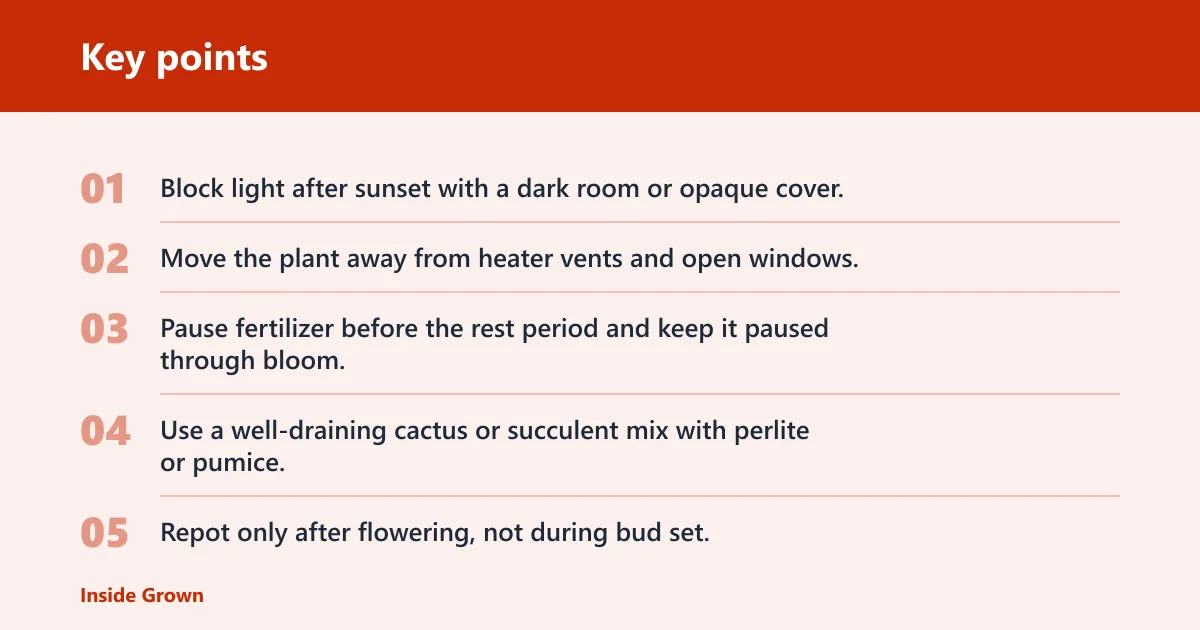
- Block light after sunset with a dark room or opaque cover.
- Move the plant away from heater vents and open windows.
- Pause fertilizer before the rest period and keep it paused through bloom.
- Use a well-draining cactus or succulent mix with perlite or pumice.
- Repot only after flowering, not during bud set.
Frequently asked questions
When do Christmas cactus bloom?
Christmas cactus usually blooms in fall to winter, and one guide notes it is named for blooming in December. To hit that window, begin the cool, dark rest period six to eight weeks before Christmas. In warmer homes, starting about 10 weeks ahead gives more margin.
Why is my Christmas cactus not blooming?
Most often, it has too much night light, nights that are too warm, or too much fertilizer. Poor drainage, recent repotting, and inconsistent watering can also interfere. Check the nighttime environment first, because that is the usual failure point.
How to make a christmas cactus bloom faster: there is no safe shortcut
There is no safe shortcut. The fastest reliable path is to start the dark, cool cycle early and keep it uninterrupted for the full six to eight weeks, or longer if your home stays warm. Extra fertilizer or heavy watering usually slows the process.
How do you bring a Christmas cactus to bloom again?
After flowering, return it to bright indirect light, water when the top layer dries, and resume a light feeding schedule only after active growth restarts. Then repeat the cool, dark fall cycle next year. A second bloom can also be induced about six weeks before Easter in some setups.
For post-bloom care, remove spent flowers if they cling on, but do not cut healthy segments back hard unless the plant needs shaping. Let it rebuild strength before the next rest period.