Why Is My Poinsettia Dropping Leaves?
Why is my poinsettia dropping leaves? Usually water stress, cold shock, or the normal post-holiday fade. If it was bought recently, chilled, or sits in soggy mix, start there first. In retail holiday poinsettias, the same few failure points show up again and again: a cold ride home, a drafty windowsill, or roots sitting wet long enough to start declining. Left alone, the plant can shed most of its bracts and leaves within days, then decline further from root damage. This guide helps you identify the cause from the leaf-drop pattern and tells you exactly what to change first. For the quickest read, use the fast leaf-drop triage below.
This guide is part of our Holiday Plants Guide: Poinsettia, Christmas Cactus, Amaryllis and Paperwhites series.
Fast leaf-drop triage



The fastest read comes from three checks: leaf color, soil moisture, and recent cold exposure. Green leaves, yellow leaves, drooping leaves, and bract loss point to different problems, so do not treat every drop as the same issue. Start with the symptom pattern, then move to the pot, then to temperature history. When more than one factor is present, the plant’s response may be mixed, so use the whole pattern rather than one symptom alone.
Check leaf color first
Green leaf drop usually points to cold, drafts, or a sudden move. Yellow leaf drop more often points to watering trouble, especially if the soil feels wet or the pot feels heavy. Bract drop after the holidays can be natural, because the red parts are bracts, not flowers.
Check soil moisture and pot weight
Stick a finger into the top inch of soil. That top inch should be dry before you water a poinsettia. If the mix is wet and the pot feels heavy, think overwatering. If the mix is dry and the pot feels very light, think underwatering. These are practical checks, not exact measurements, because the right watering rhythm depends on pot size, indoor temperature, and how fast the mix dries.
Check recent cold exposure
Cold shock is common in winter. A poinsettia can be damaged by brief cold exposure during transit home, and temperatures below about 55°F (13°C) can trigger injury and leaf drop. Cold windows, chilly car rides, and drafts by doors can cause sudden loss within about a day or two. Many sources also warn that prolonged exposure below 50°F (10°C) is especially harmful, so even short trips in cold weather matter.
Decide whether the plant is worth saving
If the stems are firm and some leaves or bracts remain healthy, the plant often has a chance. If the soil smells sour, stays wet, and the stems collapse, root rot may be too far along. In that case, replacement is often the better call. Diagnosis is clearest when you combine the leaf pattern, the soil condition, and the plant’s recent temperature history.
| Symptom pattern | Likely cause | What to check first | First fix | Save vs. replace |
|---|---|---|---|---|
| Green leaves falling first | Cold shock, draft stress, or sudden temperature change | Recent transit, cold window, door draft | Move to a steady spot near 60–70°F, away from drafts | Often saveable if stems are firm and the plant has not been cold-damaged for long |
| Yellow leaves dropping | Overwatering or poor drainage | Wet soil, heavy pot, water in saucer | Stop watering until the top inch dries and empty the saucer | Often saveable if the stems are still firm and roots are not rotten |
| Drooping leaves | Underwatering or overwatering | Soil feel and pot weight | Water once if dry; if wet, let it drain and dry out | Usually saveable early, but the direction of the fix depends on the soil condition |
| Bracts drop after blooming | Natural post-bloom cycle | Plant age and holiday timing | Keep care steady; trim spent parts if needed | Saveable if foliage and stems are still healthy |
| Leaves drop after a recent purchase | Cold-shock transit loss | Store-to-car exposure, frosty delivery, cold windows | Place in a warm room with bright, indirect light and avoid more swings | Often saveable if the stems remain firm and the decline is recent |
| Wilted, dry soil, crisp leaves | Underwatering | Top inch dryness, pot weight | Water thoroughly until it drains, then empty the saucer | Usually saveable if the stem tissue is still firm and not brittle |
| Soft, yellowing leaves; soil stays wet | Overwatering | Drainage holes, saucer water, soggy mix | Pause watering and improve drainage | Saveable if caught early; replace if the root zone has clearly begun to fail |
| Sour smell, mushy stems, constant wetness | Root rot | Root condition, saturated mix, standing water | Repot into dry, fresh substrate if roots are still partly firm | Sometimes replace, especially if the stems are soft and roots are mostly brown or mushy |
Why is my poinsettia dropping green leaves?
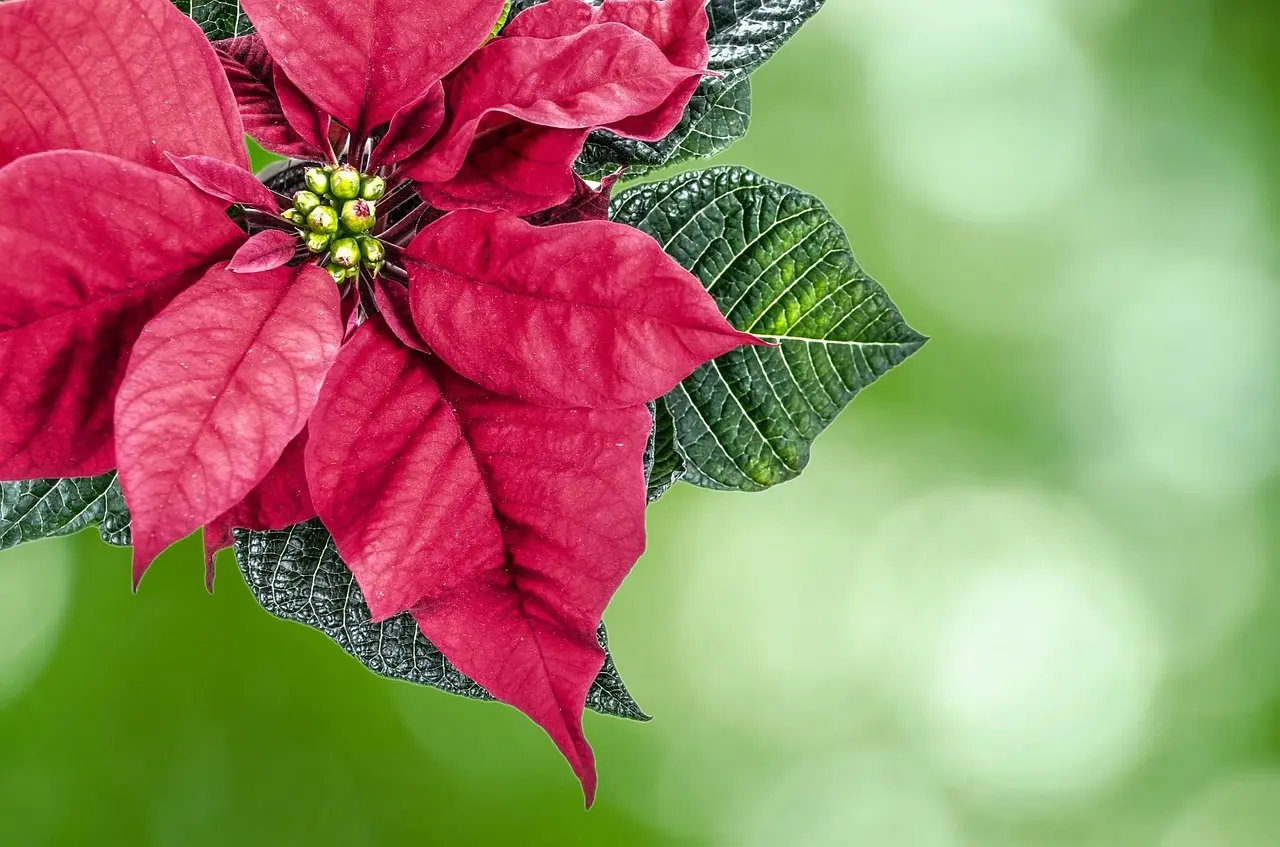
Green leaf drop usually means stress, not age. Cold air, sudden temperature swings, low light, or a rough move from shop to home can trigger it. If the leaves are still green and the stems stay firm, the plant may recover once the environment steadies.
What green leaf drop usually means
Green leaves often fall first when the plant is shocked. Poinsettia is a sensitive houseplant, and stress shows up fast after drafts, cold windows, or a new room with very different temperatures. Green leaf loss is less likely to mean rot than yellowing or mushy stems do. When the drop is mostly green, the problem is often environmental stress rather than a disease process.
What to inspect first
Look at the plant’s recent history. Was it near an open door, a window pane that gets cold at night, or a heating vent that cycles hot and dry air? Check whether the soil is neither soaked nor bone dry, then note whether the leaves fell from one side facing the window. Side-specific loss is a useful clue because it often points to the cold source.
First fix for green leaf loss
Move the plant to steady indoor conditions around 65°F to 70°F, away from vents and radiators. Night temperatures around 60°F to 65°F are commonly recommended for poinsettias, and the plant should be kept out of chilly drafts. Give it bright, indirect light from a few feet back from a sunny window. Do not feed it yet, and do not keep moving it from room to room. Stability matters more than extra products right now.
Picture a 6-inch poinsettia on a kitchen counter beside a frosty window. The leaves on the window side fall first, while the soil still feels evenly moist. That pattern points more to cold stress than watering trouble, so the first fix is to warm the setting and pull it away from the glass.
Why is my poinsettia losing leaves after purchase?
Recent purchase loss often comes from transit shock or abrupt indoor changes. Poinsettias can be damaged by brief cold exposure during the trip home, especially if they sat in a cold car or were packed for delivery. The first 24 hours are often the most important.
Transit cold and temperature shock
Cold exposure around 55°F (13°C) and below can start leaf drop. Prolonged exposure below 50°F (10°C) is more serious, and even short cold intervals can be enough when the plant is already stressed. That is why a plant can look fine at checkout and then shed leaves later at home. The key is not just the temperature number, but also how long the plant spent in it.
Supermarket timing and draft exposure
Big box stores and supermarkets often place holiday plants near automatic doors, loading areas, or cold display zones. Even a brief wait in a cart or trunk can be enough to set off leaf loss. A plant already stressed by transport may then drop leaves after it reaches a warm room. In practice, the most vulnerable plants are often the ones that were boxed, carried, and then set in a new temperature range too quickly.
What to do in the first 24 hours
- Set the plant in bright, indirect light as soon as you get home.
- Keep it away from doors, windows, radiators, and heating vents.
- Check the top inch of soil before watering.
- Empty any standing water from the saucer.
- Leave the plant in one place for several days.
Suppose a poinsettia comes home wrapped in paper from a supermarket lot on a 40°F day. The plant arrives with firm leaves, then drops a few green ones the next morning. That pattern fits transit shock better than a watering mistake, so the fix is warmth and steadiness first.
Can cold air make a poinsettia drop leaves?
Yes. Cold air can trigger fast leaf loss, especially if the plant sits by a cold window, drafty door, or unheated entryway. Sudden swings matter too. A poinsettia often reacts to the change itself, not only to a low temperature reading.
Cold windows and door drafts
Leaf loss often starts on the side facing the cold source. Glass can chill quickly at night, and a draft from a frequently opened door can be enough to stress the plant. Keep the pot out of the path of moving air and away from the pane itself. A room that is comfortable for people can still have a cold edge near the glass.
Why transport matters
A poinsettia may leave a warm shop, sit in a cold car for a few minutes, then arrive in a heated home. That shift can still trigger leaf drop, especially if the plant was already dry or recently watered. Holiday transport is a common failure point. A gentle temperature transition is more protective than a rapid move from one extreme to another.
How to warm the plant safely
Bring the plant to a steady indoor room with bright, indirect light. Do not place it next to a heater, fireplace, or radiator to “warm it up faster.” The plant generally prefers daytime temperatures of about 65°F to 70°F and night temperatures of about 60°F to 65°F, and the goal is steady conditions rather than heat blasts.
How should you water a poinsettia losing leaves?
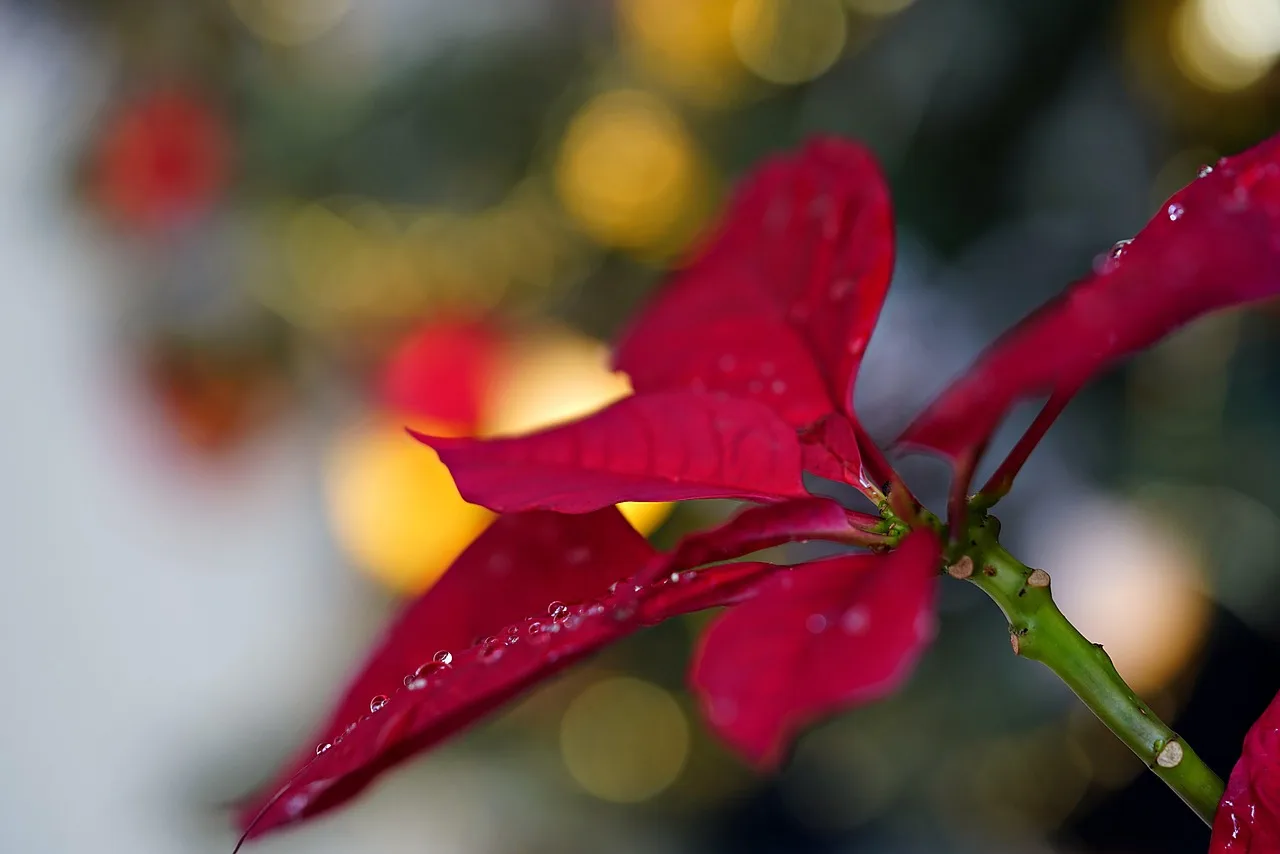
Water based on soil feel, not on a fixed calendar. The top inch of soil should be dry before watering a poinsettia. If leaves droop because the mix is too dry, water once and drain it well. If leaves drop because the mix is soggy, stop watering and let it recover. The correct response depends on whether the root zone is dry or saturated.
Top-inch dryness check
Use your finger, not guesswork. If the top inch feels dry and the pot is light, water thoroughly until excess drains out. If the top inch feels damp or wet, wait. Poinsettias respond poorly to repeated light watering because the root zone can stay too wet while the surface looks almost dry.
How to spot underwatering
Underwatered plants usually look limp, with dry soil pulling away from the pot edges. Leaves may curl or feel crisp before they drop. The pot feels light, and the mix may not absorb water evenly the first time. A thorough soak helps more than a tiny sip. If the mix is very dry, watering slowly a second time after the first pass can help the soil take up moisture more evenly.
How to spot overwatering
Overwatered plants often have yellowing leaves, soft stems, and a pot that stays heavy. The mix may smell stale or feel muddy. Water sitting in a saucer is a warning sign too. Drainage holes matter because poinsettias dislike standing water around the roots. In a chronically wet pot, the leaves may drop while the stems still look weak rather than dry.
Drainage and saucer checks
Always empty the saucer after watering. If the container has no drainage holes, repot it into one that does. If the mix stays wet for days, the plant may need a drier, faster-draining substrate. Water stress and poor drainage are closely linked here, and the root system needs air as well as moisture.
A common first-timer mistake is watering a poinsettia a little every day because the leaves look sad. That keeps the root zone wet and can turn a fixable wilt into yellow leaf drop or root rot. One thorough check is better than repeated sips. If the plant is already declining, the best move is to correct the moisture pattern first and then wait for new growth signals.
Save it or replace it
Some poinsettias recover well. Others do not. If the stems remain firm, the soil can be corrected, and new stress is stopped, the plant may hold onto enough foliage to keep going. If roots are rotten and stems are collapsing, replacement is often the cleaner choice.
Signs the plant can recover
Healthy recovery signs include firm stems, at least some green leaves, and soil that can be adjusted to the right moisture level. Bract loss alone does not mean failure, because the red parts naturally fall after Christmas. A plant with normal structure can often be stabilized. If the leaves are dropping but the stems are still resilient, the odds are usually better than they look at first glance.
Signs of root rot or collapse
Root rot usually follows repeated overwatering. The soil stays soggy, the saucer holds water, and the plant looks limp even though the mix is wet. If the roots are black, mushy, or badly reduced, rescue gets harder. Repotting into dry, fresh substrate may be needed if there is still healthy tissue left. If most of the crown has gone soft, the plant may be beyond practical recovery.
When replacement is the better call
If most leaves are gone, stems are soft, and the plant smells sour, replacement can make more sense than rescue work. That is especially true if the root system has failed and no firm growth remains. A healthy replacement will recover faster than a collapsing plant. The decision often comes down to whether you still have firm stems and living roots, not just whether some foliage remains.
Frequently asked questions
Why is my poinsettia dropping leaves?
Most leaf drop comes from water stress, cold shock, or the normal post-holiday fade. Start with the leaf pattern, then check the soil, then ask whether the plant was recently bought or exposed to drafts. Green leaves, yellow leaves, and bract loss each point to different causes. If several stressors happened together, use the strongest symptom pattern first.
Why is my poinsettia losing leaves after I brought it home?
That usually points to transit shock. Poinsettias can be damaged by brief cold exposure during the trip, especially if they sat in a cold car or near a drafty doorway. Put it in a steady room, check the top inch of soil, and leave it alone for a few days. If the leaves are green and the stems are firm, the plant often stabilizes once the temperature stops swinging.
Is it normal for a poinsettia to drop leaves after Christmas?
Yes, some loss is normal after flowering. The red bracts fall as part of a natural cycle after Christmas, and older leaves may also drop. That does not always mean the plant is dying, especially if the stems stay firm and the soil is still in good shape. A little post-bloom shedding is expected; rapid collapse is not.
Can cold air make a poinsettia drop its leaves?
Yes. Cold air, cold windows, and drafts can trigger leaf drop quickly. Temperatures cooler than 55°F (13°C) are risky, and temperatures below 50°F (10°C) are more harmful, especially with repeated exposure. Keep it away from doors, glass, and other spots where air changes fast.
How often should I water a poinsettia that is losing leaves?
Water only when the top inch of soil is dry. If the pot feels light and the mix is dry, water thoroughly and let excess drain. If the pot is heavy or the soil is still damp, wait. Both overwatering and underwatering can cause leaf loss, so the plant’s moisture level should guide the schedule.
Does low humidity cause poinsettia leaves to fall off?
Low humidity can add stress in winter, especially in heated homes. Dry indoor air can worsen edge scorch, leaf stress, and dropping, but it is rarely the only cause. Poinsettias generally do best in moderate indoor humidity rather than very dry air, and the problem is most noticeable when humidity is paired with heat, drafts, or irregular watering. The practical fix is steadier moisture, not chasing a single percentage number.
How do I save a poinsettia that is dropping leaves and petals?
Start with the same triage: check whether the soil is dry or wet, look for cold exposure, and judge whether the stems are still firm. If the mix is dry, water thoroughly and drain the saucer. If the mix is wet, stop watering and let it dry slightly. Keep the plant in bright, indirect light, away from drafts, and avoid moving it around. If the stems are soft, the soil smells sour, and the roots are collapsing, replacement may be the more realistic option.
How do I save a poinsettia that is dropping leaves and petals?
Save it by matching the fix to the cause: warm it up gently if it was cold, dry it out if the mix is soggy, or water deeply once if it is bone dry. The key is to correct only one problem at a time and then leave the plant alone in a stable spot. If bracts are falling but the foliage and stems are still firm, the plant is often still salvageable. If both leaves and bracts are dropping together and the stems are soft, root damage is more likely.