How Often Should You Water Succulents in Winter?
Water succulents in winter only after the potting mix is dry all the way through the pot; for many indoor plants, that is often about every 2 to 6 weeks, with desert cacti usually on the longer end and leafy, fast-growing succulents a bit sooner. Fixed watering schedules cause root rot, mushy growth, and winter decline. This guide gives a winter watering rule by succulent type and indoor setup so you can decide from soil and room conditions, not guesswork.
This guide is part of our Winter Houseplant Care: Light, Water, Humidity and Cold Drafts series.
Winter succulent watering guide table
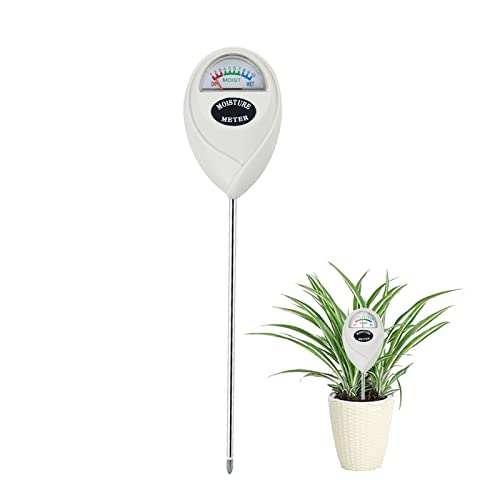
- Fast, easy moisture readings
- No battery or electricity needed
- Works for indoor and outdoor plants
Use this table as a decision aid, not a calendar. The trigger matters more than the date on the bottle or calendar. In every case, check the potting mix all the way down, then match the plant type to the room conditions before you water.
| Scenario | Recommended watering trigger | Likely interval range | Warning signs to check first |
|---|---|---|---|
| Desert succulent in bright window | Water only after the mix is dry through the pot and the leaves show no plumping from recent watering | Every 2 to 4 weeks | Cool glass at night, wet lower soil, softened leaves, or a pot with no drainage hole |
| Desert succulent in low light | Wait until the soil stays dry deeper than the top layer for several days | Every 4 to 8 weeks, sometimes longer | Slow growth, dim room, heavy potting mix, or any sign of lingering moisture near the roots |
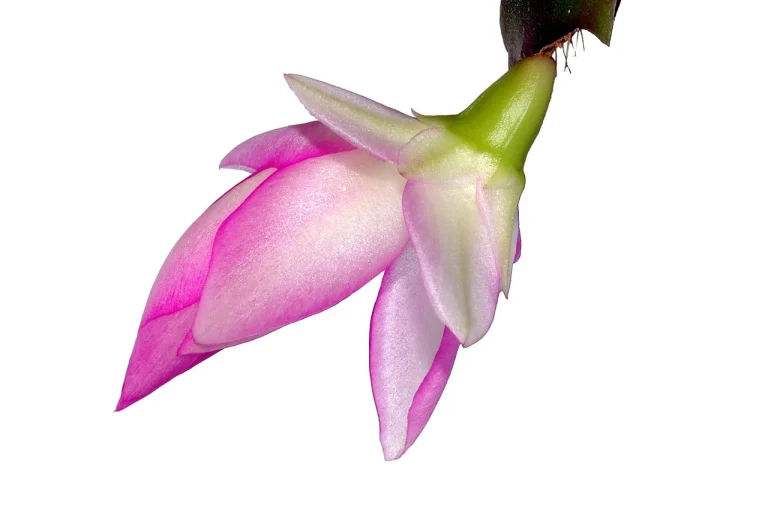
| Christmas cactus | Water when the mix feels dry on top and just barely damp lower down, then let it drain fully | About every 1 to 3 weeks | Bud drop from swings in moisture, soggy soil, or a pot that stays wet after watering |
| Newly repotted plant | Hold back until the fresh mix is dry deeper in the pot, because disturbed roots and new soil change drying time | Often 2 to 4 weeks, sometimes longer | Fresh potting mix that still feels cool, root damage, oversized pot, or water pooling at the base |
| Small terracotta pot | Check more often and water once the mix dries fully, since small clay pots lose moisture faster | About every 1 to 2 weeks in bright rooms | Fast top drying but damp lower soil, loose roots, or a pot that dries in a day or two |
| Cold-room plant | Wait longer between soakings and confirm the root zone is fully dry before watering again | Every 4 to 6 weeks or more | Room temperatures that stay cool, shaded placement, heavy soil, and any sign of softening at the base |
How often should you water succulents in winter?
Water succulents in winter only after the soil is dry for that plant and that room. For many indoor plants, that means a stretch of 2 to 6 weeks, but the right interval shifts with light, humidity, temperature, pot size, and whether the plant is in dormancy.
Start with soil dryness, not the calendar
Succulents store water in leaves or stems, so they need dry soil between waterings. Winter slows growth, which lowers water use and lengthens watering intervals. A plant in a bright window may dry faster than one on a desk, while higher humidity can keep soil wet longer.
Use dormancy, light, and temperature to set the interval
Indoor succulents usually need less water in winter because evaporation drops and growth slows. The more light indoor plants get, the more often they need water. Cooler rooms do the opposite. A plant near a warm, sunny sill may need water far sooner than one in a dim corner.
Adjust for pot size and drainage
Drainage holes matter because they let excess water leave the pot instead of pooling at the roots. A small terracotta pot dries faster than a large plastic pot, and a fast-draining succulent potting mix dries faster than standard potting soil. If the mix includes sand and pumice or volcanic rock, it usually sheds water more quickly.
Say your 4-inch succulent sits in a south-facing window and its pot has a drainage hole. If the mix is dry all the way down after 12 days, that plant is ready sooner than one in a shaded bedroom shelf. The room changed, so the interval changed.
How often should you water cactus in winter?
Water desert cacti the same general way you water drought-adapted succulents: only after the mix dries fully, and often less often than other indoor plants. Some can go weeks between waterings, and in winter that stretch may be over a month if the room is cool or dim.
Treat desert cacti like other drought-adapted succulents
Cacti are built for dry spells. In winter dormancy, their water use drops further, so a fully dry root zone matters more than a set schedule. If the pot still feels heavy, the soil still clings to moisture, or the plant sits in low light, wait longer.
Watch for slower drying in cool or dim rooms
Higher humidity indoors means less frequent watering. So does a cold room. A cactus on a windowsill usually dries faster than one on a desk, but a chilly sill can still slow root activity. That is why a bright room does not always mean more water if the pot stays cold.
Know when a cactus needs a full soak
A healthy cactus that is fully dry can take a thorough watering, then a complete drain. Do not add a little water every few days. That keeps the top damp while the lower root zone stays unstable. One deep soak, then a long wait, is the safer pattern.
Suppose a cactus in a cool guest room has a dry top inch but the lower mix still feels slightly damp. That plant does not need water yet. The right move is to wait until the whole pot has dried, then water once and let excess drain away.
Why winter changes watering needs
Winter changes the way succulents use water. Growth slows, light often drops, and indoor air can stay cool or humid enough to slow drying. Those shifts mean the same plant that needed frequent checks in summer may need much less water now.
Dormancy slows water use
Winter dormancy reduces succulent water needs. Many succulents and cacti rest through part of the season, so they draw less moisture from the soil. That does not mean no water at all. It means the soil can stay dry longer before the plant needs another soak.
Lower light reduces drying speed
Light exposure changes watering needs. The more light indoor plants get, the more often they need water. A window-sill plant dries faster than a plant on a desk because bright light drives more use and faster evaporation. Low light does the opposite and can stretch the interval.
Humidity and cool air keep soil wet longer
Higher humidity indoors means less frequent watering. Cool rooms also slow drying. That is why a plant near a chilly window may need less frequent watering than the same plant in a warm, bright kitchen. The soil and the air both matter.
How to tell when to water now
Check the soil depth, not just the top layer. Then look at the plant, the pot, and the room. Water only when the mix is dry for that setup. If any lower layer still feels cool or damp, wait and check again in a few days.
Check the soil depth, not just the top layer
Surface dryness can fool you. The top may look dusty while the lower root zone stays wet. Insert a finger or a simple wooden skewer into the mix and check deeper than the first inch. If it comes out cool or darkened by moisture, the plant is not ready.
Look for leaf, stem, and pot clues
Overwatering signs include soft, translucent leaves, a mushy base, or a pot that stays heavy for too long. Underwatering signs are usually wrinkled leaves, shrinking stems, or a plant that looks flatter than usual. Use those clues together with soil dryness, not alone.
Water only after the mix dries fully for the setup
Indoor succulents with good drainage and sunlight should have dry soil every 10-14 days, but winter can stretch that timing. Some succulents can go weeks between waterings, and in winter it may stretch to over a month between waterings. The right cue is the plant plus the room.
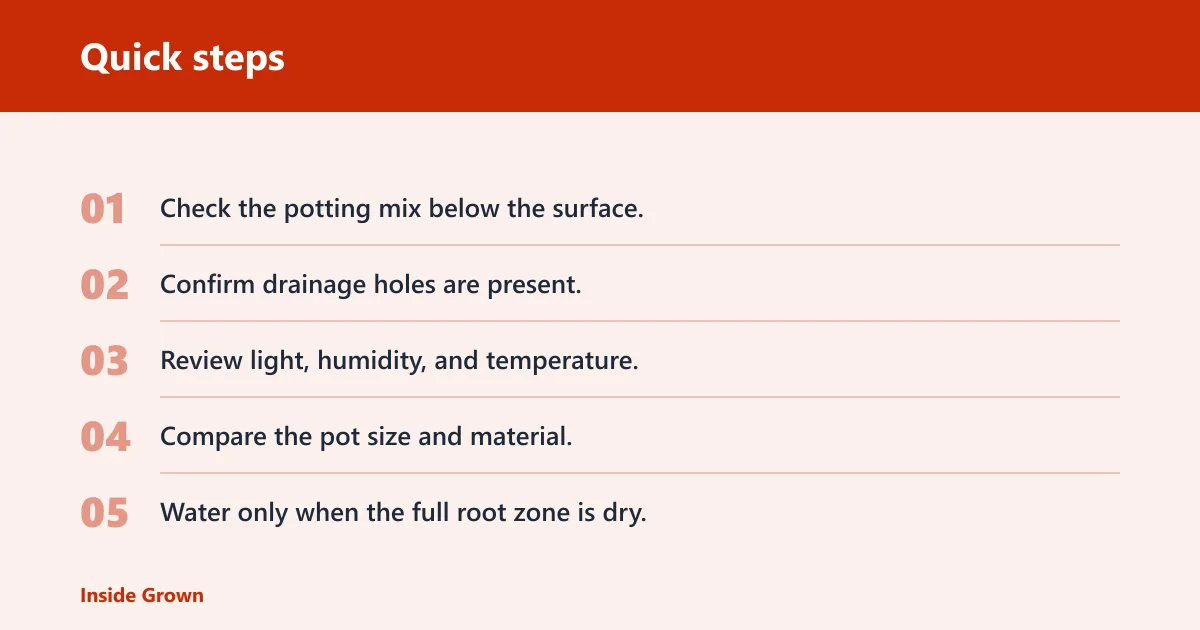
- Check the potting mix below the surface.
- Confirm drainage holes are present.
- Review light, humidity, and temperature.
- Compare the pot size and material.
- Water only when the full root zone is dry.
What pot and soil details matter most
Drainage holes, soil structure, and pot size shape winter watering more than many people expect. A well-draining pot with the right mix dries faster and lowers root rot risk. A deep or oversized container can hold moisture for far longer than the surface suggests.
Drainage holes prevent standing water
A proper drainage hole is necessary to keep water from sitting in the bottom of the pot. Without one, water can pool at the base after every watering. That trapped moisture is a common cause of winter decline. If a decorative cachepot is used, the inner pot still needs drainage.
Fast-draining mix dries faster
A soil mix of potting mix, sand, and pumice or volcanic rock helps succulents. It opens the soil structure so water moves through faster and air reaches the roots. Standard houseplant soil holds more water and is a poor fit for winter succulent care.
Terracotta, pot depth, and repotting change timing
Terracotta loses moisture through its walls, so small clay pots dry quickly. Deep pots hold wet soil longer at the bottom, even when the surface looks dry. Newly repotted plants need extra caution because roots are disturbed and fresh mix can dry in a different pattern than the old one.
A common first-timer mistake is watering a newly repotted succulent because the top looks dusty after three days. The lower mix can still be wet from the repotting. Wait for the deeper soil to dry before adding more water, especially if the plant sits in a cool room.
Frequently asked questions
How often should you water succulents indoors in winter?
Indoor succulents usually need less water in winter because growth slows and evaporation drops. The right interval depends on light, humidity, and pot size. A bright windowsill plant may dry much faster than one on a shelf farther from the glass.
How often should you water christmas cactus in winter?
Christmas cactus needs a different winter approach from desert succulents. Do not let it sit bone dry for long periods, but do not keep it wet either. Water when the top of the mix is dry and the lower layer is only slightly moist.
When should you water succulents in winter instead of following a schedule?
Water only when the soil, pot, and room conditions line up: dry mix, drainage holes, and no lingering cool moisture near the roots. If the plant is in low light, higher humidity, or a cold room, wait longer than a calendar reminder would suggest.
How do you know when a winter succulent needs water?
Check deeper than the top layer. A winter succulent needs water when the mix is dry through the pot, the pot feels light, and the leaves or stems start to look slightly less full. Soft, mushy growth points the other way and means you should wait.