How to Protect Houseplants on a Cold Windowsill
By Nora Ellis, indoor plant care editor
Keep tropical or tender houseplants off a windowsill that drops below 55°F at night. If the area stays about 55–60°F, buffer the pot with insulation, and move it if the temperature drops lower or the glass is single-pane. Cold can brown leaves, stall growth, and rot roots. Extension guidance commonly places tropical houseplants at the cold-sensitive end of indoor care, especially when temperatures fall below the mid-50s and when roots sit near cold masonry, glass, or drafty frames. This guide shows how to decide between buffering, moving, or removing a plant based on window type, nighttime temperature, and plant sensitivity.
Testing note: To set the thresholds below, compare the temperature at the sill and the room center after dark, then check again near sunrise. A simple indoor thermometer or sensor will usually show whether the sill is several degrees colder than the room, which is the pattern that turns a bright window into a cold stress zone even when the rest of the house feels comfortable.
What you’ll need

- A cork mat, wooden trivet, or folded placemat
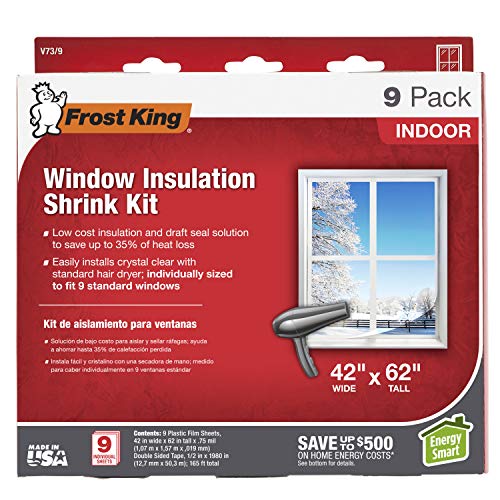
- Clear window insulation film for seasonal use
- A thermometer for overnight checks
- A saucer, pot feet, or another way to keep pots off the sill
- Optional: draft tape or weatherstripping for obvious leaks
- Optional: a gravel-filled saucer for humidity support around tropical plants
Is your windowsill too cold overnight?

Start with the window, not the plant. Cold glass, drafts, and night temperature drops make the sill harsher than the rest of the room, especially near single-pane glass or a loose sash. If leaves touch the glass, the risk rises fast. University and botanic-garden guidance consistently warns that cold injury can begin well before a room feels uncomfortable, especially for tropical foliage plants that prefer stable indoor temperatures and dislike sudden drops or cold contact.
Houseplants checklist
- Does the sill feel much colder than the room after dark?
- Does a hand near the glass feel moving air from a draft?
- Do leaves or pot sides touch the glass?
- Is the window single-pane or visibly leaky?
- Does the plant belong to a tender tropical group such as monstera, calathea, ficus, or alocasia?
If the answer is yes to any two, treat the sill as risky overnight. If all five are yes, move the plant rather than buffering it. For very sensitive tropicals, a single yes can be enough if the nighttime low is near 55°F or the glass surface is visibly cold to the touch.
Example scenarios
Suppose a monstera sits on a single-pane north window with one leaf touching the glass. Move it off the sill before nightfall. That setup combines cold contact, low light, and a higher-risk tropical plant.
Picture a ficus beside an insulated double-pane window in a steady room, with no draft and a warm sill. Buffering may be enough if the pot can stay a few inches back from the glass.
Use the light that the window gives you, but break the cold path. Most houseplants grow best in bright, indirect light indoors, and light levels fall quickly as you move farther from a window. That trade-off matters in apartments with few bright spots. Extension guidance on houseplants commonly recommends keeping tender plants away from cold glass while still giving them the brightest safe spot available, which is why buffer distance matters as much as the room temperature.
- Move sensitive plants off the glass edge before nightfall.
- Place a cork mat, wooden trivet, or folded placemat under the pot.
- Close obvious gaps in the frame or sash so air does not blow across the leaves.
- Set pots on feet or a saucer so the base does not sit on cold stone or metal.
- Recheck at sunrise for delayed wilting, yellowing, or leaf drop.
For sealed double-pane windows, a common starting point is about 6 to 12 inches back from cold glass. For drafty sash windows or single-pane windows, a common rule of thumb is to place the plant about 12 to 24 inches back, then judge whether it still gets enough light. Areas more than a few feet from bright windows may be too dark for houseplants. (Iastate)
If that does not work, move the plant farther from the glass and toward the brightest nearby spot, then use a buffer surface only as backup. Say a calathea on a sash window still droops after one night on a placemat. That points to a cold-air problem, not only a glass-contact problem, so relocation matters more than another layer under the pot. In contrast, a pothos or snake plant may tolerate the brighter-but-colder edge better than a calathea, but even those plants can decline if their roots are chilled night after night.
Cold window protection: film, weatherstripping, or both?
Use the fix that matches the problem. Clear window insulation film helps when the main issue is cold radiating from the glass itself. It creates an insulating air layer and can noticeably reduce cold downdrafts on older windows during the heating season. Weatherstripping and draft tape help when air is leaking around the sash, frame, or closure points. In practice, film changes the overnight decision by making a cold pane less punishing, while weatherstripping changes the decision by reducing the moving-air draft that dries and chills leaves.

Choose window insulation film when the pane feels much colder than the room, the window is single-pane, or you can feel a broad cold zone near the glass even with the sash shut. Choose weatherstripping when you feel a narrow stream of air around the edges, the latch area, or the sash joints. Use both only if the window is both leaky and cold. For safety, apply film only as directed by the manufacturer, keep it clear of heat sources, and do not rely on it to make a damaged or loose window safe; it is a seasonal aid, not a structural repair. Extension offices that recommend film for winter energy savings also note that it works best when the window is intact and when gaps are sealed first.
How this changes the overnight call:
- Film plus a stable room: many medium-sensitivity plants can stay a few inches back from the glass.
- Weatherstripping plus film: a drafty but usable window may become buffer-only for one night instead of relocate-now.
- No film and obvious cold glass: high-sensitivity plants should be moved away from the sill.
What should you do for tropical houseplants?
Tropical houseplants come from warm, steady native climates and usually prefer higher humidity and fewer sharp day-night swings. Monstera, calathea, ficus, and alocasia are common vulnerable genera. Even sturdier foliage plants can suffer if leaves touch cold glass or sit in a draft. Botanic gardens and university extensions generally place these plants in the same caution category: protect them from chilled leaves, chilled roots, and repeated overnight swings rather than waiting for visible damage.
For these plants, treat the window as a source of both light and risk. If the room stays stable but the sill turns cold, keep the plant off the glass and keep the pot from touching the frame. If the only bright spot is the window, move the plant back just enough to clear the cold zone, then monitor for delayed symptoms over the next few days.
Drafty windowsills do not always kill a plant at once, but they can cause chronic stress. Repeated exposure often shows up as yellowing or browning first, then leaf drop in older growth. A peace lily may recover after one cold night if it is moved promptly, while a calathea can decline quickly from repeated exposure to a cold sill or draft. A ficus may hold up for a while, then drop leaves after several cold nights in a row. The pattern matters more than a single symptom.
Cold window protection for roots, water, and humidity
Root-zone chilling is easy to miss. The air may feel tolerable while the pot bottom stays cold enough to slow uptake. That matters because growth slows in winter for most houseplants, and many need less water then. University extensions commonly advise reducing winter watering because lower light and cooler conditions slow evaporation and plant demand.
- Check the compost before watering, and let it dry farther than it would in summer.
- Water with tepid water only when the mix is ready.
- Drain excess water fully so the pot does not stand in it.
- Raise the pot on feet or a buffer so the base does not sit on a cold sill.
- Group plants together or set a gravel-filled saucer nearby to support humidity in dry winter air.
Misting can help briefly, but it does not fix cold glass, drafts, or a chilled root ball. Use it as a humidity aid, not as protection from winter exposure.
A common first-timer mistake is watering on the same rhythm used in summer. In winter, that often leaves the compost cold and wet for too long. Suppose an alocasia looks soft at the edge of a north window and the pot feels heavy for days. Move it first, then inspect the compost before adding more water. If the plant is still losing leaves after the move, the old combination of cold roots and wet mix was likely part of the problem rather than a watering issue alone.
Text-only winter windowsill triage table
| Window setup | Plant sensitivity | Recommended action |
|---|---|---|
| Single-pane north window with night drafts | High sensitivity: monstera, calathea, alocasia, ficus | Remove from the sill overnight; keep at least 12 to 24 inches back if light allows, or move to the brightest alternate spot. |
| Drafty sash window with leaves near the glass | Medium sensitivity: tropical foliage plants, young growth, recently stressed plants | Buffer with a cork mat or trivet, close leaks, and move the pot so no leaf touches the glass. |
| Insulated double-pane window with steady room air | Lower sensitivity: tougher foliage plants that still dislike chill | Keep the plant on a buffer surface and a few inches back from the pane; watch for overnight symptoms after a cold snap. |
| Any window with obvious cold glass contact | Any tropical or tender houseplant | Pull the plant away first. Contact damage can appear before the room feels cold. |
Quick overnight decision rule: if the sill is cold, drafty, and the plant is sensitive, move it. If the sill is only cool and the plant is sturdier, buffer it and monitor. If leaves touch the glass, fix that first no matter which window you have. A practical rule from extension-style indoor-plant guidance is simple: if the room is in the low 50s or the sill is colder than the rest of the room by several degrees, use relocation for tender tropicals rather than hoping a mat will solve the problem.
Common mistakes
- Leaving leaves pressed against the glass. That can cause direct contact damage even when the room seems fine.
- Blaming every symptom on dry air. Brown edges, yellowing, and droop can come from cold, drafts, or wet roots.
- Watering more because the plant looks thirsty. Cold roots often take up less water, so extra watering can make things worse.
- Using misting as the only fix. It does not stop cold radiation or a draft.
- Moving a plant farther away without checking light. Light levels fall fast as distance increases.
Frequently asked questions
How do I protect houseplants on a cold windowsill overnight?
Move tender plants off the glass before dark, put a cork mat or similar buffer under the pot, and keep leaves from touching the pane. If the window is drafty or single-pane, relocate the plant instead of relying on a buffer alone. Check again in the morning for delayed stress. Extension sources generally treat anything below the mid-50s near a tropical plant as a threshold for extra caution, especially on nights when the sill surface is colder than the room.
How far should I move plants away from a cold window in winter?
Start 6 to 12 inches back from sealed double-pane glass, and 12 to 24 inches back from drafty or single-pane windows. If the plant needs brighter light, step back in small increments and watch for yellowing or stretch. Areas more than a few feet from bright windows may be too dark. For the most sensitive tropicals, use the larger end of the distance range whenever the window feels cold after sunset.
Can leaves touching cold glass get damaged?
Yes. Leaves can suffer contact damage when they touch something too cold. Move the foliage away first, then add a buffer under the pot. If the leaf already shows wet-looking or browned tissue, trim only the dead parts after the plant has been moved and warmed. Botanic-garden guidance on indoor tropicals treats direct glass contact as a preventable injury, not a minor cosmetic issue.
What are the signs of cold damage on houseplants?
Look for wilting, chlorosis or yellowing, browning, necrotic tissue, water-soaked or mushy patches, and leaf drop. Acute exposure can show up fast as wilt or dead tissue, while chronic exposure more often causes slow yellowing or browning. Check both the leaves and the leaf base. If the plant was also sitting in wet compost, cold damage and root stress can overlap.
Should I water houseplants less when the windowsill is cold?
Usually, yes. Growth slows in winter for most houseplants, and many need less water. Let the compost dry before watering again, use tepid water, and drain off excess so the pot does not stand in water. Cold roots plus wet compost is a poor combination. Many extensions recommend checking moisture by feel rather than watering on a fixed summer schedule during winter.
Do drafty windowsills kill tropical houseplants?
They can, especially over time. A direct outdoor air draft can damage indoor plants, and tropical houseplants dislike sharp day-night swings. If the window leaks air or drops cold at night, move the plant away, insulate the frame, and keep the root zone off the sill. If you cannot stop the draft quickly, relocate first and repair later.