Do Houseplants Need Less Water in Winter?
Yes, many houseplants need less water in winter, but the real rule is simple: water only after the top 1 to 2 inches of mix has dried, and check sooner in warm, bright rooms than in cool, dim ones. A fixed winter schedule often causes root rot, yellow leaves, and stalled growth. Room temperature, light, pot size, and plant type all change the timing.
Do houseplants need less water in winter?

- Reads dry, moist, or wet soil
- Large dial is easy to read
- Single probe causes less root disturbance
Usually, yes. Most plants need far less water in winter because growth slows, but the calendar alone is a poor guide. A plant in a bright south window may dry faster than the same plant in a dim corner, while a larger pot or a clay pot can change the pace again.
Winter watering should follow drying speed in the root zone, not a weekly habit. Shorter days slow evaporation, and indoor humidity can drop to 10 to 20 percent, which changes leaf and soil behavior in different ways. Many plants do well at 65 to 75°F during the day and 55 to 65°F at night, but placement near heaters or cold glass can shift those numbers at the pot.
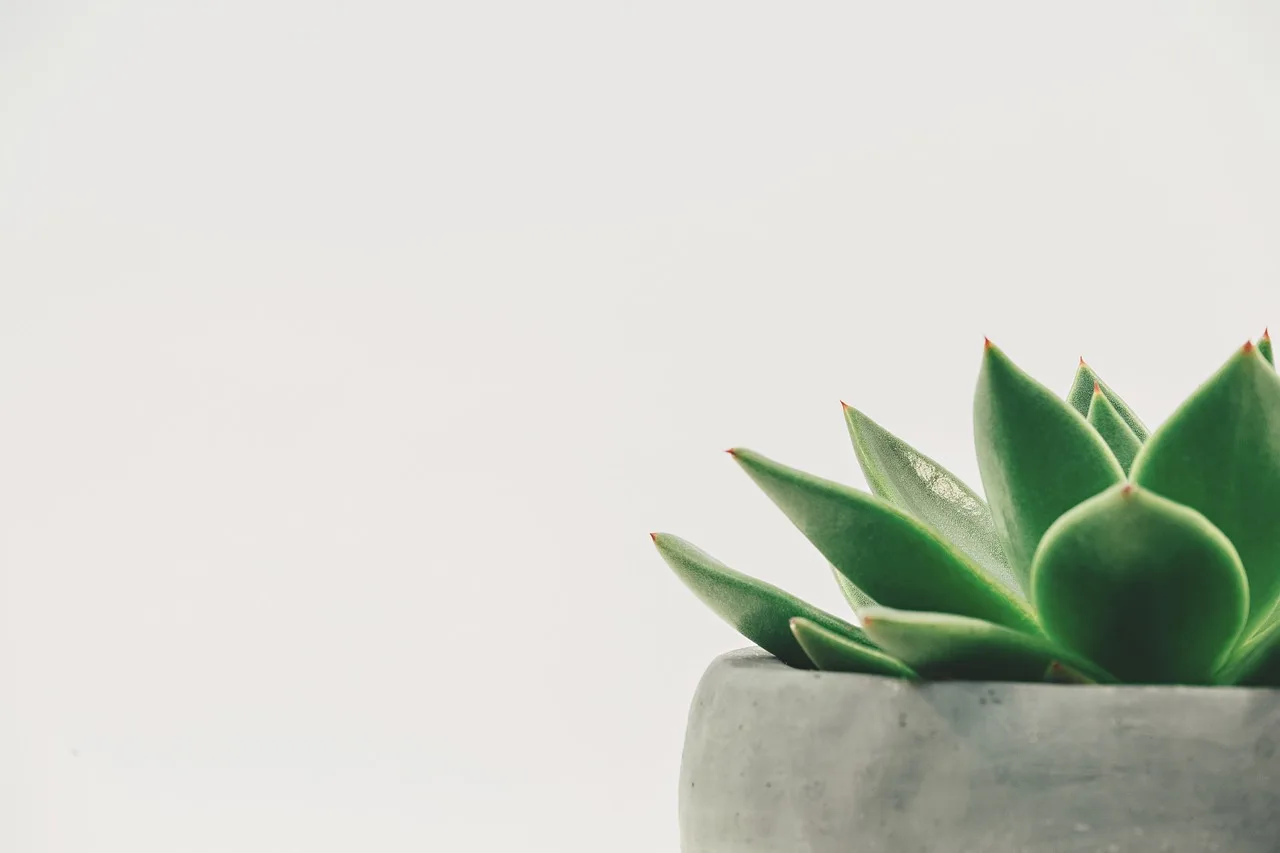
If a plant is still pushing new growth or flowering indoors, it may still need fairly steady watering. Succulents and cacti sit at the low end. Tropical foliage plants usually need more frequent checks than that.
How do you know when to water houseplants in winter?
Use your finger as a quick check. A useful baseline is 1 to 2 inches deep, and some guidance says to water only when soil is dry at least 2 inches deep. Dry topsoil does not always mean the root zone is dry, so the whole pot matters more than the surface.
If the top feels dry but the pot still feels heavy, wait. Heavy usually means there is still water in the mix. If the pot feels light and the finger test shows dry soil below the surface, water thoroughly.
Say your pothos sits in a 10-inch plastic pot by a bright west window. The top inch may dry in a few days, but the root zone may stay damp longer. In that case, watering the moment the surface looks dry can keep the roots wet too long.
Winter watering decision table
| Placement | Expected drying speed | Watering trigger | Common failure sign |
|---|---|---|---|
| Sunny window | Fast | Water when the top 1 to 2 inches are dry and the pot feels noticeably lighter | Drooping leaves from missed watering, especially on thirsty foliage plants |
| Low-light room | Slow | Wait longer; check the root zone before watering, not the surface alone | Yellowing from staying wet too long |
| Near radiator or vent | Fastest | Check often; water as soon as the root zone dries | Leaf crisping or fast wilt from repeated dry-down |
| Cold windowsill | Slowest uptake | Hold off until the mix is dry deeper down and the pot is no longer cold and heavy | Mushy stems or a sour smell from excess moisture |
How often should you water by plant type?
Start with the plant’s growth habit, then adjust for the room. Succulents and cacti need the least water in winter. Tropical foliage plants usually still need regular checks. Flowering houseplants often keep a moderate rhythm because they are still spending energy on blooms.
Houseplant101 notes that a summer schedule may stretch to every 10 to 14 days in January for many plants, while succulents and cacti may need water every 4 to 6 weeks in winter. Tropical foliage plants may still need water every 10 to 14 days. Those are starting points, not rules.
How pot size and pot material change the interval
Small pots dry faster than large ones because they hold less mix. Clay pots also tend to dry faster than plastic because the sides lose moisture more readily. A roomy pot in a low-light room can stay wet much longer than a small pot in a sunny window, even for the same plant.
A common first-timer mistake is moving all plants to the same winter interval. A peace lily in a bright kitchen and a snake plant in a dim hallway should not follow the same timer.
How should you water and drain plants in winter?
Water thoroughly, then let the excess drain out. The goal is to wet the root ball, not to dribble a small amount across the surface. Water should run from the bottom of the pot, and collected water should be emptied after watering. Small sips often leave the top layer damp while the lower roots stay dry.
Use room-temperature water in winter. Cold water can shock roots, especially when the plant already sits in a cool room. If the pot has drainage holes, water until runoff appears, then empty the saucer after 10 to 15 minutes.
- Check soil with a finger at 1 to 2 inches deep.
- Lift the pot and judge whether it feels light or heavy.
- Water slowly until liquid runs from the drainage holes.
- Wait 10 to 15 minutes, then empty the saucer.
- Return the plant to its spot only after excess water is gone.
What changes watering speed indoors?
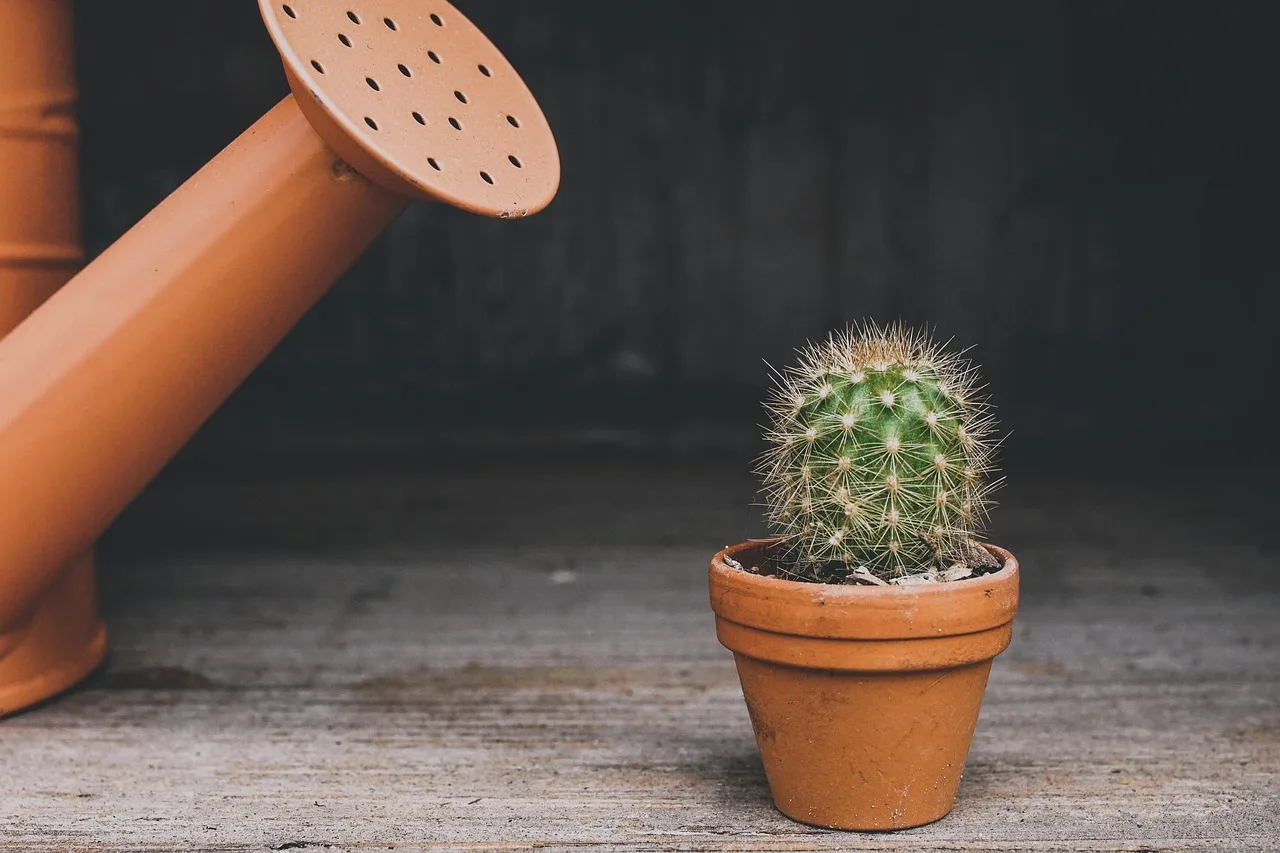
Placement changes watering more than the season does. Light, temperature, drafts, heat sources, and humidity all change how fast the root zone dries. A plant near a bright south or west window often dries faster than one in a low-light room, since brighter light can increase water loss from the mix and leaves.
Cold drafts can slow uptake, while heaters and vents can dry soil and foliage faster. That means a plant near a radiator may need shorter intervals than the same plant across the room. A cold windowsill can create the opposite problem: soil that stays wet longer because the pot and roots are cooler.
Dry indoor air also matters. Home humidity in winter can fall to 10 to 20 percent, while many plants do better closer to 50 percent. A humidifier or pebble tray can help raise moisture around the plant. Mist has limited value for some plants because it adds only brief surface moisture.
Why light level and window direction matter
South- and west-facing windows usually dry mix faster because they bring stronger light. Dim corners slow drying, so the same watering interval can rot roots there. If you move a plant from a sunny window to a shelf across the room, expect the interval to change.
Drafts, heaters, and vents
Drafty spots can cool the root zone and reduce uptake. Heat sources can do the opposite by speeding surface drying. If a plant sits near a heater, check it more often than the rest of the room. The placement, not the month, is often the better clue.
What signs point to overwatering or underwatering?
Root rot is a winter risk because excess moisture lingers longer when evaporation slows and drainage is poor. Early signs include yellowing leaves, wilting even when soil feels wet, mushy stems, and a foul smell from the pot. If those signs appear together, stop watering and check drainage first.
Underwatering looks different. Leaves go limp, the mix pulls away from the pot, and the plant may collapse quickly after a dry spell. Cold stress can confuse the picture because a plant in a chilly window may droop while the soil stays wet. In that case, do not water again until the root zone dries.
Suppose a fern near a heater turns crispy at the edges and the mix dries in a few days. That points toward fast drying and low humidity. If the same plant in a dark corner turns yellow and the pot smells sour, excess moisture is the more likely problem.
How to care for houseplants in winter
Start with placement, then watering. Give each plant enough light, keep it away from cold glass and strong heat blasts, and check the root zone before every watering. Use drainage holes, empty saucers, and reduce water when growth slows, but do not treat every plant the same.
Keep the room in the range many plants handle well: 65 to 75°F during the day and 55 to 65°F at night. If the air is very dry, add a humidifier or pebble tray rather than guessing with more water. Misting can help a little for some plants, but it does not replace proper watering.
When a plant has been chronically overwatered, let the mix dry more fully before the next watering, and make sure the pot drains freely. If roots sit in standing water, the problem will keep returning. Healthy winter care is mostly about slower checks, better drainage, and better placement.
Frequently asked questions
How often to water houseplants in winter?
There is no single interval that fits every plant. Many plants shift from a summer rhythm to every 10 to 14 days in January, while succulents and cacti may go 4 to 6 weeks. Use that only as a starting point and check soil first.
Do you water plants in winter?
Yes, but usually less often and sometimes with less water at each session. Some plants keep growing indoors and still need regular checks. If the mix is dry 1 to 2 inches down, water thoroughly and let the pot drain fully.
Should you water plants in cold weather?
Yes, if the root zone has dried. Cold weather does not mean no water at all. It means slower drying and more risk from staying wet too long, especially near cold windows, so check the soil before you water.
Why is my houseplant soil staying wet longer in winter?
Shorter days, cooler rooms, and lower evaporation all slow drying. Low light is a major factor, and a pot with weak drainage can make it worse. If the plant sits in a dim room or on a cold sill, expect a longer wait between waterings.
Should you water houseplants less near a heater?
Sometimes yes, but the bigger change is usually timing, not amount. Heaters can dry soil and foliage faster, so plants near vents or radiators may need more frequent checks. Water only when the root zone dries, and watch for fast wilting.