Can a Cold Draft Kill a Houseplant?
Yes. Cold drafts can injure houseplants, but they usually do not kill them unless tissue actually freezes. If leaves turn limp, black, or mushy after exposure below 32°F, treat it as freeze damage. Misreading chill stress as death can lead to unnecessary pruning, while missing freeze injury can let rot spread. This guide shows how to tell draft injury, chilling injury, and freeze injury apart, then decide what to cut and what to leave alone.
A room can read warm on the thermostat while the leaf surface near a window is much colder. That gap matters. Draft exposure is often local, so the plant’s placement can matter more than the average temperature in the room.
How to check your plant
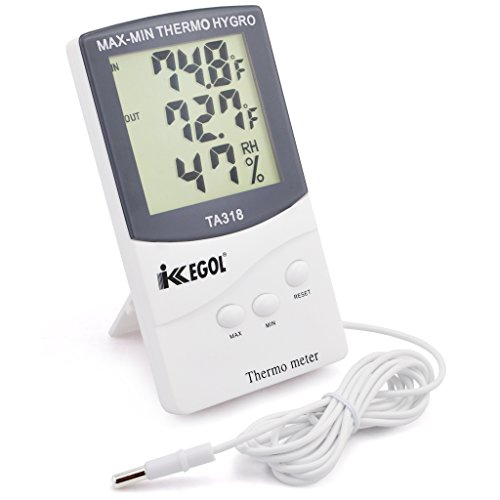

What you’ll need
- A notebook or phone for notes
- A flashlight for leaf and stem checks
- Pruners or snips for later trimming
- A ruler or tape measure for plant placement
What counts as draft exposure?
Draft exposure means localized cold air or contact from a specific source, not a room-wide drop. A plant can sit in a thermostat-friendly room and still get chilled at the window, near a door, over a floor seam, or under a vent burst.
Cold drafts can create sharp, localized drops in temperature indoors. Tropical and humidity-loving houseplants are the first to show damage, especially when the leaves or roots are exposed to air that is colder than the rest of the room.
Draft-damage triage table
| Exposure source | Likely symptom pattern | Likely severity | First action |
|---|---|---|---|
| Cold window glass | Leaves on the glass side look water-soaked, translucent, brown, or blackened. Older or single-pane windows are high risk, and touched leaves can show directional damage. | Moderate to severe, depending on contact time and outside temperature. | Move the plant 20 to 40 centimetres inward. Decision: move now. Wait before pruning. |
| Exterior door drafts | One side of the plant shows limp, browned, or crinkled foliage after the door opens often or stays unsealed. | Mild to moderate unless the plant sat in the draft for hours. | Relocate the pot out of the airflow and seal the gap. Decision: move now. Recheck in 48 to 72 hours. |
| Floor-level cold pooling | Lower leaves yellow, purple slightly, or collapse first because cold air settles near the floor. | Mild at first, then moderate if the plant stays low. | Raise the plant on a stand or shelf. Decision: move now. Do not prune yet. |
| HVAC vent bursts | Rapid leaf drop, slightly bleached patches, or uneven stress on the side facing the vent. Repeated bursts can look worse than a steady cool room. | Mild to moderate, often patchy. | Redirect the plant away from the vent path or close the supply. Decision: move now. Watch for stabilization. |
| Shipment or carry-in chill | Damage appears within a day or two as limp, blackened, or translucent tissue, often after transport in cold weather. | Can be mild chill stress or severe freeze injury. | Bring the plant into stable indoor conditions and avoid immediate cutting. Decision: wait first. Prune only after tissue declares itself. |
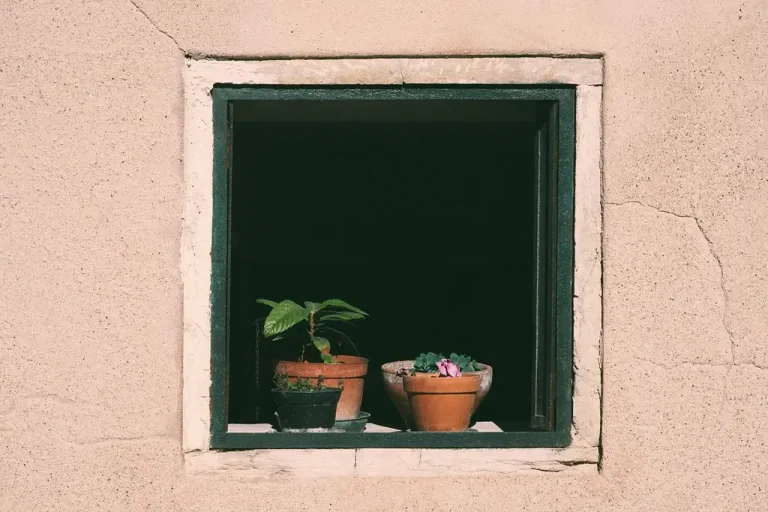
Suppose a pothos sits on a sill above a single-pane window and one vine touches the glass overnight. The room still reads 68°F, but the glass side of the vine turns water-soaked and later blackens. That pattern points to directional cold contact, not a room-wide problem.
What should you do right away after a cold draft hurts a plant?
Move the plant away from the cold source first, then wait before trimming. Cold tissue often looks worse before it settles, and pruning too soon can remove living tissue that has not finished showing damage.
Immediate recovery steps
- Move the plant to stable indoor air and keep it out of glass contact, direct vent flow, and door sweeps.
- Mark the worst leaves or stems with a note or tag so you can compare them later.
- Wait 2 to 3 days before trimming cold-damaged tissue.
- Check for living versus dead tissue by slicing a small damaged edge: living tissue stays firm or green under the surface; dead tissue stays limp, blackish brown, or water-soaked.
- After the plant stabilizes, reset placement, light, and watering. Resume normal watering only when the root zone is no longer cold and the plant is not collapsing further.
A common first-timer mistake is to cut every brown leaf the same day the plant is moved. That can remove tissue that was only chilled, not dead. If the stem remains firm and a section is merely discolored, leave it alone until the damage stops spreading.
If that didn’t work, try this next
- If damage keeps advancing after about 72 hours, cut only the clearly dead parts with clean snips.
- If the stem base turns mushy or black from the crown downward, unpot the plant and check roots for rot.
- If the plant is still declining after relocation, compare its spot to the room’s cold sources again: window, floor, vent, or door.
Do not put the plant on a heater or radiator to “balance” the cold. That can create a new stress pattern on the opposite side of the room and dry the plant unevenly.
How do you tell cold damage from other problems?
Cold damage usually appears on the side closest to the draft and can show up within a day or two. Underwatering is usually broader and slower, while disease tends to spread in a pattern that does not match one cold source. The symptom map matters more than a single brown leaf.
Chilling injury versus freeze injury
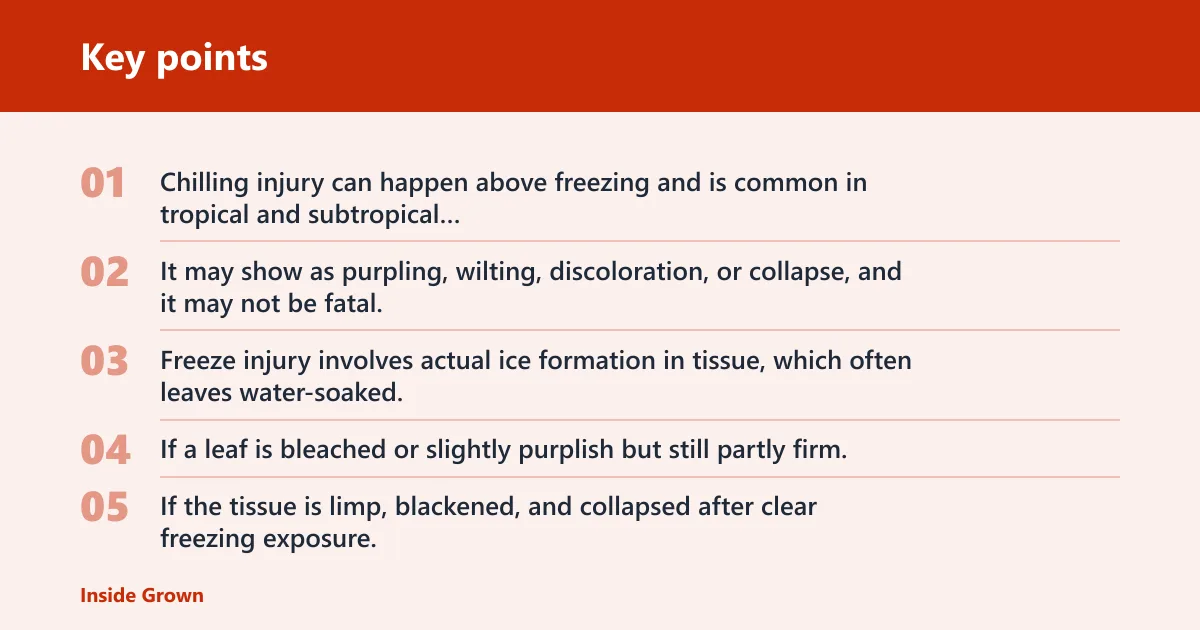
Chilling injury can happen above freezing and is common in tropical and subtropical plants. It may show as purpling, wilting, discoloration, or collapse, and it may not be fatal. Freeze injury involves actual ice formation in tissue, which often leaves water-soaked, blackish brown areas that do not green back up.
If a leaf is bleached or slightly purplish but still partly firm, that leans toward chill stress. If the tissue is limp, blackened, and collapsed after clear freezing exposure, that section is likely dead.
Cold damage versus underwatering
Underwatering usually affects many leaves at once and comes with dry potting mix and a lightweight pot. Cold injury often starts on the exposed side first and can leave the soil moist because the plant is not losing water the same way. Check both the leaves and the potting mix before deciding.
Cold damage versus disease
Disease often spreads across leaves in irregular spots or along veins, not just on the window-facing side. If the damaged area lines up with a window pane, vent stream, or door draft, cold exposure is the cleaner explanation. If the pattern ignores placement, look harder at pests, bacteria, or fungi.
What healthy recovery looks like: no new tissue collapse, no spread into the stem base, and new growth that stays firm after the plant has been moved. Dead tissue will not green back up.
How cold is too cold for houseplants near a window?
Most houseplants do best around 65 to 75 degrees Fahrenheit in winter, but that room number can hide a colder leaf surface next to glass. Most common tropical houseplants are sensitive below roughly 50°F, and a leaf touching cold glass can be injured even when the air in the room feels fine.
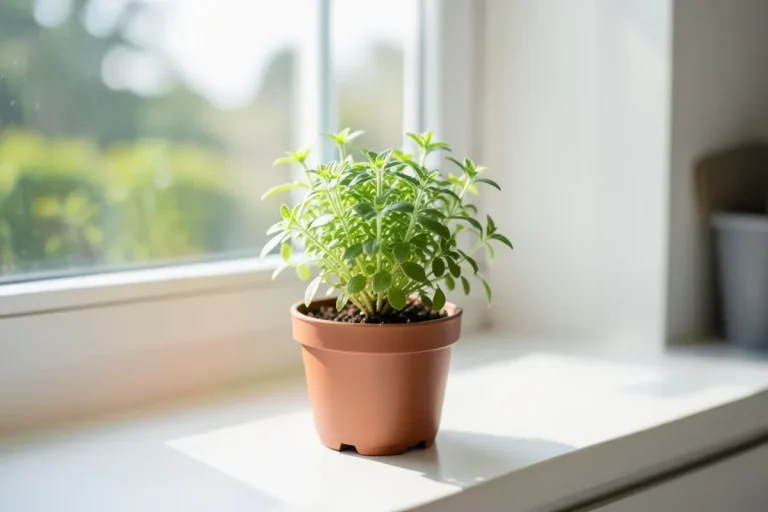
Single-pane or older windows are high risk because they create directional cold contact. Moving a plant a few inches inward can sometimes matter more than changing the thermostat.
Which houseplants can survive the cold better than others?
Hardier, cooler-tolerant houseplants usually cope better with brief chill than tropicals do, but no plant likes repeated cold contact. Tolerant species still need protection from glass, floor drafts, and vent bursts if the exposure is repeated or direct.
Tender tropicals and humidity-loving plants need the most protection first. If a mixed group sits near a window, put the most sensitive plants farther in and use the tougher ones as a buffer only if the light still works there.
How can you protect houseplants from drafty windows and doors?
Use placement and simple barriers before you change watering or lighting. Plant stands, curtains, blinds, insulation, and repositioning all help reduce exposure. Grouping plants can buffer a draft, and raising pots off cold floors prevents root chill.
Microclimate fixes that help
- Move the plant 20 to 40 centimetres away from a cold window.
- Use a stand to lift pots off tile, concrete, or other cold floors.
- Close curtains or blinds at night to reduce glass contact chill.
- Add simple insulation around drafty frames or seams.
- Group plants so they buffer one another from moving air.
- Keep plants out of direct vent paths and away from door cracks.
Picture three small tropicals lined up on a stone floor near an exterior door. The floor drops colder than the shelf across the room, so the lowest leaves wilt first even though the thermostat never changes. Raising the pots changes the exposure source, not just the room average.
Common mistakes
Pruning too early is the biggest one. Wait 2 to 3 days, then remove only dead tissue. Another mistake is leaving leaves against cold glass, which creates contact damage even in a warm room.
Ignoring floor-level chill is also common. Cold air pools low, so a plant can suffer while the room feels comfortable. Watering less is useful only if the root ball is staying too wet; it does not fix cold injury by itself.
Frequently asked questions
Can a cold draft kill a houseplant?
Yes, but usually only if the tissue freezes or the exposure is severe and repeated. Most draft injury starts as chilling stress, which can be reversible. If leaves are black, water-soaked, or collapsed after freezing exposure, treat that section as dead and prune only after it stabilizes.
What does cold draft damage look like on houseplants?
Look for limp, brown, blackened, translucent, crinkled, or slightly purplish tissue, often on the side nearest the draft. Cold window contact can injure one face of the plant while the rest looks normal. That directional pattern is the clearest clue.
Can a plant recover after cold damage?
Often, yes, if the injury was chilling stress rather than freeze injury. Leaves that are slightly purplish, bleached, or limp may recover partially or be shed later. Tissue that has turned blackish brown and collapsed will not green back up.
How do I tell cold damage from underwatering or disease?
Cold damage usually matches a cold source and shows up on the exposed side first. Underwatering tends to affect the whole plant more evenly, while disease spreads in patterns that do not match glass, doors, or vents. Check the source before changing care.