Gardening tips for companion planting in small gardens
In small gardens, pair plants by root depth, canopy width, and harvest timing. Put tall or deep-rooted crops beside shallow, fast crops, and keep each plant’s mature spread inside its bed or container. Poor pairings waste space, cut airflow, and make harvesting harder. This guide shows how to match crops in raised beds, in-ground beds, and containers with spacing rules you can use right away.
This guide is part of our When to plant seeds and bulbs series.
Map Your Space and Select Essential Tools



What you’ll need
- Bed or container measurements
- Grid paper or a bed map
- Seed packets with days to maturity
- A ruler or tape measure
- Basic crop-family notes for rotation
- Plant labels or a notebook for layout notes
Step 1: Map the space before you plant
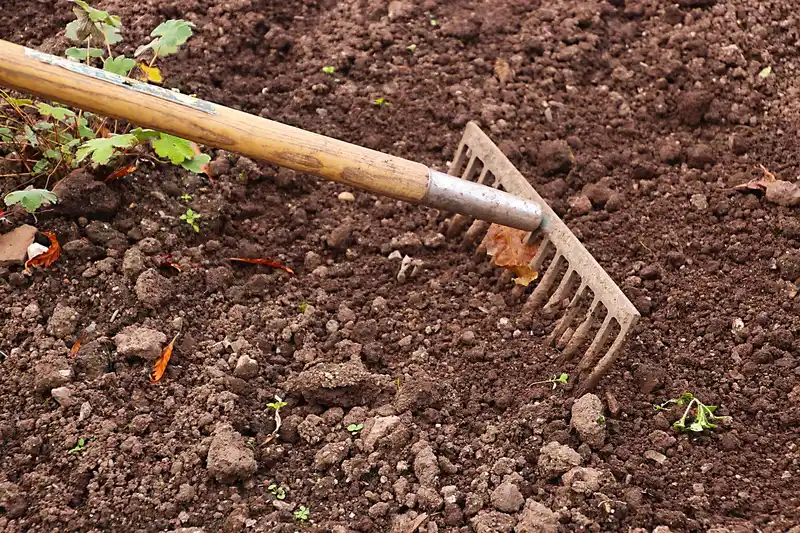
- Measure the usable bed area or container volume, then mark fixed spaces for trellises, cages, and paths.
- Note sun exposure across the day, because tall crops can cast shade onto shorter neighbors.
- Mark zones where roots will overlap, since dense root systems need more room than packet spacing alone suggests.
Step 2: Match plants that share space well
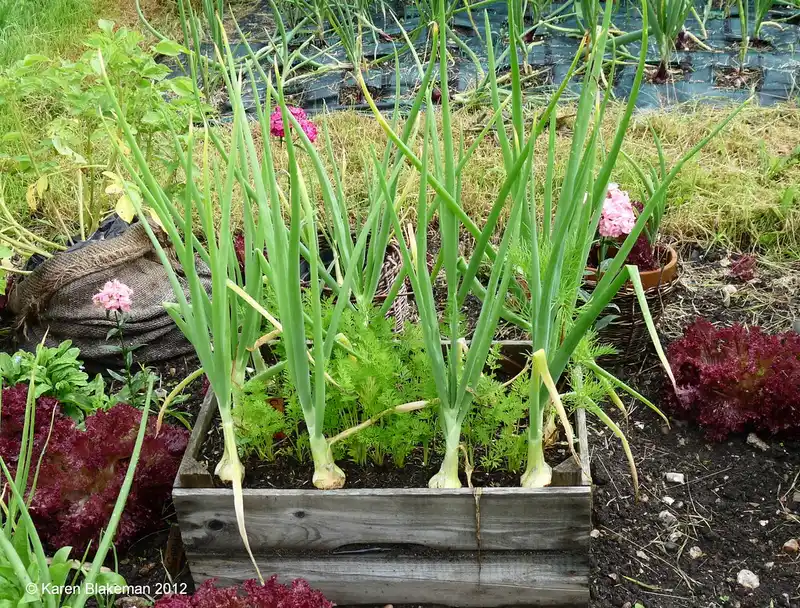
- Pair deep-rooted crops with shallow-rooted crops so they use different soil layers.
- Mix early, main-season, and late crops so one finishes before the other reaches full size.
- Keep large fruiting plants near edges or in separate containers, where their canopy will not block lower crops.
Step 3: Build the layout with square foot or biointensive spacing
- Use a square-foot grid for raised beds when you want predictable spacing and easy counting.
- Use closer biointensive spacing only when you can watch for crowding, disease, and airflow loss.
- Thin or move plants if leaves close together too early, because overcrowded plants may develop diseases and should be moved if needed.
What are the best companion plants for a small garden?
The best companion plants use different space at different times. Shallow greens can sit beside slower carrots, bush beans can follow lettuce, and quick radishes can finish before larger crops reach full spread. The best pairings are practical, not folklore-driven.
Use these pairing rules first
Think in three layers: root depth, canopy width, and harvest window. A shallow crop beside a deeper crop is easier to fit than two crops that want the same root zone. The same rule applies to timing. A fast crop that clears space early is a better neighbor than a crop that peaks at the same moment.
Small garden beds are good places to interplant and fill bare spaces. Companion planting works best when it means growing two types of plants in the same space without making them fight for light or soil volume. Interplanting works best when you know maturity dates.

How do I maximize space with companion planting in raised beds?
Use a grid and treat each square foot as a planning unit, then stack crops by height and finish date. Raised beds should be organized into square feet for planning, and the square foot method is a strong fit for small raised beds because it keeps spacing decisions visible.
Square-foot and biointensive planning
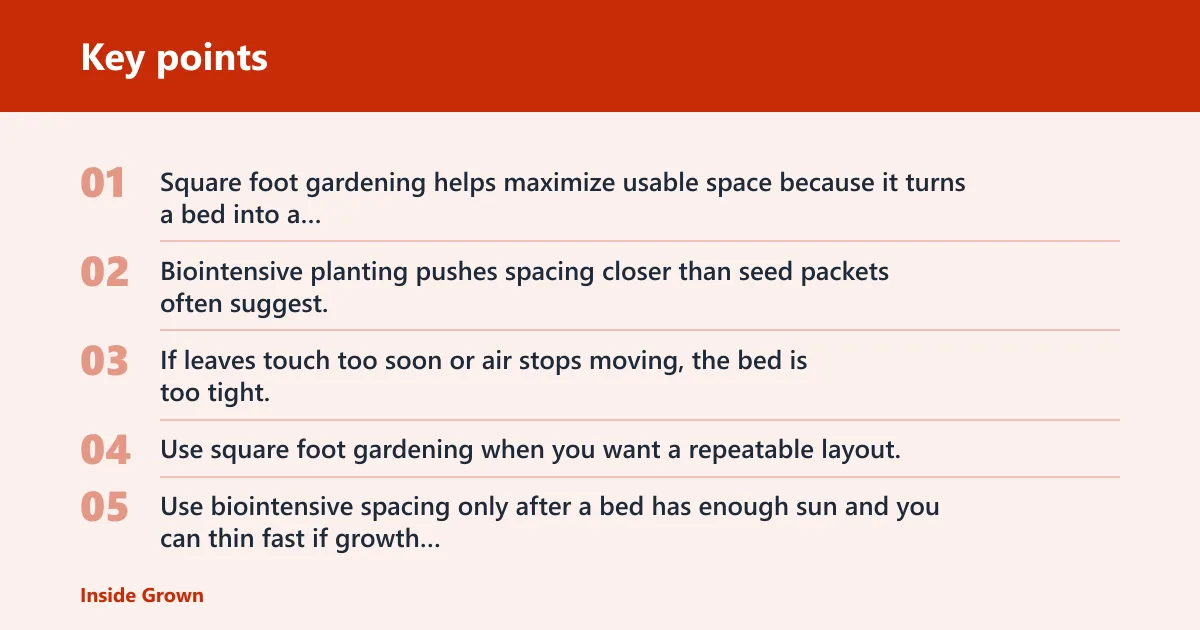
Square foot gardening helps maximize usable space because it turns a bed into a countable grid. Biointensive planting pushes spacing closer than seed packets often suggest, which can increase output in a small area, but it needs observation and adjustment. If leaves touch too soon or air stops moving, the bed is too tight.
Use square foot gardening when you want a repeatable layout. Use biointensive spacing only after a bed has enough sun and you can thin fast if growth gets dense. Companion planting can increase output in tight spaces, but it cannot fix poor airflow.
Practical layout table for small beds
| Bed size | Compatible pairing | Spacing note | When it fails |
|---|---|---|---|
| 4×4 | Carrots + lettuce | Use one square foot for carrots and adjacent squares for cut-and-come-again lettuce | Fails if lettuce shades the carrots before harvest or both are sown at the same dense rate |
| 4×4 | Bush beans + spinach | Keep beans on a sunny edge; use the cooler side for spinach | Fails if bean foliage closes over spinach in warm weather |
| 4×4 | Beets + scallions | Both stay compact, so the grid can hold alternating squares | Fails if beets are allowed to crowd before thinning |
| 3×6 | Tomato on a trellis + basil + lettuce | Put the tomato on the north or back edge; keep basil and lettuce in front | Fails if the tomato canopy blocks light or the bed loses airflow |
| 3×6 | Peppers + onions | Both can stay compact and share a row without heavy root overlap | Fails if peppers are crowding, because fruit set drops in tight shade |
| 3×6 | Kale + radishes | Radishes can finish before kale reaches full width | Fails if kale is planted too closely and blocks the radish harvest zone |
Can companion planting work in containers?
Yes. Companion planting can be done in containers as well as beds, but volume is the first filter. In containers, root room matters more than bed labels, so a pairing that works in a raised bed may fail in a pot if roots fill the mix too quickly. Think in gallons, not just inches.
Container planning rules
Use shallow-rooted crops with faster finishes in smaller pots, and reserve larger containers for crops that stay in place longer. Large indeterminate tomatoes need at least 10 to 15 gallons, and they are often too large for tight beds unless they get that volume in a container. Give them their own pot when possible.
A container around 5 gallons may be too small for growing a tomato and basil together successfully. The basil may fit at planting, but the tomato canopy can shade it out before midsummer. A better choice is basil beside a compact pepper or a lettuce that you will harvest early.
Which plants should not be planted together in a small garden?
Avoid pairing crops that want the same root space, the same canopy room, and the same harvest window. Bad matches include tall, heavy-shading plants over short greens, vigorous roots beside shallow crops, and two large plants that mature at the same time in a tight bed. Crowding is the real problem.
Common failure pairings
Do not pack indeterminate tomatoes with other large fruiting crops in a small bed. Do not place fast-spreading squash where it can cover neighboring plants. Do not mix crops with the same maturity date if the bed is already full, because both will peak together and compete for light and airflow.
A common first-timer mistake is putting basil, lettuce, and a tall tomato into one cramped square and expecting the herbs to “help” the tomato. The tomato usually wins the light, and the smaller crops decline. The fix is simple: move the tall crop to the edge, or move the smaller crops to an earlier harvest slot.
How far apart should companion plants be planted?
Use mature size, not seed packet optimism, as the real spacing guide. In small gardens, the right distance is the one that keeps leaves from crowding at full size and still leaves air moving through the bed. If plants touch early and stay damp, spacing is too tight.
Spacing checks that matter most
For square-foot style planning, fit plants to the space they will occupy at maturity, not just at transplanting. For biointensive planting, closer spacing can work, but only if plants remain healthy after thinning and regular observation. If foliage overlaps heavily before harvest, reduce density next time.
Say your 3×6 bed holds peppers and onions. Both stay relatively compact, so they can sit closer together than two sprawling crops. Now picture a tomato beside a cabbage. The tomato’s canopy can shade the brassica and reduce airflow, even if the roots seem fine at planting.
Should I use square foot gardening for companion planting?
Yes, if you want a simple grid-based system that makes small raised beds easier to manage. Square foot gardening is one of the best fits for small raised beds because it divides the bed into square feet and turns spacing into a clear plan instead of guesswork.
When the square-foot method fits best
Use it for beds where every inch counts and you want a repeatable map for herbs, roots, and compact greens. It works especially well when you are combining crops with different harvest dates, because a square can be reassigned as soon as one crop comes out.
It is less helpful for large fruiting crops that need more room than a single square. In those cases, give the plant more than one square or move it to a container. The method organizes the bed; it does not shrink the crop.
How do I rotate crops in a small garden with companion planting?
Rotate by plant family, not by bed label alone. Crop rotation is recommended even in small gardens because it helps break pest and disease cycles. Brassicas and nightshades need special attention, since both can carry family-specific pest and disease pressure from one season to the next.
Rotation and follow-on planting
Move brassicas, nightshades, legumes, and allium crops to different bed zones each season when possible. Succession planting can keep space productive after an early crop finishes, and succession planting includes growing non-competing crops simultaneously. Use that freed space for a short crop rather than repeating the same family.
Rotate the crop family, then fill the gap with a different family that finishes sooner. A lettuce bed can become bean space later, and a pea row can make room for late herbs after harvest. Keep notes so the next season starts with a cleaner map.
Prevention
Label beds by family history after each season. A simple note such as “brassicas here last year” is enough to keep the rotation from slipping when the bed is replanted.
Can companion planting help with pests in a small garden?
Yes, but only in limited ways. Companion planting can help by confusing some pests, attracting beneficial insects, or placing vulnerable crops beside less attractive neighbors. It cannot solve overcrowding, shade, or poor airflow, and it will not fix a bed that is already stressed.
Use pest management as a side benefit
The strongest pest benefit comes from a healthier layout, not from magic pairings. When plants have room, air moves better and leaves dry faster, which can reduce disease pressure. That is more reliable than assuming any herb or flower will protect every crop in every garden.
If pests keep appearing in the same bed, adjust the rotation, thin crowded plants, and move the problem crop to a different family zone next season. Companion planting works best when it supports spacing and timing. It fails when it is asked to do the job of bed hygiene.
Common mistakes
Most small-garden companion planting problems come from crowding, shade, and timing mistakes. If you fix those three, the layout usually improves faster than by changing plant combinations alone.
Planting too tightly
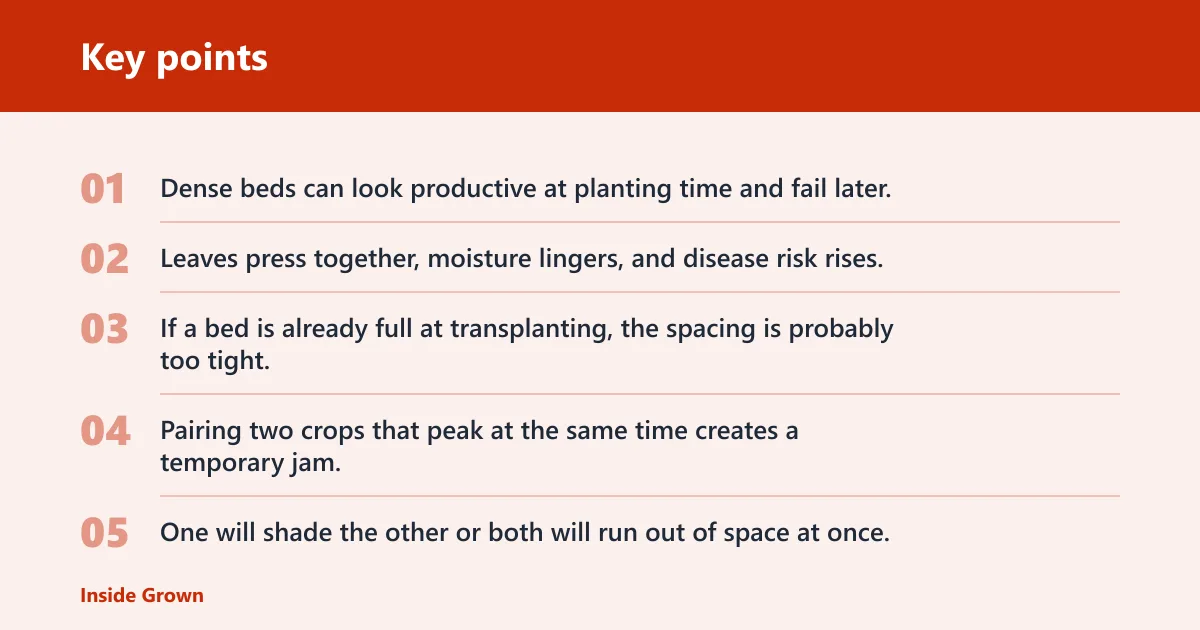
Dense beds can look productive at planting time and fail later. Leaves press together, moisture lingers, and disease risk rises. If a bed is already full at transplanting, the spacing is probably too tight.
Mixing crops with the same finish date
Pairing two crops that peak at the same time creates a temporary jam. One will shade the other or both will run out of space at once. Better pairings stagger maturity dates so one crop clears room for the next.
Ignoring canopy and root shape
Two plants can look small in seedlings and still collide later. A shallow leafy crop beside a deep-rooted crop is easier to manage than two plants that both expand in the same direction. Plan for mature width, not starter size.
Forgetting container volume
Containers are not tiny beds. They are volume-limited systems. A compact herb may fit beside a small pepper, but a large tomato needs much more root room, especially if it is indeterminate and expected to keep growing.