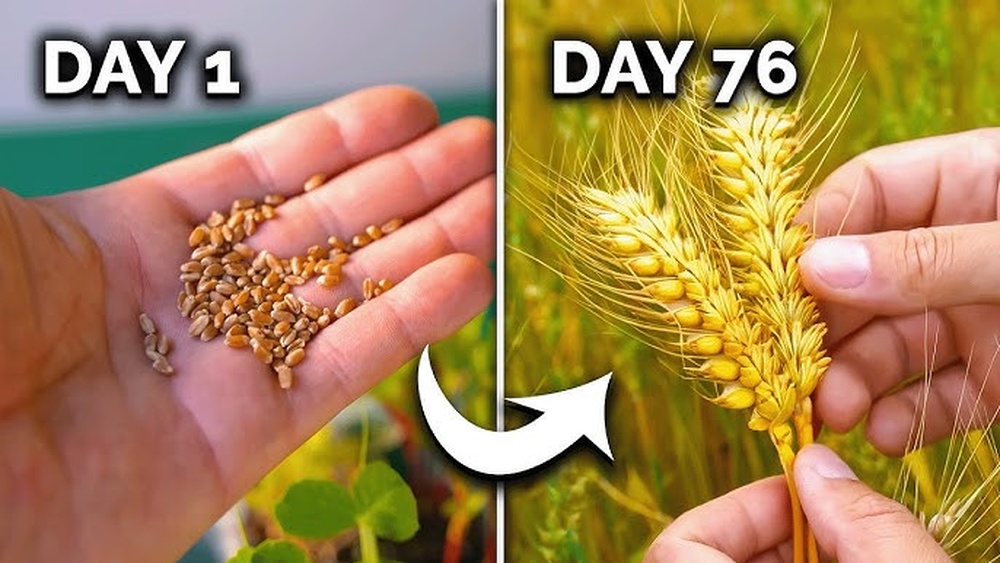
What Is The Best Grain To Plant For Easy Gardening
Growing your own grain is one of the most rewarding steps toward self-sufficiency, but for many gardeners, the idea seems intimidating. The truth is, cultivating grains doesn’t have to be complicated or time-consuming. With the right choices, even beginner gardeners can enjoy a successful grain harvest and integrate nutritious, homegrown cereals into their diet.
The key lies in selecting the best grain, one that fits your climate, garden size, labor capacity, and culinary preferences.
In my experience, starting with easy-to-grow grains not only yields practical rewards but also deepens your connection with the land. Whether you dream of baking your own bread, making porridge, or simply experimenting with a new gardening project, understanding which grains are best for easy gardening can transform your growing season.
This comprehensive guide explores the most accessible grains, compares their needs, and helps you make an informed choice for a thriving grain patch.
Key Takeaways
- Oats, barley, and buckwheat are among the easiest grains for beginner gardeners.
- Growing grains at home requires less space than most people expect.
- Climate, soil, and intended use should guide your grain selection.
- Yield, disease resistance, and harvest time vary widely among grains.
- Proper planning and minimal equipment make grain gardening achievable for most.

Credit: www.amazon.com
Understanding Grain Gardening: What Makes A Grain “easy”?
Choosing the right grain is about matching plant needs to your garden’s conditions and your goals. Here’s what makes a grain truly easy for home gardening:
Minimal Input Requirements
Grains that thrive with less fertilization, infrequent watering, and limited pest management are ideal for home gardeners. For example, buckwheat and millet are notably resilient, requiring little intervention once established.
Short Growing Season
A shorter time from sowing to harvest means less risk of weather-related failures and more opportunities to grow successive crops. Barley and oats mature quickly, making them good fits for regions with brief summers.
Disease And Pest Resistance
Grains naturally resistant to common garden pests and diseases reduce the need for chemical controls or constant monitoring. Rye is particularly robust, tolerating harsh conditions and many soil-borne issues.
Small-scale Suitability
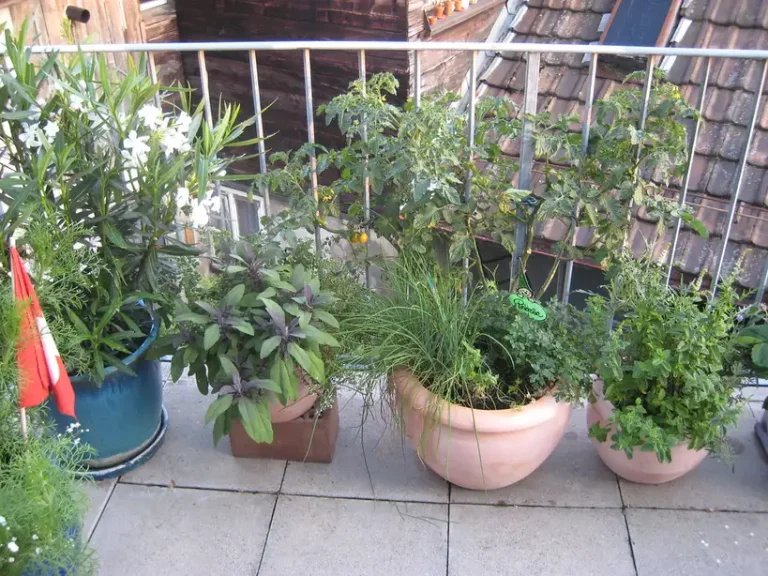
Not all grains require acres to be productive. Some, like quinoa and amaranth, are well-suited to raised beds or even containers, making them accessible for gardeners with limited space.
Easy Harvest And Processing
For true ease, grains should be simple to harvest and thresh by hand. Buckwheat and quinoa stand out here, as their seeds separate easily from the plant and require minimal post-harvest work.
The Top Grains For Easy Home Gardening
While hundreds of grains are cultivated globally, only a select few meet the criteria for easy, small-scale gardening. Below are the leading candidates, along with a comparison of their key characteristics.
| Grain | Best Climate | Days to Maturity | Soil Needs | Yield Potential | Special Features |
|---|---|---|---|---|---|
| Oats | Cool, moist | 70, 100 | Well-drained, moderate fertility | High | Good cover crop, easy to thresh |
| Barley | Cool, dry | 60, 90 | Adaptable, low fertility | Moderate | Short season, disease-resistant |
| Buckwheat | Warm, short season | 60, 90 | Poor to average | Moderate | Quick growing, pollinator-friendly |
| Quinoa | Cool, high-altitude or temperate | 90, 120 | Well-drained, low fertility | Moderate | High protein, gluten-free |
| Millet | Hot, dry | 60, 90 | Poor, sandy | Moderate | Drought-tolerant |
| Amaranth | Warm, temperate | 90, 120 | Well-drained | High | Edible leaves and seeds |
| Rye | Cold, variable | 120, 150 | Poor, acidic | Moderate | Winter-hardy, suppresses weeds |
Oats: The Versatile, Low-maintenance Choice
Oats are one of the simplest grains to grow. They thrive in cooler climates and are forgiving of imperfect soils. Their rapid growth helps suppress weeds, and they are notably easy to harvest and thresh by hand.
- Planting Time: Early spring, as soon as soil can be worked.
- Harvest Window: 70, 100 days after sowing.
- Common Uses: Breakfast cereals, flour, animal feed, cover crop.
Buckwheat: The Fastest Turnaround
Buckwheat is unmatched for speed. It matures in just two to three months, making it possible to plant after another crop or as a late-season experiment. Buckwheat’s flowers attract pollinators, and its dense foliage chokes out weeds.
- Planting Time: Late spring after frost danger.
- Harvest Window: 60, 90 days.
- Common Uses: Pancake flour, porridge, cover crop, honey production.
Barley: The Adaptable Classic
Barley is renowned for its adaptability. It grows well in both spring and fall, tolerates dry conditions, and needs little fertilizer. It’s also one of the few grains that can mature in short, cool summers.
- Planting Time: Early spring or late summer.
- Harvest Window: 60, 90 days.
- Common Uses: Beer, soups, bread, animal feed.
Quinoa: The Superfood Grain
Quinoa has gained popularity for its high protein and gluten-free properties. It’s best suited to cooler, drier climates but is surprisingly tolerant of poor soils. Quinoa’s colorful seed heads also add ornamental value to the garden.
- Planting Time: After last spring frost.
- Harvest Window: 90, 120 days.
- Common Uses: Grain salads, pilafs, breakfast bowls.
Millet: The Drought-buster
Millet is ideal for hot, dry regions where other grains struggle. It’s quick to mature and often used as a rotation crop to break pest cycles. While less familiar to Western diets, millet is a staple worldwide.
- Planting Time: Late spring.
- Harvest Window: 60, 90 days.
- Common Uses: Porridge, flatbreads, birdseed.
Amaranth: Dual-purpose Powerhouse
Amaranth offers both edible leaves and seeds, making it a dual-purpose crop. It tolerates heat and poor soils, and its vibrant seed plumes are eye-catching in the garden.
- Planting Time: After last frost.
- Harvest Window: 90, 120 days.
- Common Uses: Porridge, baking, cooked greens.
Rye: The Winter Specialist
Rye stands out for winter hardiness. It’s often planted in fall and harvested the following summer, providing green cover over winter and suppressing weeds.
- Planting Time: Fall.
- Harvest Window: 120, 150 days.
- Common Uses: Rye bread, whiskey, cover crop.

Credit: joegardener.com
Factors To Consider When Choosing A Grain
Selecting the best grain for your garden isn’t just about ease of growth. Consider these critical factors for a successful harvest and enjoyable experience.
Climate Compatibility
Each grain thrives in certain temperature and rainfall ranges. For example, millet and amaranth excel in hot, dry summers, while oats and barley prefer cool, moist conditions. Consult local extension services or resources like the USDA Plant Database to match grains to your region.
Soil Quality And Preparation
Some grains, like buckwheat and rye, are forgiving of poor soils and help improve soil health. Others, such as quinoa, require well-drained beds to prevent root rot. Test your soil’s fertility and pH, and amend as needed for your chosen crop.
Growing Space And Scale
Contrary to popular belief, you don’t need a vast field to grow grain. A 10’ x 10’ plot can yield several pounds, enough for occasional baking or breakfast.
Example:
- One 100-square-foot bed of oats can yield up to 10 pounds of grain, sufficient for over a month of oatmeal breakfasts.
Intended Use And Culinary Preferences
Think about how you plan to use your harvest. If you love baking, wheat or barley may be ideal. For gluten-free diets, consider quinoa, amaranth, or millet. Each grain has a unique flavor and texture.
Time And Labor Commitment
Some grains require more attention or longer growing seasons. For a low-maintenance experience, opt for buckwheat or oats, which need minimal weeding and little pest control.
Storage And Processing Needs
Grains vary in how easily they can be processed at home. Buckwheat and quinoa have simple threshing requirements, while barley and oats may need additional de-hulling equipment for large quantities.

Credit: malphursgroup.com
Step-by-step Guide: Planting And Caring For Easy Grains
Planting grains at home is straightforward if you follow some basic guidelines. Below is a step-by-step overview that applies to most easy grains.
Preparing The Soil
- Clear debris and weeds from your chosen area.
- Loosen soil to a depth of 4, 6 inches using a fork or tiller.
- Amend with compost if your soil is very poor, but most easy grains thrive without heavy fertilization.
Sowing The Seed
- Direct sow seeds by broadcasting (scattering) or planting in shallow drills.
- Cover seeds lightly with soil, generally, no more than 1 inch deep.
- Water gently to settle the soil and ensure good seed-to-soil contact.
Growing And Maintenance
- Thin seedlings if overcrowded, aiming for 1, 2 inches between plants.
- Water only as needed, most grains are drought-tolerant once established.
- Weed early; dense planting and rapid growth help suppress later weeds.
Harvesting
- Wait for full maturity, seed heads should be dry and hard.
- Cut plants at the base with a sickle or shears.
- Bundle and dry in a sheltered area for 1, 2 weeks to cure.
Threshing And Winnowing
- Thresh by rubbing seed heads between your hands or using a bag and stick.
- Winnow by pouring grain from one container to another in a breeze to separate chaff.
Pro Tip: For small batches, a basic kitchen fan can replace wind for winnowing.
Real-world Examples And Case Studies
Understanding how these grains perform in practice helps clarify your decision. Here are three concrete examples from home gardeners and small farms.
Case Study 1: Buckwheat In A Raised Bed
A suburban gardener in Vermont converted a 4’ x 8’ raised bed, typically used for vegetables, to buckwheat. Within 75 days, they harvested over 4 pounds of buckwheat groats, enough for pancakes for several months. The gardener noted minimal weed pressure and enjoyed the additional benefit of increased bee activity.
Case Study 2: Oats For Breakfast And Soil Health
On a small homestead in Oregon, oats were sown as both a grain and a cover crop. After 90 days, the gardener harvested 8 pounds from a 100-square-foot plot, reporting that the rapid growth outpaced weeds and improved the tilth of their clay soil.
The leftover straw provided valuable mulch.
Case Study 3: Millet In Arid Conditions
A community garden in New Mexico experimented with millet in sandy, low-fertility soil. With little supplemental irrigation, the crop matured in 80 days and produced a respectable 6 pounds of grain from a 10’ x 10’ plot. The gardeners highlighted millet’s drought tolerance as a standout trait.
Comparing Grains: Yield, Effort, And Suitability
To help you choose the right grain, here’s a side-by-side comparison:
| Grain | Ease of Growth | Water Needs | Labor (Scale 1-5) | Yield per 100 sq ft | Processing Difficulty | Best For |
|---|---|---|---|---|---|---|
| Oats | Very Easy | Moderate | 2 | 8, 12 lbs | Easy | Cool, moist climates |
| Buckwheat | Very Easy | Low | 1 | 3, 5 lbs | Very Easy | Short growing season |
| Barley | Easy | Low | 2 | 6, 10 lbs | Moderate | Cool, dry climates |
| Millet | Easy | Very Low | 2 | 5, 7 lbs | Easy | Hot, dry climates |
| Quinoa | Moderate | Low | 3 | 3, 6 lbs | Moderate | High-altitude, gluten-free diets |
| Amaranth | Easy | Low | 2 | 6, 9 lbs | Easy | Diverse culinary uses |
| Rye | Moderate | Low | 3 | 7, 9 lbs | Moderate | Winter cover, marginal soils |
Best Practices For Harvest, Storage, And Use
Even with easy grains, a few best practices ensure your harvest is high quality and lasts through the year.
Harvest Timing
- Don’t rush: Grains should be fully mature and dry before harvest.
- Monitor weather: Harvest before heavy rain, which can cause sprouting in the head.
Drying And Storage
- Dry thoroughly: Aim for less than 13% moisture for safe storage.
- Store in airtight containers in a cool, dry, and dark place to prevent pests and mold.
Home Processing Tips
- Small batches: For home-scale, manual threshing and winnowing are practical.
- Grain mills: Consider a hand-crank or electric grain mill for turning whole grains into flour.
Culinary Integration
- Experiment with recipes: Use grains for porridge, baking, or as side dishes.
- Mix with vegetables: Many grains pair well with garden-fresh produce for nutrient-rich meals.
Pro Tip: Toasting grains in a dry skillet before cooking enhances their flavor and aroma.
Troubleshooting Common Issues
Even the easiest grains can face challenges. Here’s how to address the most common issues:
Poor Germination
- Check soil temperature: Seeds may rot if soil is too cold or wet.
- Use fresh seed: Older seed may have reduced viability.
Pest And Disease Pressure
- Monitor regularly: Birds, rodents, and insects may be attracted to ripening grains.
- Use netting: Lightweight netting can protect maturing heads from birds.
Lodging (falling Over)
- Avoid over-fertilizing: Excess nitrogen can cause tall, weak stems.
- Choose shorter varieties: Some grains, like certain barleys, are bred for resistance to lodging.
Weeds Outcompeting Crops
- Dense sowing: Helps the crop outcompete weeds.
- Mulch pathways: Between rows to reduce weed pressure.
Advanced Tips For Maximizing Grain Success
For those ready to take their grain gardening further, these advanced strategies can lead to even better results.
Crop Rotation
Rotating grains with legumes or root crops helps prevent soil-borne diseases and maintains soil fertility.
Companion Planting
Interplanting grains with flowers or beans can deter pests and attract beneficial insects.
Saving Seed
Many easy grains are open-pollinated and ideal for seed saving. Store seed in a cool, dry place and select the healthiest plants for next year’s crop.
Scaling Up
Once comfortable, expand your grain plot incrementally. Even a quarter of your garden can produce enough grain for a household’s annual needs.
Pro Tip: Join local gardening groups or online forums for region-specific advice and seed swaps.
Frequently Asked Questions
What Is The Easiest Grain For A First-time Gardener?
Buckwheat is widely regarded as the easiest grain for beginners due to its fast growth, low input requirements, and minimal processing needs. It’s also forgiving of poor soil and suppresses weeds effectively, making it an excellent choice for first attempts at grain gardening.
How Much Space Do I Need To Grow Enough Grain For Personal Use?
For most home uses, a plot as small as 100 square feet can yield enough grain for several months’ supply, depending on the crop and your consumption habits. For example, this space can produce 8, 12 pounds of oats or about 4 pounds of buckwheat. To supply a year’s worth of flour for one person, plan for about 1,000 square feet.
Can I Grow Grains In Containers Or Raised Beds?
Yes, several grains like quinoa, amaranth, and buckwheat can be grown successfully in raised beds or large containers. Ensure good drainage, adequate sunlight, and avoid overcrowding for best results. Container-grown grains may need more frequent watering and careful monitoring for pests.
Are There Grains Suitable For Gluten-free Diets?
Absolutely. Quinoa, amaranth, millet, and buckwheat are all naturally gluten-free and excellent choices for gardeners with celiac disease or gluten sensitivities. Always check with a medical professional before making dietary changes if you have health concerns. For further reading, see the Celiac Disease Foundation.
How Do I Know When My Grain Is Ready To Harvest?
Grain is ready to harvest when the seed heads are dry, hard, and resist denting with a fingernail. The plants’ stalks will turn golden or brown, and seeds should separate easily from the head with gentle pressure. Test a few seeds for dryness before harvesting the whole crop to ensure optimal storage quality.
Growing grains at home is far more accessible than most people realize. With careful selection of the right crop, whether oats for breakfast, buckwheat for pancakes, or millet for hot climates, you can enjoy the satisfaction of harvesting your own staple foods.
By understanding each grain’s requirements and applying practical gardening tips, even small-scale growers can succeed. Whether for self-sufficiency, curiosity, or the sheer pleasure of homegrown ingredients, starting a grain patch is a rewarding adventure well within reach for today’s gardeners.