How Do Hanging Gardens Plants Stay Green Year-Round?
Urban landscapes are increasingly shaped by architectural innovation, and few concepts capture the imagination like hanging gardens—lush, vertical plantings that transform buildings, bridges, and public spaces. These living installations offer year-round greenery, even in climates where traditional gardens fade with the seasons. The question that intrigues botanists, architects, and city dwellers alike is: How do hanging gardens plants stay green year-round? The answer lies in a blend of plant science, design ingenuity, and ongoing maintenance that together sustain vibrant foliage regardless of external conditions.
From the legendary Hanging Gardens of Babylon to modern skyscrapers clad in green, the allure of perpetual plant life is both aesthetic and ecological. Maintaining such verdant displays requires careful species selection, advanced irrigation systems, engineered substrates, and environmental controls.
For cities striving for sustainability, hanging gardens not only beautify but also mitigate urban heat, improve air quality, and promote biodiversity. This article explores the mechanisms, strategies, and technologies that keep hanging garden plants green throughout the year, drawing from real-world examples, scientific studies, and the latest horticultural practices.
Key Takeaways
- Evergreen species and climate-adapted plants are foundational to year-round green hanging gardens.
- Innovative irrigation and substrate systems ensure consistent hydration and nutrition.
- Environmental controls like temperature regulation and artificial lighting support plants during seasonal extremes.
- Regular maintenance and monitoring are essential for sustaining plant health and appearance.
- Hanging gardens contribute to urban sustainability, providing ecological and aesthetic benefits.
The Science Behind Year-round Greenery In Hanging Gardens
The ability of hanging gardens to remain green throughout the year is rooted in plant physiology and environmental management. Understanding these fundamentals is crucial for anyone designing or maintaining a vertical garden.
Evergreen Vs. Deciduous: Choosing The Right Plants
A primary factor is the selection of evergreen species—plants that retain their leaves and color through all seasons. Unlike deciduous plants, which shed foliage in autumn, evergreens maintain photosynthetic activity and visual appeal regardless of temperature fluctuations.
- Common evergreen choices: Ferns, ivy, certain grasses, succulents, and conifers.
- Climate-specific varieties: Subtropical broadleaf evergreens (e.g., Ficus pumila) for warmer regions; hardy conifers (e.g., Juniperus) for colder climates.
The strategic selection of evergreens is not just about aesthetics but about plant resilience. For example, in Mediterranean climates, species such as Pittosporum tobira and Viburnum tinus thrive due to their waxy leaves and drought tolerance, making them suitable for high-exposure vertical gardens. In more temperate regions, evergreens like Buxus sempervirens (boxwood) and Euonymus japonicus provide year-round structure and color.
Some designers also utilize semi-evergreen species, which retain much of their foliage except in the harshest conditions, thus maintaining greenery during mild winters. The choice of species is critical not only for visual impact but also for reducing maintenance demands and ensuring long-term sustainability.
Microclimate Creation
Modern hanging gardens often engineer their own microclimates. Structures may provide:
- Shelter from wind and frost via architectural design or placement.
- Humidity management with misting systems or water features.
- Temperature moderation through insulation and reflective surfaces.
These controlled environments help mitigate seasonal stress, enabling plants to remain green even when external conditions are harsh.
For instance, the orientation and depth of balconies or overhangs can significantly influence the microclimate. A well-designed façade may block harsh winter winds or funnel cooler air during summer. In some advanced installations, smart environmental sensors monitor temperature and humidity, automatically adjusting misting or ventilation systems to maintain optimal plant health.
By leveraging microclimate engineering, architects can effectively mimic the stable, sheltered conditions of a forest understory, allowing delicate ferns or humidity-loving mosses to thrive in otherwise inhospitable urban contexts.
Plant Physiology And Adaptation
Certain plants possess adaptations such as:
- Thick waxy leaves to reduce water loss.
- Deep root systems for nutrient uptake.
- CAM photosynthesis in succulents, optimizing water use.
These traits make them ideal candidates for hanging gardens, particularly in areas with variable weather.
Some hanging gardens also utilize plants with epiphytic adaptations—plants like orchids, bromeliads, and some ferns that naturally grow on trees and absorb moisture and nutrients from the air. Their ability to thrive with minimal substrate and fluctuating water availability makes them especially suited for vertical environments.
Additionally, many vertical garden species are selected for their shade tolerance or sunlight adaptability, depending on the orientation of the installation. For example, Heuchera and Asplenium ferns flourish in shaded north-facing installations, while sun-loving Sedum and Delosperma excel on south-facing facades.
Advanced Irrigation And Substrate Technologies
Water management and growing medium are critical in ensuring plants maintain their health and color year-round.
Automated Irrigation Systems
Modern hanging gardens utilize automated irrigation—drip lines, capillary mats, and sensor-driven watering—to deliver moisture precisely when needed.
- Drip irrigation minimizes water waste and ensures even distribution.
- Sensors monitor soil moisture, triggering watering only when necessary.
- Rainwater harvesting integrates sustainability by reducing reliance on municipal supplies.
In large-scale installations, centralized irrigation control systems use real-time data to adjust watering schedules based on weather forecasts, plant species, and substrate moisture. For example, the Green Wall at CaixaForum Madrid employs a computerized system that delivers water and nutrients directly to each plant module, drastically reducing water consumption compared to traditional irrigation.
Capillary matting is another innovation, allowing water to wick upwards to plant roots, maintaining a consistent moisture level with minimal runoff. This technology is particularly useful in vertical gardens with densely packed plants, where traditional irrigation might not reach all root zones evenly.
Substrate Engineering
Unlike traditional soil, substrates used in hanging gardens are carefully formulated for:
- Lightweight structure to reduce load on buildings.
- Water retention through materials like coconut coir, perlite, and vermiculite.
- Aeration to prevent root rot.
These engineered mixes provide a stable environment for roots, enabling plants to thrive even in vertical or exposed positions.
Many modern systems use multi-layered substrate panels that combine drainage layers, water-retention fibers, and nutrient-rich growing media. For example, patented systems like Patrick Blanc’s Le Mur Végétal utilize a felt-like material that retains water and allows roots to spread evenly, mimicking the natural growth conditions of epiphytes.
The careful selection of substrate materials can also influence root temperature, microbial activity, and long-term plant health. For installations in arid or windy climates, substrates with higher organic content and water-holding capacity can buffer against rapid drying.
Nutrient Delivery
Substrate systems often incorporate slow-release fertilizers or hydroponic nutrient solutions, ensuring plants receive consistent nutrition throughout the year.
In some high-tech green walls, fertigation—the delivery of nutrients dissolved in irrigation water—is managed by automated dosing systems. This allows for precise control over nutrient availability, which is especially important for species with different nutritional needs sharing the same wall.
| Substrate Type | Water Retention | Weight | Suitability for Hanging Gardens |
|---|---|---|---|
| Coconut Coir | High | Light | Excellent |
| Perlite | Moderate | Very Light | Good |
| Vermiculite | High | Light | Excellent |
| Traditional Soil | Variable | Heavy | Poor |
By using these lightweight, high-performance substrates and automated nutrient delivery, hanging gardens can support dense plantings with limited root space and fluctuating environmental conditions.

Environmental Controls: Lighting, Temperature, And Humidity
For hanging gardens in regions with harsh winters or hot summers, environmental control systems are crucial.
Artificial Lighting
Supplemental LED grow lights are often used to ensure plants receive sufficient light during short days or cloudy conditions.
- Full-spectrum LEDs mimic sunlight, promoting photosynthesis.
- Timers regulate day/night cycles, reducing plant stress.
Advanced lighting systems can also be programmed to adjust light intensity and spectrum throughout the day, simulating natural sunlight patterns and supporting healthy growth. For example, in northern climates where winter days are short, vertical gardens in office lobbies or shopping centers use dynamic LED lighting to extend “daylight” hours, preventing dormancy and maintaining lush foliage.
Temperature Regulation
Buildings may integrate heating or cooling systems to maintain optimal temperatures for plant health. Some projects use geothermal heating, while others rely on:
- Insulated panels to buffer external temperature swings.
- Thermal mass in substrate to store heat.
In some state-of-the-art installations, climate-controlled enclosures surround the vertical garden, allowing precise regulation of temperature and humidity. This approach is common in indoor atriums or conservatories, where exotic species can be grown successfully regardless of outdoor weather.
Humidity Management
Maintaining appropriate humidity levels prevents leaf desiccation and supports lush growth. Misting systems and humidifiers are common in indoor installations.
These systems often use ultrasonic humidifiers to create fine water droplets, raising humidity without soaking the foliage. Proper humidity management is crucial for tropical species and for preventing pest infestations such as spider mites, which thrive in dry environments.
Case Study: Bosco Verticale, Milan
The Bosco Verticale (“Vertical Forest”) in Milan exemplifies these strategies. With over 900 trees and 20,000 plants, the towers utilize:
- Automated irrigation
- Engineered substrates
- Microclimate creation through balcony design
- Year-round maintenance to ensure greenery even in winter
The project also incorporates seasonal plant rotation—replacing some species as needed to maintain visual interest and ecological function.
For more details, see Wikipedia: Bosco Verticale.
Species Selection And Biodiversity
The diversity of plant species used in hanging gardens is a key factor in maintaining year-round greenery.
Evergreen Varieties
Hanging gardens rely heavily on evergreen plants:
- Ferns (e.g., Nephrolepis, Adiantum)
- Ivy (Hedera helix)
- Succulents (Sedum, Echeveria)
- Conifers (Juniperus, Pinus)
Selecting evergreens with varying textures, leaf shapes, and growth habits creates visual depth and interest, even during the dormant winter months.
Seasonal Color And Texture
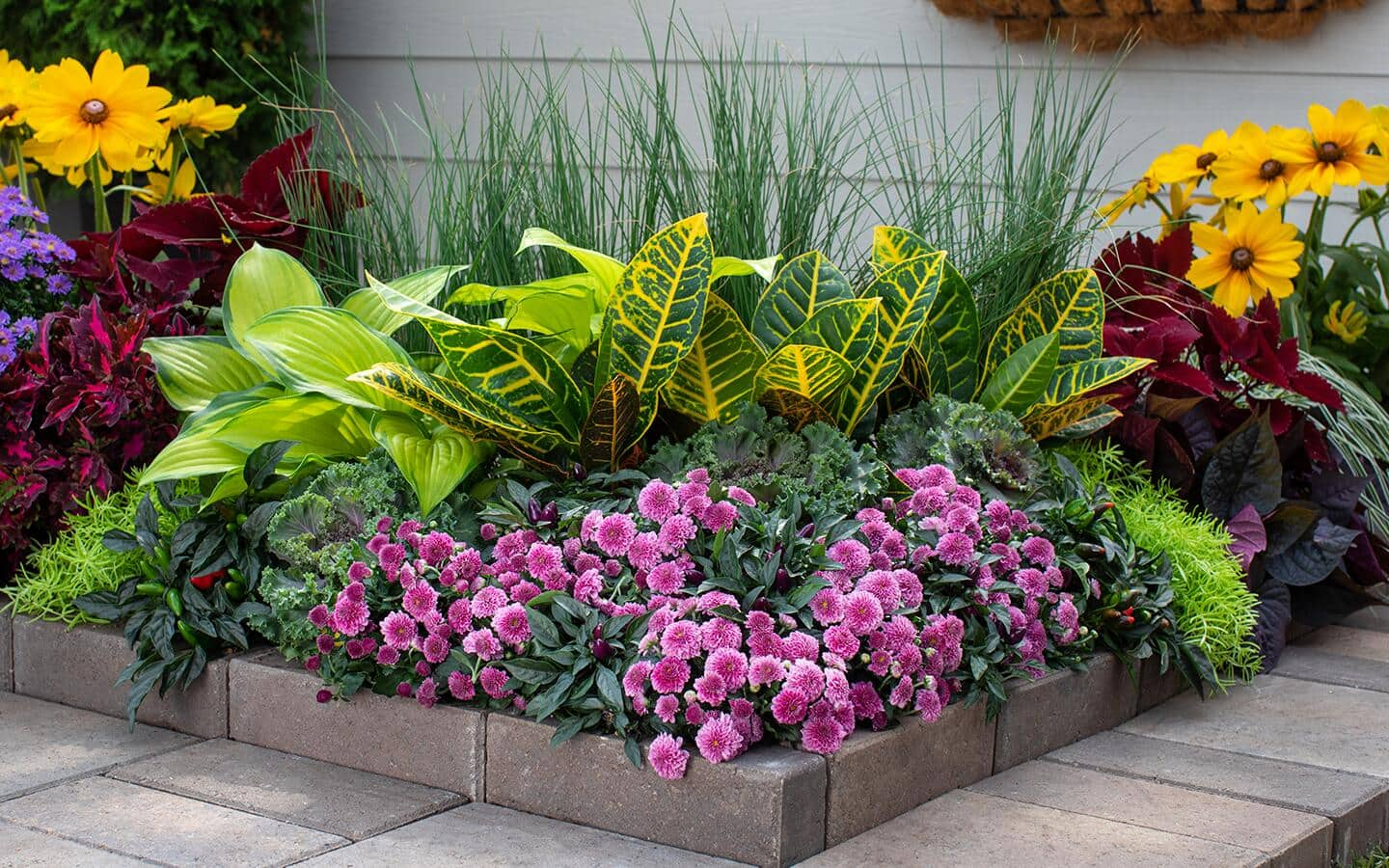
Designers often mix evergreens with seasonal blooming plants (e.g., pansies, cyclamen) that provide bursts of color without sacrificing overall green coverage.
Some installations incorporate deciduous vines or perennial flowers for spring and summer interest, while ensuring that structural evergreens maintain the visual backbone in winter.
For example, the Green Wall at the CaixaForum Madrid uses a tapestry of over 250 species, including both evergreens and deciduous plants, arranged to maximize year-round color and texture.
Native And Adapted Species
Using native plants increases resilience and reduces maintenance needs. Adapted species are chosen for their ability to withstand local climate fluctuations.
Native species also provide crucial habitat and food sources for local wildlife, supporting urban biodiversity. For instance, in New York City, vertical gardens often include native ferns, grasses, and wildflowers that attract pollinators and birds.
Biodiversity Benefits
A diverse palette not only ensures visual appeal but also supports:
- Pollinators like bees and butterflies
- Microfauna such as beneficial insects
Biodiverse plantings can also improve resilience against disease and pest outbreaks, as monocultures are more susceptible to widespread issues.
Example: Singapore’s Supertree Grove
At Gardens by the Bay, Singapore’s Supertree Grove features a mix of tropical and subtropical species, sustained by advanced environmental controls and irrigation. This installation remains green year-round, even in the region’s humid equatorial climate.
The Supertrees also incorporate epiphytic orchids, bromeliads, and ferns, demonstrating the value of layered biodiversity in vertical gardens.
Learn more at Gardens by the Bay.
Maintenance Strategies For Sustained Greenery
Even the best-designed hanging gardens require ongoing care to stay green throughout the year.
Routine Inspection And Pruning
Regular inspections identify pests, diseases, and nutrient deficiencies early. Pruning removes dead or damaged foliage, promoting healthy new growth.
Some maintenance teams use drones or scaffold systems to inspect and access tall vertical gardens safely. Routine checks are critical for spotting irrigation leaks, substrate compaction, or emerging pest problems before they escalate.
Fertilization And Soil Amendments
Periodic fertilizer application ensures plants get necessary macro- and micronutrients. Soil amendments (e.g., compost, organic matter) improve substrate vitality.
In advanced installations, soil sensors can detect nutrient levels, prompting targeted fertilizer application and preventing over-fertilization, which can harm both plants and the environment.
Pest And Disease Management
Integrated pest management (IPM) strategies include:
- Biological controls (e.g., ladybugs for aphids)
- Organic sprays
- Physical removal of affected leaves
Some installations employ beneficial nematodes or microbial inoculants to suppress soil-borne pathogens. Regular monitoring and targeted interventions minimize chemical use and support long-term ecosystem health.
Irrigation System Upkeep
Maintaining irrigation systems is critical. Leaks, clogs, or malfunctioning sensors can cause plant stress and browning.
Routine flushing of irrigation lines, cleaning emitters, and recalibrating sensors are standard practices for professional maintenance teams.
Case Study: One Central Park, Sydney
The hanging gardens at One Central Park in Sydney utilize professional horticulturists for weekly maintenance, including irrigation checks, pruning, and nutrient delivery. The system integrates remote monitoring, allowing immediate response to environmental changes or technical issues.
More details: Wikipedia: One Central Park.
The Role Of Architecture And Design
The architectural context of hanging gardens profoundly impacts their ability to stay green year-round.
Structural Support
Buildings must support the weight of plants, substrates, and water. Innovations include:
- Reinforced balconies and facades
- Modular planting systems
- Hydroponic panels
Engineering considerations extend to wind loading, drainage, and access for maintenance. For example, modular systems allow for damaged sections to be replaced or replanted with minimal disruption.
Strategic Placement
Positioning gardens where they receive optimal light and shelter from harsh weather is vital. Designers often:
- Orient gardens toward south-facing exposures in the Northern Hemisphere
- Use overhangs or awnings to protect from excessive rain or sun
In dense urban environments, architects may use light wells or reflective surfaces to increase light penetration, ensuring that even lower sections of a vertical garden receive adequate illumination.
Integration Of Green Infrastructure
Some projects combine hanging gardens with green roofs, living walls, and rainwater harvesting, creating synergistic ecological benefits.
Integration with greywater systems—using recycled water from sinks and showers—further enhances sustainability. In some cases, hanging gardens are part of a building’s stormwater management system, reducing runoff and mitigating flood risk.
| Design Element | Impact on Year-Round Greenery |
|---|---|
| South-facing placement | Maximizes sunlight, reduces winter dormancy |
| Modular hydroponics | Enables precise water and nutrient control |
| Insulated facades | Buffers temperature extremes |
| Rainwater harvesting | Ensures sustainable irrigation |
Example: Musée Du Quai Branly, Paris
The living wall at Paris’s Musée du Quai Branly, designed by botanist Patrick Blanc, demonstrates how architectural integration enables year-round greenery. Its modular panels and irrigation system keep more than 15,000 plants thriving in the city’s temperate climate.
The wall’s layered design allows for easy replacement of individual modules, ensuring consistent green coverage regardless of plant age or health.
See Wikipedia: Musée du Quai Branly.
Ecological And Urban Benefits Of Year-round Hanging Gardens
Beyond aesthetics, hanging gardens deliver substantial ecological and urban advantages.
Urban Heat Island Mitigation
Plants absorb sunlight and release moisture, cooling surrounding air and reducing urban heat island effects. Studies show that green façades can lower adjacent air temperatures by up to 5°F (2.8°C).
This cooling effect can reduce building energy consumption for air conditioning, contributing to lower carbon emissions and improved occupant comfort.
Air Quality Improvement
Hanging gardens filter pollutants and produce oxygen. Research from the University of Technology Sydney found that vertical plantings can reduce particulate matter by up to 60%.
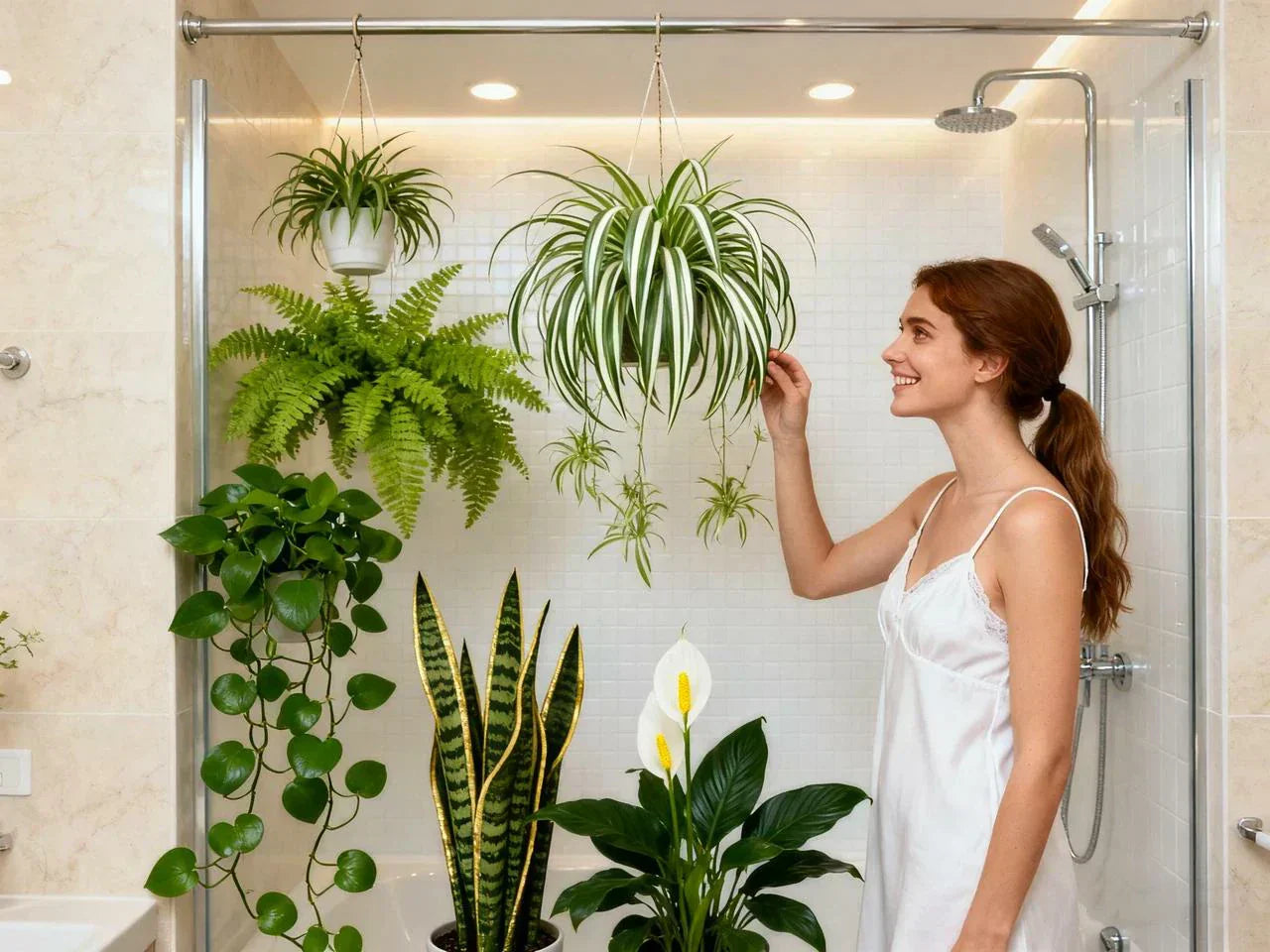
Some species, like Spathiphyllum and Chlorophytum comosum, are particularly effective at removing volatile organic compounds (VOCs) and nitrogen oxides from the air, improving both outdoor and indoor air quality.
Biodiversity Enhancement
Year-round greenery supports urban wildlife:
- Birds nest in dense foliage
- Insects find habitat among diverse plantings
In cities with extensive hanging gardens, researchers have documented increases in local bird and butterfly populations, contributing to urban ecosystem health and resilience.
Mental Health And Wellbeing
Exposure to greenery is linked to reduced stress, improved mood, and increased productivity. Hanging gardens bring these benefits into urban environments.
Studies published in the journal *Environmental Science & Technology* have shown that even brief exposure to green walls can lower blood pressure and cortisol levels in office workers and residents.
Example: The Edge, Amsterdam
The Edge, often cited as the world’s greenest building, incorporates hanging gardens and living walls that contribute to indoor air quality and occupant wellbeing.
The green installations are integrated with the building’s smart control systems, adjusting lighting and irrigation based on occupancy and environmental sensors.
Learn more at Bloomberg: The Edge.
Comparing Hanging Gardens To Traditional Landscapes
To understand the value and challenges of hanging gardens, it’s helpful to compare their performance with traditional ground-based gardens.
| Aspect | Hanging Gardens | Traditional Gardens |
|---|---|---|
| Year-Round Greenery | High (with proper design) | Variable (depends on climate) |
| Space Efficiency | Excellent (uses vertical space) | Poor (requires ground area) |
| Maintenance Complexity | High (specialized systems) | Moderate |
| Urban Impact | Strong (heat, air, aesthetics) | Moderate |
| Biodiversity Support | High (with diverse plantings) | High |
In addition, hanging gardens can be installed on retrofitted buildings, bridges, and walls where traditional landscaping is impossible. However, the cost and technical complexity are generally higher, often requiring ongoing professional care and investment in infrastructure.
Real-world Examples And Short Case Studies
Concrete examples demonstrate the practical success of year-round green hanging gardens.
Bosco Verticale, Milan
- Scale: Two residential towers with 20,000 plants
- Strategy: Automated irrigation, engineered substrates, microclimate design
- Impact: Year-round greenery, biodiversity, improved air quality
Bosco Verticale’s success has inspired similar projects worldwide, proving the viability of large-scale vertical forests in both temperate and continental climates.
One Central Park, Sydney
- Scale: 30,000 plants integrated into building façade
- Strategy: Professional maintenance, irrigation technology, native species
- Impact: Reduced urban heat, constant greenery, habitat for birds
The project’s integration of native Australian species has been particularly effective for supporting local pollinators and urban wildlife.
Musée Du Quai Branly, Paris
- Scale: Living wall with 15,000 plants
- Strategy: Modular hydroponics, architectural protection, mixed species
- Impact: Perpetual green surface, educational value, urban cooling
This living wall serves as a model for museums and public buildings seeking to combine art, science, and sustainability.
Singapore’s Supertree Grove
- Scale: 18 supertrees, each up to 160 feet tall
- Strategy: Climate-adapted plants, advanced environmental controls
- Impact: Iconic year-round green, tourism, ecological education
The Supertree Grove is a global showcase of how advanced horticulture and design can create thriving, sustainable urban ecosystems.
Frequently Asked Questions
How Do Hanging Gardens Stay Green During Winter?
Hanging gardens use evergreen plant species, advanced irrigation systems, and environmental controls such as artificial lighting and temperature regulation to maintain foliage during winter. Architectural features like insulation and shelter also protect plants from frost.
Many systems employ anti-frost heating cables or thermal blankets for particularly sensitive installations, ensuring roots and lower stems avoid cold damage.
What Types Of Plants Are Best For Year-round Hanging Gardens?
The most effective species are evergreens such as ferns, ivy, succulents, and conifers. Designers also use native and climate-adapted plants for resilience. Some installations add seasonal bloomers for color while maintaining overall green coverage.
Epiphytes, such as orchids and bromeliads, are also favored for their minimal soil requirements and adaptability to vertical environments.
Are Hanging Gardens More Difficult To Maintain Than Traditional Gardens?
Yes, hanging gardens require specialized maintenance, including regular inspection, pruning, irrigation system upkeep, and nutrient management. However, with proper design and professional care, they can thrive and provide consistent greenery.
Some installations are designed for low-maintenance operation by incorporating drought-tolerant plants and automated systems, but the complexity remains higher than standard landscaping.
How Do Hanging Gardens Contribute To Urban Sustainability?
Hanging gardens reduce urban heat, improve air quality, support biodiversity, and enhance mental wellbeing. They utilize space efficiently and often incorporate sustainable practices like rainwater harvesting and recycled materials.
They also serve as educational tools, showcasing sustainable design and the importance of green infrastructure in urban planning.
Can Hanging Gardens Survive In Extreme Climates?
With careful species selection, engineered substrates, and environmental controls, hanging gardens can thrive in a range of climates—from temperate to subtropical. Innovations like microclimate creation and artificial lighting extend their viability even in challenging environments.
For example, vertical gardens in Dubai’s hot, arid climate use advanced cooling and shading strategies, while those in Scandinavian countries employ heating and insulated panels to ensure winter survival.
Year-round green hanging gardens are a testament to the synergy of botanical science, architectural design, and ongoing stewardship. By harnessing evergreens, advanced irrigation and substrate technologies, environmental controls, and strategic maintenance, these living installations transform urban spaces—offering beauty, ecological benefits, and a glimpse of nature’s resilience in the heart of the city.
As cities strive for sustainability and innovation, the lessons from successful hanging gardens point the way toward greener, healthier, and more vibrant urban futures. For more on this, see our guide on Planting .