How Many Pepper Plants Fit in a Small Garden? Chart
A small garden may fit about 4 to 9 pepper plants in a 4×4 bed and about 6 to 12 in a 4×8 bed, with fewer plants if you use wider spacing for larger peppers. Pack peppers too tightly, and the leaves shade each other, slow drying after rain, and reduce fruit count. This guide turns pepper spacing into plant counts for beds, patio pots, and compact varieties.
This guide is part of our Planting quantity guide series.
What you’ll need before you plant


- Tape measure or marked string
- Bed dimensions or row length
- Pepper variety name and mature size
- Stakes, tomato cages, or a trellis if you plan to support plants
- Paper or a phone note for counting squares and rows
How many pepper plants can I fit in a small garden?
Most small gardens hold 4 to 12 pepper plants once spacing, plant size, and access are counted honestly. A 4×4 bed can fit 4 to 16 plants depending on whether you use a wider layout or the one plant per square foot rule. Full-size bells usually pull that number down.
Quick answer by spacing and bed size
If space is tight, start with one plant per square foot for compact types and back off for larger fruiting peppers. In a 4×4 bed, that means 16 plants at the tightest grid, but 4 to 9 plants is the more practical range for most home gardeners who still want room to water, harvest, and move leaves around.
When one square foot per plant is enough
The standard square-foot rule is one plant per square foot. I use it for compact peppers in raised beds with strong sun and a stake or cage. It gets cramped fast with larger-fruited types, because mature canopies spill into neighboring squares and cut down airflow.
When you need to back off to 18 or 24 inches
Most pepper varieties need a foot and a half to two feet from each other. That spacing is safer for bell peppers, humid gardens, and plants that will sprawl without stakes. The wider end protects yield when the bed sits in still air or gets watered overhead.
How far apart should pepper plants be planted?
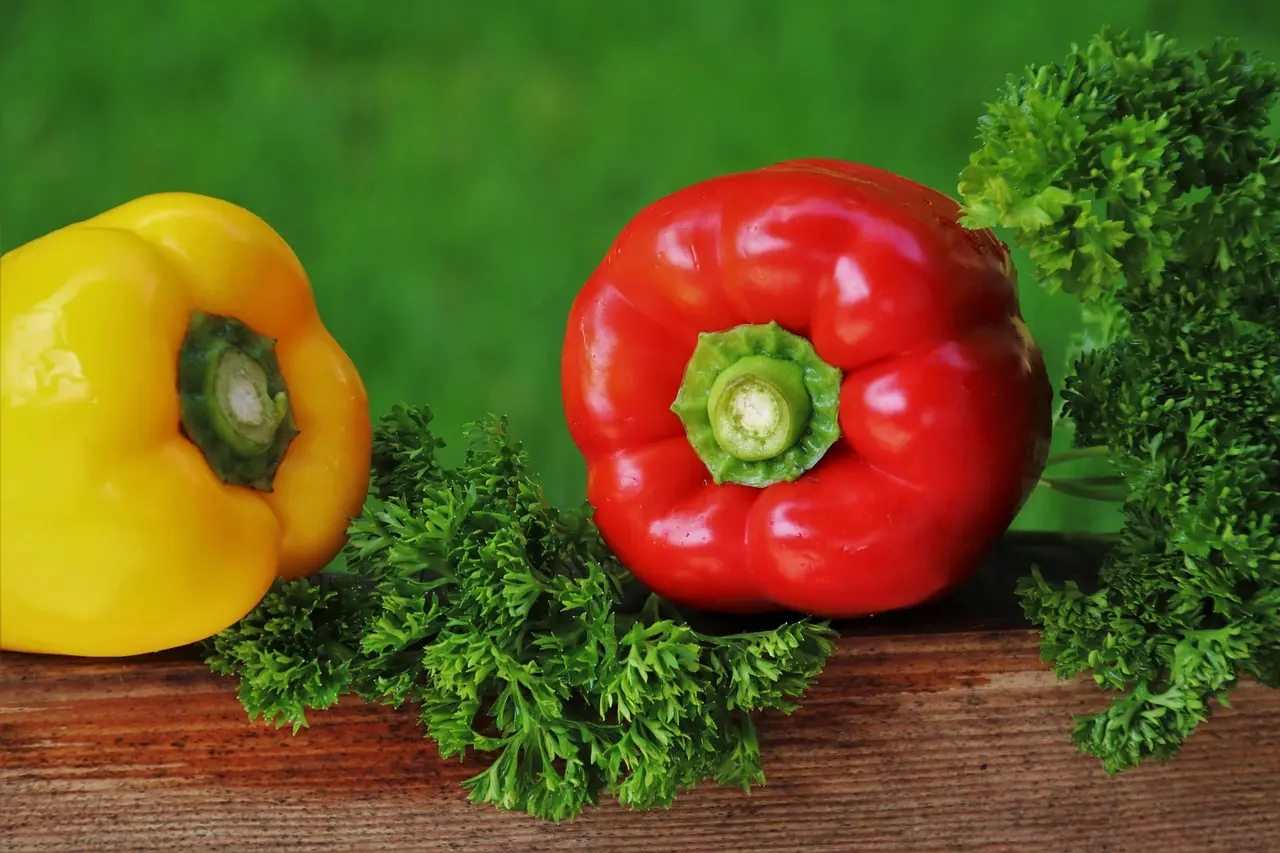
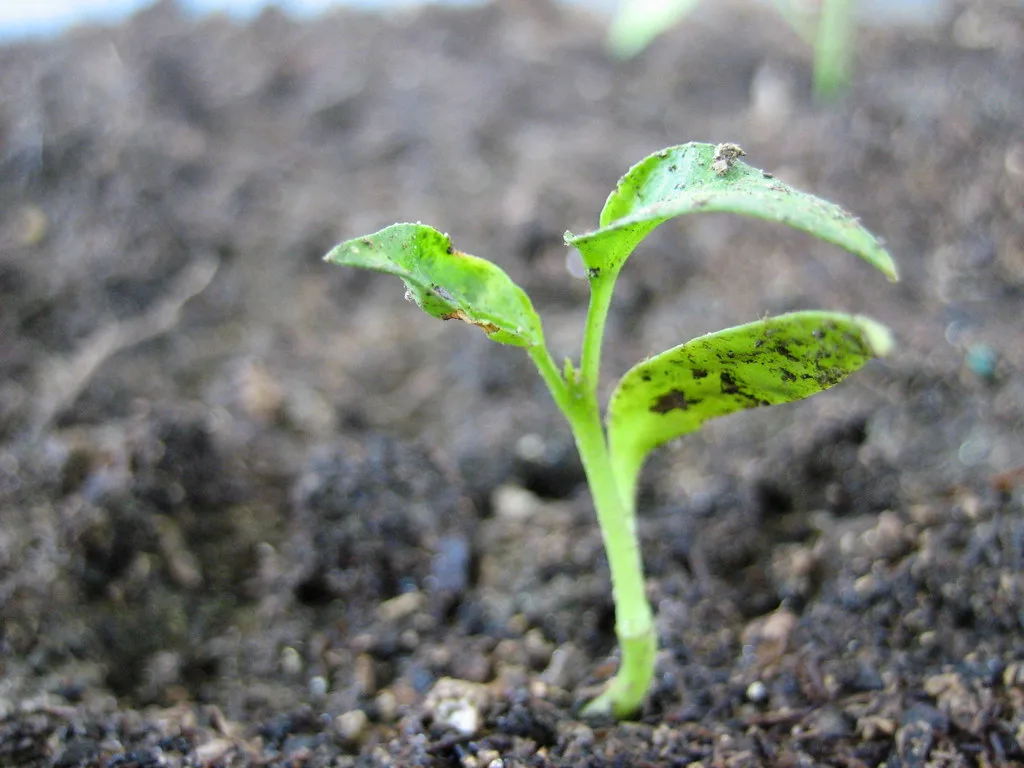
A practical spacing range for peppers is about 12 to 24 inches, with many home gardens landing somewhere around 18 inches apart. That range fits both seeds and young transplants. Bigger peppers need more room, while smaller types can sit closer without crowding the bed as quickly.
Typical spacing range for peppers
In rows, pepper plants should be spaced a foot and a half to two feet apart. Row spacing should be two to three feet apart. In-ground rows should have 18 to 24 inches between plants if not using a grid. That leaves space for harvest access and moving a watering can through the bed.
Bell peppers vs compact peppers
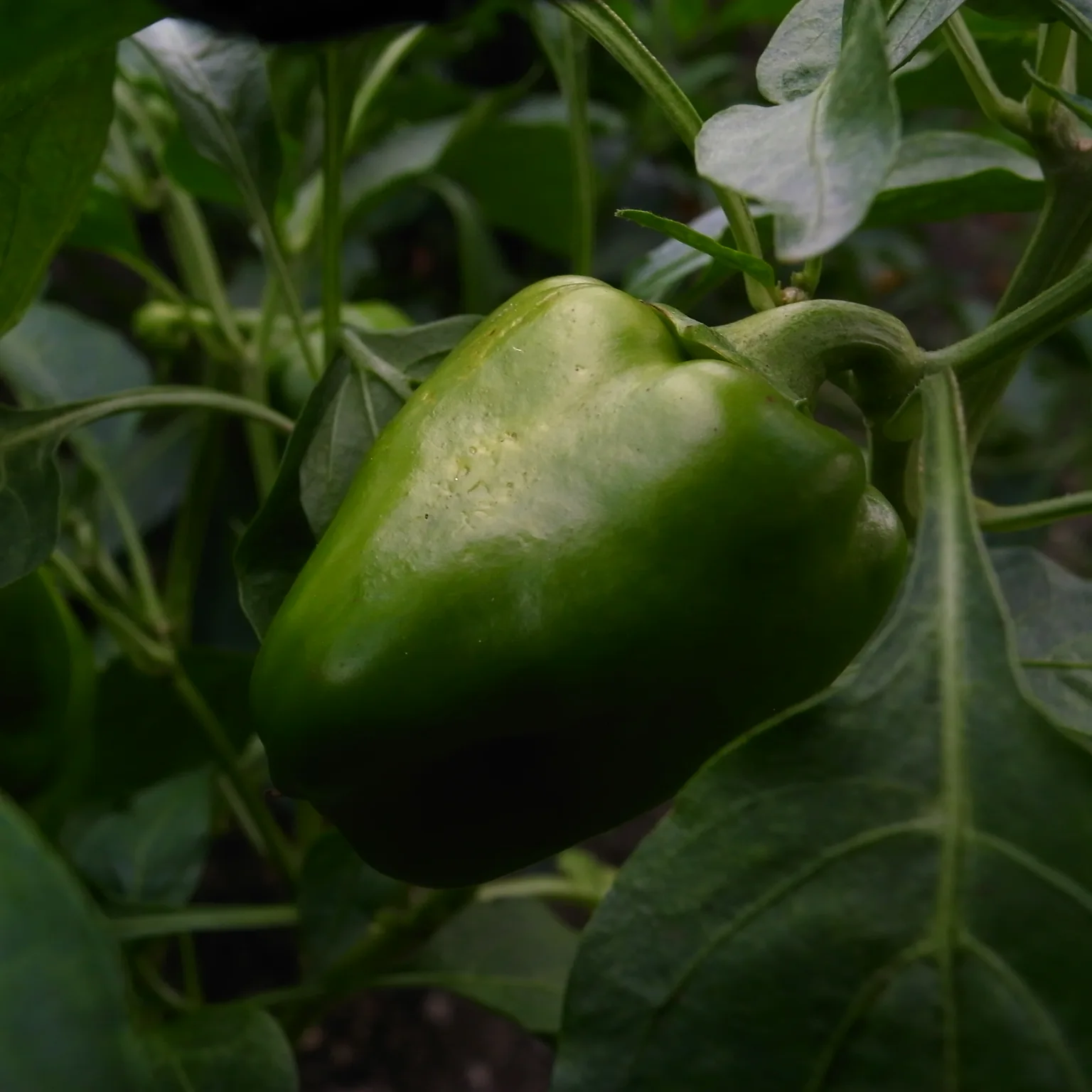
Bell peppers are larger-fruited types and usually need more room than compact peppers. Smaller varieties like Santaka may need less space. If the goal is more plants in the same footprint, compact cultivars are the better fit. If the goal is bigger individual plants and steadier airflow, give bells the wider end of the range.
Row spacing and in-row spacing in small beds
Rows work well when a bed is too narrow for a square grid. Keep the walk path outside the row, then leave enough in-row spacing that leaves do not overlap early. If plants are staked upright, the row can stay narrow without turning into a thicket.
How many pepper plants fit in a 4×4 bed?
A 4×4 raised bed can hold 16 pepper plants under the square-foot rule, but most small gardens do better with fewer. A realistic count is 4 to 9 plants for standard varieties at 18 to 24 inches, or up to 16 only with compact plants and careful support. Edge access changes the usable count.
Layout options for a 4-foot-wide raised bed
A 4-foot-wide bed is easy to reach from both sides, which helps with pruning, staking, and picking. That width supports two rows comfortably, or a grid of four one-foot squares across. If the bed is against a wall or fence, leave the back row looser so plants do not lean into shade.
Best plant counts at 12, 18, and 24 inches
At 12 inches, a 4×4 bed can fit 16 plants, but that is tight for most peppers. At around 18 inches, expect roughly 4 to 9 plants depending on layout. At around 24 inches, the bed may hold about 4 plants in a very open pattern or around 8 if the corners and paths are used efficiently.
Where access paths and edge spacing change the count
Do not count the whole bed as plantable if hands need to reach the middle. Leave a little breathing room on edges and corners, especially for bell peppers and humid climates. That keeps leaves dry after rain and makes it easier to spot aphids, leaf spots, and broken stems early.
How to turn bed size into a plant count
Measure usable space, convert spacing into a grid, then round down. That method gives a truer count than guessing from the bed label alone. It also makes mixed beds easier to plan when peppers share space with basil, onions, lettuce, or short-duration crops.
- Measure only the space plants can actually use.
- Choose your spacing: 12, 18, or 24 inches.
- Convert the bed into squares or rows.
- Place tall peppers where support is easiest.
- Round down if leaves would touch too soon.
How to round the math
If the count falls between two numbers, choose the lower one unless you are planting a compact variety in a dry, breezy spot. A bed that is technically able to hold more plants is not always a bed that can keep them healthy through summer heat and humidity.
Can I grow pepper plants one per square foot?
Yes, one pepper per square foot is a common rule of thumb, and it works best for compact plants with good sun and support. It is often too tight for bells, very vigorous plants, or damp climates. If the canopy gets wide early, move to 18 inches.
When square-foot planting fits
Square-foot planting fits best in raised beds where every square is easy to water and inspect. It also helps when the goal is variety count, not maximum size. Compact ornamental peppers can even be planted at two per square foot, though that is for very small plants rather than broad-canopy garden types.
When square-foot planting is too tight
It is too tight when leaves overlap before flowering finishes. Crowded peppers in my beds compete for light, and wet leaves stay damp longer. If the bed has poor air movement, the tighter grid raises disease risk and often costs more fruit than the extra plant would have produced.
Can I plant two pepper plants together?
Two pepper plants can share space only when both are compact, staked, and kept trimmed for airflow. In most beds, planting two together creates root and canopy competition that lowers yield per plant. A better tactic is to leave one square open for a quick crop between pepper starts.
When two plants make sense
Two plants in one spot can work in short-season beds, very small containers, or mixed plantings where one pepper is temporary. The tradeoff is that each plant gets less light and less drying air around the leaves. That matters more in humid weather than in dry, breezy gardens.
How support changes the footprint
Support structures can include a tomato cage, stake, or trellis. These keep plants upright, stop stems from flopping into paths, and can narrow the footprint a little. They do not remove spacing needs, but they do make a tighter bed easier to manage.
Do bell peppers need more space than hot peppers?
Yes. Bell peppers usually need more room than compact hot peppers because they build larger canopies and carry heavier fruit. Hot peppers often stay smaller and can sit closer together, especially compact types. The safest shortcut is to give bells the wider spacing and reserve tighter spots for smaller-fruited peppers.
Large-fruited types
Bell peppers should usually be treated as the wider-spacing crop in a mixed bed. The fruit weight pulls branches outward, so support matters more. Leave enough room to tie stems without crushing nearby leaves or blocking the path through the bed.
Compact peppers for tight beds
Compact pepper varieties are the best fit for small gardens, containers, and mixed beds. They take less room, tolerate tighter spacing better, and are easier to tuck between herbs or fast crops. That does not make them crowd-proof, but it gives more planning room.
Should compact pepper varieties be spaced differently?
Yes. Compact varieties can be planted more tightly than standard peppers because their mature size is smaller. They still need airflow and sun, but they tolerate dense layouts better than large-fruited types. That makes them a strong choice for patio gardens, narrow raised beds, and container-heavy spaces.
Climate and humidity adjustments
In damp or humid climates, give peppers extra breathing room. Tight spacing trades away drying air, and that trade often costs fruit quality later. In hot, dry areas, compact peppers can usually handle the lower end of the spacing range if the soil stays evenly moist and the plants are supported.
Replacing empty space with short crops
Empty space around young peppers does not have to stay empty. Short-duration crops such as lettuce or radishes can fill gaps early, then come out before pepper canopies close. That keeps the bed productive without forcing peppers to grow shoulder to shoulder.
How many pepper plants fit in rows?
Row planting usually fits pepper plants at 18 to 24 inches apart in the row, with rows 2 to 3 feet apart. The total count depends on row length, but the system is useful in narrow plots where a square grid wastes access space. It is also easier to stake in straight lines.
Rows in small in-ground plots
For a short in-ground strip, count plants by dividing row length by the in-row spacing, then leave the row far enough from the next one to reach in. If the bed is only a few feet wide, two pepper rows are often enough. More than that can make harvesting awkward.
Why row spacing matters
Row spacing is about more than walk space. It also affects light and airflow. A cramped pair of rows can shade the lower leaves, hold humidity after rain, and make late-season cleanup harder. Wider row spacing usually pays off in cleaner foliage and easier picking.
Small-garden pepper fit table
| Layout | Spacing used | Estimated plant count | Best fit |
|---|---|---|---|
| 4×4 bed | 12 inches | 16 plants | Compact peppers only |
| 4×4 bed | 18 inches | 4 to 9 plants | Mixed home gardens |
| 4×4 bed | 24 inches | 4 plants | Bells, humid sites, large-fruited types |
| 4×8 bed | 12 inches | 32 plants | Very tight compact layout |
| 4×8 bed | 18 inches | 8 to 12 plants | Practical small-garden count |
| 4×8 bed | 24 inches | 6 to 8 plants | Large-fruited peppers, better airflow |
| Square-foot grid | 1 plant per square foot | 1 plant per square foot | General rule for raised beds |
| Square-foot grid | 2 plants per square foot | 2 plants per square foot | Compact ornamental peppers |
Common mistakes
The biggest mistake is spacing peppers for the seed packet instead of the mature canopy. Another is treating bells and compact hot peppers the same. Crowd a bed, and you trade away airflow, dry foliage, and easy harvest access.
- Packing peppers tightly in humid weather
- Ignoring the wider canopy of bells
- Skipping stakes or cages for tall plants
- Using every inch of a bed and leaving no access space
- Forgetting that crowding can invite disease
If that didn’t work
Pull one or two plants and reset the spacing before the canopy closes. In a small bed, fewer healthy peppers usually beat more stressed ones. If the bed is already planted, prune lower leaves lightly and improve airflow around the stems.
Frequently asked questions
How many pepper plants can I fit in a small garden?
Most small gardens fit 4 to 12 pepper plants once mature spacing is counted honestly. A 4×4 bed can hold 4 to 16, but the lower end is more realistic for bells and wider-spaced plants. Compact peppers push the number higher without making the bed hard to work in.
How far apart should pepper plants be planted?
A good target is 12 to 24 inches, with 18 inches working well for many home gardens. Rows should sit 2 to 3 feet apart when possible. Wider spacing is safer for bells, humid sites, and plants that will not be staked.
Can I grow pepper plants one per square foot?
Yes, and that is a common square-foot rule. It fits compact peppers best. It is often too tight for bells or anything grown in damp conditions. If the canopy starts touching early, step up to 18 inches instead.
How many pepper plants fit in a 4×4 bed?
A 4×4 bed can fit 16 pepper plants under the square-foot rule, but most gardeners will do better with 4 to 9 plants at 18 to 24 inches. That leaves room for stakes, harvest access, and better airflow around the leaves.
Can I plant two pepper plants together?
Only when both are compact and the bed has strong airflow. In most gardens, two plants together compete for light and nutrients and become harder to manage. A better option is to keep one plant per square and use nearby open space for a short crop early in the season.
Do bell peppers need more space than hot peppers?
Yes. Bell peppers are larger-fruited and usually need more room than smaller hot peppers. Compact hot types can sit closer together, especially in raised beds with stakes or cages. Bells benefit from the wider end of the spacing range.
How many pepper plants fit in rows?
In rows, use 18 to 24 inches between plants and 2 to 3 feet between rows. The count depends on row length, but that spacing keeps harvest access workable and reduces crowding. Narrow beds usually hold two rows more comfortably than more than that.
Should compact pepper varieties be spaced differently?
Yes. Compact varieties can be spaced a little tighter than standard peppers because they mature smaller. They still need airflow and light. In small gardens, they are the best choice when the goal is more plants in less space without turning the bed into a tangle.