How Many Herb Plants Should You Grow for a Family of Four?
For a family of four, I would start with one plant each of basil, parsley, and cilantro, one mint plant in a pot, and a couple of plants each of rosemary, thyme, and chives. If fresh herbs hit the cutting board most days, I double the basil, parsley, and cilantro starts first. Plant too few and you end up buying limp bunches; plant too many and the bed fills up fast. This guide gives a household harvest planner that turns meal frequency and herb type into a plant count you can actually use.
How many herb plants does a family need?


The right number depends more on how often the household cooks than on household size alone. A family that cooks with fresh herbs twice a week needs a very different planting plan from one that uses basil, parsley, or cilantro in most meals. I use family size as the starting point, then adjust for cooking frequency and herb type.
Start with how often you cook at home
The calculator below assumes a household of three people cooking with fresh herbs three to four times a week. That is a middle ground, not a rule for every home. If a family cooks less often, plant fewer basil, parsley, and cilantro starts. If fresh herbs go into dinner most nights, increase the count.
Match plant count to how fast each herb gets used
Fast-use herbs need more plants because they disappear quickly from the kitchen. Basil is a soft annual with high demand in pesto and everyday cooking, and cilantro bolts to seed within 4 to 6 weeks, so both need repeated sowing or extra starts. Chives, rosemary, and thyme carry a household for longer with fewer plants.
Use family size as a starting point, not the only rule
A two-person household may still need more cilantro than a six-person household if it makes tacos and salads every week. Cooking style matters. Italian households tend to use basil and parsley heavily. Mediterranean cooking leans on rosemary, thyme, and chives. Thai and salad-heavy kitchens usually need more cilantro.
What changes the number of plants you need?
Cooking style, herb type, and water needs change the count. Soft annual herbs are used faster and replanted yearly. Perennials keep producing, but some spread or need isolation. A basil-heavy kitchen needs more starts than one that mostly uses rosemary and thyme in cooked dishes.
Cooking style: Italian, Mediterranean, Thai, or salad-heavy households
Italian cooking often leans on basil and parsley, which are both common beginner herbs. Mediterranean meals usually use rosemary, thyme, oregano, sage, and chives more often, with less demand for constant harvesting. Thai cooking and salad-heavy meals push cilantro to the front of the list, and that means more plants.
Fresh-use herbs versus dry-use herbs
Fresh-use herbs are the ones that disappear by the handful on the cutting board. Basil, parsley, and cilantro are the usual examples. Dry-use herbs, especially rosemary and thyme, are often used in smaller amounts and can be grown with fewer plants because a little goes a long way in cooking.
Soft annuals, perennials, and fast-bolting crops
Basil, cilantro, and parsley are soft annuals that need replanting each year. Rosemary, thyme, oregano, sage, chives, and mint are perennials in most climates. Cilantro is the outlier because it bolts fast, so it behaves like a short-cycle crop and should be planned as succession sowing, not a single planting.
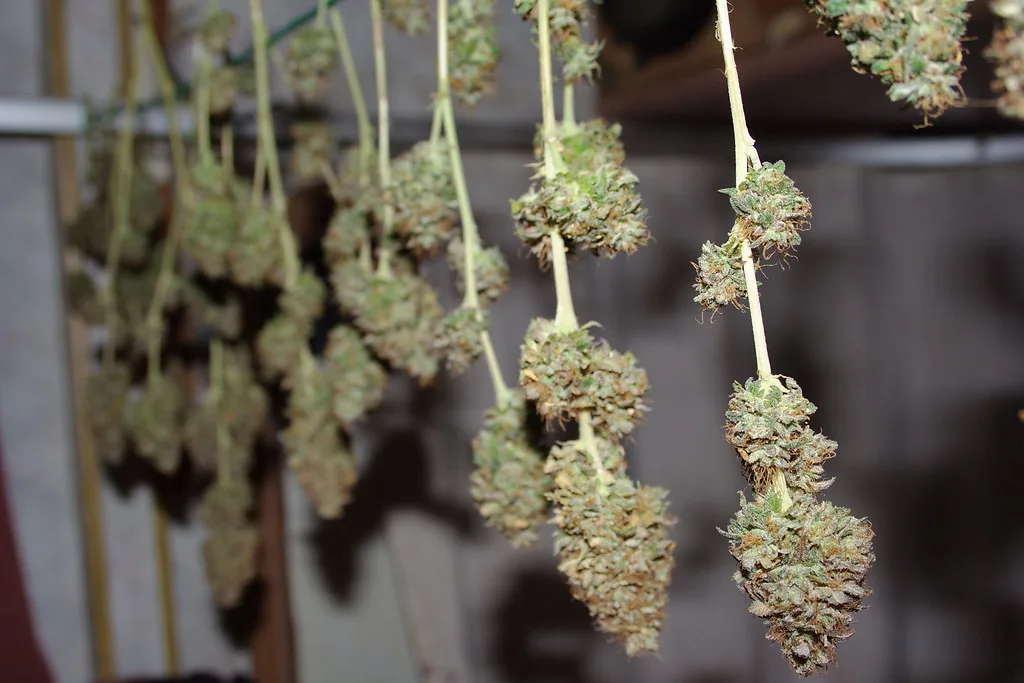
How many basil, parsley, cilantro, chives, mint, rosemary, and thyme plants should you grow?
For a home that cooks fresh meals several times a week, basil, parsley, and cilantro usually need the most starts. Chives, rosemary, and thyme can be planted in smaller numbers because they last longer. Mint should be treated separately in its own container, not mixed into the main herb bed.
Basil and parsley for frequent fresh picking
Basil should be pinched regularly to delay flowering and keep leaves coming. It also wants consistent moisture, so it belongs with the thirstier herbs. Parsley has a similar canopy footprint, about 8 inches, and also likes regular moisture. These two are easy to underestimate because one plant disappears faster than expected.
Cilantro for succession sowing
Cilantro bolts to seed within 4 to 6 weeks, so one planting rarely covers a full season. A family that cooks with cilantro often should plant more at once and sow again every couple of weeks. It prefers consistently moist soil, which helps slow stress, but it still needs repeated sowing.
Chives, mint, rosemary, and thyme for steady household use
Chives stay tight at about 6 inches across, so they fit almost anywhere. Mint can spread quickly and is usually best grown in its own container. Rosemary can exceed 12 inches in a single season and needs bright light indoors. Thyme stays compact and dries out between waterings.
Use this household herb calculator
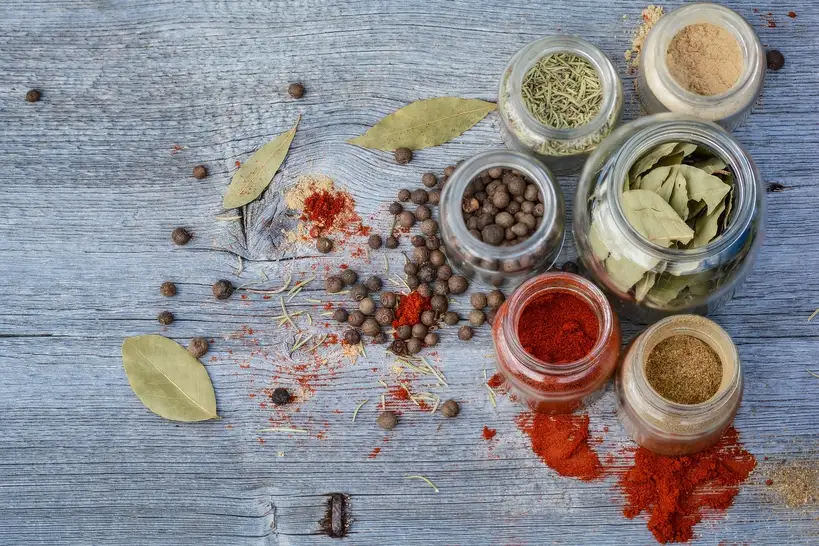
This table turns household size and cooking frequency into a practical start count. It is a planning tool, not a law. If your kitchen uses a lot of one herb, increase that herb first. If a plant type is slow to use or hard to keep trimmed, start on the lower end and expand later.
| Household size | Cooking frequency | Basil | Parsley | Cilantro | Chives | Mint | Rosemary | Thyme | Notes |
|---|---|---|---|---|---|---|---|---|---|
| 2 people | Occasional | 1 | 1 | 2 | 1 | 1 in pot | 1 | 1 | Cilantro needs succession planting; mint must stay isolated. |
| 2 people | Regular | 2 | 1 | 3 | 1 | 1 in pot | 1 | 1 | Add a second cilantro sowing in midseason. |
| 2 people | Daily | 2 | 2 | 4 | 2 | 1 in pot | 1 | 1 | Daily cooking favors more basil, parsley, and cilantro starts. |
| 4 people | Occasional | 1 | 1 | 3 | 1 | 1 in pot | 1 | 1 | Good for light fresh use with one cilantro resow. |
| 4 people | Regular | 2 | 2 | 4 | 2 | 1 in pot | 2 | 2 | This is the most balanced family plan. |
| 4 people | Daily | 3 | 2 | 5 | 2 | 1 in pot | 2 | 2 | Use repeated cilantro sowing and steady basil pinching. |
| 6 people | Occasional | 2 | 1 | 4 | 2 | 1 in pot | 2 | 2 | Large households still need only one mint plant. |
| 6 people | Regular | 3 | 2 | 6 | 2 | 1 in pot | 2 | 2 | Best for homes that use herbs in most dinners. |
| 6 people | Daily | 4 | 3 | 8 | 3 | 1 in pot | 3 | 3 | High-use kitchens need the most cilantro because it bolts fast. |
How much space do common herb plants need?
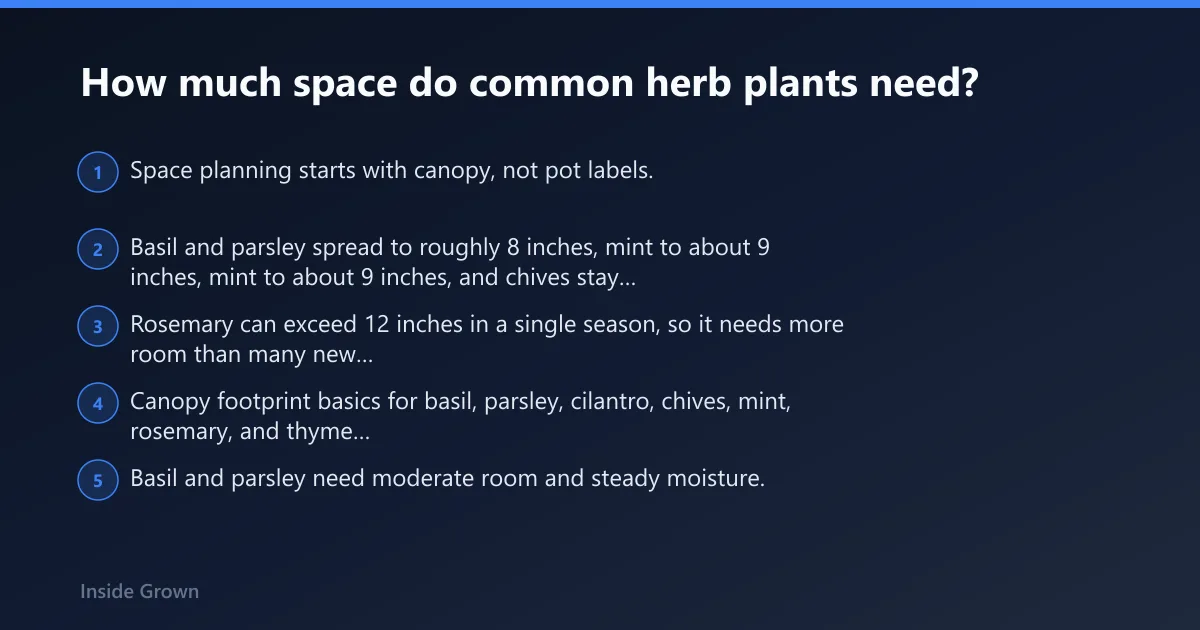
Space planning starts with canopy, not pot labels. Basil and parsley spread to roughly 8 inches, mint to about 9 inches, and chives stay tight at about 6 inches across. Rosemary can exceed 12 inches in a single season, so it needs more room than many new gardeners expect.
Canopy footprint basics for basil, parsley, cilantro, chives, mint, rosemary, and thyme
Chives are the easiest fit in a tight bed. Basil and parsley need moderate room and steady moisture. Mint needs space of its own because it spreads fast. Rosemary and thyme belong in the drier side of the plan, and rosemary often needs more room than the tag suggests once it starts to branch.
Raised bed planning with a 2 ft x 4 ft example
A six-herb everyday garden can fit in a single 2 ft x 4 ft raised bed. That bed works best when plants are grouped by water needs, not mixed at random. Put basil, cilantro, parsley, and mint on the moist side. Place rosemary, thyme, oregano, and sage on the drier side.
Container pot planning with 8 to 10 inch pots
A standard 8 to 10 inch herb pot supports about 0.6 square feet of canopy. That makes it a good fit for renters and small spaces, and it lets gardeners move plants to catch sun. It also helps separate mint from the rest of the herb collection.
Should you grow herbs in pots, raised beds, or both?
Containers make the most sense when space is tight, sunlight shifts, or mint needs isolation. Raised beds fit better when the household wants a fuller herb supply from spring through fall. Many kitchens do best with both: one bed for the main crop and a few movable pots for overflow.
When containers make the most sense
Use pots for renters, balconies, patios, and indoor herb shelves with bright light. Rosemary needs bright light indoors, and moving containers helps when one spot is too shady. Pots also make it easier to keep mint separated and to group basil, parsley, and cilantro where they stay evenly moist.
When a raised bed is the better fit
A raised bed works well when the household wants a larger harvest and enough room for several herbs with different growth habits. It is easier to split the bed into moisture zones and keep a few plants at their preferred spacing. A 2 ft x 4 ft bed can cover a lot of weekly cooking.
How to split thirsty herbs from dry-soil herbs
Group basil, cilantro, parsley, and mint together so watering is simple. Keep rosemary, thyme, oregano, and sage in the drier section and let the soil dry between waterings. This prevents one side of the bed from staying soggy while the other side struggles.
How do I decide how many herbs to grow based on cooking frequency?
Use this rule: occasional cooking needs a small starter set, regular cooking needs a balanced set, and daily cooking needs extra basil, parsley, and cilantro. The more often a family reaches for fresh herbs, the more the plan shifts toward fast-growing annuals and succession sowing.
Occasional cooking
If herbs appear once or twice a week, one plant each of basil, parsley, rosemary, and thyme is often enough for a small household. Add two or more cilantro starts if the family likes salsa, tacos, or salads. Keep mint in one container no matter how often it is used.
Regular cooking
When herbs are part of most dinners, a family of four often ends up wanting a few basil, parsley, and cilantro plants over time, along with some chives, one mint plant, and a couple each of rosemary and thyme. This level keeps the kitchen supplied without crowding the bed.
Daily cooking
Daily use favors higher counts for basil, parsley, and cilantro because those plants are consumed quickly. Add more cilantro sowings through the season, and keep basil pinched so it keeps producing leaves instead of flowers. Perennial herbs can stay at a lower count because each plant lasts longer.
Which herbs should be grown as perennials versus replanted each year?
Basil, cilantro, and parsley are soft annuals that need replanting each year. Rosemary, thyme, oregano, sage, chives, and mint are perennials in most climates, so they can return for several seasons. That difference matters because perennial herbs should not be overplanted just to fill space.
Soft annual herbs to replant
Basil, cilantro, and parsley are common beginner herbs because they are useful in many meals and easy to find at garden centers. They also need more planning. Basil wants regular pinching and steady moisture. Cilantro bolts quickly. Parsley lasts longer than cilantro but still belongs in the replanting group.
Perennials to keep in a permanent spot
Rosemary, thyme, oregano, sage, chives, and mint are the long-term herbs. Rosemary and thyme like to dry out between waterings, while chives and mint are more comfortable with regular moisture. Mint is the one that needs physical limits, not just a watering plan.
Frequently asked questions
How many herb plants do I need for a family of 4?
For a family of four, a practical starting point is 1 to 2 plants each of basil, parsley, rosemary, thyme, and chives, plus 1 mint plant in its own pot and 3 to 4 cilantro starts if the household uses it often. Increase basil and cilantro first if fresh herbs are used most days.
How many basil plants should a family grow?
Most families should start with 1 basil plant for occasional use, 2 for regular cooking, and 3 or more if pesto, pasta, and salads appear often. Basil is a soft annual, spreads to roughly 8 inches, and needs consistent moisture plus regular pinching to keep leaves coming.
How many herb plants fit in a raised bed?
A 2 ft x 4 ft raised bed can fit a six-herb everyday garden when the plants are chosen for compatible water needs and canopy size. That usually means a mix of basil, parsley, cilantro, chives, rosemary, thyme, and one isolated mint plant nearby rather than inside the same bed.
How many herbs should I plant in pots for my kitchen?
For kitchen pots, start with a small group of plants; basil, parsley, chives, and thyme are good basics, and mint is best kept alone in its own container. An 8 to 10 inch herb pot supports about 0.6 square feet of canopy, which makes it a sensible size for windowsills and counters with strong light.
Which herbs should be grown as perennials versus replanted each year?
Replant basil, cilantro, and parsley each year. Keep rosemary, thyme, oregano, sage, chives, and mint as perennials in most climates. That split helps prevent overbuying woody herbs and underbuying the fast annuals that disappear during the season.
How many cilantro plants do I need if I cook often?
If cilantro appears in meals several times a week, plan on more plants than you think you need. Cilantro bolts to seed within 4 to 6 weeks, so a family that cooks often should sow it in repeated rounds and keep a higher plant count than slower herbs like thyme or chives.