How Many Zucchini Plants Does One Household Need?
For a typical household, about 1 zucchini plant is enough for weekly fresh eating, 2 plants cover a family that wants regular surplus, and 3–4 plants suit heavy preserving or sharing. Too many plants means fruit you cannot use fast enough; too few means fewer harvests and missed preserving windows. This guide breaks down zucchini yield per plant by household size, eating pace, and whether you plan to eat fresh, freeze, or share.
Zucchini plant calculator
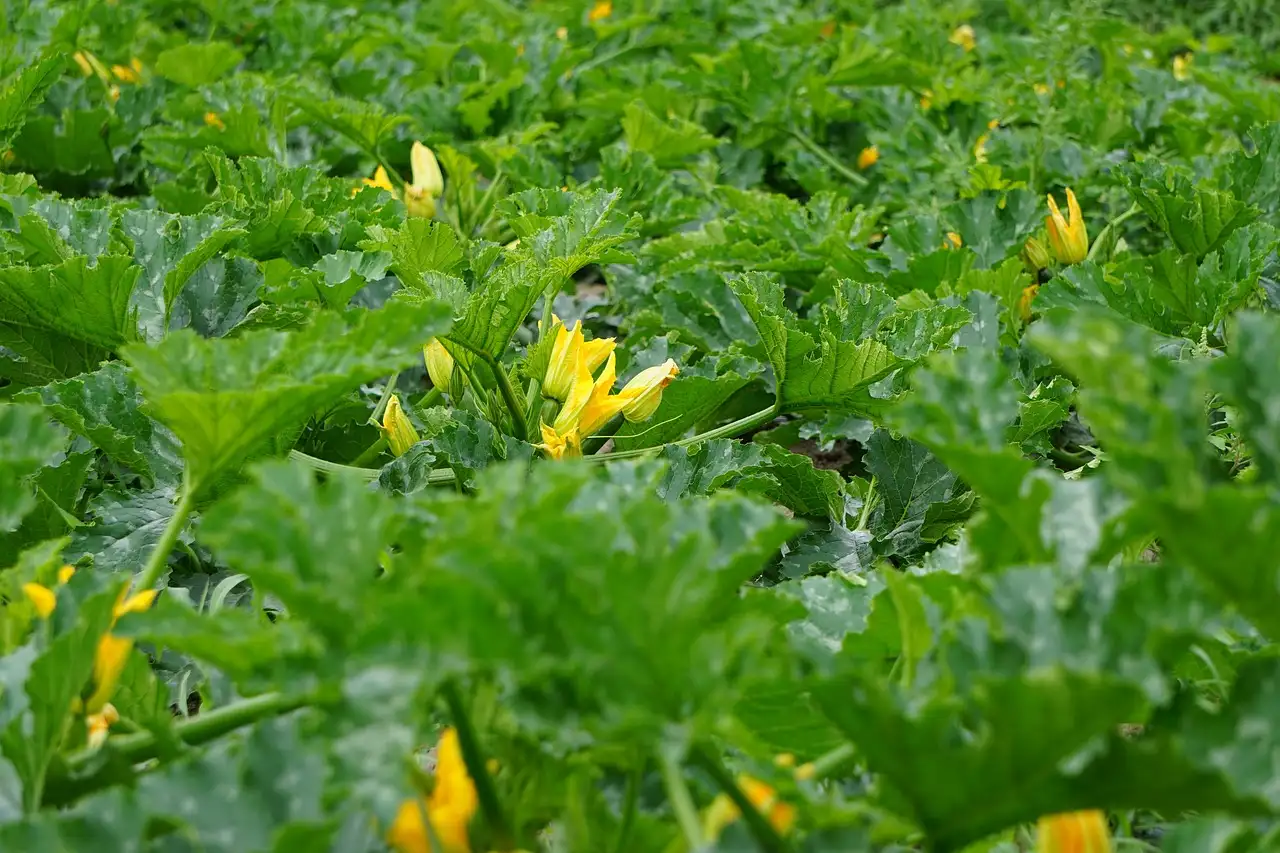


Use this as a planting calculator, not a hard rule. Most zucchini plants produce about 6 to 10 pounds per plant, and strong sun, fertile soil, steady moisture, and good pollination can push that higher. That range is enough to estimate how many plants one household actually needs, instead of guessing by bed space alone.
| Household size | Fresh eating only | Weekly cooking | Preserving or gifting |
|---|---|---|---|
| 1–2 people | 1 plant | 1–2 plants | 2–3 plants |
| 3–4 people | 1–2 plants | 2 plants | 3–4 plants |
| 5+ people | 2 plants | 2–3 plants | 4+ plants |
This table assumes average yield and a steady harvest window. If your site gets less sun, has thin soil, or dries out between waterings, move one step down. If your garden has full sun, fertile soil, consistent watering, and good pollination, move one step up.
Household size inputs
Family size matters less than eating pattern, but it still changes the plan. A household of four that treats zucchini as a side dish needs far fewer plants than a household of four that cooks it several times a week or freezes extra slices for later.
Fresh use versus preserving
Fresh eating uses zucchini at its best size and best texture. Preserving changes the math because you need enough fruit at the same time to blanch, shred, freeze, or pass along. If you want any meaningful preserving, add at least one plant beyond your fresh-use count.
Recommended plant counts by use pattern
Fresh eating households usually do best with 1 plant per 1–2 people. Weekly cooking households often need 2 plants for a family of four. Preserving or gifting households usually need 3–4 plants, because some fruit will be used at peak size and some will be lost to overripeness if harvests are delayed.
How many zucchini plants should you grow?
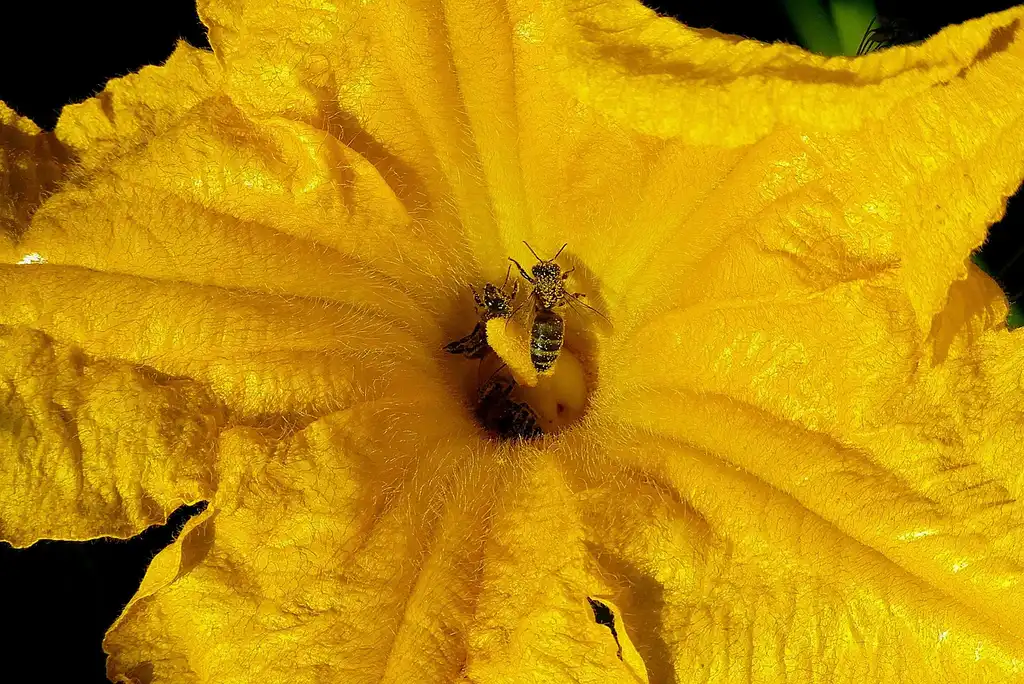
The simplest answer is this: grow 1 plant if you want a steady stream for the table, 2 plants if you want enough for regular cooking plus a little extra, and 3–4 plants if you plan to freeze, share, or keep up with heavy zucchini use. More than that can become hard to manage fast.
Fresh eating household
For fresh eating only, 1 plant is usually enough for a small household, and 2 plants is a safer choice if more than two people eat zucchini regularly. That level gives you enough harvest to pick fruits at the right size without being buried under a surge of produce.
Weekly cooking household
If you cook zucchini once a week or more, 2 plants is the most practical middle ground for many households. That amount usually gives enough fruit for sautés, roasting, and soups without forcing you to process large quantities every few days.
Preserving or gifting household
If you freeze shredded zucchini, make bread, or share with neighbors, plan for 3–4 plants. Zucchini can become oversized very quickly, so extra plants only make sense when you have a clear use for the surplus or a reliable way to move it out of the garden.
Say your household is two adults who eat zucchini in stir-fries and salads once a week. One plant may keep the kitchen supplied. Add a second plant only if you also want enough fruit for freezing or for sending home with guests.
How much zucchini does one plant produce?

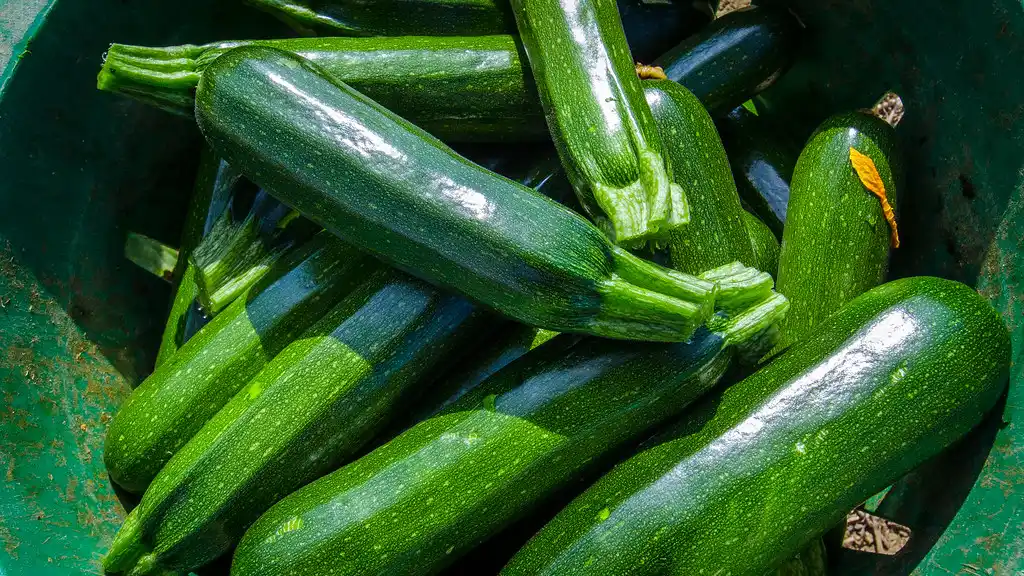
Most zucchini plants produce about 6 to 10 pounds per plant. That is enough for several meals, but the exact number of fruits can vary a lot because fruit size changes the math: smaller zucchini mean more fruits, while larger fruits mean fewer pounds may still look like a heavy harvest.
Typical yield range in pounds
The useful range for planning is 6 to 10 pounds per plant. Warm weather, full sun, rich soil, even watering, and active pollinators can raise it, while shade, poor fertility, uneven watering, and weak pollination can pull it lower. Treat the range as a planning tool, not a guarantee.
Fruit count versus total pounds
One plant may give many small fruits or fewer large ones. Since zucchini is a summer squash, the best eating quality comes from harvesting before fruit gets oversized. That means a plant that looks modest by fruit count can still produce plenty of food by weight.
Why yield changes from garden to garden
Yield varies with sun exposure, soil fertility, consistent watering, pollination quality, and space for plant spread. Zucchini plants need enough room for airflow and harvest access, and overcrowding can reduce productivity while making fruits harder to spot at the right size.
Picture a bed with two plants crowded into a narrow corner and watered irregularly. One plant may set fruit, then stall when heat rises and the soil dries out. A more open bed with regular watering can produce far more usable zucchini from the same number of plants.
How many zucchini plants should I grow for a family of four?
For a family of four, about 1 plant is enough for light fresh use, 2 plants fit a regular cooking household, and 3–4 plants make sense only if you preserve, share, or expect lower yields. The right number depends more on how often you eat zucchini than on household size alone.
Light zucchini eaters
If zucchini shows up only occasionally, 1 plant is usually enough. That gives enough fruit for a few meals without leaving the household with a pile of oversized squash that must be used immediately.
Regular cooks
For a family of four that cooks zucchini weekly, 2 plants is the most balanced choice. That usually covers several dinners and lets you pick smaller fruits often, which keeps quality up and prevents the crop from getting away from you.
High-use households
If your household uses zucchini often and wants extra for freezing or neighbors, 3–4 plants is the better range. That is also the safer choice in short-season or lower-yield gardens, where each plant may produce less than the average range.
How far apart should zucchini plants be spaced?
Give each zucchini plant enough room for spread, airflow, and easy harvest access. Crowding can reduce airflow around leaves, make it harder to find tender fruit, and increase the chance that a hidden zucchini grows oversized before you notice it.
Per-plant area needs
Plan for a wide planting footprint, not a tight row of seedlings. Zucchini sends out large leaves and needs space to sprawl, so the bed or row should allow the canopy to expand without covering neighboring plants.
Airflow and disease pressure
Better spacing helps leaves dry faster after rain or watering. That matters because dense, damp foliage is harder to inspect and harder to manage. Good airflow also makes it easier to find fruit early enough for the best harvest size.
Harvest access and bed planning
Leave room to step in, lift leaves, and cut fruit cleanly. If you cannot reach the plant without crushing stems, you will miss more harvests. That is one of the quickest ways to turn a productive plant into a source of overmature squash.
How to increase zucchini yield
The best way to increase zucchini yield is to give the plant the conditions it needs and harvest on time. More sun, better soil fertility, consistent watering, and good pollination all support higher production. So does frequent picking, because zucchini keeps producing when fruit is removed at the right size.
Sun and soil fertility
Choose a site with strong sun and fertile soil. Higher zucchini yields depend on adequate growing conditions, and shade or thin soil usually means fewer fruits and lower total pounds per plant. If one plant underperforms badly, the issue is often growing conditions rather than plant count.
Watering and pollination
Keep watering consistent so growth does not stall. Poor pollination can also limit fruit set, especially when weather is wet, cool, or windy. If fruit starts but fails to size up, check whether the plant is getting enough water and whether pollinators are active.
Harvest timing and succession planting
Pick zucchini before it gets too large. The best size is the one you will actually use well, not the largest fruit on the vine. In longer seasons, succession planting can stretch harvests, but in short-season regions, one or two well-spaced plantings may work better than adding more plants at once.
A common first-timer mistake is waiting for the “perfect big zucchini.” That usually means a fruit that is already too large for the best texture. Harvesting every few days keeps the plant producing and reduces the chance of finding one giant squash hiding under the leaves.
Frequently asked questions
How many zucchini plants does one household need?
Most households need 1 plant for fresh eating, 2 plants for regular weekly cooking, and 3–4 plants for preserving or sharing. The right number depends on how often you eat zucchini and how much surplus you are willing to manage before fruit gets oversized.
How many zucchini plants should I grow if I want to preserve some?
If preserving is part of the plan, start with 3 plants for a small household and 4 plants for a larger household or a household that shares produce often. That gives enough volume to freeze or gift without depending on a single brief harvest surge.
Can you grow too many zucchini plants?
Yes. Too many plants can create more fruit than one household can use, especially because zucchini can become oversized very quickly. Excess plants also need more water, more space, and more harvest time. If you are unsure, start with fewer plants and add later only if conditions are strong.