When to Plant Wildflower Seeds in Indiana: A Complete Guide
When to plant wildflower seeds in Indiana is crucial for a thriving and beautiful garden that supports local ecosystems. Understanding the optimal timing ensures your seeds receive the right conditions for germination, growth, and long-term survival, leading to a vibrant display of native blooms throughout the season. This guide will walk you through the best planting windows and considerations for Indiana’s unique climate.

Groundio
Groundio 25,000+ Wildflower Seeds Mix 1 Oz,…
- Freshest Wildflower Seeds: Our hummingbird and butterfly wildflower mix includes 24 beautiful annual, perennial and biennial plant…
- Attract Pollinators: These flowers will attract pollinators to the garden, such as many beautiful butterflies, bumblebees, bees, l…
- High Germination Rate: We meticulously test the germination rates of our seeds to ensure that a high proportion of the seeds you p…
As an Amazon Associate I earn from qualifying purchases.
In short, for Indiana, the best times to plant wildflower seeds are late fall for a winter sowing or early spring after the last frost. Fall planting allows seeds to stratulate naturally through winter cold, leading to earlier germination in spring. Spring planting requires more attention to watering but is also a viable option for a successful wildflower meadow.
Key Takeaways
- The ideal time for planting wildflower seeds in Indiana is typically late fall or very early spring.
- Fall sowing allows for natural stratification, leading to stronger spring germination for wildflower seeds in Indiana.
- Spring planting requires consistent moisture and can be done after the danger of hard frost has passed.
- Soil preparation is vital regardless of planting time for successful wildflower seed establishment.
- Choosing native Indiana wildflowers increases the likelihood of success and supports local biodiversity.
Understanding Indiana’s Climate for Wildflower Planting
Indiana experiences a temperate climate with distinct seasons. Winters can be cold with snow cover, while summers are warm and humid, often with periods of drought. Spring brings thawing temperatures and a good amount of rainfall, ideal for germination, but also the risk of late frosts.
Autumn offers cooler temperatures and moderate precipitation, making it a surprisingly good time for sowing.
These climatic variations directly influence when wildflower seeds will have the best chance of germinating and establishing a healthy root system before facing extreme weather conditions. The goal is to mimic natural processes as closely as possible, giving your chosen species the edge they need to thrive.
Understanding the typical frost dates for your specific region within Indiana is paramount. Southern Indiana generally experiences its last frost earlier than Northern Indiana. Consulting local extension office resources can provide precise frost date information, which is a critical factor for spring planting.
- Spring Planting Window: Typically from early March to late May.
- Fall Planting Window: Usually from October to December, before the ground freezes.
- Ideal Soil Temperature: Varies by species, but many native wildflowers prefer cooler soil for germination.
- Last Frost Date: Varies by region; consult local resources.
- First Frost Date: Varies by region; important for fall planting consideration.
Why Fall Planting (Winter Sowing) is Often Best
Fall planting, often referred to as winter sowing, is a highly effective method for many native wildflower species. The cold, moist conditions of winter naturally break seed dormancy through a process called stratification. Many native seeds require this period of cold exposure to trigger germination when spring arrives.
Sowing seeds in late fall means they lie dormant in the soil throughout winter. As temperatures begin to rise and the soil becomes moist in spring, the seeds are perfectly timed to germinate. This method mimics how wildflowers would naturally reseed themselves in a prairie or woodland environment.
By sowing in fall, you also reduce the amount of watering and immediate care needed compared to spring planting. The winter snow and spring rains provide consistent moisture, and the established root systems have more time to develop before the heat and potential dryness of summer set in.
| Fall Planting Benefits | Considerations |
|---|---|
| Natural stratification of seeds | Ground must not be frozen solid |
| Earlier and stronger spring germination | Reduced immediate watering needs |
| Less competition from established weeds | May require reseeding if winter is unusually harsh and dry |
It’s important to ensure the seeds are in contact with the soil. While a light frost is beneficial, sowing when the ground is completely frozen makes it difficult for the seeds to settle into place, which is crucial for good germination. Aim to sow just before the ground freezes hard for the best results.
Spring Planting: A Viable Alternative
If you miss the fall planting window or prefer a more hands-on approach, spring planting is certainly a viable option. The key to successful spring sowing is timing and consistent moisture. You’ll want to wait until the ground has thawed and the risk of a hard frost has passed.
Early spring planting (late March to April in much of Indiana) can still allow many species to establish themselves before the summer heat. However, this requires diligent watering, especially during dry spells, as young seedlings are vulnerable. The soil should be workable, not waterlogged or frozen.
Many gardeners find spring planting more predictable as they can directly observe the soil conditions and seedling emergence. It also allows for incorporating amendments or preparing the soil more thoroughly right before sowing. The main challenge is managing weed growth, which tends to be more aggressive in spring.
Preparing Your Indiana Soil for Wildflowers
Regardless of whether you plant in fall or spring, proper soil preparation is vital for wildflower success. Most native wildflowers prefer well-draining soil and generally do not thrive in overly rich, heavily fertilized garden beds. In fact, excessive fertility can lead to weak, leggy plants that are more susceptible to disease and pests.
Begin by clearing the area of existing vegetation. This can be done through manual removal, smothering with cardboard or black plastic for several weeks, or a less intensive method of shallow tilling. The goal is to remove competing grasses and weeds without overly disturbing the soil structure, which can bring dormant weed seeds to the surface.
For areas with heavy clay soil, incorporating coarse sand or compost can improve drainage. However, avoid amending the soil too much; native wildflowers are adapted to leaner conditions. Simply removing the existing sod and breaking up any compacted areas is often sufficient.
Raking the surface smooth after clearing will create a good seedbed.
- Clear the Area: Remove grass, weeds, and debris.
- Light Tilling (Optional): Loosen compacted soil to about 2-4 inches deep.
- Level the Bed: Rake the surface smooth for even seed distribution.
- Avoid Fertilizers: Native wildflowers generally prefer nutrient-poor soil.
- Ensure Drainage: Wildflowers will not tolerate waterlogged roots.
Choosing the Right Wildflowers for Indiana
When planting wildflower seeds in Indiana, it’s essential to select species that are native to the state. Native wildflowers are adapted to the local climate, soil conditions, and are crucial for supporting native pollinators like bees and butterflies, as well as other wildlife. Using non-native or invasive species can harm the local ecosystem.
Consider the growing conditions of your site: full sun, partial shade, moist areas, or dry slopes. Many beautiful Indiana wildflowers are available, catering to a wide range of preferences and site conditions. Purchasing seeds from reputable suppliers specializing in native plants ensures you get the correct species and high-quality seeds.
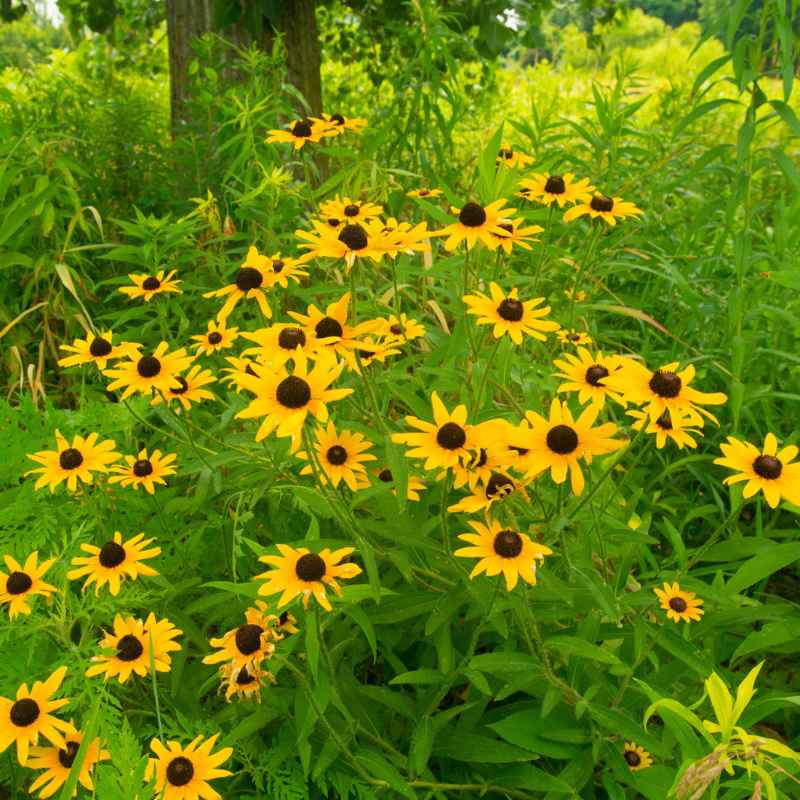
Some excellent choices for Indiana include Coneflowers (Echinacea purpurea), Black-Eyed Susans (Rudbeckia hirta), Bee Balm (Monarda spp.), Butterfly Milkweed (Asclepias tuberosa), Asters (Symphyotrichum spp.), and Goldenrods (Solidago spp.). These species are generally robust and offer long blooming periods.
| Popular Indiana Native Wildflowers | Sunlight Needs | Bloom Time | Support For |
|---|---|---|---|
| Purple Coneflower (Echinacea purpurea) | Full Sun | Summer | Pollinators, Finches |
| Black-Eyed Susan (Rudbeckia hirta) | Full Sun | Summer to Fall | Pollinators, Birds |
| Butterfly Milkweed (Asclepias tuberosa) | Full Sun | Early to Mid Summer | Monarch Butterflies, Pollinators |
| Wild Geranium (Geranium maculatum) | Partial to Full Shade | Spring | Early Pollinators |
When selecting a seed mix, look for blends specifically curated for Indiana or the Midwest region. These often contain a well-balanced mix of annuals, perennials, and biennials that will bloom at different times, providing continuous color and ecological benefits. The Xerces Society and local native plant societies are excellent resources for plant lists.
How to Sow Wildflower Seeds
Once your soil is prepared and you have your chosen wildflower seeds, the sowing process is relatively straightforward. The key is to ensure good seed-to-soil contact and even distribution.
For fall planting, the process is simple: broadcast the seeds over the prepared soil surface any time before the ground freezes hard. You can lightly rake the area or walk over it to ensure the seeds are pressed into the soil. No further action is needed; let nature take its course.
For spring planting, after preparing the soil and waiting for the last frost, you can sow the seeds. It’s often helpful to mix the small seeds with a carrier like dry sand or cornmeal. This makes them easier to see and allows for more even distribution, especially for tiny seeds.
Sow the mixture evenly across the prepared area.
- Mix with Carrier: Combine small seeds with sand or cornmeal for easier spreading.
- Broadcast Seeds: Scatter the seed mix evenly over the prepared soil.
- Ensure Seed-to-Soil Contact: Lightly rake or walk over the area to press seeds down.
- Avoid Burying Too Deep: Most wildflower seeds need light to germinate, so cover them very lightly or not at all.
- Water Gently: For spring sowing, water the area gently to moisten the soil without washing seeds away.
Maintenance and Long-Term Care
Wildflower meadows require less maintenance than traditional lawns or formal gardens, but they aren’t entirely “plant and forget.” Early care is crucial for establishment, and occasional management helps maintain their health and beauty.
In the first year, especially with spring planting, you’ll need to monitor for weeds. If aggressive weeds threaten to outcompete your wildflowers, carefully hand-pull them, being sure to distinguish them from emerging wildflower seedlings. Watering is essential during the first growing season, particularly during dry spells, until plants are well-established.
For established meadows, a common management practice is to cut them back once a year, typically in late winter or very early spring before new growth begins. This removes dead plant material, which can smother new growth and suppress wildflowers. The cut material can be left on the ground to decompose and add nutrients, or removed entirely depending on your preference and soil fertility.
- First Year: Water regularly during dry periods, hand-pull aggressive weeds.
- Established Meadows: Cut back dead growth annually in late winter/early spring.
- Avoid Mowing: Mowing too frequently can harm perennial wildflowers and prevent reseeding.
- Observe and Adapt: Learn which species thrive in your specific conditions and adjust your approach.
- Patience: Many perennials take 2-3 years to reach full bloom and maturity.
Common Mistakes to Avoid When Planting Wildflowers
Even with the best intentions, some common mistakes can hinder the success of your wildflower planting in Indiana. Being aware of these pitfalls can save you time and effort, leading to a more rewarding outcome.
One of the most frequent errors is planting at the wrong time of year. While both fall and spring have their merits, planting in the heat of summer or during a harsh freeze will almost certainly lead to failure. Understanding the temperature and moisture requirements of native seeds is key.
Another mistake is over-preparing the soil. Native wildflowers are adapted to less fertile conditions and can be negatively impacted by rich soil or excessive fertilizer, which encourages weed growth and weakens the wildflowers. Lastly, choosing non-native or invasive species is detrimental to the local ecosystem and can lead to a weed-infested garden.
| Common Wildflower Planting Mistakes | Why it’s a Problem | How to Fix It |
|---|---|---|
| Planting in mid-summer | Excessive heat and drought stress kill seedlings | Wait for fall or spring planting windows |
| Over-fertilizing the soil | Promotes weed growth, weakens wildflowers | Avoid fertilizers; native plants prefer leaner soil |
| Using non-native or invasive seeds | Harms local ecosystems, outcompetes natives | Only plant species native to Indiana |
| Burying seeds too deep | Seeds need light to germinate | Lightly rake or press seeds into soil; do not bury |
Another common error is expecting instant results. Wildflower meadows often take a year or two to fully establish and reach their peak bloom. Be patient and enjoy the process of watching your garden evolve, understanding that some species may not appear until their second year.
Frequently Asked Questions
When is the absolute latest I can plant wildflower seeds in Indiana in the fall?
The absolute latest you can plant wildflower seeds in Indiana in the fall is typically just before the ground freezes completely. This is usually in late November or early December, depending on your specific region within the state. The goal is to get the seeds into the soil so they can benefit from natural winter stratification without germinating too early.
What if I accidentally planted my wildflower seeds too late in the spring and there was a frost?
If you planted in early spring and experienced a late frost, don’t panic. Many native wildflower seeds have a good tolerance for cold. If the frost was light, the seeds may simply go dormant and germinate when conditions improve.
For more severe frosts, some seeds might be damaged, but others might survive. Monitor the area; you may need to supplement with more seeds if germination is poor.
How do I know if I’m buying seeds that are truly native to Indiana?
Look for reputable seed suppliers that specify the origin or region for their seeds. “Native to Indiana” or “Native to the Midwest” is a good indicator. Avoid generic “wildflower mixes” unless their components are clearly listed and verified as native.
Organizations like the Indiana Native Plant Society are excellent resources for finding trusted sources and plant lists.
Can I plant wildflower seeds in my existing lawn?
Yes, you can plant wildflower seeds in an existing lawn, but it requires some preparation. The most effective method is to first remove the grass using methods like sod removal, solarization, or extensive tilling. Simply broadcasting seeds onto an established lawn generally results in poor germination and establishment due to competition from the turfgrass.
You can also overseed into thin lawn areas in the fall or early spring.
How much water do wildflower seeds need after planting?
After planting, wildflower seeds need consistent moisture to germinate and establish. For spring planting, aim to keep the soil surface consistently moist but not waterlogged, especially during the first few weeks. Once plants are established, native wildflowers are generally drought-tolerant, but they will benefit from watering during prolonged dry spells, particularly in the first year.
Final Thoughts
Successfully planting wildflower seeds in Indiana hinges on timing, soil preparation, and choosing native species. Whether you opt for the natural stratification benefits of fall sowing or the direct control of spring planting, understanding your local climate and seed requirements is key. By following these guidelines, you can cultivate a beautiful, ecologically beneficial wildflower meadow that enhances your landscape for years to come.
Related pick: Check today's price on Amazon