Can You Plant A Perennial Garden Using Container Gardening?
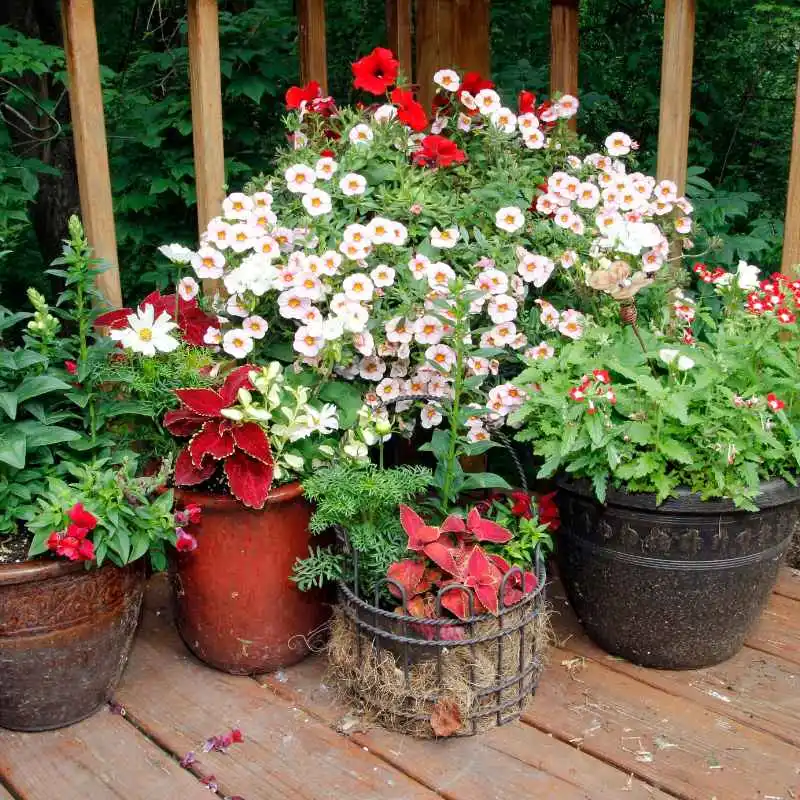
Yes, you can absolutely plant a perennial garden using container gardening. Many perennials thrive in pots with the right care. This method lets you enjoy continuous blooms and established plants without a large yard. It’s a flexible and rewarding way to garden.

Cool Springs Press
Essential Guide to Perennial Gardening: Techniques and…
As an Amazon Associate I earn from qualifying purchases.
For the broader gardening context, How To Plant Onions The Fine Gardening Magazine Way gives readers a useful next step on the same topic.
For the broader gardening context, How Knowing Plant Anatomy Can Seriously Improve Your Garden gives readers a useful next step on the same topic.

The Magic of Perennials in Pots
Perennial plants are amazing. They live for more than two years. Many can live for many, many years.
They grow back from their roots each spring. This means less work for you each year. You don’t have to replant them every season.
They often get bigger and better over time. Think of them as long-term garden friends. They bring a sense of permanence and maturity to a space.
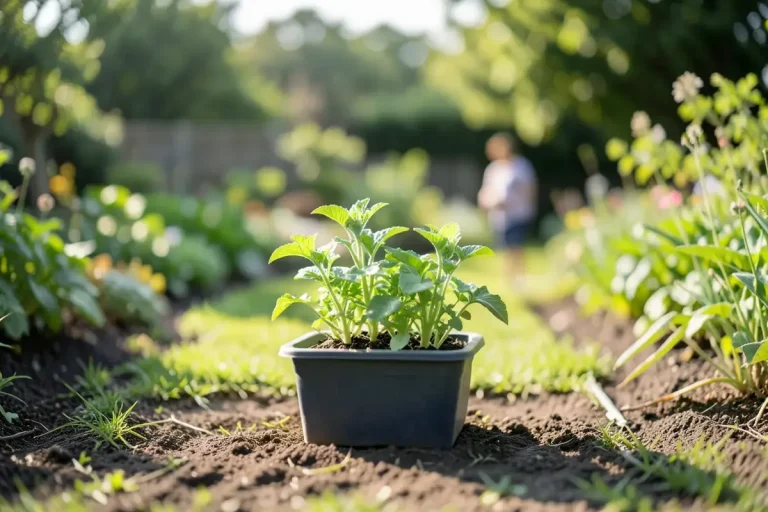
This is true even when they are in pots. Container gardening makes this possible for more people. It breaks down the barriers of space.
You can create a vibrant, ever-changing display. It’s like having a portable garden. You can move it around to catch the best sun.
Or bring it inside when it gets too cold. This flexibility is a huge perk for many gardeners.
The idea of a “garden” often brings to mind a patch of earth. But that’s not the only way to grow plants. Pots and containers are fantastic for many reasons.
They control the soil quality. You can give your plants exactly what they need. They also help with drainage.
This is super important for plant health. Poor drainage is a common garden killer. Containers also keep plants up off the ground.
This can help deter some pests. Plus, they add a decorative element. The pots themselves can be beautiful.
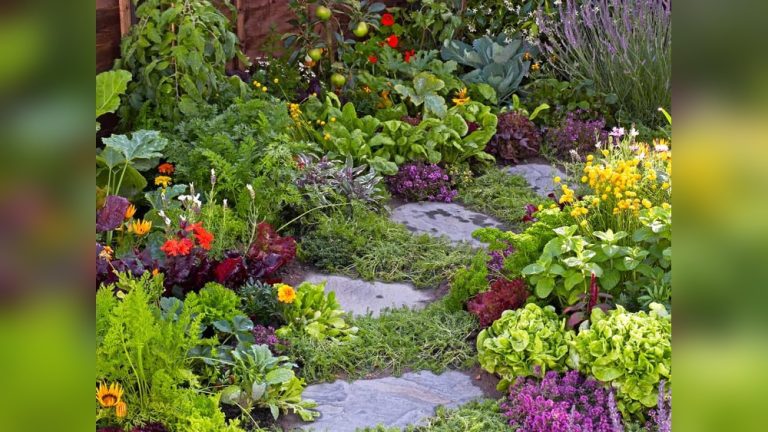
They can add color and texture to your living space. So, when we talk about perennial gardens in containers, we’re talking about bringing that long-lasting beauty home. We’re talking about year after year of flowers and foliage.
It’s about creating a sustainable, beautiful space, no matter how small.
My First Container Perennial Surprise
I remember one summer vividly. I had just moved into a tiny apartment. It had a small concrete balcony.
I was so sad about not having a yard. My usual gardening plans felt impossible. I had always loved my hostas and peonies.
I thought those days were over. But I saw some pots on a neighbor’s balcony. They were overflowing with flowers that looked like they’d been there forever.
I was intrigued. So, I bought a few simple pots. I got some potting mix.
I nervously picked out a few small perennial plants from the nursery. I chose a little lavender and a small echinacea. I really didn’t expect much.
I just hoped they wouldn’t die right away. I put them in the pots and watered them. Then, I waited.
Slowly, those little plants grew. They looked healthier than I imagined. The lavender bloomed with its lovely purple spikes.
The echinacea opened its cheerful pink flowers. They came back the next spring! It was a huge moment for me.
It showed me that a perennial garden wasn’t just for people with big yards. It was possible for me, right there on my small balcony. That experience opened my eyes to a whole new world of gardening.
Key Benefits of Container Perennials
Less Weeding: Potted plants have fewer weeds. This saves you time and effort.
Soil Control: You choose the perfect soil. This helps plants grow strong.
Drainage: Pots allow excess water to escape. This prevents root rot.
Mobility: Move plants to sunny or shady spots. Protect them from harsh weather.
Aesthetics: Pots add style to patios and balconies. They enhance your outdoor living space.
Choosing the Right Perennials for Pots
Not all perennials are created equal when it comes to containers. Some plants need a lot of space to spread. Others have very deep root systems that don’t do well in pots.
But many are perfectly happy. The key is to pick the right ones. Look for plants that are naturally smaller.
Or those that don’t mind being a bit crowded. You also want plants that have a strong root system. But not one that will break your pots.
Compact varieties are often best. Many popular perennials have been bred for smaller sizes. These are perfect for container gardening.
They offer the same beauty but in a more manageable package.
When you’re at the garden center, read the plant tags carefully. They often tell you about the plant’s mature size. Some tags will even say if a plant is good for containers.
If not, a quick online search can help. Look for plants that have a moderate growth habit. Avoid those that spread aggressively or get huge.
Think about the light conditions on your patio or balcony. Do you get full sun all day? Or is it mostly shade?
Match the plant’s needs to your available light. This is crucial for success. For example, plants that love sun will struggle in shade.
And vice-versa. Making smart choices upfront means happier plants later on. And less frustration for you.
Perennial Stars for Containers
Certain types of perennials are superstars in pots. They tend to be tough, beautiful, and adaptable. Here are a few examples that often do wonderfully:
- Hens and Chicks (Sempervivum): These succulents are incredibly hardy. They form small rosettes that multiply. They need very little water and love sun.
- Coneflower (Echinacea): Many varieties are not too large. They offer cheerful daisy-like flowers. They attract pollinators too.
- Salvia: Many salvias are compact. They have beautiful spikes of color. They are drought-tolerant once established.
- Daylilies (Hemerocallis): Look for smaller or reblooming varieties. They are very tough and come in many colors.
- Coral Bells (Heuchera): Grown more for their colorful foliage. They have delicate flower stalks. They prefer some shade.
- Hostas: Many smaller hosta varieties work well. They are perfect for shady spots. Their leaves add texture and color.
- Dwarf Lavender: Choose compact types. The scent is lovely and they attract bees. They need good drainage and sun.
- Creeping Thyme: This is a low-growing, spreading plant. It’s fragrant and its flowers are small but pretty. It likes sun.
- Astilbe: These offer feathery plumes of color. They thrive in shady, moist conditions.
- Ferns: Many ornamental ferns do great in pots. They add lush texture to shady areas.
This is just a starting point. There are many more options. The key is to research and choose plants that fit your space and care style.
Don’t be afraid to experiment a little. That’s part of the fun of gardening.
Quick-Scan: Perennial Type & Needs
| Plant Type | Sun Needs | Water Needs | Container Tip |
| Hens and Chicks | Full Sun | Low | Excellent drainage is vital. |
| Echinacea | Full Sun | Moderate | Choose compact varieties. |
| Heuchera | Partial Shade | Moderate | Avoid soggy soil. |
| Dwarf Lavender | Full Sun | Low | Needs good air circulation. |
| Astilbe | Shade | High | Keep soil consistently moist. |
The Importance of Pot Size and Type
When you’re planting perennials in containers, the pot itself matters. A lot. The wrong pot can lead to problems.
Or it can stunt your plant’s growth. Think about how much room a perennial needs. Its roots will grow.
They need space to expand. A pot that’s too small will quickly become root-bound. This means the roots have no more room to grow.
They circle around inside the pot. This restricts the plant’s ability to take up water and nutrients. It can lead to a weak, unhealthy plant.
It also means you’ll have to repot more often.
As a general rule, start with a pot that is at least 12 inches in diameter. For larger perennials, you’ll need even bigger pots. Some, like a larger hosta or a dwarf shrub, might need a pot that’s 18 to 24 inches wide.
It’s better to start a little bigger. It gives the plant room to grow into. Terracotta pots are popular.
They look nice and they breathe. This allows air to get to the roots. However, they can dry out faster.
Plastic pots retain moisture better. They are also lighter. Resin or composite pots offer a good balance.
They are durable and come in many styles. Whatever material you choose, make sure it has drainage holes. This is non-negotiable.
Without holes, water will sit at the bottom. This will drown your plant’s roots. Some pots have a single large hole.
Others have several smaller ones. Either works, as long as water can escape easily.
Potting Material Pros and Cons
Terracotta:
- Pros: Looks natural, allows roots to breathe, good for plants that dislike wet feet.
- Cons: Dries out quickly, can be heavy, might crack in freezing weather.
Plastic/Resin:
- Pros: Lightweight, retains moisture well, durable, often more affordable.
- Cons: Can overheat in direct sun, less breathable for roots.
Glazed Ceramic:
- Pros: Very decorative, wide variety of colors and styles.
- Cons: Can be heavy, may not have good drainage unless specified, can be expensive.
Wood:
- Pros: Natural look, good insulation for roots.
- Cons: Can rot over time, may require sealing, can be heavy.
The Right Soil Mix is Key
This is where many new container gardeners go wrong. They use garden soil. Or they use cheap potting mix.
This is a mistake. Garden soil is too dense for pots. It doesn’t drain well.
It can compact easily. This suffocates the plant’s roots. You need a special potting mix.
This mix is designed for containers. It’s light and airy. It has good drainage.
It also holds some moisture. Good quality potting mix usually contains ingredients like peat moss, perlite, or vermiculite. These help with aeration and drainage.
They also add some nutrients. Never use soil straight from your garden in pots. It’s just not designed for that.
It’s like trying to drink water from a brick.
When you buy potting mix, look for a reputable brand. Read the label. It should clearly state that it’s for containers.
Some mixes are specifically for certain types of plants, like succulents or flowers. For general perennial use, a good all-purpose potting mix is fine. You can also improve your mix.
Adding a bit of compost can give it extra nutrients. A handful of perlite can improve drainage even more. If you live in a very hot climate, adding some water-retaining crystals can help.
But use these sparingly. Too much can make the soil soggy. The goal is a mix that holds enough water for the plant.
But also lets excess water drain away quickly. Think of it as a perfectly balanced sponge.
Planting Your Perennials
Once you have your chosen perennials, your pots, and your potting mix, it’s time to plant. First, make sure your pots are clean. Then, put a layer of potting mix at the bottom.
Don’t fill the whole pot yet. Take your perennial out of its nursery pot. Gently loosen any roots that are tightly wound around the bottom.
You can do this by teasing them apart with your fingers. Or by scoring the sides of the root ball lightly with a knife. This encourages roots to grow outwards.
It helps the plant establish itself in its new home. You want the top of the plant’s root ball to be about an inch or two below the rim of the pot. This leaves room for watering.
Add more potting mix around the sides and top of the root ball. Press down gently. You don’t want to pack it too tightly.
You want to remove air pockets. But you don’t want to compress the soil. Once the plant is in place, fill the rest of the pot with mix.
Leave that inch or two of space at the top. This space is called the watering rim. It allows you to water thoroughly without water running over the sides.
After planting, water the plant well. Water until you see water coming out of the drainage holes. This helps settle the soil.
It also removes any remaining air pockets. Give your new perennial a good start. It will thank you for it.
Step-by-Step Planting Guide
1. Prepare Your Pot: Ensure it has drainage holes and is clean.
2. Add Base Soil: Place a layer of potting mix at the bottom.
3. Remove Plant: Gently take the perennial from its nursery pot.
4. Loosen Roots: Tease apart or lightly score circling roots.
5. Position Plant: Place it so the top of the root ball is below the pot rim.
6. Add More Soil: Fill in around the root ball, pressing gently.
7. Water Thoroughly: Water until it drains from the bottom.
Watering Container Perennials: The Balancing Act
Watering is probably the trickiest part of container gardening. Plants in pots dry out much faster than those in the ground. This is because the soil volume is smaller.
And they are exposed to air on all sides. On a hot, sunny day, a pot can dry out in just a few hours. Overwatering is also a risk.
If the pot doesn’t drain well, or if you water too often, the roots can drown. Soggy soil leads to root rot. This is a fast way to kill a plant.
So, finding the right balance is crucial. It requires paying attention.
The best way to know when to water is to check the soil. Stick your finger about an inch or two into the potting mix. If it feels dry at that depth, it’s time to water.
If it feels moist, wait. Don’t water just because it’s a certain day of the week. Weather plays a big role.
On hot, windy days, you might need to water every day. On cooler, cloudy days, you might only need to water every few days. Always water deeply.
Pour water onto the soil surface. Keep watering until you see it draining from the bottom. This ensures the entire root ball is moistened.
And it helps flush out any accumulated salts from the potting mix. In winter, watering needs change. Most perennials go dormant.
They need much less water. Just enough to keep the soil from drying out completely.
Watering Wisdom
Check First: Always feel the soil before watering.
Deep and Infrequent: Water thoroughly, then wait until dry.
Drainage is Key: Ensure water can escape the pot.
Seasonal Adjustments: Reduce watering in cooler months.
Hot Weather: Be prepared to water daily.
Feeding Your Potted Perennials
Potting mix has nutrients, but they don’t last forever. Over time, the plant uses them up. And with frequent watering, some nutrients can be flushed out.
So, feeding your container perennials is important. It helps them stay healthy and bloom. But you don’t need to go overboard.
Too much fertilizer can also harm plants. It can burn the roots or cause weak, leggy growth.
A good strategy is to use a balanced liquid fertilizer. You can feed them every 2 to 4 weeks during the growing season. That’s usually spring through late summer.
Follow the directions on the fertilizer package carefully. It’s often recommended to dilute liquid fertilizers to half strength for container plants. This is a safer approach.
Slow-release granular fertilizers are another option. You can mix them into the potting soil when you plant. Or you can top-dress the soil once a year.
These release nutrients slowly over time. Many perennials don’t need heavy feeding. They are adapted to less nutrient-rich soils.
So, a little goes a long way. Over-fertilizing can be worse than not feeding at all.
Pruning and Deadheading for Longevity
Just like their garden-grown cousins, container perennials benefit from pruning and deadheading. Pruning helps maintain the plant’s shape. It can also encourage new growth and more blooms.
Deadheading is removing spent flowers. This is especially important for plants that might otherwise go to seed. By deadheading, you signal to the plant that it needs to produce more flowers.
This extends the blooming period. It also keeps the plant looking tidy. It prevents it from putting energy into seed production.
For many perennials, you can simply pinch off faded flowers. Use your fingers or clean scissors. Cut back to a leaf node or a side shoot.
For some plants, like salvias or coreopsis, cutting them back by about a third in mid-summer can encourage a second flush of blooms. This is sometimes called “deadheading on steroids.” It really rejuvenates the plant. At the end of the growing season, you’ll want to cut back most perennials.
Remove dead or dying foliage. This helps prevent disease over winter. It also makes your pots look neater.
Some people like to leave seed heads on certain plants. These can provide winter interest. And food for birds.
It’s a personal choice.
Perennial Care Checklist
Sunlight: Ensure plants get the right amount of light.
Watering: Check soil moisture regularly.
Feeding: Use diluted liquid fertilizer during the growing season.
Pruning: Remove dead blooms and shape plants.
Pest Watch: Inspect plants for any signs of trouble.
Winter Prep: Protect plants from harsh cold if needed.
Overwintering Container Perennials
This is a crucial step for perennial success in containers. Perennials planted in the ground have their roots insulated by the soil. In pots, roots are much more exposed to cold.
This means they can freeze and die. So, you need to protect them during winter. The best method depends on your climate and the specific plant.
Generally, plants that are hardy in your zone will need protection in containers.
One common method is to group your pots together. This creates a microclimate that is warmer. You can then surround the pots with mulch.
Like straw or wood chips. Or you can tuck the pots into a larger bed of mulch. Another effective method is to move the pots to a sheltered location.
This could be against the side of your house. Or in an unheated garage or shed. Some people even bury the pots in the ground for the winter.
This provides the best insulation. For very cold climates, some gardeners bring their pots into an unheated sunroom or garage. The key is to keep the roots from freezing solid.
And to prevent the soil from drying out completely. Check them occasionally during winter. Water lightly if the soil is dry.
Winter Protection Options
Grouping Pots: Cluster them together for insulation.
Mulching: Cover pots and surrounding soil with mulch.
Sheltered Location: Move pots to a protected area (e.g., against a house).
Unheated Garage/Shed: Store pots in a cool, dry place.
Burying Pots: Place pots into the ground for maximum insulation.
When to Repot Your Container Perennials
Even with the best care, perennials in pots won’t live in the same container forever. Eventually, they will outgrow their space. Or the potting mix will break down.
This is when repotting becomes necessary. Signs that your plant needs repotting include:
- Roots growing out of the drainage holes.
- The plant dries out very quickly, even with regular watering.
- The plant looks generally unhealthy or stunted.
- The potting mix looks compacted or is difficult to wet.
Generally, you’ll need to repot perennials every 2 to 3 years. Some fast-growing plants might need it sooner. Others that grow slowly might go longer.
The best time to repot is in the spring. This is when the plant is starting its new growth cycle. Or in the fall, after flowering has finished.
Choose a pot that is one size larger than the current one. You might also want to refresh the potting mix. Gently remove the plant from its old pot.
Loosen any circling roots. Place it in the new pot with fresh potting mix. Water well.
Troubleshooting Common Container Perennial Problems
Even with careful planning, you might encounter issues. It’s part of the gardening journey. Here are some common problems and how to address them:
Yellow Leaves
Yellow leaves can mean several things. It could be too much or too little water. Check the soil moisture.
If it’s constantly wet, reduce watering. If it’s bone dry, water more often. It could also be a nutrient deficiency.
Try feeding with a balanced liquid fertilizer. Poor drainage can also cause yellowing. Ensure your pot has good drainage holes.
Wilting Plants
Wilting can be confusing because it looks like both over and under watering. If the soil is dry, water thoroughly. If the soil is wet, the roots might be rotting.
You may need to repot into fresh, drier soil. Check for pests on the undersides of leaves and stems.
Pests
Container plants can still get pests like aphids or spider mites. These are tiny insects that suck the sap from plants. Often, a strong spray of water can dislodge them.
For persistent infestations, insecticidal soap or neem oil can be effective. Always follow product instructions. Check your plants regularly.
Catching pests early is key.
Lack of Blooms
If your perennial isn’t blooming, several factors could be at play. It might not be getting enough sun. Or it might be getting too much shade.
Check its light requirements. It could also need more nutrients. Try a bloom-boosting fertilizer.
Or it might be too young. Some perennials take a year or two to establish before flowering well. Pruning at the wrong time can also prevent blooms.
Ensure you’re deadheading spent flowers.
Problem & Solution Snapshot
Problem: Yellow Leaves
- Cause: Water issues, nutrient lack, poor drainage.
- Solution: Adjust watering, fertilize, check drainage.
Problem: Wilting
- Cause: Underwatering, overwatering (root rot), pests.
- Solution: Check soil moisture, inspect roots, treat pests.
Problem: No Blooms
- Cause: Wrong light, nutrient deficiency, too young, improper pruning.
- Solution: Adjust light, fertilize, be patient, prune correctly.
Real-World Context: Urban Balconies and Patios
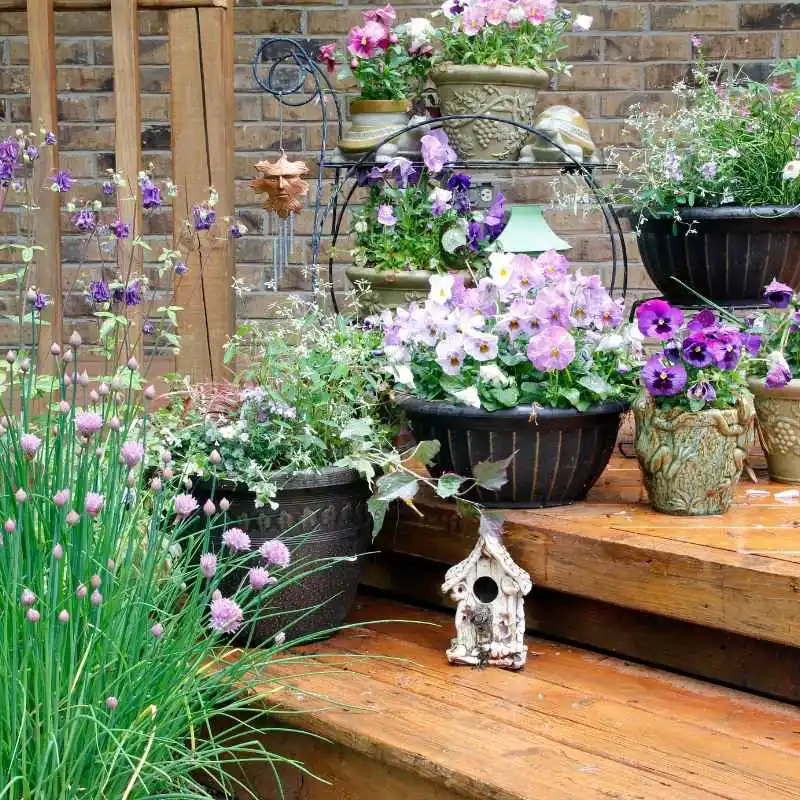
I’ve seen amazing perennial container gardens thrive on tiny urban balconies. It’s inspiring. People use vertical space.
They hang planters on railings. They use tiered stands. It creates layers of color and texture.
On patios, homeowners often arrange pots in groups. This creates a feeling of a room. They can define seating areas.
They can soften hard landscaping. In warmer climates, people can enjoy perennials year-round. They might move them to a cooler spot in summer.
Or a sheltered spot in winter. In colder regions, the winter protection becomes key. It’s about adapting the garden to its environment.
Even a small concrete patio can become a lush oasis. With careful plant selection and good care.
Think about the microclimate of your space. A balcony that faces south will be hotter and sunnier. One facing north will be cooler and shadier.
Wind can also be a major factor. Strong winds can dry out plants quickly. And they can damage delicate stems.
You might need to use heavier pots. Or tie taller plants to stakes. Or even create a windbreak with a trellis and some climbing plants.
Understanding your specific microclimate is like giving your plants the best possible start. It helps you choose plants that will truly flourish. And it makes your gardening experience more enjoyable.
What This Means For You
The biggest takeaway is that you are not limited by space. You can absolutely have a beautiful, ever-changing perennial garden. Even if you only have a small balcony or patio.
It requires thoughtful choices. You need to pick the right plants. And you need to use the right containers and soil.
Proper watering and feeding are essential. And understanding how to protect your plants in winter is key. But the effort is so rewarding.
You get to enjoy long-lasting beauty. Plants that get better each year. It’s a sustainable way to garden.
It’s about creating your own little slice of nature. No matter where you live.
When is it normal to have perennials in pots? It’s normal all the time! As long as you are providing them with what they need.
When should you worry? If your plants are consistently wilting despite watering. Or if they are covered in pests.
Or if they are showing signs of severe root rot. These are signs something is wrong. Simple checks involve looking at the soil moisture.
Gently inspecting the leaves and stems. And ensuring drainage holes are clear. Don’t be afraid to ask for help at your local nursery.
They can offer advice specific to your area and your plants.
Quick Fixes and Tips for Success
Here are a few quick tips to boost your container perennial success:
- Group plants with similar needs: If you have several plants that need full sun and little water, group them together. This makes watering and care much simpler.
- Add a top dressing: A layer of decorative gravel or mulch on top of the soil looks nice. It also helps retain moisture and prevents soil splash-up.
- Use self-watering pots: These have a reservoir that supplies water from the bottom. They can be a lifesaver for busy gardeners or for plants that need consistent moisture.
- Consider dwarf varieties: When in doubt, choose a dwarf or compact version of a perennial. They are often much better suited for containers.
- Rotate your plants: If you have a small space, you can change out plants seasonally. For example, use hardy perennials in spring and summer. Then swap them for fall mums or winter evergreens.

Frequent Questions About Container Perennials
Can I plant just one perennial in a very large pot?
Yes, you can. A large pot can be a beautiful way to showcase a single specimen perennial. This is especially true for plants with striking foliage or form.
Ensure the pot is large enough for the plant to grow and establish for several years. You can also add some smaller companion plants around the base. Or fill the empty space with decorative mulch.
What is the best potting mix for perennials in containers?
The best potting mix is a high-quality, well-draining blend specifically made for containers. Look for mixes that contain ingredients like peat moss, coco coir, perlite, and vermiculite. Avoid using soil straight from your garden, as it compacts too easily in pots and hinders drainage and aeration.
How often should I water my container perennials?
Watering frequency depends on many factors, including the plant type, pot size, weather, and sun exposure. The best method is to check the soil moisture by sticking your finger about an inch or two deep. If it feels dry, it’s time to water thoroughly until water drains from the bottom.
Avoid a strict watering schedule and water based on the plant’s needs.
Can I overwinter perennial plants in containers in freezing climates?
Yes, but it requires protection. Roots in pots are more exposed to cold than roots in the ground. You can overwinter by grouping pots together, mulching them heavily, moving them to a sheltered location like an unheated garage, or even burying the pots in the ground.
The goal is to keep the roots from freezing solid.
How do I know when to repot my container perennial?
Signs that a perennial needs repotting include roots growing out of drainage holes, the plant drying out very quickly, stunted growth, or the potting mix becoming compacted and hard to wet. Generally, perennials need repotting every 2-3 years. Repot in spring or fall into a pot that is one size larger.
Are there any perennials that are NOT suitable for container gardening?
Very large, aggressive spreaders, or deep-rooted perennials may not be ideal for containers. For example, plants like tall ornamental grasses that need a lot of root space, or very vigorous groundcovers that spread rapidly, can quickly become root-bound or difficult to manage. Always research the mature size and root system of a perennial before planting it in a pot.
Conclusion: Your Perennial Dream Awaits
So, yes, your dream of a perennial garden is absolutely achievable. Even without a sprawling yard. Container gardening opens up a world of possibilities.
It allows you to bring enduring beauty to patios, balconies, and even small entryways. With the right plant choices, pots, soil, and care, your container perennials will reward you for years to come. Embrace the flexibility and enjoy the process of creating your own portable paradise.
Related pick: Check today's price on Amazon