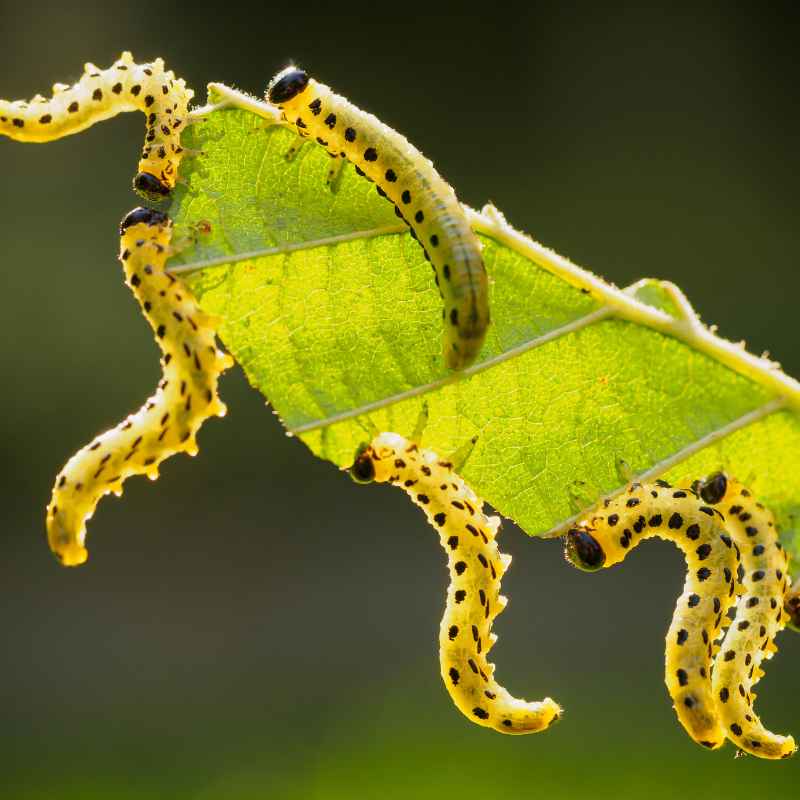
How To Stop Caterpillars From Eating Your Plants Naturally
This guide explores safe, effective, and natural ways to protect your garden plants from caterpillar damage. You’ll learn to identify common culprits, understand their life cycles, and implement methods that work with nature, not against it. We’ll cover everything from simple physical barriers to encouraging helpful garden visitors.

As an Amazon Associate I earn from qualifying purchases.

Understanding the Caterpillar Problem
Caterpillars are the larval stage of butterflies and moths. Their sole purpose at this stage is to eat and grow. And boy, do they eat!
Different species prefer different plants. Some are generalists, while others are highly specific. Knowing which caterpillars are visiting your garden helps you choose the best approach.
The life cycle is key. They hatch from eggs, usually laid on the underside of leaves. They eat, grow, molt several times, and then pupate.
After pupating, they emerge as adult moths or butterflies. These adults then lay eggs, starting the cycle again. Understanding this helps you know when to look for them and when they might cause the most trouble.

My Own Caterpillar Scare
I remember one summer vividly. I had grown a patch of kale, planning for vibrant salads all season. One morning, I noticed tiny holes.
By the next day, it looked like Swiss cheese. Panic set in. I’d spent weeks tending to those plants.
I didn’t want to spray anything that would make the kale unsafe to eat. I felt a mix of frustration and a little bit of dread. What was I going to do?
I walked around my garden, looking at every leaf. I saw a few fat, green worms wriggling. They were voracious!
That’s when I realized I needed to get smart about dealing with these munching machines without resorting to toxic sprays.
Common Garden Caterpillars & Their Targets
Tomato Hornworms: Large and green, they love tomatoes, peppers, and eggplants. They can strip plants bare overnight.
Cabbage Worms: Small, velvety green caterpillars. They target broccoli, cabbage, cauliflower, and kale. You’ll see small holes first.
Cutworms: These curl into a C-shape when disturbed. They often feed at night, cutting seedlings off at the base.
Squash Vine Borers: Their caterpillars bore into the stems of squash and zucchini plants, causing wilting.
Physical Barriers: Your First Line of Defense
Sometimes, the simplest methods are the most effective. If you can stop the caterpillars from reaching your plants, they can’t do any damage. This is especially true for certain types of pests.
Floating row covers are a fantastic tool. These are lightweight fabrics that you drape over your plants. They are supported by hoops or stakes.
They allow sunlight, water, and air to pass through. But they block insects. You need to make sure they are anchored down well around the base.
This stops caterpillars from crawling under.
For smaller plants or seedlings, netting can work. Similar to row covers, it acts as a physical barrier. Make sure the mesh is fine enough to catch the caterpillars.
Also, check that there are no gaps where they can get in.
Row Cover Quick Guide
- When to Use: Plant seedlings or place over established plants before pests appear.
- Anchoring: Use soil, rocks, or garden staples to secure edges.
- Water & Air Flow: Most covers allow enough through, but check manufacturer details.
- Removal: Remove for hand-pollinating crops or when plants need direct sun.
Handpicking: The Direct Approach
This is the most direct method. It requires vigilance and a bit of bravery. When you see a caterpillar, simply pick it off.
A glove can make this less slimy. Drop them into a bucket of soapy water. This is a very effective way to control populations, especially for larger pests like tomato hornworms.
The best time to do this is in the early morning or late evening. This is when caterpillars are often most active. It’s also when they are easiest to spot.
Make it a routine. Check your plants every day or two. Catching them early prevents them from laying eggs or doing significant damage.
What about those eggs? Many caterpillar eggs are laid on the undersides of leaves. If you spot clusters of tiny eggs, you can often just wipe them off with your hand or a damp cloth.
This stops the problem before it even starts.
Encouraging Natural Predators
Your garden can be a balanced ecosystem. Many creatures love to eat caterpillars. Inviting them into your garden is a smart, natural pest control strategy.
This is about working with nature.
Birds are fantastic predators. They will happily gobble up caterpillars. Planting native shrubs and trees provides shelter and food for birds.
Bird feeders and bird baths can also attract them to your yard. Just be mindful of where you place feeders so they don’t attract other unwanted guests.
Beneficial insects are also key players. Ladybugs, lacewings, and parasitic wasps feed on caterpillars and their eggs. You can attract these helpful insects by planting a variety of flowers.
Think dill, fennel, yarrow, and cosmos. These plants offer nectar and pollen, which these insects need.
Plants That Attract Beneficial Insects
- Dill: Its small flowers attract ladybugs and wasps.
- Fennel: Another favorite for many beneficial insects.
- Yarrow: Flat-topped flowers are perfect landing pads.
- Cosmos: Bright, cheerful flowers attract lacewings.
- Marigolds: Many gardeners find they deter some pests and attract good bugs.
Natural Sprays: When You Need a Little Extra Help
Sometimes, handpicking and barriers aren’t enough. For tougher infestations, natural sprays can be very helpful. These are generally safe for beneficial insects and the environment when used correctly.
Bacillus thuringiensis (Bt) is a popular choice. It’s a naturally occurring soil bacterium. Caterpillars ingest it when they eat leaves treated with Bt.
It works by attacking their digestive system. They stop eating and die within a few days. Bt is specific, meaning it mainly affects caterpillars and related larvae.
It doesn’t harm birds, fish, or other wildlife. You can find it in various garden supply stores.
Neem oil is another great option. It’s derived from the neem tree. It works in a few ways.
It can disrupt insect hormones, making it hard for them to grow. It also acts as a repellent. It can suffocate soft-bodied insects.
It’s important to use it according to the label instructions. Apply it in the evening when temperatures are cooler. This protects pollinators and prevents leaf burn.
Quick Natural Spray Tips
- Read Labels: Always follow dilution and application instructions.
- Test Spray: Apply to a small part of the plant first. Wait 24 hours to check for damage.
- Evening Application: Spray late in the day to avoid harming beneficial insects.
- Repeat if Needed: Most natural sprays require reapplication after rain or every few days.
Companion Planting Strategies
Some plants can actually help deter caterpillars. This is the idea behind companion planting. Certain strong scents can mask the smell of your host plants.
This makes them harder for pests to find.
For example, planting strong-smelling herbs like rosemary, thyme, or basil near susceptible plants can help. Their intense aromas can confuse or repel certain caterpillars. They also add flavor to your garden!
Another idea is planting repellent plants nearby. Nasturtiums are often planted as a trap crop. Caterpillars love them.
If you plant a few nasturtiums away from your main crops, the caterpillars might go there instead. You can then remove the nasturtiums with the pests.
Understanding Caterpillar Behavior
Knowing how caterpillars act can help you outsmart them. Many caterpillars are nocturnal feeders. They do their damage at night and hide during the day.
This means you might not see them, but you’ll see the damage. Looking for tell-tale signs is important.
Look for chewed leaves, especially on the undersides. You might also see droppings, called frass. It looks like small black or green pellets.
If you see a lot of frass, it’s a good sign that caterpillars are nearby. This is your cue to get out your flashlight after dark!
Some caterpillars spin silk webs. For example, fall webworms create large, silken tents on branches. These tents enclose leaves and twigs.
You can often spot these by mid-summer or early fall. Pruning out the infested branches can be very effective.
Signs of Caterpillar Infestation
- Holes in Leaves: Irregularly shaped holes are a common sign.
- Skeletonized Leaves: Only the veins remain, with all the leaf tissue eaten.
- Wilting Plants: Can indicate stem borers or severe damage.
- Webs or Tents: Silken structures on branches or leaves.
- Insect Droppings (Frass): Small, dark pellets found on leaves or the ground.
Water and Soil Health: A Healthy Plant is a Resilient Plant
This might seem unrelated, but it’s crucial. Healthy plants are better able to withstand pest attacks. Caterpillars might still munch on them, but the plants can often recover faster.
Ensure your plants get enough water. Water stress can weaken them. This makes them more attractive to pests.
Also, ensure your soil is rich and has good drainage. Adding compost regularly helps build healthy soil. Healthy soil leads to healthy plants.
Avoid over-fertilizing, especially with high-nitrogen fertilizers. This can lead to lush, tender growth that is very attractive to many insects, including caterpillars. Balanced fertilization is key.
When to Seek Expert Advice
Most caterpillar issues can be managed with these natural methods. However, in some cases, you might have a persistent problem. If you’re dealing with a particularly stubborn infestation, or if you’re unsure about what you’re seeing, don’t hesitate to ask for help.
Your local cooperative extension office is a great resource. They have horticultural experts who can identify pests and provide tailored advice for your region. Master Gardeners are also very knowledgeable and happy to help.
They’ve seen it all!
Sometimes, it’s helpful to take clear photos of the caterpillars and the damage. This helps experts identify the pest accurately. They can then recommend the most effective strategies for your specific situation.
They can also tell you if you’re dealing with a native species that might be important for the ecosystem.
Myth vs. Reality: Caterpillar Control
Myth: All caterpillars are bad and must be destroyed.
Reality: Caterpillars are a vital part of the food chain. Many are harmless or beneficial. Only target those causing significant damage to your desired plants.
Myth: Baking soda kills caterpillars.
Reality: Baking soda is not an effective or safe pesticide for caterpillars. It can harm beneficial insects and damage plants.
Myth: You need to spray chemicals to get rid of caterpillars.
Reality: There are many effective natural and organic methods that work just as well, if not better, without harming the environment.
Preventing Future Infestations
Prevention is always better than cure. Once you’ve dealt with a caterpillar problem, think about how to stop it from happening again next year. Crop rotation is a fundamental practice.
Try not to plant the same type of crop in the same spot year after year. For instance, if you had cabbage worms on your broccoli this year, don’t plant cabbage family crops in that same area next year. Caterpillars or their eggs might overwinter in the soil or nearby.
Rotating crops breaks their life cycle.
Keep your garden clean. Remove dead plant debris at the end of the season. This is where some pests like to hide or overwinter.
Also, encourage a healthy population of beneficial insects and birds. They are your allies in keeping pest populations in check naturally.
What This Means For You
Dealing with caterpillars can feel overwhelming at first. But with a little knowledge and consistent effort, you can keep them under control. It means looking at your garden with a new perspective.
It’s about observation and understanding. When you see a few holes, it’s not a disaster. It’s a sign to investigate.
It means you might need to spend a few minutes each day checking your plants. It might mean putting up a row cover. Or perhaps just picking off a few green worms.
These small actions add up. They protect your harvest. They also help maintain a healthy garden balance.
A garden with birds, bees, and beneficial bugs is a thriving garden.
Quick Fixes and Tips
Here are some easy things to do right away:
- Daily Checks: Make it a habit to walk through your garden daily.
- Sticky Traps: For cutworms, use collars around the base of seedlings.
- Cornmeal Myth: While often suggested, cornmeal doesn’t effectively kill caterpillars.
- Shake it Off: For some pests on sturdy plants, a strong blast of water can knock them off.
- Encourage Birds: A simple bird bath can bring in feathered pest controllers.

Frequently Asked Questions About Caterpillar Control
Are caterpillars always bad for my plants?
No, not all caterpillars are pests. Many are future butterflies or moths that are essential pollinators and part of the ecosystem. Only specific species cause significant damage to garden plants.
How can I tell if it’s a caterpillar problem?
Look for chewed leaves, skeletonized leaves, wilting, or small black droppings (frass) on your plants. You might also see webbing or tents on branches.
Can I use soap spray for caterpillars?
Yes, a mild insecticidal soap spray can be effective against soft-bodied caterpillars. Make sure to use a product specifically designed for garden use and follow instructions carefully. Always test on a small area first.
When is the best time to treat for caterpillars?
The best time is early in the morning or late in the evening when caterpillars are most active and visible. Treating when they are young is also more effective.
What should I do with caterpillars I pick off my plants?
The most common method is to drop them into a bucket of soapy water. This quickly and humanely dispatches them. You can also crush them or feed them to birds if you have a bird feeder.
Are there any plants that caterpillars absolutely dislike?
While no plant is completely immune, strong-smelling herbs like mint, basil, rosemary, and thyme can help deter some caterpillars. Many gardeners also plant nasturtiums as a trap crop.
Conclusion
Protecting your garden from caterpillars doesn’t have to involve harsh chemicals. By understanding their life cycle and using natural methods, you can keep your plants healthy and your harvest safe. Embrace the power of physical barriers, handpicking, beneficial insects, and natural sprays.
Your garden will thank you for it.
Related pick: Check today's price on Amazon