

Plants are amazing. They perform a kind of magic, turning simple things like sunlight, water, and air into the stuff that builds them. They then use this stuff to grow, to bloom, and to produce the very food that many other creatures, including us, rely on.
So, let’s dive in and uncover this fascinating process together.
Plants primarily get the energy they need to make organic molecules from sunlight. This energy is captured through a process called photosynthesis. They use light energy to convert carbon dioxide from the air and water from the soil into sugars.
These sugars are organic molecules that fuel the plant’s growth and life functions.
The Power of Light: How Plants Fuel Life
Plants are the foundation of almost all life on our planet. They stand tall, soaking up the sun’s rays. But how do they actually use this light?
It all boils down to an incredible natural process called photosynthesis. This is the main way plants get the energy to build their own food and, in turn, feed the world.
Think of plants as tiny solar-powered factories. They are built to capture light energy from the sun. This light is the ultimate source of power for them.
Without it, they simply cannot make the complex molecules they need to live and grow. It’s a continuous cycle, and light is the essential spark.
What is Photosynthesis?
Photosynthesis is a big word, but it describes a simple, vital idea. It’s how green plants, and some other organisms, use sunlight. They use this light to make food.
The word itself gives us clues: ‘photo’ means light, and ‘synthesis’ means to make. So, photosynthesis means “making with light.”
During this process, plants take in a gas called carbon dioxide from the air. They also take in water from the ground through their roots. Inside their leaves, in special parts called chloroplasts, a green pigment called chlorophyll acts like a solar panel.
Chlorophyll captures the sunlight’s energy.
The Ingredients and the Product
The raw materials for photosynthesis are simple and readily available. Plants need:
- Carbon dioxide (CO2): This is a gas in the air all around us. Plants take it in through tiny pores on their leaves called stomata.
- Water (H2O): Plants absorb water from the soil using their roots.
This water travels up to the leaves.
- Light Energy: This comes directly from the sun.
Using the captured light energy, plants transform carbon dioxide and water. They turn them into two main things: glucose and oxygen. Glucose is a type of sugar.
This sugar is the plant’s food. It provides the energy and building blocks the plant needs. Oxygen is a gas that plants release back into the air.
This is the same oxygen that we and other animals breathe.
So, in a nutshell, photosynthesis is the plant’s way of cooking. It uses sunlight as the stove, carbon dioxide and water as the ingredients, and glucose as the delicious meal. Oxygen is like a byproduct that happens to be essential for us.
The Role of Chlorophyll: Nature’s Tiny Solar Panels
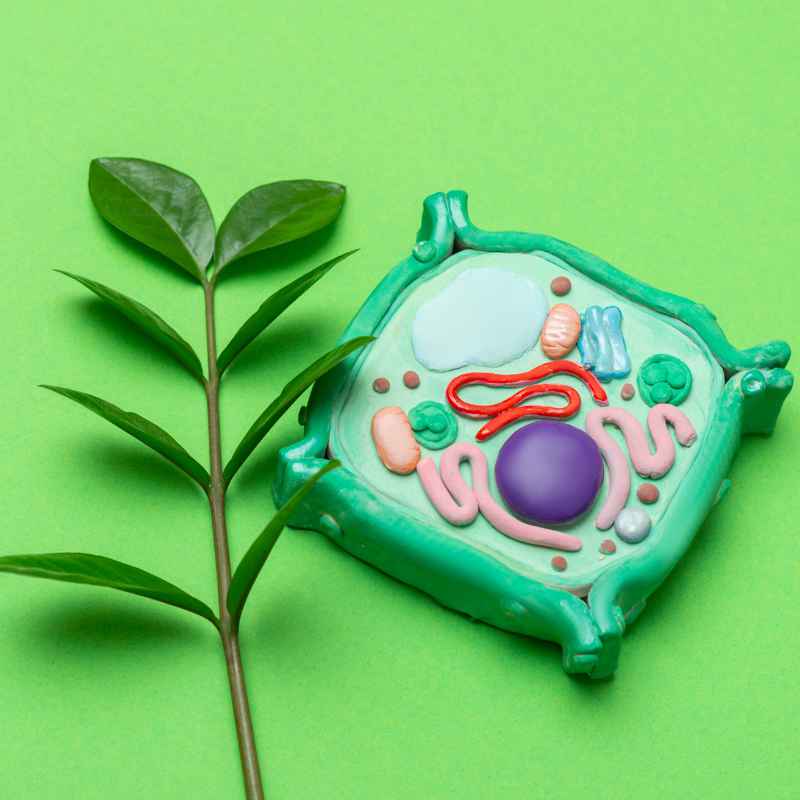
If plants are solar-powered factories, then chlorophyll is their essential technology. Chlorophyll is the green pigment found in plant cells, mostly in the leaves. It’s what gives most plants their characteristic green color.
But its job is far more important than just looking pretty.
Chlorophyll’s main function is to absorb light energy from the sun. It’s particularly good at absorbing red and blue light. It doesn’t absorb green light very well; instead, it reflects it.
That’s why we see plants as green. This absorbed light energy is the driving force behind photosynthesis.
Capturing Sunlight
Inside the plant’s leaves are tiny structures called chloroplasts. These are the powerhouses where photosynthesis happens. Within the chloroplasts are stacks of sacs containing chlorophyll.
When sunlight hits these chlorophyll molecules, the light energy gets excited.
This excited energy from the light is then used to power a series of chemical reactions. These reactions are what convert carbon dioxide and water into glucose. It’s a complex process, but the initial step is always capturing that vital solar energy.
Without chlorophyll, plants couldn’t harness the sun’s power.
More Than Just Green
While chlorophyll is the most famous pigment, plants also have other pigments. These can include carotenoids (which are orange and yellow) and anthocyanins (which are red and purple). These pigments can absorb different wavelengths of light.
Sometimes, they help chlorophyll out by passing on absorbed energy.
In the fall, when the days get shorter and colder, chlorophyll production slows down. This is when the other pigments, which were there all along, become visible. This is why leaves change color.
It’s a beautiful reminder of the complex chemistry happening within plants all the time.
Key Components of Photosynthesis
Location: Chloroplasts within plant cells (mainly in leaves)
Key Pigment: Chlorophyll (absorbs light energy)
Inputs: Carbon Dioxide (CO2), Water (H2O), Light Energy
Outputs: Glucose (sugar/food), Oxygen (O2)
The Journey of Water and Carbon Dioxide
Plants don’t just magically get water and carbon dioxide. There are specific pathways for these essential ingredients to reach the leaves where photosynthesis occurs. The plant has developed clever systems for this.
Water is absorbed from the soil. Carbon dioxide is taken from the air. Both must travel to the chloroplasts.
It’s a journey that involves several steps and different parts of the plant.
From Roots to Leaves: The Water Highway
Plants have roots for a reason! These are usually underground and are designed to anchor the plant and absorb water and nutrients from the soil. Tiny root hairs increase the surface area for absorption.
Once water is absorbed by the roots, it needs to travel up to the leaves.
This upward movement is powered by a process called transpiration. As water evaporates from the leaves (through the stomata), it creates a pull. This pull draws more water up from the roots.
It’s like a chain reaction, moving water all the way up the stem to the farthest leaves. This watery stream also carries dissolved minerals from the soil.
Breathing In: The Role of Stomata
Carbon dioxide enters the plant through tiny pores on the surface of leaves and stems. These pores are called stomata. Each stoma is like a small mouth that can open and close.
They usually open during the day when sunlight is available for photosynthesis.
When stomata are open, carbon dioxide gas from the atmosphere diffuses into the leaf. This is how the plant gets its supply of carbon. However, stomata also allow water vapor to escape.
This is the transpiration process we just talked about. Plants must balance taking in CO2 with preventing too much water loss, especially in dry conditions.
Understanding Stomata
What they are: Tiny pores on plant leaves and stems.
What they do: Allow gas exchange (CO2 in, O2 out) and transpiration (water vapor out).
Control: Usually open during daylight for photosynthesis, close at night or when water is scarce.
Location: Mostly on the underside of leaves to reduce water loss.
The Two Stages of Photosynthesis
Photosynthesis isn’t just one event. It’s a two-part process. Each part uses the energy captured from sunlight in a different way.
These stages are called the light-dependent reactions and the light-independent reactions (also known as the Calvin cycle).
The first stage directly uses light energy. The second stage uses the products from the first stage. Together, they complete the transformation of simple inputs into complex sugars.
1. The Light-Dependent Reactions
This is where the magic of light capture really happens. These reactions take place in the thylakoid membranes within the chloroplasts. They require direct sunlight to occur.
The primary goal here is to convert light energy into chemical energy. Chlorophyll absorbs light. This energy is used to split water molecules.
This splitting process releases oxygen as a byproduct. It also produces two energy-carrying molecules: ATP (adenosine triphosphate) and NADPH (nicotinamide adenine dinucleotide phosphate).
Think of ATP and NADPH as rechargeable batteries. They store the energy captured from sunlight in a form that the plant can use for its next steps. This stage is absolutely crucial because it creates the energy currency for the entire process.
2. The Light-Independent Reactions (Calvin Cycle)
These reactions don’t need direct sunlight to happen. However, they do need the ATP and NADPH produced during the light-dependent reactions. These reactions occur in the stroma, which is the fluid-filled space outside the thylakoids in the chloroplast.
The main job of the Calvin cycle is to “fix” carbon dioxide. This means taking the carbon from CO2 gas and incorporating it into organic molecules. The ATP and NADPH generated in the first stage provide the energy and reducing power needed for these steps.
Through a series of enzyme-driven reactions, the carbon atoms from CO2 are used to build glucose molecules. These glucose molecules are the plant’s food. They are a type of carbohydrate.
The plant can use this glucose immediately for energy or store it for later use.
So, the light-dependent reactions capture light and store its energy. The light-independent reactions use that stored energy to build sugars from carbon dioxide. It’s a beautifully coordinated system.
From Glucose to Growth: What Plants Do With Their Food
Once glucose is made, the plant has successfully created its own food. But what happens next? Glucose is a simple sugar, a basic building block.
The plant needs to use it for many different things to survive and thrive.
Glucose provides the energy for all the plant’s life processes. It also serves as the raw material for creating more complex organic molecules. These molecules are used to build all parts of the plant, from the smallest root hair to the tallest leaf.
Energy for Life Processes
Like all living things, plants need energy to carry out their daily functions. This energy comes from breaking down glucose. This process is called cellular respiration.
Cellular respiration happens in both plants and animals. It takes glucose and oxygen and releases energy.
The energy released is used for things like growing new cells, repairing damaged tissues, transporting nutrients, and reproducing. Even though plants don’t move around, they are very busy metabolically. Cellular respiration fuels all this activity.
Plants respire all the time, both day and night.
Building Blocks for Everything Else
Glucose is a carbohydrate. Plants use glucose not just for energy but also to build other essential organic molecules. They can convert glucose into:
- Starch: This is a more complex carbohydrate. Plants store extra glucose as starch in their roots, stems, and seeds. This is how they save food for later, like during winter or when conditions are tough.
- Cellulose: This is a very strong carbohydrate that forms the cell walls of plant cells. It provides structure and support to the plant, allowing it to stand upright. It’s a major component of wood and fiber.
- Lipids (Fats and Oils): Plants can convert sugars into fats and oils. These are used for energy storage, especially in seeds, and as components of cell membranes.
- Proteins: Plants can also create amino acids, the building blocks of proteins, from the carbon skeletons derived from glucose and nitrogen absorbed from the soil. Proteins are essential for enzymes, structures, and many other functions.
So, the simple sugar produced by photosynthesis is the starting point for creating virtually all the organic matter that makes up a plant. It’s a testament to nature’s efficiency.
What Plants Build With Glucose
Energy Storage: Starch (for later use)
Structural Support: Cellulose (for cell walls and wood)
Energy Reserve: Lipids (fats and oils, especially in seeds)
Functional Molecules: Proteins (enzymes, etc.)
Real-World Impact: Why Plant Energy Matters to Us
Understanding where plants get their energy is not just an academic exercise. It has profound implications for our planet and our lives. Plants are the primary producers in most ecosystems.
They are the link between the sun’s energy and all other life forms.
Every bite of food we eat, whether it’s a fruit, a vegetable, a grain, or meat from an animal that ate plants, ultimately traces back to the energy plants capture from sunlight. Without photosynthesis, life as we know it would not exist.
The Food Chain Foundation
Plants form the base of almost every food chain. Herbivores (plant-eaters) get their energy by eating plants. Carnivores (meat-eaters) get their energy by eating herbivores.
Omnivores eat both. So, directly or indirectly, all animals depend on plants for energy.
When we eat fruits, vegetables, grains, nuts, and seeds, we are directly consuming the organic molecules plants made using sunlight. When we eat meat, we are consuming the energy that animal got from eating plants. This makes photosynthesis a truly universal energy source for the biosphere.
Oxygen Production: A Gift to the Planet
We mentioned oxygen as a byproduct of photosynthesis. This “waste” product for plants is absolutely essential for most aerobic life on Earth, including humans. The atmosphere we breathe is rich in oxygen because of billions of years of photosynthesis by plants and algae.
It’s a perfect symbiotic relationship. We breathe out carbon dioxide, which plants need. Plants release oxygen, which we need.
This cycle is a cornerstone of our planet’s habitability. The vast forests and oceans, filled with photosynthetic organisms, are constantly working to maintain our oxygen supply.
Climate Regulation and Carbon Sequestration
Plants play a huge role in regulating our planet’s climate. They absorb vast amounts of carbon dioxide from the atmosphere. Carbon dioxide is a greenhouse gas.
By removing it, plants help to mitigate climate change. This process is called carbon sequestration.
The carbon atoms from CO2 are stored in the plant’s biomass—its roots, stems, leaves, and fruits. When plants die, this carbon can be stored in the soil for long periods. Forests, in particular, are massive carbon sinks.
Protecting and expanding these natural areas is vital for climate stability.
Plants’ Global Impact
Food Source: Base of the food chain for nearly all life.
Oxygen Supply: Produce the air we breathe.
Climate Control: Absorb carbon dioxide, reducing greenhouse gases.
Habitat: Provide homes and shelter for countless species.
When Plant Energy Isn’t Enough: Factors Affecting Photosynthesis
While plants are masters of energy conversion, they aren’t invincible. Their ability to photosynthesize can be affected by various factors in their environment. Sometimes, the energy they capture isn’t sufficient for optimal growth or survival.
These limiting factors can be environmental, like the amount of sunlight or water available. They can also be internal, related to the plant’s health or genetic makeup.
Environmental Limiting Factors
Several external conditions can impact how well a plant photosynthesizes:
- Light Intensity: While plants need light, too little can limit photosynthesis. Conversely, too much intense light can sometimes damage chlorophyll.
- Carbon Dioxide Concentration: If there isn’t enough CO2 in the air, the rate of photosynthesis will slow down, even if light is plentiful.
- Temperature: Photosynthesis involves enzymes, and enzymes work best within a specific temperature range. Extreme heat or cold can significantly reduce the rate.
- Water Availability: Water is a crucial ingredient. Drought conditions cause plants to close their stomata to conserve water. This also prevents CO2 from entering, thus stopping photosynthesis.
- Nutrient Availability: Plants need minerals from the soil, like nitrogen, phosphorus, and magnesium, to build chlorophyll and other vital molecules. Deficiencies can impair photosynthesis.
It’s often the factor that is in shortest supply that limits the overall rate of photosynthesis. This is known as the “limiting factor” principle.
Internal Factors and Plant Health
Beyond the environment, a plant’s own condition plays a role:
- Leaf Health: Diseases or pests that damage leaves can reduce the surface area available for light absorption and gas exchange.
- Age: Very old leaves may not be as efficient as younger, vigorous ones.
- Genetics: Different plant species and varieties are adapted to different conditions and have varying photosynthetic capacities.
Observing a plant’s overall health can tell you a lot about its ability to photosynthesize effectively. Wilting, yellowing leaves, or stunted growth are often signs that something is amiss.
What This Means for You and Your Garden
Understanding how plants get their energy can help you make better choices for your own plants, whether they’re houseplants or a vegetable garden. It’s about working with nature, not against it.
Knowing that sunlight is the primary energy source means you should place plants where they can get appropriate light. Providing water and good soil helps ensure they have the necessary ingredients. Preventing disease keeps their “solar panels” (leaves) healthy.
Matching Plants to Your Environment
Not all plants need the same amount of light. Some, like ferns and hostas, thrive in shade. Others, like tomatoes and sunflowers, need full sun.
Researching the needs of the plants you want to grow is the first step.
For indoor plants, consider their natural habitat. A plant from a dense jungle floor will need less direct light than a desert cactus. Rotate your plants occasionally so all sides get exposure to light.
Watering Wisely
Consistent watering is key. The soil should be moist but not waterlogged. Overwatering can drown the roots, preventing them from taking up water and oxygen.
Underwatering causes wilting and stress. Learn to check the soil moisture by sticking your finger into it.
Consider the weather. Hot, dry days will require more frequent watering than cool, humid days. Rainfall is great for outdoor plants, but sometimes supplemental watering is still needed during dry spells.
Soil Matters
Healthy soil provides essential nutrients that plants need for photosynthesis and growth. Using good quality potting mix for containers and amending garden soil with compost can make a big difference.
Compost adds organic matter, improves soil structure, and provides a slow release of nutrients. You can also use fertilizers, but always follow the instructions carefully. Too much fertilizer can harm plants.
Dealing with Pests and Diseases
Keep an eye out for signs of pests like aphids or spider mites, and diseases like powdery mildew. Early detection is important. Many common issues can be treated with natural or organic methods.
Healthy plants are often more resistant to pests and diseases. This goes back to providing them with the right light, water, and nutrients. A well-nourished and well-cared-for plant is a strong plant.
Quick Garden Tips
Sunlight: Match plant needs to available light.
Water: Keep soil consistently moist, not soggy.
Soil: Use good soil and add compost.
Observation: Check plants often for problems.
Frequently Asked Questions About Plant Energy
What is the primary source of energy for most plants?
The primary source of energy for most plants is sunlight. They capture this light energy through a process called photosynthesis.
How do plants convert light energy into chemical energy?
Plants convert light energy into chemical energy through photosynthesis. The pigment chlorophyll absorbs light, which powers reactions that split water molecules and create energy-carrying molecules like ATP and NADPH.
What are the “ingredients” for photosynthesis?
The main ingredients for photosynthesis are carbon dioxide from the air, water from the soil, and light energy from the sun.
What do plants produce during photosynthesis?
During photosynthesis, plants produce glucose (a sugar that serves as their food) and oxygen, which is released into the atmosphere.
Can plants make energy without sunlight?
Plants generally cannot make energy without sunlight for photosynthesis. However, they do carry out cellular respiration, which releases energy from glucose (made during photosynthesis) both day and night.
Why are plants green?
Plants are green because of a pigment called chlorophyll. Chlorophyll absorbs red and blue light but reflects green light, making the plants appear green to our eyes.
What happens to the glucose plants make?
Plants use the glucose they make for energy through cellular respiration or convert it into other organic molecules like starch, cellulose, lipids, and proteins for growth, storage, and structure.
The Unseen Work of Nature
It’s truly remarkable to think about. Every moment the sun shines, plants are quietly at work. They are converting light into life.
They are the silent engines driving ecosystems around the globe.
From the tiniest blade of grass to the mightiest redwood, each plant is a testament to the power of nature’s design. They take simple elements and, with the sun’s energy, create the building blocks of life itself.