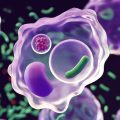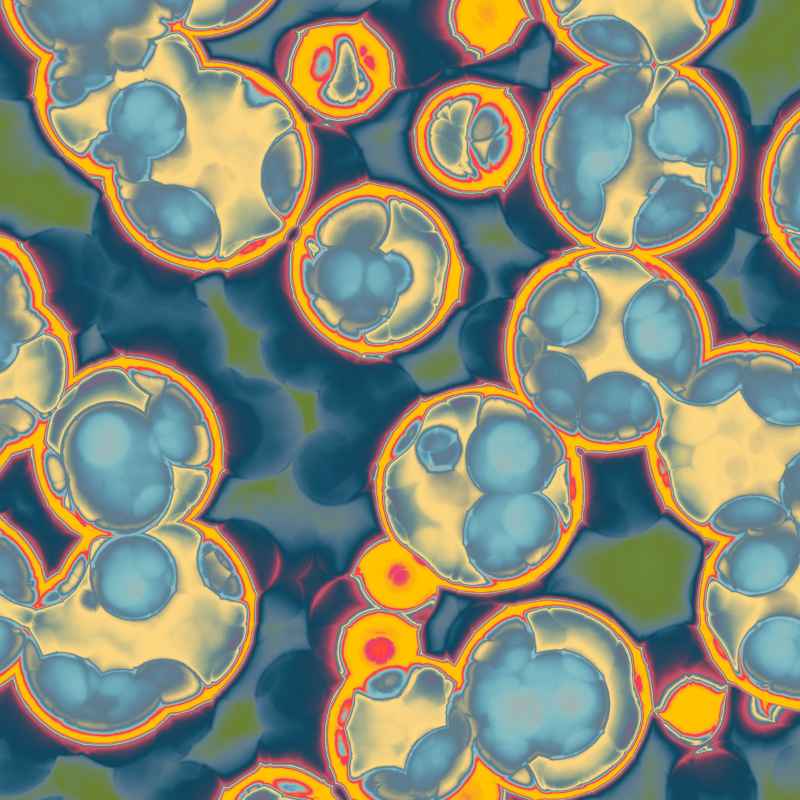

We’ll dive into what makes bacterial cells so special. We’ll also look at plant and animal cells. You’ll learn about their parts and jobs.
For a related plant or gardening question, How Are Vacuoles Different In Plant And Animal Cells? gives readers a focused next step.
This will help you grasp how diverse life can be, even at the single-cell level. Let’s get started on this journey into cell biology!
Bacterial cells are fundamentally simpler and smaller than plant and animal cells. They lack a nucleus and other membrane-bound organelles. Plant and animal cells are eukaryotic, meaning they have a true nucleus and complex internal structures.
This key difference impacts everything from how they reproduce to how they function.
The Core Differences: Simple vs. Complex Cells
At their heart, the main difference lies in their organization. Bacteria are prokaryotes. This word means “before the nucleus.” Their genetic material, DNA, floats freely in the cell.
It’s not enclosed in a special bubble. Plant and animal cells, on the other hand, are eukaryotes. This means “true nucleus.” Their DNA is safely wrapped inside a nucleus.
This is a big deal for how cells work. It’s like having important papers out on your desk versus locked in a filing cabinet.
This difference in organization leads to many other distinctions. Think about cell size. Bacterial cells are tiny, usually just a few micrometers across.
Plant and animal cells are much larger. They can be ten times bigger or even more. Their internal machinery is also far more complex.
Eukaryotic cells have many specialized compartments, called organelles. Each organelle has a specific job. Bacteria don’t have these specialized compartments.
A Closer Look: What’s Inside a Bacterial Cell?
Imagine a very simple bag. That’s a bit like a bacterial cell. It has a tough outer cell wall.
This wall protects the cell. It also gives it shape. Inside the cell wall is a cell membrane.
This membrane controls what goes in and out. It’s like a gatekeeper. The watery stuff inside is called the cytoplasm.
This is where all the cell’s activities happen.
The cell’s instructions are in its DNA. This DNA is usually a single, circular loop. It sits in an area called the nucleoid.
Remember, there’s no nucleus around it. Bacteria also have ribosomes. These are tiny factories that build proteins.
Proteins are the workhorses of the cell. They do almost everything. Some bacteria have other small structures too.
These might help them move or store food. But they are far fewer and simpler than what’s in a plant or animal cell.
What About Plant and Animal Cells? They’re More Like Busy Cities.
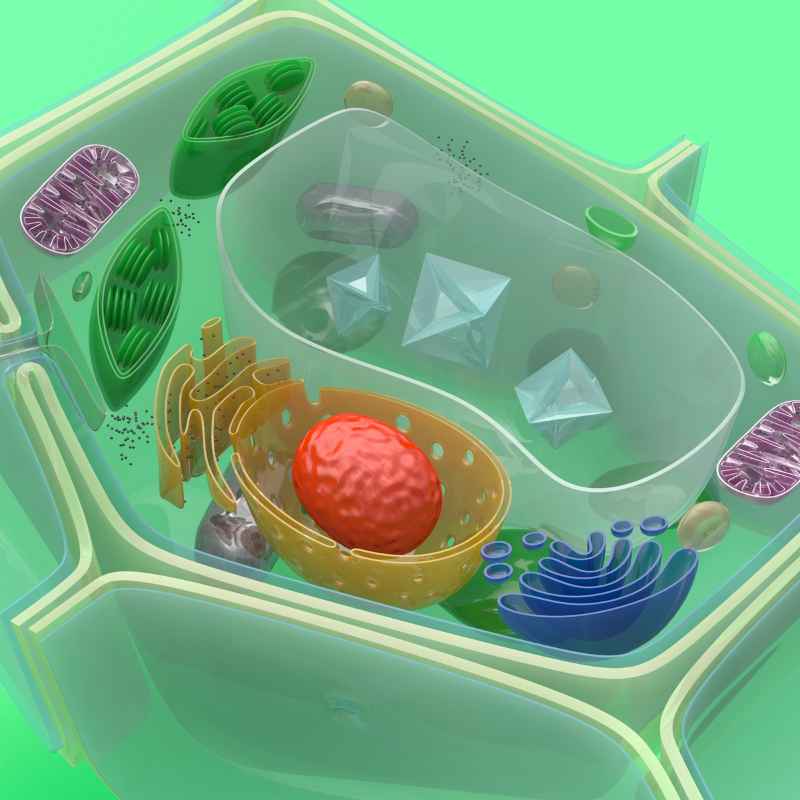
Plant and animal cells are eukaryotic. They are much more complex. They both have a cell membrane.
They also have cytoplasm and ribosomes. But they also have a nucleus. This is a large organelle that holds the cell’s DNA.
The DNA is organized into long strands called chromosomes. The nucleus is like the city hall, keeping the important plans safe and organized.
Beyond the nucleus, they have many other organelles. These include mitochondria. These are the cell’s powerhouses.
They make energy for the cell. They also have endoplasmic reticulum and Golgi apparatus. These work together to make and move proteins and other molecules.
Animal cells have lysosomes. These clean up waste. Plant cells have unique structures.
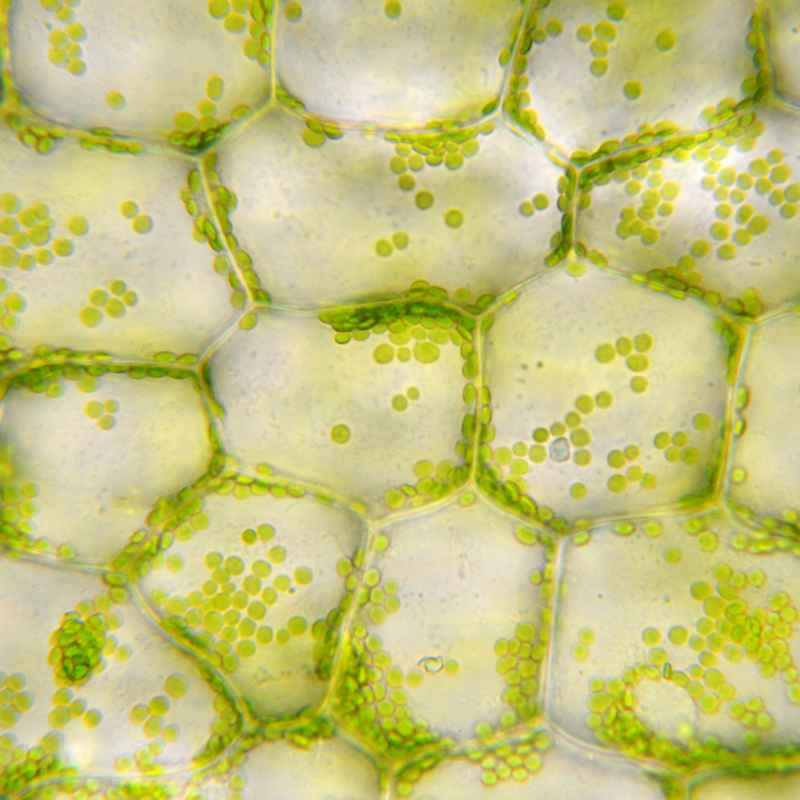
They have a rigid cell wall outside their cell membrane, but it’s made of cellulose. They also have chloroplasts. These are where photosynthesis happens, using sunlight to make food.
And they have a large vacuole. This stores water and other things.
Personal Experience: That One Time I Saw Bacteria Under a Microscope
I remember my first time looking at pond water under a decent microscope in high school. We were supposed to find protozoa. But what really caught my eye were these tiny, wiggling specks.
They were everywhere! My teacher explained these were bacteria. They looked so simple, just little dots and rods.
But she told us each one was alive. It had all the parts it needed to eat, grow, and make more bacteria.
It struck me then how different they were from the plant cells we had looked at earlier. Those had clear walls and a visible nucleus, looking more structured. These bacteria were so small and so basic, yet they were thriving.
It felt like seeing the ancient ancestors of more complex life. It made me feel a bit awestruck by their sheer numbers and their ability to survive in so many places, doing so much without all the fancy internal compartments we have.
Bacterial Cell Essentials
Cell Wall: Provides structure and protection. Cell Membrane: Controls what enters and leaves. Cytoplasm: The jelly-like substance inside.
Nucleoid: Where the DNA is located (no nucleus). Ribosomes: Make proteins.
The DNA Story: A Tale of Two Nucleus Types
The DNA in bacteria and in plant/animal cells tells a big story. Bacterial DNA is usually a single, circular chromosome. It’s found in the nucleoid region.
It’s not protected by a membrane. This makes it more exposed. This simplicity has pros and cons.
It allows bacteria to grow and divide very quickly.
In contrast, eukaryotic DNA is organized into many linear chromosomes. These are all neatly packed inside the nucleus. This protection is vital.
It prevents damage to the DNA. It also allows for more complex gene regulation. Think about it: more complex life needs more complex instructions.
The nucleus helps manage these detailed instructions.
Eukaryotic Cell Compartments (Organelles)
Nucleus: Holds DNA. Mitochondria: Make energy. Endoplasmic Reticulum (ER): Builds molecules.
Golgi Apparatus: Modifies and sorts molecules. Lysosomes: Clean up waste (animal cells). Chloroplasts: Make food (plant cells).
Vacuole: Stores things (large in plant cells).
Cell Walls: Different Jobs, Different Materials
Both bacterial cells and plant cells have cell walls. But they are made of different stuff. Bacterial cell walls are typically made of a material called peptidoglycan.
This is a unique sugar-and-protein mix. It’s very tough. It helps bacteria survive in different environments.
It also helps them keep their shape, like a sturdy suit of armor.
Plant cell walls are made mostly of cellulose. Cellulose is a type of fiber. It’s what makes plants strong and rigid.
Animal cells, however, do not have cell walls at all. They only have a cell membrane. This difference is key.
It explains why plants can stand tall without bones. It also explains why animal cells can change shape more easily, like muscle cells contracting.
How They Reproduce: Simple Division vs. Complex Processes
Bacteria reproduce very simply. They usually do this through a process called binary fission. One bacterium grows, copies its DNA, and then splits into two identical daughter cells.
It’s a fast and efficient way to multiply. This is why infections can spread so quickly sometimes.
Plant and animal cells reproduce in much more complex ways. They use mitosis for growth and repair. They use meiosis to produce sex cells (sperm and egg).
These processes involve careful division of chromosomes. They ensure that new cells have the right amount of genetic material. This complexity is needed for the development of multi-celled organisms.
Quick Comparison: Bacterial vs. Eukaryotic Reproduction
| Bacterial Cells | Plant & Animal Cells |
| Binary Fission | Mitosis (growth/repair) |
| Rapid, simple division | Complex chromosome sorting |
| One circular chromosome copied | Multiple linear chromosomes copied |
| Two identical daughter cells | Cells with correct chromosome number |
Movement and Structure: A Matter of Design
Some bacteria can move. They often use tiny whip-like structures called flagella. These are simple protein structures.
They spin like propellers to push the bacterium forward. Others might have shorter hairs called pili. These help them stick to surfaces or other cells.
Plant and animal cells don’t typically have flagella for movement. They move in different ways. Muscle cells contract.
White blood cells can crawl. They have internal skeletons called the cytoskeleton. This network of protein fibers helps them maintain shape and move things around inside.
It’s a much more intricate system than bacterial flagella.
Energy Production: Different Power Sources
How cells get energy is a vital difference. Bacteria have many ways to get energy. Some use sunlight like plants.
Others break down chemicals. Many live by eating organic matter. They perform a kind of cellular respiration.
This happens right in the cytoplasm or on the cell membrane. They don’t have special organelles like mitochondria.
Plant and animal cells both rely heavily on mitochondria. These organelles are powerful energy factories. They take sugar and oxygen.
They turn them into usable energy in the form of ATP. Plant cells also have chloroplasts. These use sunlight to create sugar in the first place.
So, plant cells make their own food, while animal cells eat other organisms for food. Bacteria are more diverse in their energy strategies.
Energy Production Spotlight
Bacterial Cells: Varied methods. Respiration occurs in cytoplasm/membrane. No mitochondria.
Plant Cells: Use chloroplasts for photosynthesis (making food) and mitochondria for energy.
Animal Cells: Use mitochondria to break down food for energy. Do not have chloroplasts.
Size Matters: The Tiny World of Bacteria
The size difference is striking. Bacterial cells are typically 0.5 to 5 micrometers (µm) in diameter. A micrometer is one-millionth of a meter.
To get an idea, a human hair is about 100 µm wide. So, bacteria are much, much smaller than that.
Plant and animal cells are generally much larger. They range from 10 to 100 µm in diameter. This is a significant difference in scale.
This smaller size allows bacteria to have a very high surface area to volume ratio. This helps them absorb nutrients quickly. It also helps them get rid of waste products fast.
Real-World Context: Why These Differences Matter
These differences aren’t just for textbooks. They have huge real-world impacts. Think about medicine.
Many antibiotics work by targeting things that are unique to bacterial cells. For example, some antibiotics disrupt peptidoglycan synthesis. This weakens the bacterial cell wall, causing the bacteria to burst.
Human cells don’t have peptidoglycan, so these drugs are generally safe for us.
Other antibiotics target bacterial ribosomes. Bacterial ribosomes are slightly different from eukaryotic ribosomes. This difference allows the antibiotic to block protein production in bacteria but not in our own cells.
This specificity is crucial for fighting infections effectively. It’s a great example of how understanding cell biology leads to life-saving treatments.
Antibiotic Action: Targeting Bacterial Uniqueness
- Cell Wall Synthesis: Disrupts unique peptidoglycan structure.
- Ribosome Function: Blocks protein production in bacterial ribosomes.
- DNA Replication: Interferes with bacterial DNA copying.
- Metabolic Pathways: Targets unique bacterial enzyme systems.
Key: These drugs exploit differences to harm bacteria, not human cells.
What This Means for You: Understanding Your Own Health
Knowing the difference helps you understand how your body works. You are made of trillions of eukaryotic cells. These cells have all the complex machinery we’ve discussed.
When you get sick from bacteria, it’s an invasion of these much simpler organisms. Their ability to reproduce quickly and adapt can overwhelm your body’s defenses.
Your immune system is designed to identify and destroy these foreign bacterial invaders. It recognizes features that are unique to bacteria. It doesn’t see your own cells as a threat.
This constant battle between your cells and invading microbes is a fundamental part of life and health. Understanding it helps appreciate your body’s amazing resilience.
Quick Tips for Cell Awareness
When you hear about cells, remember this simple rule. Bacteria are prokaryotic – simple, no nucleus. Plants and animals are eukaryotic – complex, with a nucleus and organelles.
This is the biggest takeaway. It’s the foundation for understanding cell biology. Don’t get bogged down in too many terms at first.
Focus on this main difference.
Think of bacteria as single, independent units. Think of plant and animal cells as tiny, specialized factories working together. This mental picture will help you remember the key distinctions.
It makes the science much more relatable and easier to grasp. It’s about finding simple ways to think about complex ideas.
Frequently Asked Questions About Bacterial vs. Plant/Animal Cells
Are all bacteria bad?
No, not at all! Many bacteria are harmless or even helpful. They live in our gut, helping us digest food.
They are also essential for breaking down waste in the environment. Only a small number of bacteria cause diseases.
Do animal cells have cell walls?
No, animal cells do not have cell walls. They only have a cell membrane. This is a key difference between animal cells and plant cells, which have a rigid cell wall.
Can bacteria perform photosynthesis?
Some bacteria can perform photosynthesis. These are called cyanobacteria. However, they do not have chloroplasts like plant cells.
Their photosynthetic machinery is located in their cell membrane and cytoplasm.
Why are bacterial cells smaller than plant and animal cells?
Their simpler structure and lack of complex organelles allow for smaller size. This small size also gives them a high surface area to volume ratio, which helps them absorb nutrients and divide quickly.
What is the main job of the nucleus in eukaryotic cells?
The main job of the nucleus is to protect and organize the cell’s DNA. It controls the cell’s growth and reproduction by regulating gene expression.
Can bacteria have multiple DNA molecules?
While most bacteria have a single, circular chromosome, some can have additional smaller circular DNA molecules called plasmids. These plasmids often carry genes for special traits, like antibiotic resistance.
Wrapping Up: The Marvel of Cellular Diversity
It’s truly amazing how much variety exists in the world of cells. Bacteria, with their simple yet effective designs, are masters of survival. Plant and animal cells, with their intricate internal structures, allow for complex life forms.
Understanding these differences helps us appreciate the vastness of life.
From fighting infections to understanding ecosystems, this knowledge is powerful. It shows us that even the smallest parts of life have incredible stories to tell. Keep exploring, and you’ll find more wonders in the microscopic world!