
It’s a common thought that only plants can do photosynthesis. This process makes food using sunlight. It also releases oxygen into the air. But guess what? Some tiny organisms can do this too. These are special kinds of bacteria. They are like nature’s hidden powerhouses. They help keep our planet healthy. Let’s dive into their amazing world.
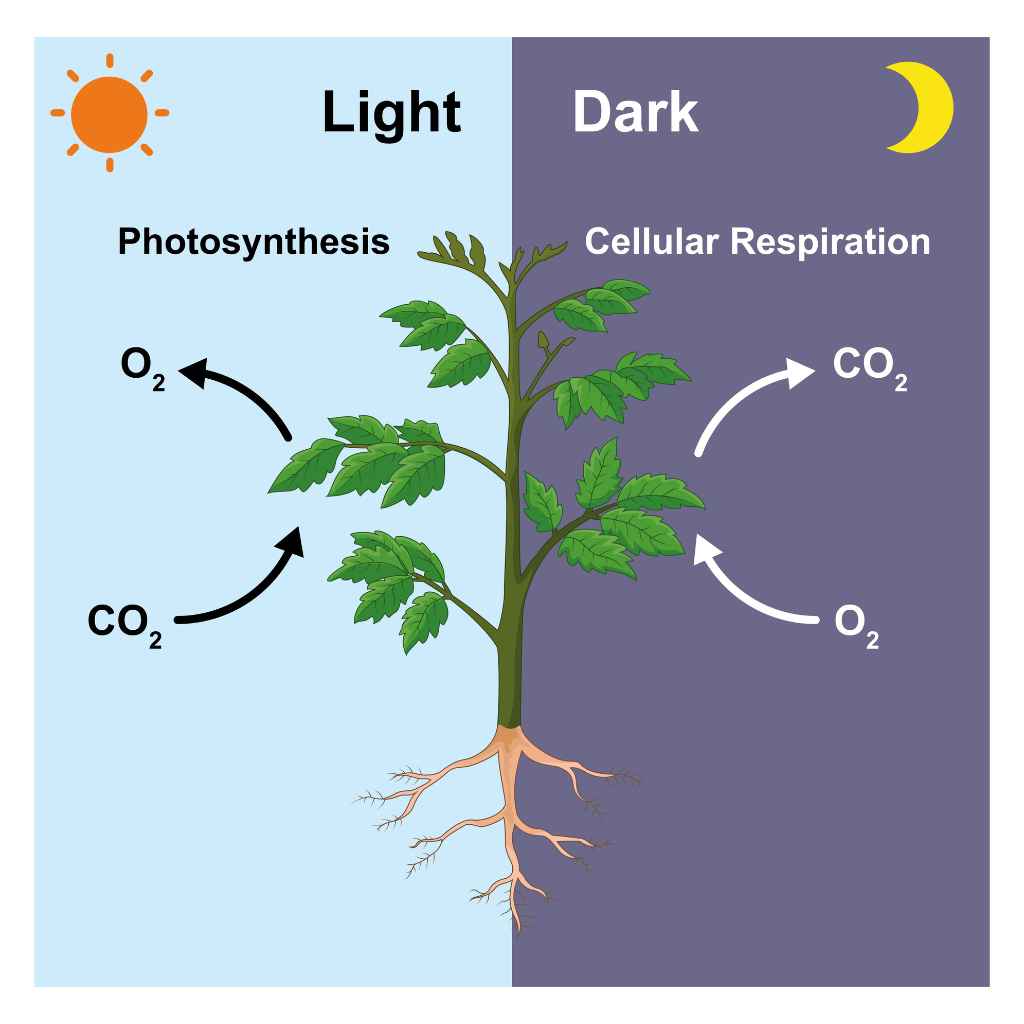
Bacteria that perform oxygenic photosynthesis are certain types of cyanobacteria. They use sunlight, water, and carbon dioxide to create energy and release oxygen. This process is fundamentally the same as what plants do. These microbes play a huge role in Earth’s ecosystems and oxygen levels.
Understanding Oxygenic Photosynthesis
Photosynthesis is a big word. It means making things with light. Oxygenic photosynthesis is a specific type. It uses water as its electron source. This process releases oxygen as a byproduct. Plants are the most famous example. They have leaves packed with chlorophyll. This green stuff captures sunlight.
But plants are not the only ones. Tiny bacteria were doing this long before plants evolved. These are called cyanobacteria. Sometimes people call them blue-green algae. This is a bit of a misnomer. They are bacteria, not algae. They have a remarkable ability. They can convert light energy into chemical energy. This fuels their life. And it helps all of us breathe.
The Incredible Cyanobacteria
Cyanobacteria are ancient. They have been around for billions of years. They likely shaped early Earth’s atmosphere. They are found everywhere. You can see them in oceans, lakes, and rivers. They live in soil. Some even live in hot springs or icy places. Their adaptability is astounding.
These bacteria have special pigments. These pigments capture light. Chlorophyll is one. It’s the same pigment in plants. They also have other pigments. These help them capture different light colors. This makes them very efficient at using solar energy.
How They Make Oxygen
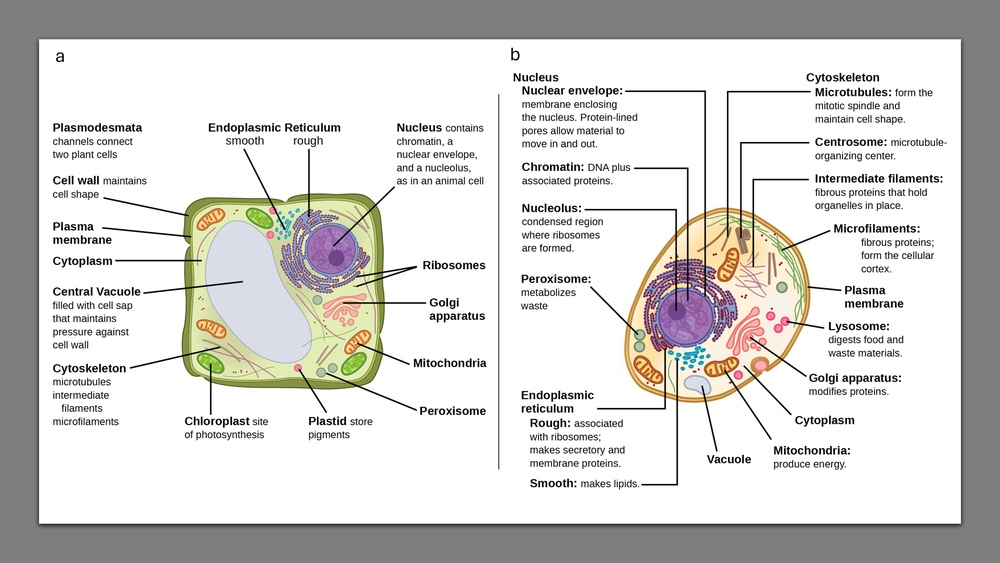
The magic happens inside the cyanobacteria. They have structures similar to plant cells. These are called thylakoids. This is where the light reactions occur. Sunlight hits the pigments. This excites electrons.
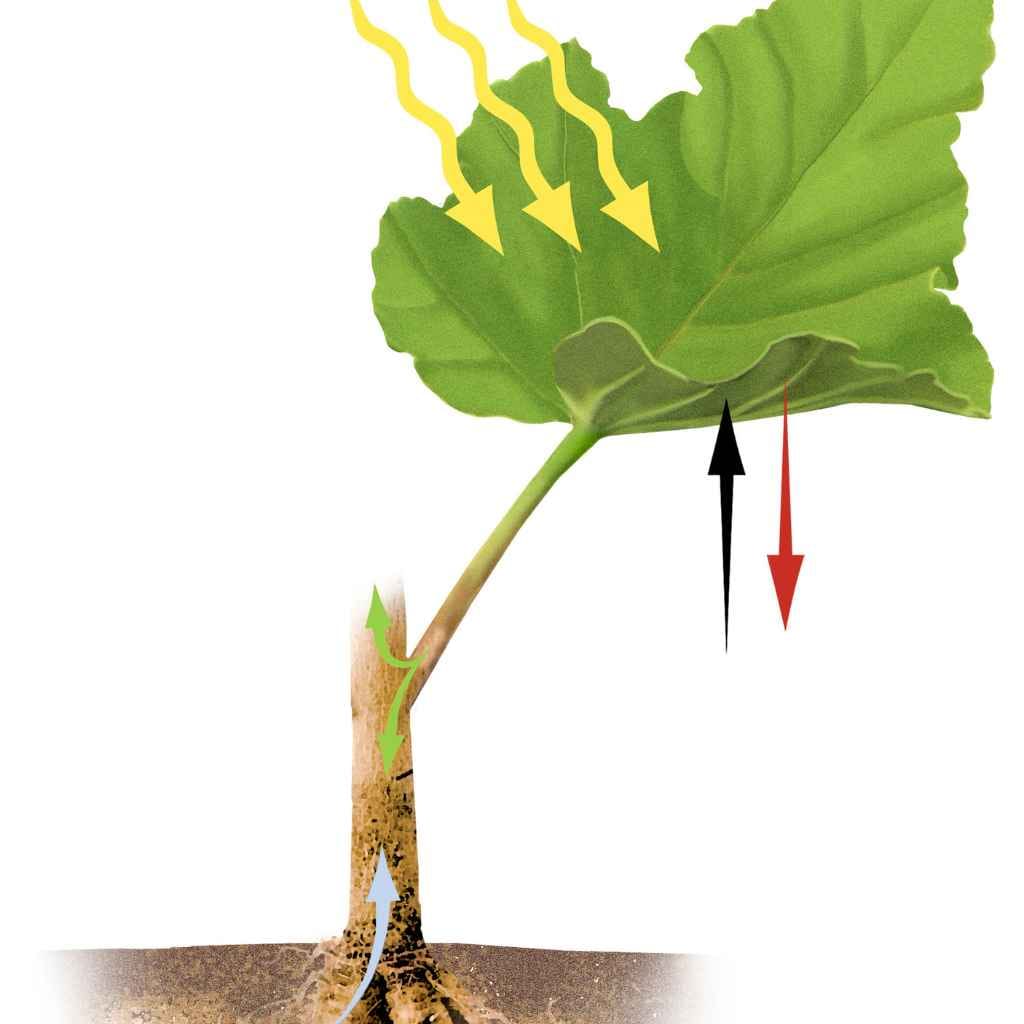
Water molecules are split. This releases electrons. These electrons then move through a chain. This process generates energy. This energy is stored. It’s used to make sugars from carbon dioxide. And here’s the crucial part: when water is split, oxygen is released. This is the oxygen we breathe.
A Deeper Look: The Process Explained Simply
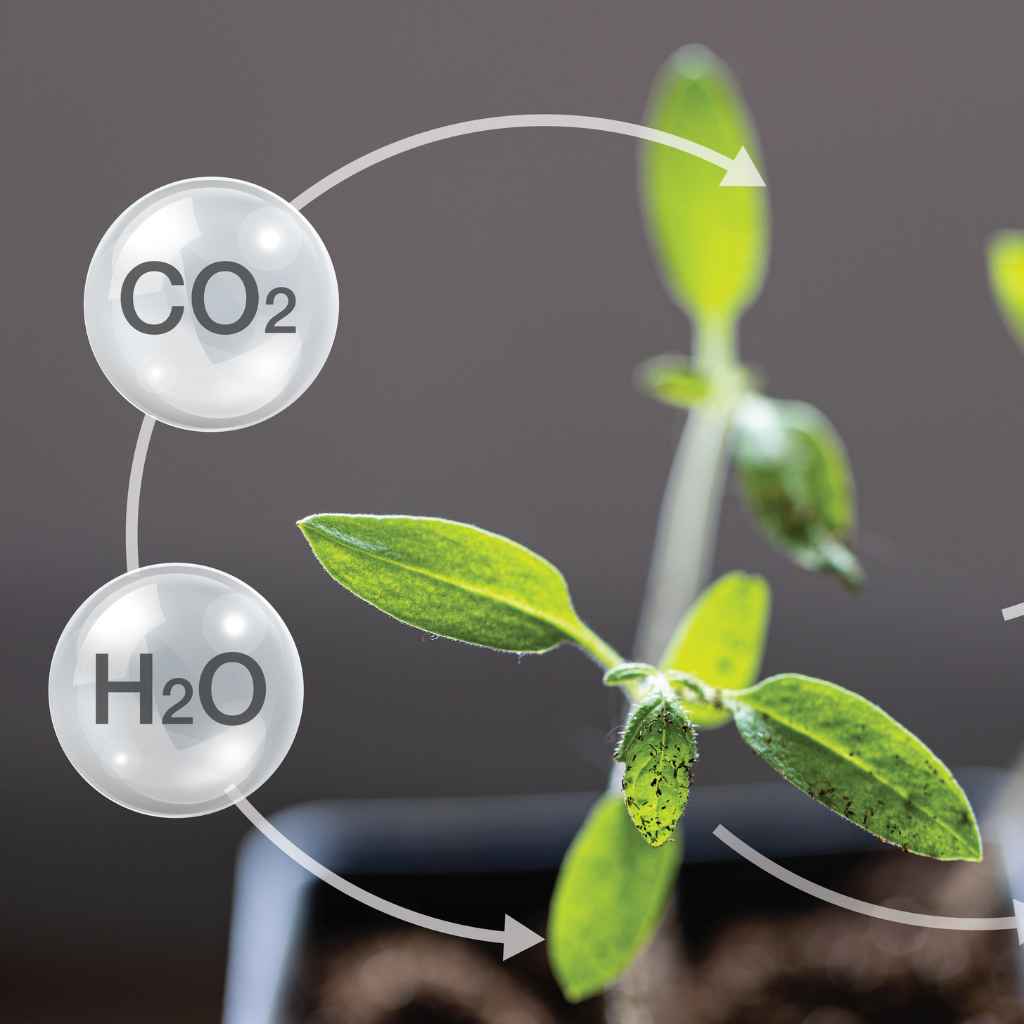
Imagine a tiny factory. Sunlight is the power source. Carbon dioxide is the raw material. Water is also a key ingredient.
1. Light Capture: Pigments like chlorophyll soak up sunlight.
2. Water Splitting: Water (H₂O) is broken apart. This yields electrons, protons, and oxygen.
3. Energy Production: The freed electrons go through a process. This makes energy carriers like ATP and NADPH.
4. Sugar Making: These energy carriers are then used. They convert carbon dioxide (CO₂) into sugars. These sugars are food for the bacteria.
5. Oxygen Release: The oxygen from the water splitting is let out into the environment.
This cycle is vital. It’s the foundation of many food webs. It also produces most of the oxygen on our planet.
Cyanobacteria: Tiny Powerhouses
What they are: Bacteria that perform oxygenic photosynthesis.
Where they live: Oceans, lakes, rivers, soil, extreme environments.
Key ability: Use sunlight to make food and release oxygen.
Their importance: Produce a significant portion of Earth’s oxygen.
My Own “Aha!” Moment with Cyanobacteria
I remember a time I was hiking. We found this pond. It had a thick, green mat on the surface. My friend said, “That’s algae.” I thought about it. It looked fuzzy. It was vibrant green. I assumed it was just common pond scum.
Later, I was reading about early life on Earth. The book talked about cyanobacteria. It explained how they changed the planet. It mentioned their role in oxygen production. Suddenly, I thought back to that pond. Could that green mat have been cyanobacteria?
It clicked. These tiny organisms. They were working silently. Turning sunlight and water into life. And into the air we need. It was a humbling realization. To think that something so small could be so critical. It made me look at ponds and lakes differently. I saw them as places of ancient, powerful work.
The Evolutionary Leap: Why Oxygenic Photosynthesis Matters
Before oxygenic photosynthesis, Earth’s atmosphere was very different. It had little to no free oxygen. Life was mostly simple. It existed in low-oxygen environments. Then, cyanobacteria arrived. They started releasing oxygen.
This was a huge change. It was even toxic to many early life forms. But it paved the way. It allowed for the evolution of new life. Life that could use oxygen. This includes complex organisms. It led to animals, including us.
So, in a way, every breath you take is thanks to these bacteria. It’s a profound connection. Our existence is tied to their ancient activity. They are the silent architects of our breathable world.
Where Do We See Them Today?
Cyanobacteria are everywhere you look, often unnoticed.
Oceans: They are major players in marine ecosystems. They contribute a large percentage of the oxygen produced in the oceans.
Freshwater: Lakes and ponds are common homes. Sometimes, they can grow too much. This causes blooms. These can be harmful.
Soil: They live on soil surfaces. They help keep soil moist. They also add nutrients.
Symbiosis: Some cyanobacteria live with other organisms. They might be part of lichens. Or they can live inside plants. They provide food. The other organism provides protection.
Cyanobacteria in Action: Key Roles
- Oxygen Production: Primary source of atmospheric oxygen.
- Carbon Fixation: Remove carbon dioxide from the air.
- Nutrient Cycling: Help make essential nutrients available.
- Primary Producers: Form the base of many food chains.
The Difference Between Oxygenic and Anoxygenic Photosynthesis
It’s important to know that not all photosynthesis is the same. There’s also anoxygenic photosynthesis. This type is done by other bacteria. They don’t use water as their source. They don’t produce oxygen.
Anoxygenic photosynthesizers use things like hydrogen sulfide. Or they might use hydrogen gas. They release different byproducts. These bacteria live in environments without much oxygen. They are also very old. But oxygenic photosynthesis was the game-changer. It made our oxygen-rich world possible.
Are All Photosynthetic Bacteria Cyanobacteria?
No, not all bacteria that photosynthesize are cyanobacteria. As mentioned, there are anoxygenic photosynthetic bacteria. These use different chemical pathways. They don’t involve water splitting. They don’t release oxygen.
Cyanobacteria are unique because they are bacteria. But they perform oxygenic photosynthesis. This is the same type that plants and algae do. This specific group is known for that.
Common Misconceptions About Cyanobacteria
People often see a green scum. They call it “algae.” Sometimes it is algae. But often, especially in dense mats, it’s cyanobacteria. The term “blue-green algae” is misleading. It lumps them in with a different group.
Another point is their reputation. Sometimes, cyanobacteria cause “blooms.” These can release toxins. This makes them seem like a menace. While true for some species, it’s vital to remember their overall positive impact. They are essential for life on Earth. Most cyanobacteria are harmless and beneficial.
What This Means for Our Environment
The health of cyanobacteria populations is a good indicator. It tells us about water quality. Large blooms can signal too many nutrients in the water. This can come from pollution.
These blooms can affect ecosystems. They can use up oxygen in the water. This harms fish and other aquatic life. Some toxins released can harm animals and people.
On the other hand, healthy cyanobacteria populations are crucial. They keep our atmosphere oxygen-rich. They help regulate carbon dioxide. They are a cornerstone of life.
Cyanobacteria Bloom: What to Watch For
Cause: Excess nutrients (e.g., from fertilizer runoff).
Appearance: Thick, often greenish or bluish-green scum on water.
Potential Risks: Toxin production, oxygen depletion in water.
Action: Avoid contact with affected water. Report to local authorities.
Real-World Scenarios and Observations
Think about the vast oceans. They are not just empty space. They are teeming with microscopic life. Phytoplankton, including cyanobacteria, form the base. Tiny fish eat them. Bigger fish eat those fish. It’s a huge food web. All powered by sunlight captured by these little bacteria.
Consider a forest floor. After rain, you might see a thin green film on rocks or soil. This could be cyanobacteria. They are helping to break down materials. They are enriching the soil. They are preparing it for plants to grow.
In agricultural settings, some cyanobacteria can be helpful. They can fix nitrogen from the air. This acts like fertilizer for crops. Farmers sometimes use specific cyanobacteria. They use them as biofertilizers. This reduces the need for chemical inputs.
When Is It Normal, and When to Worry?
Seeing cyanobacteria is normal. They are a natural part of most aquatic systems. They are often invisible. You might only notice them if they form a visible bloom.
You should worry if you see a very dense, widespread bloom. Especially if it has a strong smell. Or if you notice sick or dead fish nearby. Some cyanobacteria can produce toxins. These can harm pets and humans.
If you suspect a harmful bloom, it’s best to avoid the water. Keep pets and children away. Contact your local environmental agency. They can test the water. They can advise on safety.
Quick Tips for Understanding
Look for green: In water or on damp surfaces, green often means life.
Sunlight is key: Photosynthesis needs light. These bacteria thrive in sunny spots.
Water is essential: They need water to split for oxygen.
Tiny but mighty: Don’t underestimate their impact. They shape our planet.
Frequently Asked Questions About Photosynthetic Bacteria
What exactly is oxygenic photosynthesis?
Oxygenic photosynthesis is a process. It uses sunlight, water, and carbon dioxide. It creates energy (food) for the organism. It also releases oxygen as a byproduct. This is what plants and cyanobacteria do.
Are cyanobacteria the only bacteria that photosynthesize?
No, other bacteria can photosynthesize. But cyanobacteria are unique. They are bacteria that perform oxygenic photosynthesis. Other bacteria perform anoxygenic photosynthesis. This type does not release oxygen.
How are cyanobacteria different from plants?
Cyanobacteria are single-celled prokaryotes. They are very simple cells. Plants are complex, multicellular eukaryotes. They have specialized tissues and organs. However, both use oxygenic photosynthesis.
Can I see cyanobacteria without a microscope?
Yes, sometimes. When cyanobacteria grow in large numbers, they can form visible colonies. This looks like a greenish or bluish-green film or mat on water surfaces or damp soil. These are called blooms.
Why are cyanobacteria important for Earth’s atmosphere?
Cyanobacteria are responsible for producing a significant portion of the oxygen in Earth’s atmosphere. They essentially created the oxygen-rich environment that allows most life today to exist.
Are all cyanobacteria harmful?
No, most cyanobacteria are not harmful. They are vital to ecosystems. However, some species can produce toxins. These can cause problems if they bloom excessively. It’s important to be aware of harmful blooms.
The Unseen Architects of Our Breath
So, next time you see a green pond or take a deep breath, remember the cyanobacteria. These tiny, ancient bacteria are working hard. They are performing oxygenic photosynthesis. They are making food and releasing the oxygen we need. They are truly the unseen architects of our breathable planet. Their story is one of resilience and vital importance. They remind us that even the smallest things can have the biggest impact.