How To Grow Copper Plant Copperleaf The Right Way At Home
The easiest way to grow a Copper Plant (Copperleaf) is to give it bright, indirect light. Keep its soil moist but not soggy. Use well-draining soil. Protect it from frost. With a little attention to its needs, your Copperleaf will show off its beautiful colors.
Understanding the Copper Plant (Copperleaf)
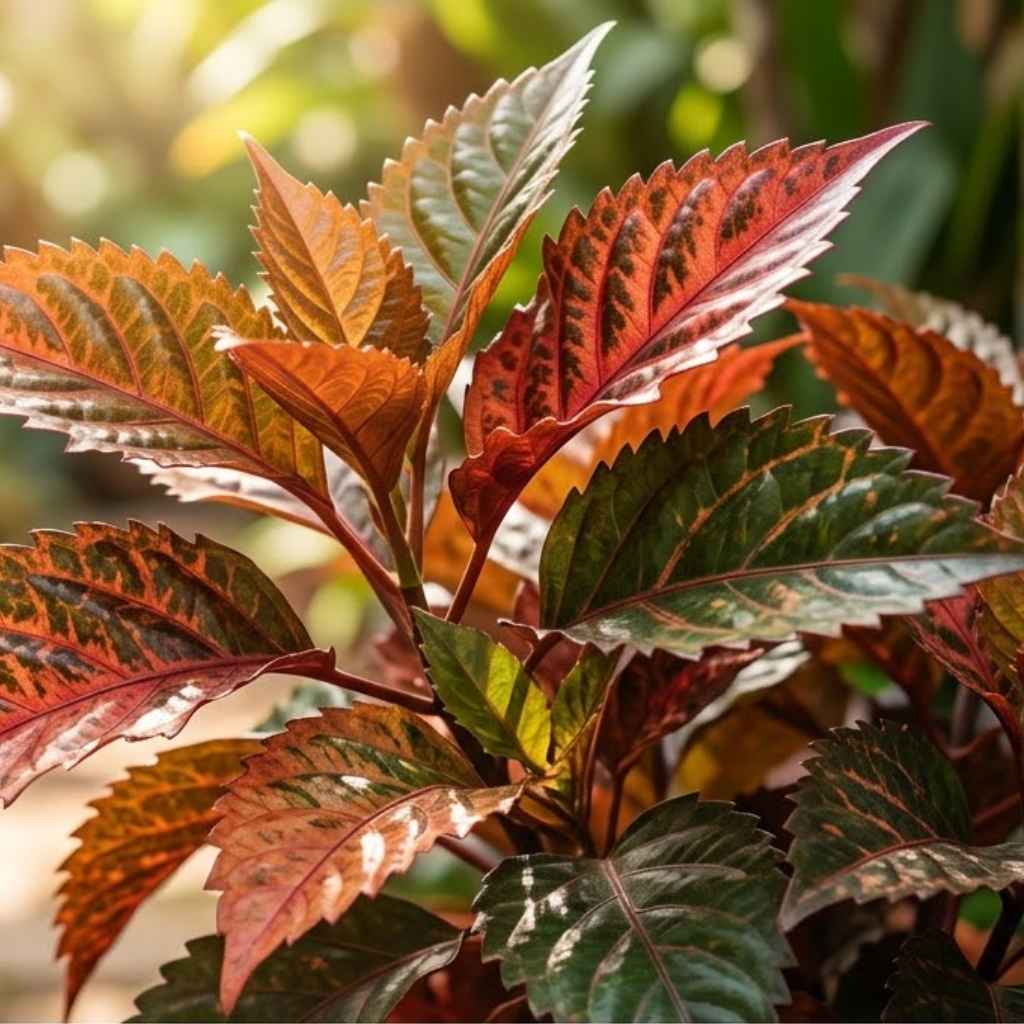
Copperleaf, scientifically known as Acalypha wilkesiana, is a tropical plant. Its leaves are its main attraction. They come in shades of red, bronze, copper, and even pink.
Many leaves have different colors mixed together. They often have jagged edges. This plant can grow quite large in its native habitat.
In homes or gardens, it’s usually kept smaller.
These plants love warm weather. They do not like cold. This means most people in colder climates grow them in pots.
You can bring the pots inside for winter. Or, you can grow them as annuals. Understanding this basic need helps a lot.
It guides where you place your plant. It also tells you when to move it.
The vibrant colors are due to pigments in the leaves. These pigments change with light. More light often means brighter colors.
Less light can make them fade. This is a key point for success. You want to see that coppery glow.
You get that by giving it the right light. The plant also needs good air flow. This helps prevent diseases.
It keeps the leaves looking their best. Think of it like giving your plant a good environment to breathe.
There are many types of Copperleaf. Each has slightly different colors and patterns. Some have very bold splotches.
Others have finer stripes. Knowing your specific variety helps. But the basic care is the same for most.
They all want warmth and light. They all dislike soggy roots. This general care advice will work for nearly all types of Copperleaf you find.

My Own Copperleaf Adventure
I remember the first time I saw a Copperleaf plant. It was at a garden show. The colors were so intense.
They looked almost unreal. I had to have one. I bought a small one in a pot.
I brought it home and placed it on my porch. It was late spring. The sun was bright, but it was filtered by an overhang.
For a few weeks, it looked okay. Then, the edges of the leaves started to curl. Some leaves turned a duller color.
I got worried. I thought maybe it needed more sun. So, I moved it to a spot that got direct morning sun.
That was a mistake. The direct sun scorched the leaves. They turned brown and crispy.
Panic set in. This beautiful plant was dying on me.
I did some research. I learned that direct sun was too harsh. It needed bright, but indirect light.
I also learned that I was letting the soil get too dry between waterings. The plant was stressed. I moved it back to a spot with bright, indirect light.
I started watering it more consistently. I made sure the soil felt damp. It took time.
But slowly, new leaves started to grow. They were vibrant and healthy. That experience taught me a lot.
It showed me that understanding a plant’s specific needs is crucial. It wasn’t just about putting it somewhere sunny. It was about the right kind of sun.
And keeping it happy with water.
Understanding Light Needs
Bright, Indirect Light: This is the sweet spot for Copperleaf. Think of a sunny room. But the plant isn’t in the direct beam of the sun all day.
A south-facing window with a sheer curtain works well. Or, a spot near an east or west window. Outdoors, it needs dappled shade or morning sun.
Avoid harsh, afternoon sun.
Signs of Too Little Light: Leaves may lose color. They might become dull. The plant might stretch out, looking leggy.
New growth can be sparse.
Signs of Too Much Light: Leaf edges can turn brown and crispy. Spots on leaves might look scorched. The colors can become washed out or pale.
Choosing the Right Spot for Your Copperleaf
Where you place your Copperleaf makes a big difference. If you live in a warmer climate, you might grow it outdoors. In this case, choose a spot that gets morning sun.
It should also have some afternoon shade. This protects the leaves from the hottest part of the day. Think about the angle of the sun throughout the year.
You want to avoid harsh direct light when the sun is strongest.
For indoor growing, the location is just as important. A window that faces south is often ideal. However, the plant should not be in direct sun all day.
Use a sheer curtain to filter the light. This provides that bright, indirect glow. If you don’t have a south-facing window, an east or west-facing window can also work.
An east window gets gentle morning sun. A west window gets afternoon sun, which can be stronger. You might need to place it a little further from a west window.
Consider the temperature. Copperleaf loves warmth. It thrives in temperatures between 65°F and 80°F (18°C to 27°C).
It cannot tolerate frost. If you’re growing it outside in a container, you must bring it in before the first frost. Even temperatures below 50°F (10°C) can damage the plant.
Protect it from cold drafts too. This is important if it’s near a window or door.
Air circulation is also vital. Good airflow helps prevent fungal diseases. Place your plant where air can move around it.
Avoid overcrowding it with other plants. If it’s indoors, a ceiling fan on a low setting can help. Ensure it’s not blowing directly on the plant, though.
Still air can lead to problems. It can make the leaves damp. This is an invitation for pests and diseases.
Quick Scan: Ideal Copperleaf Locations
| Indoors: | South window with sheer curtain, East window, West window (slightly further back) |
| Outdoors (Warm Climates): | Dappled shade, Morning sun with afternoon shade, Protected from strong winds |
| Temperature: | 65-80°F (18-27°C) |
| Avoid: | Direct harsh sun, Frost, Cold drafts, Overcrowding |
The Importance of Soil and Watering
Soil is the foundation for any plant’s health. For Copperleaf, good drainage is key. They hate sitting in wet soil.
This can cause root rot. Root rot is a common killer of many plants. It happens when roots don’t get enough air.
They drown in soggy soil. Use a potting mix that drains well. A good choice is a mix for tropical plants or cacti and succulents.
You can also add perlite or sand to a regular potting mix.
When you plant your Copperleaf, make sure the pot has drainage holes. This is non-negotiable. Even the best soil won’t help if the water can’t escape.
When watering, aim to keep the soil evenly moist. But not soaked. It’s like a wrung-out sponge.
The soil should feel damp to the touch. But you shouldn’t see water pooling on the surface or in the saucer.
How often you water depends on many things. The pot size, the temperature, and the light all play a role. In warmer months, you’ll water more often.
In cooler months, you’ll water less. The best way to know is to check the soil. Stick your finger about an inch or two into the soil.
If it feels dry, it’s time to water. If it feels moist, wait a bit longer.
Avoid letting the soil dry out completely. This can also stress the plant. It can cause leaf drop.
Overwatering is more common than underwatering for these plants. People often think more water is always better. But for Copperleaf, that’s not true.
It’s a balancing act. Aim for consistency.
Using the right water can also help. Tap water can sometimes contain chemicals. These might build up in the soil over time.
If your tap water is heavily treated, let it sit out for 24 hours. This allows some of the chlorine to evaporate. Or, use filtered water or rainwater.
These are often gentler on your plants.
Watering Tips for Copperleaf
Check the Soil: Stick your finger about 1-2 inches deep.
Water When Dry: If the soil feels dry, water thoroughly.
Drainage is Key: Ensure pots have drainage holes.
Avoid Soggy Soil: Never let the plant sit in standing water.
Adjust for Seasons: Water less in cooler months, more in warmer months.
Consider Water Type: Filtered or rainwater is best if tap water is harsh.
Feeding Your Copperleaf
Copperleaf plants are not heavy feeders. They don’t need a lot of fertilizer. In fact, too much fertilizer can harm them.
It can burn the roots. It can also cause excessive, weak growth. The goal is to support healthy growth and vibrant color.
During the growing season, which is spring and summer, you can fertilize. Use a balanced liquid fertilizer. Look for one that’s about 10-10-10.
This means it has equal parts nitrogen, phosphorus, and potassium. Dilute the fertilizer to half strength. This means using half the amount recommended on the package.
This is a gentler approach.
Feed your plant about once a month. Do not fertilize in the fall or winter. This is when the plant is resting.
It doesn’t need extra nutrients. Fertilizing during this time can do more harm than good. It can disrupt its natural cycle.
Signs of over-fertilizing include white crusty salt buildup on the soil surface. You might also see yellowing leaves or brown leaf tips. If you suspect over-fertilizing, you can flush the soil.
Water the plant thoroughly. Let the water drain away completely. This helps wash out excess salts.
A good potting mix usually has enough nutrients for the first few months. So, you don’t need to fertilize right after repotting. Wait a month or two.
Then, start your regular feeding schedule. Remember, it’s better to under-fertilize than to over-fertilize. Your plant will thank you for the moderation.
Fertilizer Do’s and Don’ts
DO: Use a balanced liquid fertilizer (e.g., 10-10-10).
DO: Dilute to half strength.
DO: Fertilize once a month during spring and summer.
DO: Flush soil if you suspect over-fertilizing.
DON’T: Fertilize in fall or winter.
DON’T: Use fertilizer at full strength.
DON’T: Over-fertilize; it can harm the plant.
Pruning and Shaping Your Copperleaf
Pruning is important for Copperleaf. It helps keep the plant looking tidy. It also encourages bushier growth.
If left unchecked, Copperleaf can become leggy. It can grow tall and sparse. This is especially true if it’s not getting enough light.
The best time to prune is in the spring. This is when the plant is starting its active growth period. You can prune to shape the plant.
You can remove any dead or damaged branches. You can also pinch back the tips of stems. This encourages the plant to branch out.
Pinching means cutting or snapping off the very top of a stem.
Use clean, sharp pruning shears or scissors. This makes a clean cut. It helps prevent disease.
When you prune, cut just above a leaf node. A leaf node is where a leaf attaches to the stem. New growth will emerge from this point.
If your plant has become very leggy, you can do a harder prune. You can cut back the stems significantly. This will encourage new growth from lower down on the stems.
It might look bare for a little while. But with time and the right conditions, it will fill out again. This process is sometimes called rejuvenation pruning.
You can also use cuttings from pruned branches. These can be used to start new plants. This is a great way to share your Copperleaf.
Or, to have backups. Dip the cut end in rooting hormone. Then, place it in moist potting soil or water.
Keep it in a warm place with bright, indirect light. Roots should form within a few weeks.
Regular pruning, even just pinching back the tips, makes a big difference. It keeps the plant compact. It also makes the colors more intense.
A healthy, well-pruned plant is a beautiful addition to any space. It shows you’re paying attention to its needs. And it rewards you with stunning foliage.
Pruning Guide:
When: Spring, at the start of the growing season.
Why: To shape, encourage bushiness, and remove dead/damaged parts.
How: Use clean, sharp tools. Cut just above a leaf node.
Pinching: Pinch back stem tips to promote branching.
Hard Pruning: For leggy plants, cut back stems significantly.
Propagation: Use cuttings to start new plants.
Common Problems and How to Solve Them
Even with the best care, plants can sometimes face issues. Copperleaf is generally robust. But a few problems can pop up.
Understanding them helps you act quickly.
Leaf Drop: This is often a sign of stress. It could be due to changes in temperature. It could be from overwatering or underwatering.
Or, it might be from a change in light. If leaves are falling off, assess your watering and light. Has anything changed recently?
Try to maintain consistent conditions.
Yellowing Leaves: This can mean a few things. It often points to overwatering. The roots are suffocating.
Check the soil moisture. If it’s too wet, let it dry out. Reduce watering frequency.
It can also be a sign of nutrient deficiency. If the soil is draining well and you haven’t fertilized, consider a diluted feed. But always rule out overwatering first.
Brown Leaf Tips or Edges: This usually indicates that the air is too dry. Copperleaf plants like a bit of humidity. Dry indoor air, especially in winter, can cause this.
You can increase humidity by misting the leaves. You can also place the pot on a pebble tray filled with water. Make sure the pot isn’t sitting directly in the water.
Grouping plants together can also help raise local humidity.
Pests: Watch out for common houseplant pests like spider mites, mealybugs, and whiteflies. These sap-sucking insects can weaken the plant. They can also cause leaf damage.
Inspect your plant regularly. Look under leaves and on stems. If you see pests, act fast.
For small infestations, you can wipe them off with a damp cloth. You can also use insecticidal soap or neem oil. Follow the product instructions carefully.
Lack of Color: If your Copperleaf isn’t showing its vibrant colors, it’s likely a light issue. It needs bright, indirect light to produce those pigments. Move it to a sunnier spot.
But remember to avoid direct, harsh sunlight. Sometimes, the plant is just healthy but not getting enough stimulation for peak color. More light, within its limits, is the answer.
Problem/Solution Match
Problem: Leaf Drop
Cause: Stress (light, water, temp changes).
Solution: Check and stabilize conditions (light, water, temp).
Problem: Yellowing Leaves
Cause: Overwatering, nutrient deficiency.
Solution: Check soil moisture, reduce watering. Consider diluted fertilizer if conditions are good.
Problem: Brown Leaf Tips/Edges
Cause: Dry air.
Solution: Increase humidity (misting, pebble tray, group plants).
Problem: Pests (Mites, Mealybugs)
Cause: Infestation.
Solution: Wipe off pests, use insecticidal soap or neem oil.
Problem: Lack of Vibrant Color
Cause: Insufficient light.
Solution: Move to a brighter location with indirect light.
Repotting Your Copperleaf
Copperleaf plants grow. Eventually, they will outgrow their pots. Repotting gives them fresh soil.
It also gives them more room to grow their roots. The best time to repot is in the spring.
How do you know when it’s time? If you see roots growing out of the drainage holes, it’s a sign. If the plant dries out very quickly after watering, that’s another clue.
It means the soil can’t hold much water. The plant might also look generally unhappy or stunted.
Choose a new pot. It should be about 1-2 inches larger in diameter than the current pot. Make sure the new pot has drainage holes.
Use a good quality potting mix. The same kind you use for planting initially will work well.
When you remove the plant from its old pot, be gentle. If it’s stuck, you can run a knife around the edge of the pot. This loosens the soil.
Gently ease the plant out. Inspect the roots. If they are tightly wound around the bottom (root-bound), you can gently loosen them.
You can tease them apart a bit. This encourages them to grow outwards into the new soil.
Place a layer of fresh soil in the bottom of the new pot. Set the plant in the pot. The top of the root ball should be about an inch below the rim.
Fill in the sides with new soil. Press down gently to remove air pockets. Water the plant well after repotting.
This helps settle the soil.
After repotting, place the plant in its usual spot. Avoid direct sunlight for a few days. It’s recovering from the stress of repotting.
Don’t fertilize for about a month. Let the plant adjust to its new home. Repotting every 1-2 years is usually sufficient.
Depending on how fast your plant grows.
Repotting Checklist
When: Spring.
Signs: Roots out of holes, dries out fast, stunted growth.
New Pot Size: 1-2 inches larger in diameter.
Soil: Good quality, well-draining potting mix.
Root Care: Gently loosen root-bound roots.
Aftercare: Water well, avoid direct sun for a few days, no fertilizer for one month.
Understanding Different Varieties
The world of Copperleaf plants is diverse. While the core care remains the same, the visual appeal varies greatly. This makes choosing a plant even more exciting.
Each variety offers a unique palette of colors and patterns.
One popular type is Acalypha wilkesiana ‘Musaica’. This variety is known for its striking mosaic-like patterns. The leaves often have a mix of bronze, green, and red.
The colors are arranged in irregular blotches. It looks like a painted canvas. The edges are often serrated, adding to its texture.
Another striking variety is ‘Godseffiana’. This cultivar often features creamy white or yellow margins. These contrast sharply with the coppery or reddish centers.
The patterns can be very bold and defined. It brings a bright, eye-catching element to a garden or home.
There’s also ‘Fire and Ice’. As the name suggests, this variety boasts fiery red and orange tones. These blend with deep bronze or brown hues.
The coloration is intense. It really stands out. The leaf shape is typical of Copperleaf, with those jagged edges.
Some varieties might be more compact. Others can grow quite large if given the space. When you’re at a nursery, take a close look at the labels.
Often, they will indicate the specific cultivar. This helps you know what to expect in terms of color and size.
No matter the variety, they all share the same fundamental needs. Bright, indirect light is crucial for their colors. They need well-draining soil and consistent moisture.
And they must be protected from cold. Exploring different varieties is a fun way to appreciate the beauty of these plants.
Popular Copperleaf Varieties:
‘Musaica’: Mosaic-like patterns with bronze, green, and red.
‘Godseffiana’: Creamy white or yellow margins with coppery centers.
‘Fire and Ice’: Fiery red and orange tones mixed with deep bronze.
Key takeaway: All varieties need similar care: bright indirect light, good drainage, and warmth.
When is Copperleaf a Good Fit for Your Home?
Copperleaf plants are wonderful for adding a tropical flair and vibrant color. They are a great choice if you enjoy plants with striking foliage. If you have a sunny spot that receives bright, indirect light, your Copperleaf will likely be happy.
They are also suitable for gardeners who enjoy container gardening. Because they are sensitive to frost, many people grow them in pots. This allows them to move the plant indoors when the weather turns cold.
This is common in most parts of the United States, except for the warmest tropical regions.
If you are someone who likes to see dramatic color changes in your plants, Copperleaf is a good pick. Its colors are most vibrant with ample light. It’s a plant that really shows off when it’s happy.
This can be very rewarding for a plant owner.
However, Copperleaf might not be the best choice for everyone. If you live in a very cold climate and prefer to leave all your plants outdoors year-round, this might not work. You will need to bring it inside during winter.
If you struggle with watering consistency, you might find it challenging. Overwatering is a common pitfall.
Also, if you have pets that tend to chew on plants, you should be cautious. Like many plants, Copperleaf can be mildly toxic if ingested. It’s always a good idea to research any plant’s toxicity if you have curious pets or small children.
Overall, Copperleaf is a plant that rewards attentive care with stunning beauty. It’s not the most difficult plant to grow. But it does have specific needs.
If you can meet those needs, it will be a spectacular addition to your collection.

Frequently Asked Questions about Growing Copperleaf
What is the best soil for a Copper Plant?
Copper Plants need well-draining soil. A good potting mix for tropical plants works well. You can also add perlite or coarse sand to improve drainage.
Ensure the pot has drainage holes to prevent waterlogged soil, which can lead to root rot.
How much light does a Copperleaf plant need?
Copperleaf plants thrive in bright, indirect light. They need enough light to develop their vibrant colors. Avoid direct, harsh sunlight, especially afternoon sun, as it can scorch the leaves.
A spot near a south-facing window with a sheer curtain is often ideal.
How often should I water my Copperleaf?
Water your Copperleaf when the top inch or two of soil feels dry. Aim to keep the soil consistently moist but not soggy. The frequency will vary based on temperature, humidity, and light.
It’s better to underwater slightly than to overwater, as soggy soil can cause root rot.
Can I grow Copperleaf indoors in winter?
Yes, Copperleaf plants are tropical and cannot tolerate frost. If you live in a region with cold winters, you must bring your potted Copperleaf indoors before the first frost. Keep it in a warm location with bright, indirect light.
Protect it from cold drafts.
Why are the colors on my Copperleaf fading?
Fading colors usually indicate insufficient light. Copperleaf plants need ample bright, indirect light to produce their most vibrant reds, bronzes, and coppers. Try moving the plant to a location with more light.
Ensure it’s not getting too much direct, harsh sun, which can cause leaf scorch.
What are common pests that affect Copperleaf plants?
Common pests include spider mites, mealybugs, and whiteflies. Inspect your plant regularly, especially the undersides of leaves. If you find pests, you can remove them manually with a damp cloth, or use insecticidal soap or neem oil.
Treat infestations promptly to prevent widespread damage.
Bringing It All Together
Growing a beautiful Copperleaf plant is achievable with a little know-how. The key is providing bright, indirect light. Keep its soil evenly moist, but not wet.
Protect it from the cold. Regular pruning will help it stay full and vibrant. Pay attention to its needs.
Watch for signs of stress. Your Copperleaf will reward you with its stunning, colorful foliage. Enjoy the tropical beauty it brings to your home or garden.