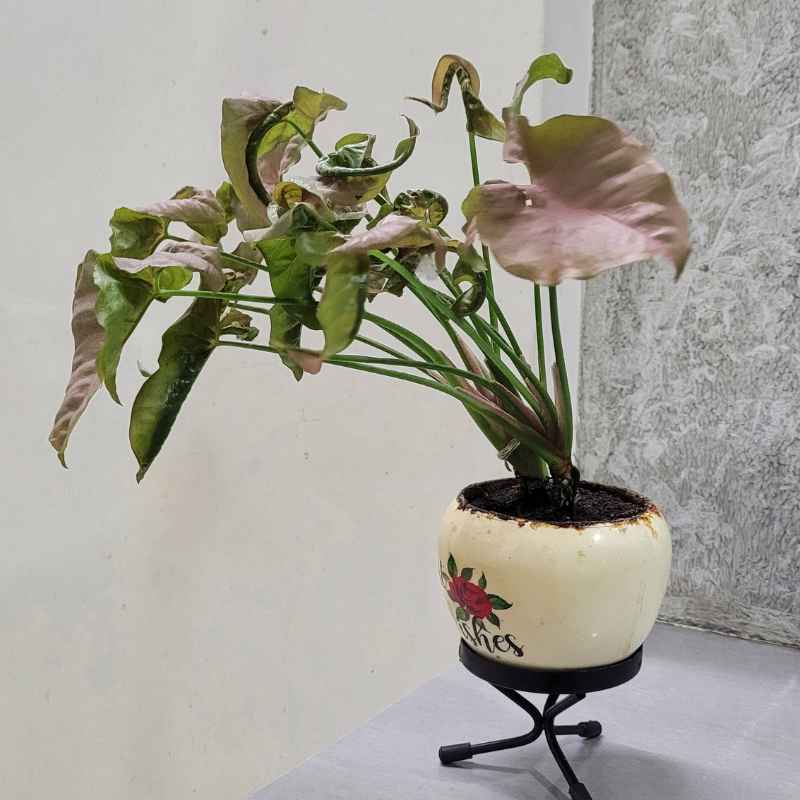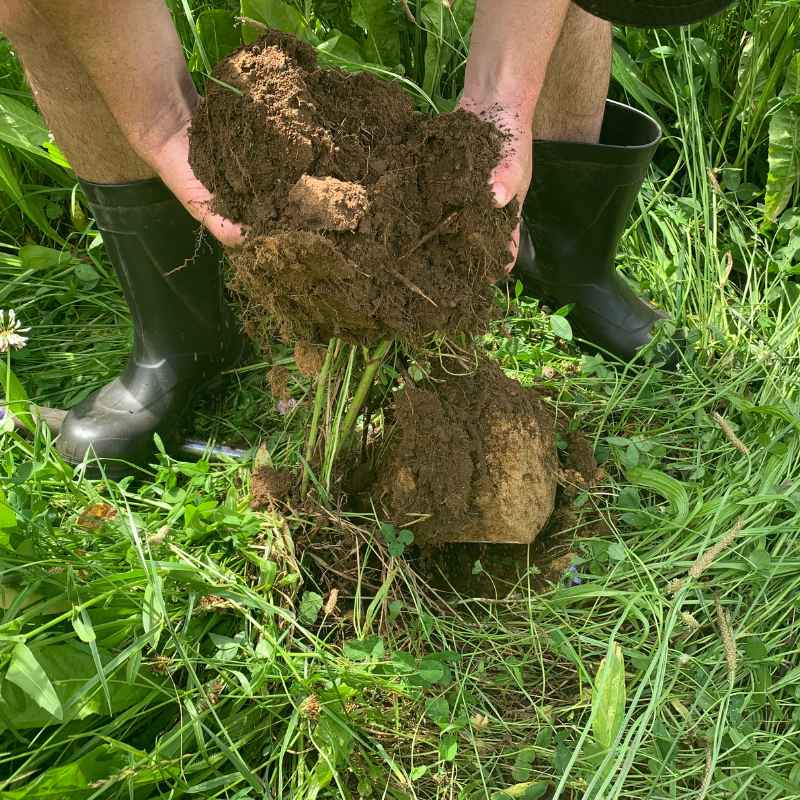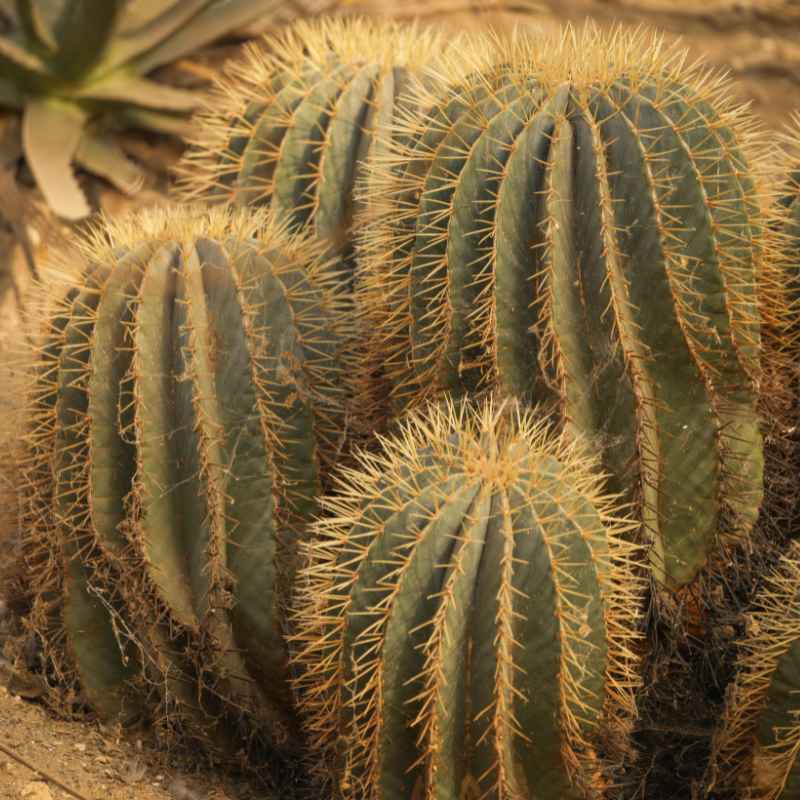

The two primary biomes that contain plants adapted to dry conditions are deserts and grasslands. These biomes feature environments with low rainfall, and their plant life has evolved specialized traits for survival.
Understanding Arid Biomes
Arid biomes are places that get very little rain. This lack of water shapes everything there. It affects the soil, the animals, and especially the plants.
Plants in these areas have special ways to store water. They also have ways to get water when it’s scarce. Some plants have very deep roots.
Others have waxy leaves to stop water from escaping. Many plants in these dry places bloom only after a rare rain shower.
There are different kinds of dry places. Some are very hot, like the Sahara Desert. Others can be quite cold, like the Gobi Desert.
Grasslands are also considered dry biomes. While they get more rain than deserts, it’s often not enough for large trees to grow. Instead, grasses and hardy shrubs take over.
These plants are built to handle periods of drought. They can regrow quickly when water returns.
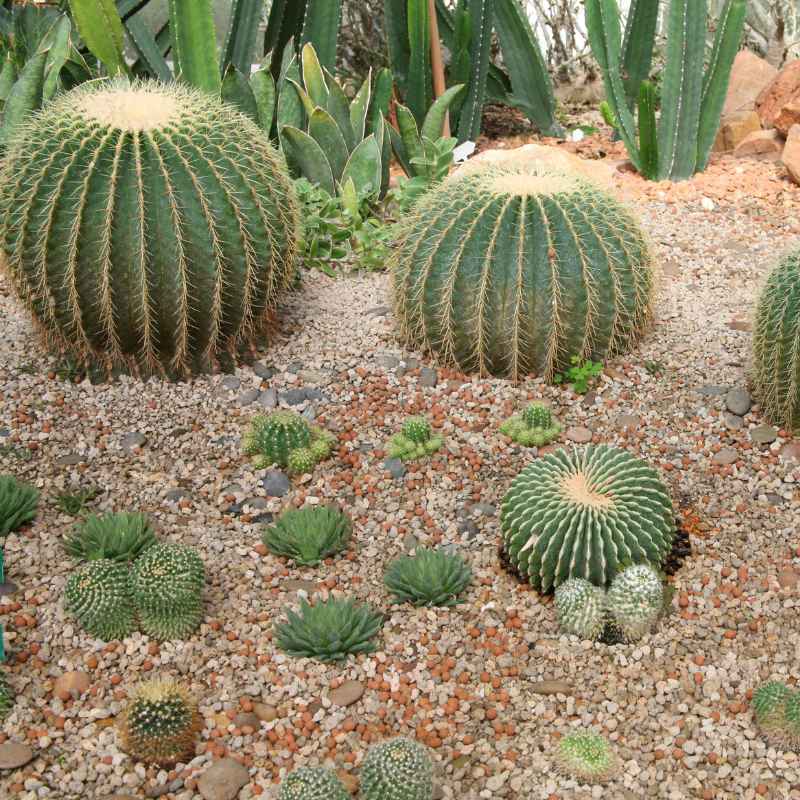
Deserts: The Driest of the Dry
Deserts are defined by their extreme lack of precipitation. Most deserts receive less than 10 inches of rain per year. This makes them the most challenging environments for plant life.
Yet, life finds a way. Plants in deserts have amazing adaptations. These allow them to thrive where other plants would quickly perish.
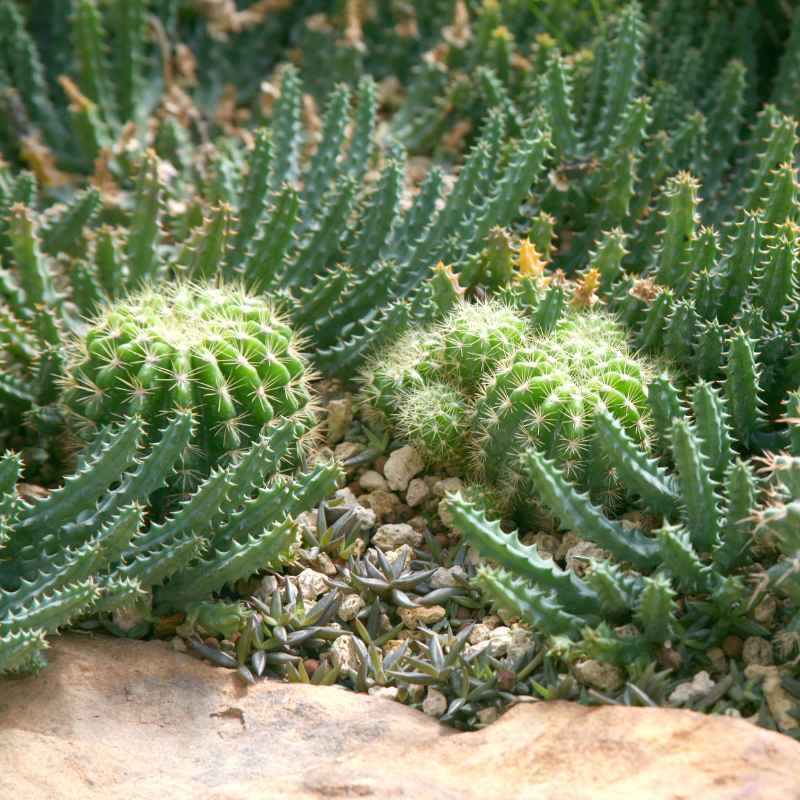
One common adaptation is water storage. Many desert plants, like cacti, have thick, fleshy stems. These stems store large amounts of water.
Their skin is often waxy and tough. This coating helps prevent water loss through evaporation. Cacti also have spines instead of leaves.
These spines reduce water loss and protect the plant from thirsty animals. Some desert plants, like the ocotillo, are deciduous. They shed their leaves during dry spells.
They grow new leaves only when it rains.
Root systems are another crucial adaptation. Many desert plants have shallow, widespread roots. These roots can quickly soak up any surface water from infrequent rains.
Other plants have very deep taproots. These roots can reach down to underground water sources. This allows them to access water that other plants cannot reach.
The timing of plant life cycles is also important in deserts. Many desert plants are ephemerals. These are small plants that grow, flower, and produce seeds very quickly.
They complete their life cycle in just a few weeks after a rain. The seeds can then lie dormant in the soil for years, waiting for the next rainfall to sprout.
Some deserts have unique plants that are not found anywhere else. The Joshua tree is a famous example. It’s a type of yucca that looks like it’s from another planet.
It has tough, spiky leaves and can survive with very little water. The saguaro cactus is another iconic desert plant. It can live for hundreds of years and store thousands of pounds of water.
The soil in deserts is often sandy or rocky. It doesn’t hold much water. This adds to the challenge for plants.
Plants must be able to get nutrients from this poor soil. They also need to anchor themselves well in loose soil.
Grasslands: Where Grass Rules
Grasslands are vast areas covered mainly by grasses. They receive more rainfall than deserts, but still not enough to support forests. Typical grassland rainfall ranges from about 10 to 30 inches per year.
This is enough for grasses to grow well, but trees are limited. Trees need more consistent water. They are often found only near rivers or in areas with higher soil moisture.
Grasses are incredibly resilient plants. Their survival in dry conditions is due to several key features. The most important is their root system.
Grasses have dense, fibrous root systems. These roots grow deep into the soil. They help hold the soil together.
They also allow the grass to absorb water efficiently. When the top part of the grass dies back during dry periods, the roots remain alive. They can quickly send up new shoots when conditions improve.
Another adaptation is how grasses grow. New growth in grasses happens at the base of the plant, near the soil. This is called the crown.
Because the crown is close to the ground, it is protected from grazing animals and fires. Fires are common in grasslands. They can clear out dead vegetation.
This allows new grass to grow. It also helps keep trees from taking over.
Some grasslands have periods of drought. During these times, grasses can go dormant. Their leaves might turn brown and brittle.
But the plant is not dead. It is waiting for rain. Once water is available, the grass quickly turns green again.
This ability to bounce back is vital for grassland survival.
The types of grasses vary depending on the specific grassland. In drier regions, short grasses dominate. These are often called steppes.
In areas with more rainfall, taller grasses grow. These are common in places like the American prairie. Some grasslands also have wildflowers and small shrubs mixed in.
These plants have also adapted to the dry spells and seasonal changes.
The soil in grasslands is often fertile. This is because of the decaying organic matter from the dense grass roots. Even though water can be scarce at times, the rich soil helps support plant life when it does rain.
Key Plant Adaptations in Dry Biomes
Water Storage: Fleshy stems (cacti), thick leaves.
Reduced Water Loss: Waxy coatings, spines instead of leaves, small leaves, shedding leaves.
Efficient Water Uptake: Deep taproots, shallow widespread roots.
Dormancy: Waiting for rain, quick regrowth.
Life Cycle Timing: Fast-growing ephemerals after rain.
Why These Biomes Are Similar
Both deserts and grasslands are defined by a lack of consistent, abundant water. This is the main factor that forces plant adaptations. While deserts are more extreme, the underlying principles of survival are similar.
Both biomes have plants that can withstand long periods without rain. They also have plants that can utilize water very efficiently when it is available. The soil conditions in both can be challenging.
This means plants need strong root systems. They need to be tough.
The cycles of life in these biomes are also tied to water availability. Blooming, reproduction, and growth are often triggered by rainfall. This creates distinct patterns in the landscape.
Real-World Context and Scenarios
Imagine driving through Arizona. You see vast landscapes dotted with cacti of all shapes and sizes. The ground might look dry and cracked.
Yet, life is abundant in its own way. Cacti stand tall, storing water for months. Small, tough shrubs cling to the rocky soil.
This is a classic desert scene. The plants here are built for this extreme dryness. They have learned to survive on very little.
Now, picture the American Midwest. Endless fields of grass stretch to the horizon. During the summer, the sun can be intense.
Rain might be scarce for weeks. The grass turns golden brown. It looks dead.
But deep underground, the roots are alive. When the rains finally come, the prairie bursts back into vibrant green. This is a grassland in action.
The grasses are waiting patiently for their chance to grow.
In both scenarios, the plants are not passive. They have active strategies. They are always working to find and conserve water.
This is a constant battle for survival in arid environments. It shapes the entire ecosystem.
Contrast Matrix: Desert vs. Grassland Plant Life
Desert Plants
Dominant Forms: Cacti, succulents, shrubs, short-lived ephemerals.
Water Needs: Extremely low; survive long droughts.
Root Systems: Often widespread and shallow, or very deep taproots.
Leaf Adaptations: Spines, waxy coatings, reduced size, or absent leaves.
Precipitation: Less than 10 inches per year.
Grassland Plants
Dominant Forms: Grasses, wildflowers, some shrubs.
Water Needs: Low to moderate; can withstand seasonal droughts.
Root Systems: Dense, fibrous, and deep.
Leaf Adaptations: Narrow blades, ability to go dormant, grow from crown.
Precipitation: 10-30 inches per year.
What This Means for You
When you see plants thriving in dry conditions, it’s a sign of nature’s incredible power. It shows us that life can adapt to almost anything. For gardeners, understanding these biomes offers lessons.
If you live in a dry climate, you can learn from these plants.
It’s normal for plants in these regions to look different. They might not have the lush green leaves you see in wetter places. Their shapes are often unusual.
This is not a sign of distress. It’s a sign of successful adaptation. Plants that survive in dry biomes are often very low-maintenance.
They don’t need constant watering.
When should you worry? If a plant native to a dry area looks wilted and stressed even after some rain, there might be an issue. This could be disease or a pest problem.
Or perhaps the soil drainage is too poor. However, most of the time, the plants you see in deserts and grasslands are exactly where they are supposed to be. They are perfectly suited to their environment.
You can easily check if your plants are stressed by dry conditions. Look for wilting that doesn’t recover. Check if leaves are yellowing or dropping excessively when they shouldn’t be.
For most plants in dry biomes, this means they are getting too much water, not too little.
Quick Scan: Dry-Adapted Plant Features
- Deep Roots: Reach water below the surface.
- Water-Holding Tissues: Fleshy parts to store water.
- Reduced Surface Area: Small leaves or spines to minimize water loss.
- Waxy Coatings: A barrier against evaporation.
- Dormancy Periods: Waiting for favorable conditions.
- Fast Growth Cycles: Completing life quickly after rain.
Tips for Dry Gardens
If you are inspired by the plants in dry biomes, you can incorporate their principles into your own garden. This is often called xeriscaping. It means landscaping with water conservation in mind.
Choose native plants: Plants that grow naturally in your region are already adapted to the local climate. They will need less water and care. They also support local wildlife.
Improve soil drainage: Most dry-adapted plants hate sitting in soggy soil. If your soil is heavy clay, amend it with sand or gravel to improve drainage. Raised beds are also a great option.
Mulch wisely: A layer of mulch around your plants helps keep the soil moist. It also reduces weed growth. Use gravel, small rocks, or organic mulches like wood chips.
Water deeply and infrequently: When you do water, water thoroughly. This encourages roots to grow deeper into the soil. Avoid frequent, shallow watering, which leads to shallow roots.
Group plants by water needs: Put plants with similar watering requirements together. This makes watering your garden much more efficient.
Myth vs. Reality About Dry Biomes
Myth
All dry places are hot deserts with sand.
Reality
Deserts can be hot or cold. Grasslands are also dry biomes, often with more moderate temperatures.
Myth
Plants in dry areas are not diverse.
Reality
Deserts and grasslands have a wide variety of specialized plants with unique survival strategies.
Frequently Asked Questions
What is the main difference between desert and grassland plants?
The main difference is the amount of water they need and can tolerate. Desert plants are adapted to extreme drought, often with highly specialized water storage or drought-evasion strategies. Grassland plants can handle drier periods than forests but generally need more consistent moisture than desert plants.
Are there any plants that can survive with almost no water at all?
While no plant can survive with absolutely no water, some desert plants are extremely efficient. They can go for very long periods without rain, sometimes years. They achieve this through a combination of water storage, reduced water loss, and dormancy.
Why do some desert plants have spines instead of leaves?
Spines are actually modified leaves. They serve two main purposes: reducing water loss by minimizing surface area exposed to the sun and wind, and protecting the plant from animals that might want to eat it for its stored water.
What does “dormancy” mean for a grassland plant?
Dormancy means the plant is alive but not actively growing. For grassland plants, this often means their above-ground parts (leaves) die back during dry or cold periods. The roots, however, remain alive and well underground, ready to sprout new growth when conditions improve.
Can plants from deserts grow in grasslands, or vice-versa?
Some plants might tolerate the conditions of the adjacent biome, but generally, plants are highly adapted to their specific environment. A desert plant might struggle with the slightly higher moisture in a grassland, and a grassland plant might not survive the extreme dryness of a desert.
How do grassland plants help prevent soil erosion?
The dense, fibrous root systems of grasses act like a net. They hold the soil together very effectively. This prevents wind and rain from washing or blowing the soil away, which is crucial in areas that can experience dry spells or heavy downpours.
What is the role of fire in grasslands?
Fire is a natural part of many grassland ecosystems. It helps clear away dead plant material. This allows sunlight to reach the soil, promoting new grass growth.
Fire also helps prevent shrubs and trees from taking over, thus maintaining the grassland biome.
Conclusion
The two main biomes where plants thrive in dry conditions are deserts and grasslands. Each has unique plants with amazing ways to survive scarcity. They store water, reduce loss, and often wait patiently for rain.
These hardy species show us the resilience of nature.