How Many Grape Plants To Grow For The Backyard Gardener
Growing your own grapes feels like a dream, doesn’t it? You picture rows of lush vines, the sweet smell of ripening fruit, and maybe even making your own wine. But then the question pops up: How much space do I really need?
And how many plants should I start with? It’s easy to feel a bit lost when you’re just starting out. We’ve all been there, staring at a bare patch of yard and wondering if we’re about to embark on a huge project or a manageable hobby.
Don’t worry, we’re going to break it all down. You’ll learn what to expect from each plant. We’ll also talk about how much space they need.
By the end, you’ll feel confident in deciding just how many grape plants are right for your backyard. Let’s get your grape-growing adventure started!
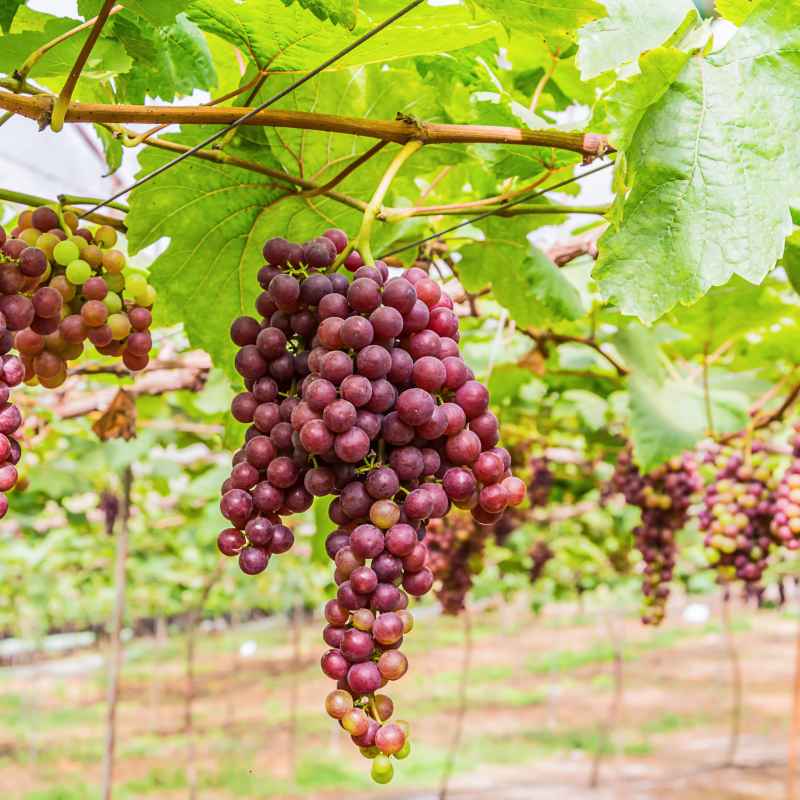
For a typical backyard gardener aiming for fresh eating and maybe a small batch of jam or juice, starting with 2 to 6 grape plants is often a good idea. This range provides enough fruit for personal enjoyment without overwhelming a small space. Each healthy vine can produce a significant amount of grapes, so more isn’t always better for a home garden.
Understanding Your Grapevine’s Potential
So, what can you actually get from one grape plant? It’s a common question, and the answer can surprise you. A single, well-cared-for grapevine is a powerhouse.
It can produce a lot of fruit. This means you don’t need a whole vineyard for a good harvest.
Think about what you want to do with your grapes. Are you hoping to eat them fresh? Make jelly?
Or perhaps try your hand at wine-making? Each use has different needs. Eating fresh grapes requires a good amount to enjoy.
Making juice or jelly might need even more. Wine, though, often needs a lot of fruit to make even a small batch.
The type of grape you choose also matters a lot. Some varieties are bred for bigger yields. Others are grown for specific flavors or textures.
Knowing your grape variety helps you guess how much fruit you’ll get. This is key to figuring out how many plants you need.
Factors Affecting Grape Yield
Many things can affect how many grapes you get. It’s not just about the plant itself. The soil plays a big role.
Grapes love good soil. It needs to drain well. If water sits around the roots, the plant can get sick.
Sunlight is also super important. Grapes need a lot of sun to grow and produce sweet fruit. They need at least six to eight hours of direct sun each day.
If your yard is shady, your plants might not produce as much. Or they might not produce at all.
Weather plays a part too. A harsh winter can damage vines. Too much rain at the wrong time can cause problems with the fruit.
A late frost can kill the tiny blossoms that turn into grapes. So, your local climate is a big factor.
Finally, how you care for the plant makes a huge difference. Proper pruning is a must. It helps the plant focus its energy on making good fruit.
It also keeps the plant healthy and manageable. Good watering and feeding also help your vines produce their best.
Grape Yield Expectations Per Vine
Fresh Eating Grapes: 10-20 pounds per vine (can vary widely)
Juice/Jelly Grapes: 15-25 pounds per vine (often more prolific)
Wine Grapes: 20-30 pounds per vine (focused on sugar content)
Note: These are estimates. A young vine will produce much less. An old, established vine might produce even more.

My Own Grape Growing Wake-Up Call
I remember my first attempt at growing grapes. I was so excited! I’d just bought my first house.
It had this perfect sunny spot in the backyard. I read a few articles online and decided I needed five plants. I pictured having more grapes than I knew what to do with.
I bought some nice-looking bare-root vines from a local nursery.
Planting them was fun. I dug the holes, added some compost, and set them in. I watered them well.
Then, I waited. The first year was mostly just leaves. I figured that was normal.
The second year, I got a few clusters. They were small, but they were grapes! I was thrilled.
I thought, “See? Five plants were the right idea!”
By the third year, things really took off. My vines were strong and bushy. And then it hit me.
The amount of fruit was. overwhelming. I had way more grapes than my family could eat fresh.
I tried making juice. That took forever. Jelly was okay, but I ended up with jars and jars.
I still had piles of grapes left. They started to go bad. It felt like such a waste.
I realized then that I’d underestimated how productive a healthy grapevine can be. I also learned that pruning is not optional! It’s the key to managing yield.
For my next planting, I scaled back. I went from five to two plants in a different spot. That felt much more manageable for our family’s needs.
It taught me that starting small is often the best approach.
Space Requirements: More Than You Think!
Grapevines are not small plants. They grow and spread. They need room to do their thing.
If you crowd them, they won’t be happy. And unhappy plants don’t give much fruit. So, thinking about space is super important before you buy anything.
Most grape varieties need support. This is often a trellis or an arbor. This helps them grow upwards and outwards.
It also keeps the fruit off the ground. A common setup is a system of wires stretched between posts. This is called a trellis system.
Other people use sturdy arbors over walkways or patios.
You need to give each vine enough space on this support. This is called vine spacing. It affects airflow.
Good airflow helps prevent plant diseases. It also lets sunlight reach all parts of the vine. This helps the fruit ripen evenly.
Trellis System Spacing
For most common trellis systems, you’ll want to space your plants. A good rule of thumb is to give each vine about 6 to 8 feet of space along the trellis. This might seem like a lot.
But remember, the vine grows in two directions from the main trunk.
If you have a long fence or a sturdy wall, you can train vines along it. You still need to give them that 6 to 8 feet of space. This lets each vine spread out and get the air and sun it needs.
If they are too close, they will compete. They will fight for light, water, and nutrients.
This spacing applies to the main growing season. During winter, when the vines are dormant, they look smaller. But they are still taking up space.
And their root systems are spreading too. So, plan for their full size.
Arbor and Pergola Planting
If you’re using an arbor or pergola, the spacing is a bit different. You usually plant one vine at the base of each corner or support post. The vines then grow up and meet in the middle.
You might only need one or two plants for a smaller arbor.
For a larger structure, you might plant them at each corner. Or you could plant two on opposite sides. This allows the vines to spread out over the top.
It creates that beautiful shaded canopy. Again, make sure the plants aren’t crammed together. They need room to grow into each other, but not fight.
The height and width of your arbor also matter. A very tall and wide arbor can support more vigorous growth. You might be able to get away with slightly closer spacing on a huge structure.
But it’s generally safer to stick to the recommended distances.
Quick Space Guide
- Trellis Line: 6-8 feet between plants.
- Arbor/Pergola: 1-2 plants per corner or per 4-6 feet of overhead space.
- Vertical Supports: Allow ample room for canes to spread.
- Root Zone: Ensure no competition from other large plants nearby.
What Kind of Grapes Are You Growing?
This is a big one. Not all grapes are created equal. The variety you pick has a huge impact on how many grapes you get and how they grow.
Are you looking for table grapes? Or wine grapes? Or grapes for juice and jelly?
Table grapes are usually larger and have a good texture for eating. They might be seedless. Varieties like Concord, Niagara, or Flame Seedless are popular choices.
These tend to be good producers for home gardens.
Wine grapes are different. They are often smaller. They have thicker skins and more concentrated flavors and sugars.
Think of Cabernet Sauvignon, Chardonnay, or Pinot Noir. Growing these at home can be rewarding, but they might have different yield patterns.
For juice and jelly, grapes like Concord are excellent. They have that classic grape flavor. They also produce a lot of juice.
They are often quite hardy and easy to grow.
Consider Your Climate and Season
Some grapes need a long, warm growing season. Others are bred for cooler climates or shorter seasons. If you live up north, you’ll need to choose a cold-hardy variety.
Something like a Frontenac or Marquette might be a good choice.
If you’re in a warmer state, you have more options. You can grow classic varieties like Thompson Seedless or Crimson. But even in warm climates, some grapes perform better than others.
Research what grows well in your specific region.
Your local extension office is a fantastic resource for this. They know the climate and soil conditions. They can tell you which grape varieties are proven performers in your area.
This is expert advice you can trust.
How Many Plants for Different Goals?
Now, let’s put it all together. How many plants do you actually need based on what you want to do?
For Fresh Eating (Table Grapes)
If you just want to pick a few bunches off the vine to enjoy with your family, you don’t need many plants. For a small family (2-4 people), two healthy vines are often plenty. This gives you enough grapes for snacking without being overwhelming.
If you love having grapes around, maybe for school lunches or as a regular snack, three to four plants would be a good number. This ensures you have a consistent supply through the harvest season. It also gives you a little extra to maybe share with a neighbor.
Remember that fresh grapes are best eaten soon after picking. They don’t store for very long. So, having too many might mean you’re watching them go to waste.
Start with two and see how that feels for a few years. You can always add more later if you find you need them.
For Juice or Jelly Making
This is where you might need a few more plants. Making juice or jelly uses up grapes quickly. A gallon of juice can take quite a few pounds of fruit.
A batch of jelly might take 3-5 pounds for a few jars.
For a small amount of juice or a few jars of jelly each year, four to six plants should be a good starting point. This range will give you enough fruit to process without becoming a full-time job. It balances the effort with the reward.
If you’re really into canning and want to make a large supply of juice or jelly for the whole year, you might consider six to eight plants. However, this is pushing into what might be considered a small hobby vineyard for many people. It requires more consistent effort for pruning, pest control, and harvesting.
For Backyard Wine Making
This is where the numbers get bigger. Making even a small batch of wine (like 1-5 gallons) requires a significant amount of grapes. A general rule of thumb is about 2 to 2.5 pounds of grapes per bottle of wine.
So, for a 5-gallon batch (about 25 bottles), you’d need 12-15 pounds of grapes.
A productive vine might yield 15-25 pounds. So, for that 5-gallon batch, you might need 2-3 very productive vines. However, you also need to account for year-to-year variation, potential crop loss, and the fact that wine grapes often have slightly lower yields than table grapes when grown in a home setting.
Many home winemakers start with 6-10 wine grape vines. This gives them a good starting point for a few gallons of wine. It also allows them to learn about the process and the specific needs of their chosen wine grape varieties.
If you’re serious about home winemaking, plan for more plants and dedicated care.
Goal-Based Plant Numbers
Fresh Eating: 2-4 plants
Juice/Jelly: 4-8 plants
Home Wine Making: 6-10+ plants
This is a guide. Adjust based on your family size, consumption habits, and desired yield.
Real-World Context: When Less is More
I’ve seen many backyard gardeners make the mistake of planting too many vines. They get caught up in the romantic idea of abundance. They buy plants on impulse.
Then, they are faced with a huge harvest they can’t manage. This often leads to frustration and neglected vines in subsequent years.
In many suburban backyards, space is at a premium. You might have a lawn to maintain, flower beds, or play areas for kids. Adding too many large, sprawling grapevines can quickly take over.
It can make the yard feel cramped and difficult to manage. It’s important to balance your desire for homegrown fruit with the practical use of your outdoor space.
Consider the maintenance. Grapevines require annual pruning. They need support.
They might need pest and disease management. Harvesting can take time. If you plant too many, these tasks can become overwhelming.
This can turn a fun hobby into a chore. Starting with a manageable number allows you to learn the ropes without feeling swamped.
Most people are surprised by how much fruit a few well-cared-for vines can produce. A young vine (1-3 years old) won’t produce much. But a mature vine (4+ years old) can yield a substantial amount.
For a family that enjoys fresh grapes, two to four plants are often the sweet spot. It provides enough for enjoyment and maybe a little extra, without creating a surplus crisis.
What This Means For Your Backyard
So, what’s the takeaway for your garden? It’s about thoughtful planning. Don’t just buy the first grapes you see.
Think about your space. Think about your time. And most importantly, think about what you actually want to do with the grapes.
When Is Your Grape Crop Normal?
For a backyard gardener, a “normal” crop means you have enough for your intended use. If you’re eating them fresh, a few generous harvests throughout the season is normal. If you’re making jelly, a few dozen jars is probably normal.
It’s normal for yield to increase as the vines get older. Your first few harvests will be smaller. Don’t expect huge amounts in year one or two.
By year four or five, your vines should be in full production. This is when you’ll see their true potential.
Also, yields can vary from year to year based on weather. A particularly wet spring might lead to more disease pressure. A very hot summer can ripen grapes faster.
Some years will be better than others. That’s just part of gardening.
When Should You Worry?
You should worry if your vines aren’t producing much fruit after 3-4 years. Or if the fruit quality is consistently poor (small, sour, or damaged). This could mean something is wrong.
Common issues include lack of sunlight. Poor soil drainage. Incorrect pruning.
Or pest and disease problems. If your plants look unhealthy, are covered in spots, or have lots of leaf damage, it’s time to investigate.
Also, worry if the sheer amount of fruit is causing stress. If you’re constantly worried about how to use or preserve the grapes, and it’s making you unhappy, you might have too many. It’s a hobby, after all!
Simple Checks You Can Do
Sunlight: Make sure your vines are getting at least 6-8 hours of direct sun daily. Observe them throughout the day.
Soil Drainage: After rain, does water pool around the base of the vines? If so, you might have poor drainage. You may need to amend the soil or choose a different spot.
Pruning: Are you pruning them correctly each year? If you’re unsure, look up guides for your specific grape type. Pruning is essential for fruit production.
Vigor: Do the vines look healthy and have good leaf growth? If they look weak or are covered in pests, address those issues.
Amount of Fruit: Take a look at your harvest. Is it enough for your goals? Is it too much?
This is the best check for figuring out if your plant count is right.
Quick Tips for Grape Growing Success
If you’re planting grapes, here are a few things to keep in mind. These simple tips can help ensure you get the best results from your chosen number of plants.
- Choose the Right Variety: Pick grapes suited for your climate and your intended use.
- Good Location is Key: Full sun and well-drained soil are non-negotiable for healthy vines.
- Invest in Support: Grapes need a strong trellis, arbor, or other support structure. Plan for this early.
- Prune Annually: This is the most important task for managing size and fruit production. Learn how to prune your specific grape variety.
- Water Wisely: Water deeply when the vines are young and during dry spells. Avoid overwatering.
- Be Patient: It takes a few years for vines to become productive. Enjoy the process and the growth.
- Start Small: You can always add more plants later if you find you have the space and the need.

Frequently Asked Questions About Grape Plants
How much space does one grape vine need?
One grape vine typically needs about 6 to 8 feet of space along a trellis. If planted on an arbor, 1-2 plants can cover a significant overhead area.
Will I get grapes the first year I plant a vine?
No, you usually won’t get any significant harvest the first year. The first year is for establishing the root system. You might get a very small amount in year two, with fuller production starting around year three to five.
Can I plant grape vines close together?
It’s best not to plant them too close. Close planting can lead to poor air circulation, increased disease risk, and competition for resources. Stick to the recommended 6-8 feet spacing for most trellis systems.
How often do I need to prune grape vines?
Grape vines should be pruned once a year, typically during the dormant season (late winter or early spring) before new growth begins.
What’s the difference between table grapes and wine grapes for home growing?
Table grapes are generally larger with better eating texture, often seedless. Wine grapes are usually smaller, with thicker skins and higher sugar/acid content needed for winemaking. Some varieties are better suited for home garden yields.
How do I know if my grape plants are getting enough sun?
Observe your plants throughout the day. If they receive direct sunlight for at least 6-8 hours, they are likely getting enough. Grapevines thrive in full sun.
Can I grow grapes in containers?
While it’s possible to grow some smaller or dwarf grape varieties in large containers, they are typically best grown in the ground. Container growing can limit root development and the overall size and yield of the vine.
Conclusion: Your Grapeful Backyard Awaits
Deciding how many grape plants to grow is a fun part of planning your garden. It’s about matching your dreams with your reality. Remember that each vine is a productive little factory.
Starting with a few well-chosen plants is a smart way to begin.
Focus on giving them the right spot and good care. This will bring you a satisfying harvest. You’ll soon be enjoying your own homegrown grapes.
Happy gardening!