How To Put Together Seasonal Botanical Displays For Gardens
Creating seasonal botanical displays for your garden involves thoughtful planning. You’ll choose plants that bloom or show interesting foliage at different times. This ensures your garden has beauty in spring, summer, fall, and even winter. It’s about creating a living artwork that changes with the seasons.

As an Amazon Associate I earn from qualifying purchases.

Understanding Seasonal Botanical Displays
A seasonal botanical display is like a living painting for your garden. It uses plants to create specific looks for different times of the year. Think of spring bulbs bursting with color.
Then, summer flowers take over. Next, fall foliage adds warm hues. Even winter can have its own quiet beauty with evergreens and seed heads.
The goal is to have something interesting to see no matter the weather. This means picking plants that have appeal for more than just their flowers. Some plants look great for weeks.
Others offer color or shape all season long. Others have cool seed pods or bark that adds interest when everything else is gone.
This approach makes your garden feel alive and changing. It’s not just a garden that looks good for a few months. It’s a garden that tells a story throughout the year.
This takes some planning. But the reward is a constant source of beauty and enjoyment outdoors.
The Magic of Planning Your Garden’s Seasons
Planning is the bedrock of any great garden display. It’s more than just picking pretty flowers. It’s about understanding your space.
It’s about knowing what each season brings. And it’s about choosing plants that work together. This makes your garden look its best, from the first thaw to the first frost.
Imagine your garden in early spring. You want to see that first hint of life. Maybe it’s tiny crocuses pushing through the soil.
Or perhaps it’s the bright green of new fern fronds unfurling. This first act sets the stage. It tells everyone that winter is over.
The garden is waking up.
Then comes summer. This is often the peak of color and bloom. We think of vibrant roses.
We imagine tall sunflowers. But summer also needs structure. It needs plants that provide a backdrop.
It needs plants that attract pollinators. It’s a time of abundance. And the right planning makes this abundance shine.
As summer fades, fall arrives. This is a time for warm colors. Think of fiery maples.
Consider the rich purples of asters. Many plants have lovely seed heads that add texture. These can be left standing.
They provide food for birds. They also add visual interest on a gray day. Fall displays are about richness and texture.
And finally, winter. Many people think gardens are “done” in winter. But a well-planned garden can still be lovely.
Evergreens provide color. Some trees have stunning bark. Dried seed heads can look like sculpture.
Ice and frost can transform familiar shapes. Winter beauty is often more subtle. It relies on form and structure.
Each season offers a chance for a different look. By planning for each one, you create a garden that is never boring. It’s a journey through the year.
And you are the designer. This makes the whole process feel very rewarding. It’s a bit like decorating your house for holidays.
But it’s living and growing.
My Own Spring Awakening: A Story of Unexpected Color
I remember one spring vividly. I had moved into a new house in late fall. The garden was a bit of a mess.
It was all brown sticks and muddy patches. I felt a bit overwhelmed. I didn’t know where to start.
Winter was long and bleak. I kept looking out the window, wishing for color.
As soon as the ground thawed, I grabbed some small potted bulbs. I had pansies too. I just started planting them.
I didn’t have a grand plan. I just wanted to see something green. I tucked daffodils around a sad-looking shrub.
I put pansies near the front door. I even threw some forget-me-not seeds around.
And then, magic happened. First, the daffodils popped up. Bright yellow trumpets.
It felt like a cheer. Then, tiny blue forget-me-nots appeared. They were so delicate.
The pansies added splashes of purple and yellow. Suddenly, my sad little yard felt alive. It was a small display.
But it was full of joy. That experience taught me the power of even small, seasonal touches.
Spring’s First Flourish: Key Elements
Bulbs: Daffodils, tulips, hyacinths, crocuses. Plant them in fall for spring color.
Early Bloomers: Pansies, violas, primroses. Add instant color near entryways.
Emerging Foliage: Ferns, hostas. Their new leaves add soft texture.
Evergreens: Dwarf conifers, boxwood. Provide structure and green when other plants sleep.
Choosing Your Spring Palette
Spring is all about renewal. It’s the first burst of energy after a long rest. When planning your spring display, think light and bright.
Colors like yellow, white, pink, and soft blues work well. These colors signal new beginnings.
Bulbs are your best friends for spring. Plant them in the fall. They store energy all winter.
Then they emerge and bloom when the weather warms. Daffodils are tough and reliable. Tulips come in a rainbow of colors.
Hyacinths add a wonderful fragrance. Crocuses are some of the very first flowers to appear.
Don’t forget about foliage. Some plants have beautiful new leaves in spring. Hostas have big, lush leaves.
Ferns unfurl in delicate spirals. These add texture. They also provide a nice green backdrop for flowers.
Even some trees and shrubs have lovely new growth. Think of the bright red new leaves on certain maples.
Consider plants that bloom for a long time. Pansies and violas are great for this. They can bloom from early spring until frost.
They are perfect for borders or containers. They offer continuous color.
Think about scent too. Hyacinths are famous for their sweet smell. Lilacs also bloom in spring.
Their fragrance can fill your yard. A sensory garden includes smell. This makes the experience richer.
For a cohesive spring display, group plants with similar needs. Put sun-lovers together. Keep shade-lovers in shady spots.
This makes watering and care easier. It also helps the plants thrive.
Spring Display Ideas
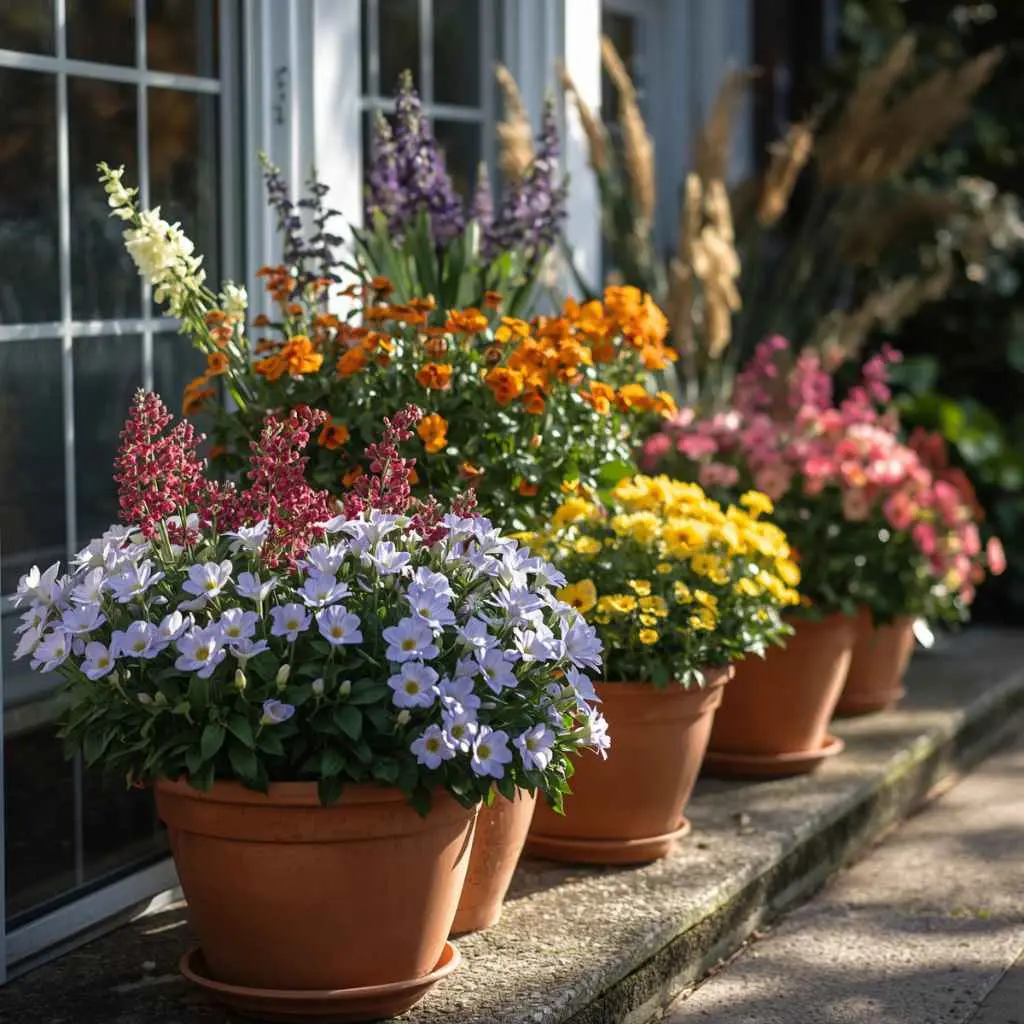
Container Gardens: Fill pots with tulips, daffodils, and pansies for a quick pop of color on your patio.
Bulb Meadows: Plant masses of daffodils or mixed bulbs in an open lawn area for a natural look.
Border Accents: Tuck early blooming perennials and bulbs along the edges of existing garden beds.
Entryway Welcome: Use colorful annuals like pansies and bright spring flowering shrubs near your front door.
Summer’s Grand Performance: Bold Colors and Lush Growth
Summer is when the garden truly shines. It’s the time for bold colors. It’s the time for lush growth.
Your summer display should be full of life. It should feel abundant and vibrant. This season is about making a statement.
Think of the classic summer flowers. Roses are a prime example. They offer beauty and fragrance.
Coneflowers, also known as Echinacea, are tough. They bloom for a long time. They also attract butterflies.
Daylilies are incredibly hardy. They come in many colors. They are a summer staple for a reason.
Don’t forget about height. Tall plants create drama. Delphiniums have spires of blue or purple flowers.
Hollyhocks stand like sentinels. These taller plants can be placed at the back of beds. They provide a stunning backdrop.
They also hide less attractive plants.
Consider plants with interesting foliage. Some plants have colorful leaves all summer. Coleus offers vibrant patterns.
Heucheras (Coral Bells) have leaves in shades of purple, amber, and lime green. These add color even when flowers fade.
Water features can add to the summer feel. A gentle fountain or a small pond reflects light. It attracts birds and other wildlife.
The sound of moving water is also very calming. It adds another sensory layer to your garden.
Summer is also the season for edible gardens. Many people love to grow their own vegetables and herbs. Tomatoes, peppers, and zucchini can be very decorative.
Fresh herbs add fragrance and flavor. A pot of basil or rosemary is beautiful and useful.
To keep your summer display looking its best, regular watering is key. Deadheading spent flowers encourages more blooms. Mulching helps retain moisture.
And of course, enjoying the fruits of your labor is important!
Summer Display Elements
Vibrant Flowers: Zinnias, petunias, marigolds, sunflowers. Plant for maximum color.
Tall Accents: Delphiniums, hollyhocks, ornamental grasses. Add height and drama.
Foliage Plants: Hostas, coleus, ornamental peppers. Provide color and texture.
Edibles: Tomatoes, peppers, herbs. Beautiful and productive.
Attractors: Butterfly weed, bee balm. Invite pollinators.
My Summer Bloom Bombs: Lessons from the Sun
I used to think summer gardening was all about constant mowing. I had a big lawn and not many flower beds. One year, I decided to change that.
I bought a huge bag of annual seeds. I’m talking about things like zinnias and marigolds. I didn’t have much of a plan.
I just wanted color.
I cleared a patch of ground. It was full sun. I loosened the soil.
Then I just scattered the seeds. I watered them. And I waited.
What happened next was amazing. Tiny green shoots appeared. Then, they grew and grew.
Soon, my patch was bursting with flowers. It was a riot of orange, red, yellow, and pink.
The bees and butterflies went crazy for it. I had never seen so many in my yard. It felt so alive.
The biggest lesson was simple. Sun and good soil. And a willingness to let things grow.
That patch was a bit wild. But it was full of life and color all summer long. It was a true summer bloom bomb.
Autumn’s Rich Tapestry: Texture, Color, and Warmth
As summer winds down, fall takes center stage. This season is about rich colors. It’s about textures.
It’s about a cozy, warm feeling. Your fall garden display should feel grounded and inviting.
Think of the classic fall colors. Deep reds, oranges, yellows, and browns. Many plants offer this.
Mums are a fall favorite. They bloom in abundance. They come in many shades.
Asters also bloom in fall. They are a hardy perennial. They offer purple, pink, and white flowers.
But fall isn’t just about flowers. It’s also about foliage. Many trees and shrubs turn stunning colors.
Maples, oaks, and sumacs can be spectacular. Even some perennials have colorful fall leaves. Ornamental grasses are also key in fall.
Their feathery plumes catch the light. They sway in the breeze. They add movement and texture.
Seed heads are often overlooked. But they are beautiful in fall. Coneflower seed heads look like little jewels.
Sedum ‘Autumn Joy’ has large, broccoli-like seed heads. These can be left standing through winter. They provide visual interest.
They also offer food for birds.
Pumpkins and gourds are also great fall decorations. You can place them in garden beds. They add a natural, festive touch.
They tie into the harvest theme.
Consider plants that have berries. Some shrubs offer bright red or blue berries in fall. These attract birds.
They also add a splash of color. Examples include winterberry and certain viburnums.
For a successful fall display, aim for layers. Combine plants with different textures and colors. Grouping them creates impact.
Think about how the late afternoon sun will hit your plants. It can make certain colors glow.
Fall Garden Highlights
Fall Flowers: Chrysanthemums, asters, sedum. Provide late-season blooms.
Foliage Color: Ornamental grasses, burning bush, ornamental maple. Capture autumn hues.
Seed Heads: Coneflowers, echinacea, sunflowers. Offer texture and wildlife food.
Berries: Winterberry, viburnum. Add color and attract birds.
Harvest Decor: Pumpkins, gourds. For a festive touch.
My Fall Foliage Transformation: A Lesson in Patience
One year, I felt my garden was lacking in fall. I always focused on summer. I would cut everything back too soon.
Then, I read an article about leaving seed heads. I decided to try it. I had a patch of coneflowers.
I left their dried heads standing.
I also had some ornamental grasses. I kept them too. In early fall, they were just brown.
I wasn’t impressed. But as the season went on, something changed. The drying seed heads began to look like little sculptures.
The grasses turned a lovely golden color. The late afternoon sun hit them. They glowed.
It wasn’t a riot of color like summer. It was more subtle. It was about form and texture.
It felt peaceful. I realized that fall displays aren’t about being loud. They are about a quieter beauty.
A beauty that lasts. It taught me to be patient. And to appreciate the end of the growing season.
Winter’s Sculptural Beauty: Structure and Subtle Tones
Many people think a garden is dormant in winter. But a well-designed garden can still offer beauty. Winter displays are about structure.
They are about subtle colors. They are about form. They celebrate the quiet strength of plants.
Evergreens are the backbone of winter interest. Conifers like pines, spruces, and firs provide green color. Dwarf varieties are great for smaller spaces.
Boxwood shrubs also stay green. They offer a neat, tidy shape.
Think about bark. Some trees have incredibly beautiful bark. Paperbark maple has peeling, cinnamon-colored bark.
River birch has striking, exfoliating bark. Dogwood trees have colorful bark, often red or yellow. These are stunning against a snowy landscape.
Ornamental grasses continue to provide interest. Their dried stalks and plumes hold their shape. They can catch frost beautifully.
They add texture to a barren landscape. Their golden hues can be a welcome sight on a gray day.
Seed heads and dried flower heads are also important. Leave them on the plants. They provide food for birds.
They also add a sculptural element. The structure of a dried hydrangea bloom is lovely. The intricate patterns of sedum seed heads are fascinating.
Evergreen perennials can also add winter appeal. Some heucheras keep their colorful leaves. Certain sedums offer a low, ground-hugging carpet of green.
Consider adding winter interest with non-plant elements. A bird bath, even when frozen, can look like a piece of art. Garden sculptures can add focal points.
Stringing some subtle lights can create a magical atmosphere.
To plan for winter beauty, think about structure. Where can you place plants that will stand out? Consider the light.
Low winter sun can create long shadows. These shadows highlight plant forms.
Winter Garden Features
Evergreens: Pines, spruces, boxwood. Provide year-round color and form.
Bark Color: River birch, paperbark maple, red-osier dogwood. Striking against snow.
Dried Grasses & Seed Heads: Ornamental grasses, coneflowers, sedum. Offer texture and shape.
Berries: Holly, winterberry. Attract birds and add pops of color.
Evergreen Perennials: Some heucheras, evergreen sedums. Maintain color and cover.
My Winter Surprise: The Beauty of Bare Branches
I used to dread winter in my garden. It felt empty. I would look out at bare branches and sigh.
Then, one year, we had a heavy frost. Everything was covered in ice crystals. I went outside early one morning.
The world was silent. And it was sparkling. The ice had encased every twig.
Every dormant bud. The bare branches of my apple tree looked like they were made of glass. The frost on the ornamental grasses was like a delicate lace.
It was breathtaking. It was a beauty I had never noticed before.
I realized then that winter isn’t empty. It’s just different. It has its own kind of beauty.
It’s a beauty of form. It’s a beauty of structure. It’s a beauty of quiet.
That frosty morning changed how I saw my garden all year round. It made me appreciate the quiet rest.
Putting It All Together: Layering for Continuous Appeal
The real magic of seasonal botanical displays comes from layering. This means thinking about how each season flows into the next. It’s about creating connections.
It’s about ensuring there’s always something to see.
Start with your structural plants. These are your evergreens. They are your trees and shrubs.
They provide the framework for your garden. They are there all year. Choose varieties that offer something in each season.
Maybe an evergreen with interesting winter bark. Or a deciduous tree that has great fall color.
Next, layer in your perennials. These are plants that come back each year. Choose them based on their bloom times.
Have some that bloom in spring. Others for summer. Some for fall.
Think about their foliage too. Some hostas look great all summer. Some heucheras have colorful leaves that last for months.
Annuals can fill in gaps. They are great for adding pops of color. They can be changed out each year.
This lets you experiment. They are perfect for containers. Or for filling in spaces where a perennial hasn’t come in yet.
Consider the texture of your plants. Mix fine textures with coarse textures. This adds visual interest.
Think of feathery grasses against bold hosta leaves. Or delicate astilbe flowers against sturdy sedum.
Think about color combinations. Do you want bold contrasts? Or soft, harmonious blends?
Use color to guide the eye. Use color to create mood.
Don’t forget about scent. A fragrant garden is a delight. Plant lilacs near a window.
Grow lavender along a path. The scent of mint can be refreshing.
When you layer, you create a garden that is always evolving. It’s a dynamic space. It’s never static.
This makes it more interesting. It makes it more engaging. It feels more alive.
Layering Your Garden Display
Layer 1: Structure (Evergreens, trees, shrubs) – Provides year-round form.
Layer 2: Perennials (Flowers, foliage) – Adds seasonal color and texture.
Layer 3: Annuals (Fillers, containers) – For instant, changeable color.
Layer 4: Texture & Scent (Grasses, herbs, fragrant blooms) – Enhances sensory experience.
Layer 5: Seasonal Accents (Bulbs, berries, seed heads) – Bridges seasonal transitions.
Real-World Scenarios: Gardens in Action
Let’s look at a few real-world examples. Imagine a small suburban garden. In spring, it might feature a vibrant mass of tulips near the entrance.
Tucked around them, early blooming perennials like creeping phlox add ground cover. For summer, the tulips are
As fall approaches, the coneflowers’ seed heads provide interest. Mums are added to the pots for a final burst of color. In winter, the garden’s structure comes from evergreens.
A small birch tree offers attractive bark. Dried grass plumes catch the frost.
Now, consider a larger, more naturalistic garden. In spring, it might have drifts of native wildflowers. Ferns unfurl in shady areas.
Summer brings swathes of ornamental grasses interspersed with bold blooming perennials like bee balm and phlox. They attract a host of pollinators.
Fall is a spectacle of fiery foliage from native trees. The grasses turn golden. The seed heads of various plants provide food for migrating birds.
Winter reveals the strong forms of the grasses and the subtle beauty of snow-dusted branches. The underlying evergreen ground cover maintains a hint of green.
In both cases, the principles are the same: planning, selecting plants for multi-season interest, and considering structure, color, and texture.
What This Means for Your Garden: When is it “Right”?
So, what does all this mean for your own garden? It means you have the power to create beauty all year. It means your garden doesn’t have to be “off” for half the year.
When is your display looking good? Look for color and texture. Is there something interesting happening right now? Even in winter, if you have nice evergreen shapes or attractive bark, your garden is doing well.
When should you worry? If your garden looks completely dead and uninteresting for months on end, it’s a sign. Maybe you need more evergreens. Maybe you need more plants with good fall or winter appeal.
Or perhaps you’re cutting things back too soon.
Simple checks:
Walk your garden in each season. Take notes on what looks good and what doesn’t. Look for bare spots. Can they be filled with a plant that offers interest in that season? Observe the light. Does your garden have sunny spots that could host summer bloomers?
Shady spots for ferns? Consider the wind. Are certain plants getting battered? Maybe they need a more sheltered spot or a sturdier companion.
The goal is a garden that feels complete. It should feel like it has a rhythm. It should feel like it’s always offering something to appreciate.
It’s not about perfection. It’s about continuous, natural beauty.
Quick Tips for Seasonal Success
Here are some quick tips to help you create your seasonal botanical displays:
- Start Small: Don’t try to do everything at once. Focus on one area or one season first.
- Observe Your Light: Understand where your garden gets sun and shade throughout the day and year.
- Read Plant Tags: They tell you a lot about bloom time, height, and needs.
- Mix Bloom Times: Choose plants that bloom sequentially. This ensures continuous color.
- Embrace Foliage: Colorful leaves and interesting shapes add beauty even when flowers aren’t present.
- Don’t Cut Everything Back: Leave seed heads and stems for winter interest and wildlife.
- Use Containers: They are great for adding seasonal color and can be moved easily.
- Mulch Wisely: It helps retain moisture and suppresses weeds.
- Water Smart: Water deeply and less often, especially during dry spells.
- Learn from Neighbors: See what grows well in gardens around you.
Seasonal Plant Ideas at a Glance
| Season | Key Plants | Focus |
|---|---|---|
| Spring | Daffodils, Tulips, Pansies, Ferns | New growth, bright colors, fragrance |
| Summer | Coneflowers, Zinnias, Hostas, Ornamental Grasses | Abundance, bold colors, lush foliage |
| Fall | Mums, Asters, Sedum, Maple Trees | Warm colors, rich textures, harvest feel |
| Winter | Evergreens, Birch Trees, Dried Grasses, Berries | Structure, bark color, subtle forms |
Frequently Asked Questions About Seasonal Displays
How do I choose plants for my specific climate zone?
Look for plants labeled “hardy to zone X” where X is your USDA hardiness zone or a similar rating. This ensures they can survive your local winter temperatures. Local nurseries are a great resource for understanding what thrives in your area.
What if I have a very small garden or balcony?
Container gardening is your best friend. Use pots and planters to create seasonal displays. You can swap out annuals as seasons change.
Choose dwarf varieties of trees and shrubs. Even a few well-chosen plants can make a big impact.
How often should I deadhead flowers?
Deadheading spent flowers encourages many plants to produce more blooms. It also keeps the garden looking tidy. For some plants, though, like coneflowers, leaving the seed heads provides winter interest and food for birds.
Know which plants benefit from deadheading and which do not.
Can I mix flowers and vegetables in my displays?
Absolutely! Many vegetables are quite attractive. Think of the colorful leaves of Swiss chard.
Or the bright red of cherry tomatoes on the vine. Herbs like rosemary and lavender also add both scent and visual appeal. It’s a great way to make a productive garden beautiful.
How do I deal with pests and diseases in my seasonal displays?
Healthy plants are less prone to pests and diseases. Ensure good soil, proper watering, and adequate sunlight. Choose disease-resistant varieties when possible.
Inspect your plants regularly. If you find pests, try natural remedies first, like insecticidal soap or neem oil. Removing affected leaves promptly can also help.
When is the best time to plant bulbs for spring color?
For most spring-blooming bulbs like tulips, daffodils, and hyacinths, you should plant them in the fall. This gives them time to establish roots before winter. Aim for about 6-8 weeks before the ground freezes.
This is typically between September and November, depending on your region.
Conclusion: Your Garden’s Year-Round Story
Creating seasonal botanical displays is about seeing your garden not as separate events, but as a continuous story. It’s a journey through the year. Each season brings its own chapter.
By planning and choosing wisely, you can make every chapter beautiful. Enjoy the process of bringing your garden to life throughout the seasons.
Related pick: Check today's price on Amazon