How Many Rosemary Plants Should You Plant for Cooking?
For many home cooks, one rosemary plant is enough. A common rule of thumb is to plant two if you cook with it weekly, and three if you dry or freeze extra sprigs. Plant too few and you end up buying limp supermarket stems or running short when a recipe needs fresh herb. This guide translates rosemary’s yield into plant counts for household use, garden space, and harvest frequency.
How many rosemary plants do you need?
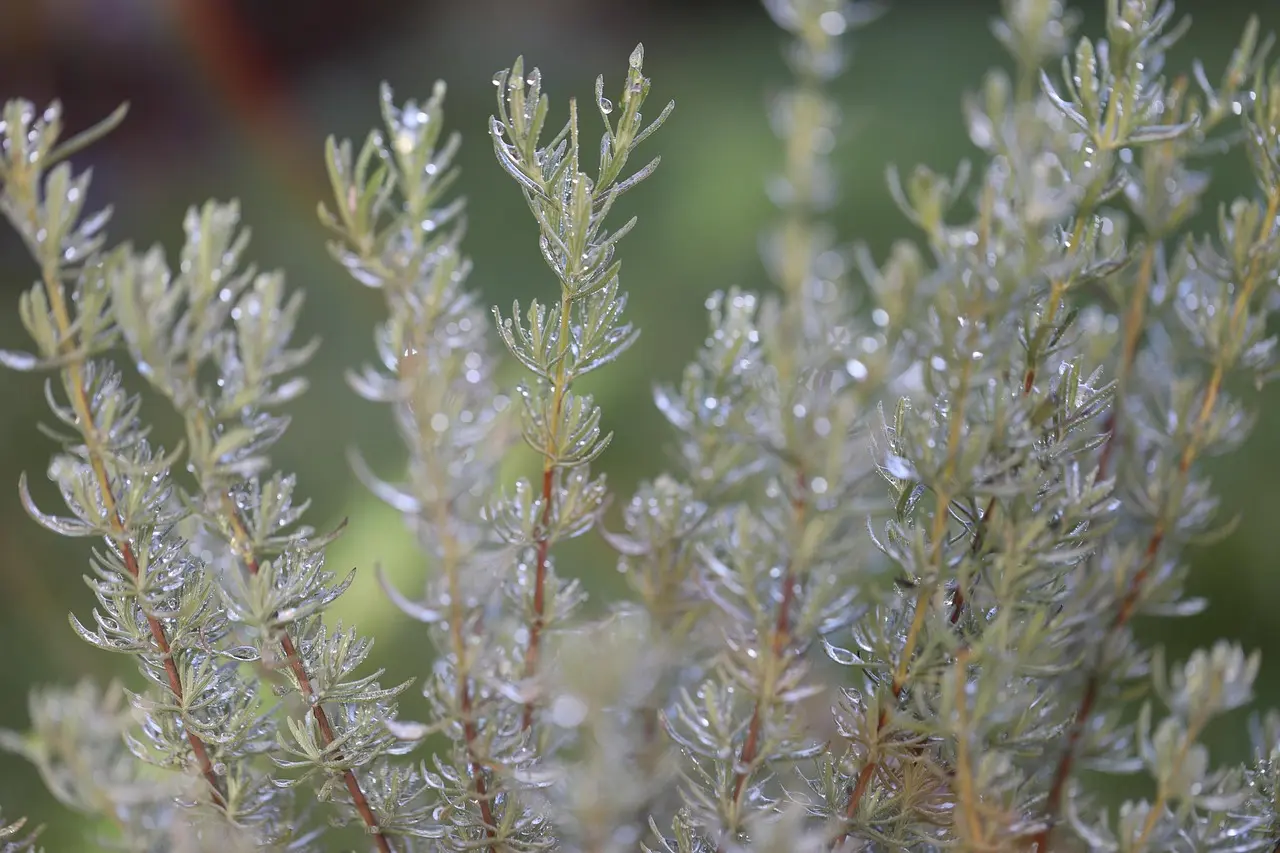


Start with one plant for light use, two for weekly cooking, and three for preserving or frequent clipping. Rosemary is a woody evergreen perennial herb, and its mature size can range from compact mounds to shrubs about 2 to 6 feet tall and wide, so the right count depends on both kitchen demand and room to grow.
One plant or a small patch?
One plant works when you want a few sprigs for roast chicken, potatoes, or bread and you do not harvest every week. A small patch makes more sense when rosemary appears in your kitchen often, because the plant needs time to regrow after each cut. In dense plantings, airflow also becomes a limit.
Household size matters less than use pattern. A family that seasons with rosemary once a month may need only one plant. A smaller household that uses it in marinades, potatoes, and breads every week may want two plants so harvest stays light on each shrub.
How household size changes the count
Think in cooking habits, not in people. If one cook uses a few fresh tips now and then, one plant is enough. If several people reach for rosemary through the week, two plants reduce pressure on any single shrub. If you preserve herbs, add a third plant so pruning does not strip the plant bare.
Rosemary planting calculator
| Household use | Pot | Raised bed | In-ground bed | Start with | Variety fit |
|---|---|---|---|---|---|
| Light use | 1 plant in one large container | 1 plant | 1 plant | 1 plant | Compact or upright, depending on space |
| Weekly cooking | 1 to 2 plants, usually better with 2 containers | 2 plants | 2 plants | 2 plants | Compact in pots; upright in beds |
| Preserve extra sprigs | 2 plants, each in its own container | 3 plants | 3 plants | 3 plants | Upright in beds; trailing types only for spillover |
Use this as a starting rule, not a promise of exact yield. A pot holds less root volume than a bed, so one container plant is easier to manage but usually gives less usable growth than the same plant in open ground. In humid regions, wider spacing reduces disease pressure and helps each plant stay productive.
How mature spread affects usable harvest
Rosemary can spread 2 to 6 feet tall and wide. That wide range matters because a bigger shrub gives more clipping points, but only if it has room, light, and dry roots. A plant that is crowded or shaded may stay alive yet produce fewer tender tips for the kitchen.
Upright varieties suit hedging and bed plantings where you want taller growth and repeated tip harvests. Compact forms fit smaller gardens and pots. Trailing or prostrate types work best where you want spillover from a container or raised edge, though they are less efficient as a main cooking source than an upright plant with room to branch.
Say your container rosemary fills a 14-inch pot and leans over the rim after a season. That is a cue that the root ball is packed and the plant may need a larger pot, fresh drainage mix, or a trim. A pot-bound shrub can still cook well, but it will need more attention than a bed plant.
Can one rosemary plant supply a family?
Yes, for light family use, one rosemary plant can cover occasional cooking and small garnishes. It becomes less reliable when several meals a week call for fresh rosemary or when you want enough to dry. In that case, two or three plants give you a buffer if one plant slows after pruning or cold weather.
When one plant is enough
One plant is enough when rosemary is a side herb, not a main one. If you use a few fresh tips at a time and you are not stripping the plant for preservation, one healthy shrub can meet those needs through the season, especially in a mild climate with long growing periods.
When two or three plants make more sense
Two plants make sense for weekly cooking because you can harvest lightly from each plant instead of cutting one plant hard. Three plants fit households that dry rosemary for winter or use it often in roasts, potatoes, or infused oil. More plants also help if one suffers winter dieback.
A common first-timer mistake is buying a single small plant for a busy kitchen, then taking large cuts every week. The plant stays alive, but the regrowth slows and the stems get woody faster. Two plants spread the harvest, which usually keeps the foliage younger and more usable.
How should you space rosemary plants?
Rosemary usually needs 2 to 4 feet of spacing for air circulation, with 18 to 36 inches between plants as a practical garden range. Wider spacing is safer in humid areas, where tight planting traps moisture and can make the plant less useful for cooking even if it survives.
Typical spacing for airflow
Give each rosemary plant enough room for its mature spread and easy access to stems. That means planting with open space around the canopy, not packing it like parsley or basil. Good airflow dries leaves after rain or dew and helps keep the plant’s growth more usable for harvesting.
Why humid sites need wider spacing
Humidity changes the plan. In damp climates, a shrub that would be fine in a dry region may need more room so branches do not stay wet. If the site is crowded, the plant can get leggy inside while the outer stems look fine. Wider spacing reduces that problem.
BBC guidance notes one hedging variety can be spaced about 45cm apart, which fits a tighter hedge plan than a loose cooking patch. That kind of spacing works best when you want a line of plants, not maximum kitchen yield from each shrub.
Spacing in raised beds versus in-ground beds
Raised beds can support a slightly tighter layout only if the bed drains well and the plants still get airflow. In-ground beds usually need the full spacing range because the plants can spread farther and are more exposed to seasonal weather shifts. If the soil stays wet, leave extra room.
Best setup for pots and beds
Rosemary does best in fast-draining soil and full sun, and it dislikes wet feet. Heavy clay is a problem because it holds too much water around the roots. For kitchen use, the best setup is the one that keeps the plant healthy enough to regrow after each cut.
Container size and drainage basics
Container rosemary usually needs a pot about 12 inches in diameter and at least 8 inches deep, with drainage holes. That gives the roots room without trapping water. In cold zones, bring the pot indoors before hard freeze, because container roots cool faster than roots in the ground.
BBC guidance also notes that rosemary can grow quite big in pots and may need repotting every couple of years. That matters for cooking because a rootbound plant often dries out faster and gives less new growth between harvests.
Soil drainage and root-rot risk
Poor drainage raises the risk of root rot, especially in clay-heavy beds. If your site holds water after rain, rosemary may look fine at first and then lose vigor when roots stay soggy. For kitchen planting, choose the driest, sunniest spot available and improve drainage before planting.
Spring planting and winter protection
Plant outdoors in spring after frost is past. In warmer regions, spring or fall planting works too, as long as the soil drains well and the plant has time to settle before extreme heat or cold. Rosemary is commonly grown in Zones 7 to 11, and some types may be hardy into Zones 6 to 7 with winter protection. Below Zone 7, plan on indoor overwintering if you want the plant to keep supplying fresh sprigs.
Rosemary can also be started indoors 2 to 3 months before the last frost, but many cooks get usable plants faster from cuttings or nursery transplants. Seed is the slowest route, even though seeds can germinate in 2 to 4 weeks under warm conditions.
How often can you harvest rosemary?
You can snip rosemary as needed in mild climates, but each harvest should stay light. Take young tips for the best flavor, and do not remove more than one-third of the plant at a time. If you cut harder than that, regrowth slows and the plant spends more energy recovering than cooking supply.
The one-third rule
The one-third rule protects both the plant and your harvest schedule. Cut too much at once and the remaining foliage may not photosynthesize enough to refill the plant’s energy. Light, regular snips keep the plant bushy and leave enough leaf mass for new growth.
Best flavor before bloom
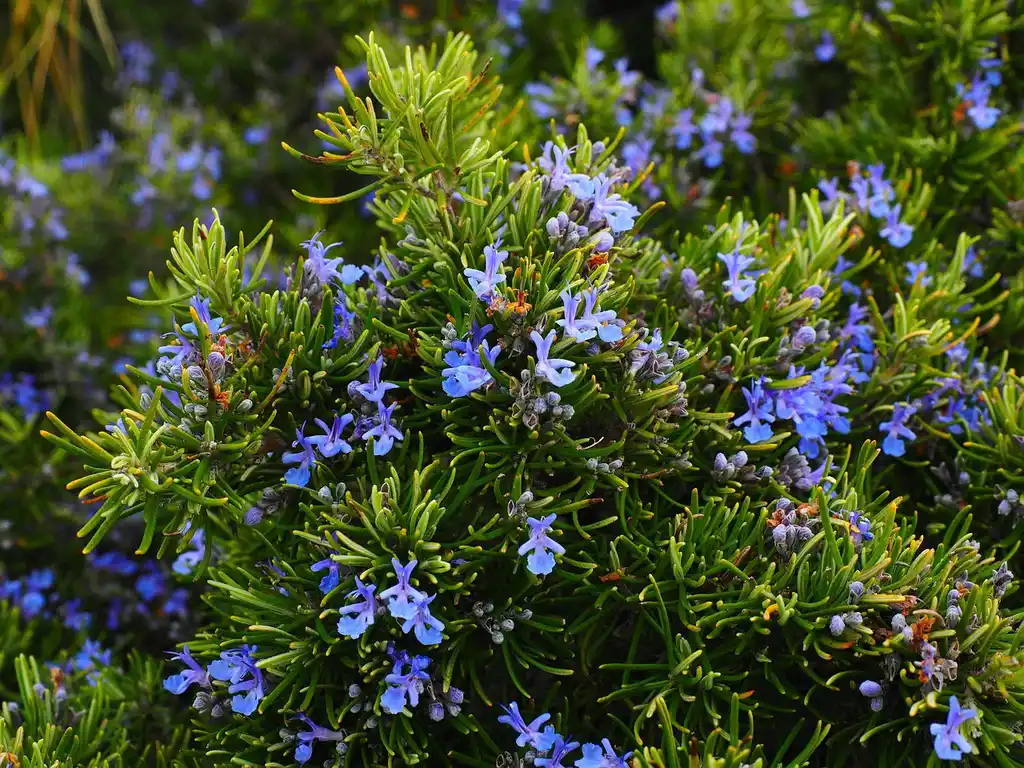
Rosemary tastes best before bloom, when the leaves are still the main focus of the plant. Flower colors can be blue, pink, or white, and blooming is not a problem in the garden, but the kitchen value is usually higher when you harvest leafy tips before flowers open.
Should you start from seed, cuttings, or plants?
For cooking sooner, nursery transplants are the fastest start, cuttings are next, and seed is the slowest. Seed germination can take 2 to 4 weeks under warm conditions, and plants started indoors usually need 2 to 3 months before the last frost before they are ready to move.
Why seed is the slowest route
Seed is slower because the young plants need more time to size up before they can handle regular harvests. If your goal is kitchen supply, seed usually delays the first useful snips. It still works, but it is better for patient gardeners than for someone who wants rosemary on the menu soon.
Why cuttings and nursery plants are faster
Cuttings root in 1 to 3 months and usually keep the same traits as the parent plant. Nursery transplants establish faster than seed, so they are the better choice when you want a usable plant this season. For most cooks, that speed matters more than starting from scratch.
Which option fits cooking sooner?
If your goal is steady kitchen use, start with nursery plants or rooted cuttings. Seed makes sense only if you want many plants and do not mind waiting. A single healthy transplant in a sunny, fast-draining spot often reaches useful size sooner than a seedling patch.
Frequently asked questions
How many rosemary plants do I need for weekly cooking?
Most households that cook with rosemary every week should start with two plants. That gives you enough growth to clip lightly from each one without stripping a single shrub too hard. If you use rosemary only once in a while, one plant is usually enough.
What spacing do rosemary plants need in a garden bed?
Plan on 2 to 4 feet between plants for air circulation, with 18 to 36 inches as the practical range many gardeners use. Wider spacing is smart in humid areas or poorly drained sites. Tight spacing can reduce airflow and leave the plant less useful for cooking.
Can rosemary be grown in a container for cooking?
Yes. Use a container at least 12 inches in diameter and at least 8 inches deep, and make sure it has drainage holes. Container rosemary is practical for cooking, but it needs more careful watering and should be brought indoors before hard freeze in cold zones.
How often can I harvest rosemary without hurting the plant?
Harvest as needed, but keep each cut light. A good rule is to remove no more than one-third of the plant at one time. Snipping young tips is better than shearing the whole shrub, and harvesting before bloom usually gives the best flavor.
What rosemary varieties are best for small spaces or pots?
Compact types are the best fit for pots and small beds because they stay easier to manage than large shrubs. Trailing types work well for container spillover, while upright types are better if you want a hedge or a larger cooking patch. Flower color may be blue, pink, or white.