How Many Thyme Plants Fit in a Small Herb Garden?
In a 2-by-4-foot bed, you can usually fit 4 to 8 common thyme plants at 12 to 18 inches apart, or 4 to 6 creeping thyme plants at about 12 inches apart. That is the raw count before you reserve edge and walk space. For mature size and spacing, the RHS recommends thyme in full sun with well-drained soil, and extension-style guidance commonly places culinary thyme at about 12 to 24 inches apart.
How many thyme plants can I fit?
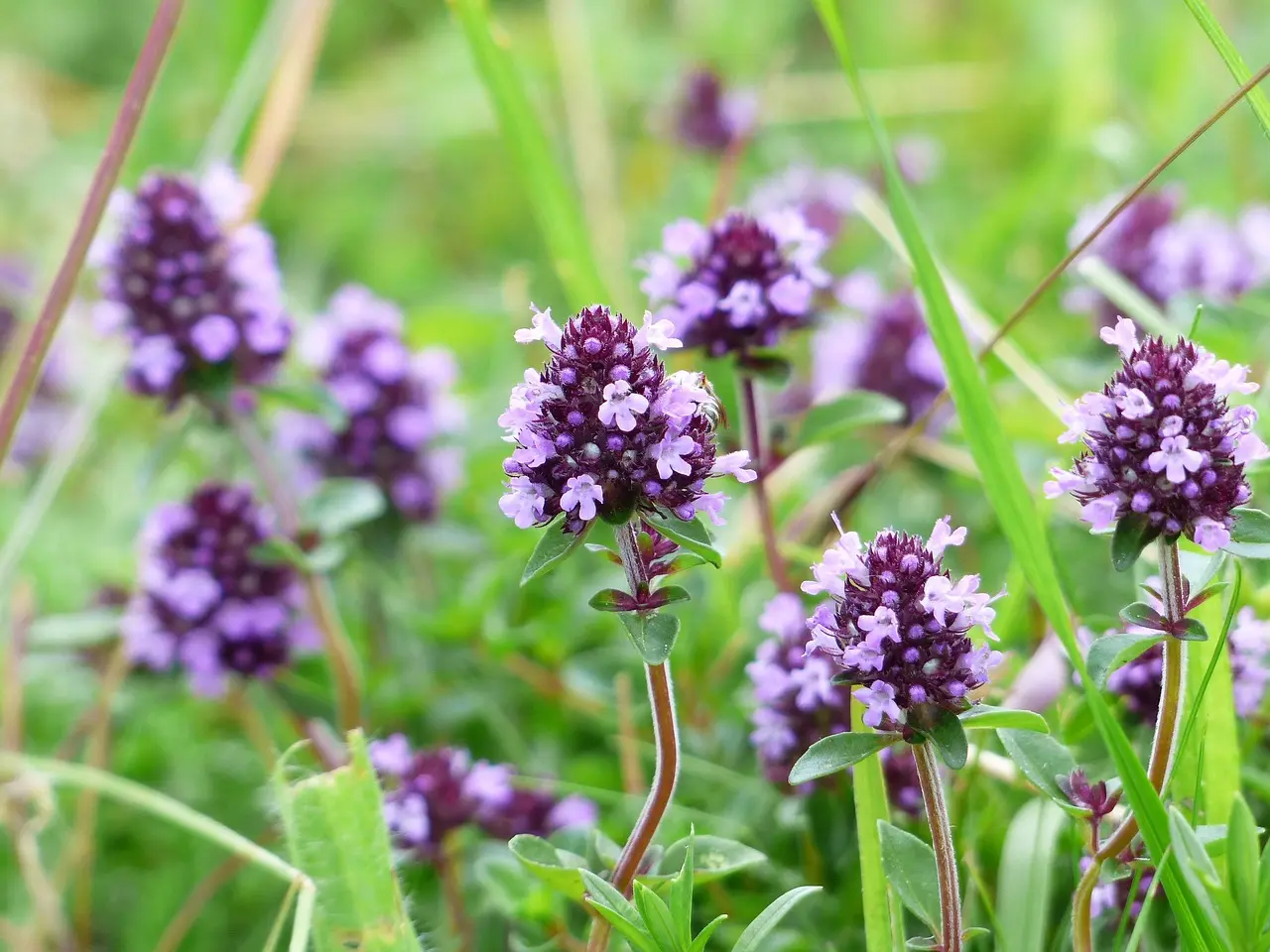


The count depends on thyme type and whether the goal is harvest or groundcover. Common thyme needs more room for mounded growth and cutting access, while creeping thyme can be denser when you want a low mat. In small beds, edge space and reach-in access usually reduce the practical count below the raw layout total.
What you’ll need
- Measuring tape or ruler
- Nursery starts or seedling pots
- Bed, box, or container with drainage holes
- Soil-based compost or potting mix with grit for containers
- Gravel or coarse grit for extra drainage if soil stays wet
Thyme count matrix
Use the raw capacity for an all-growing-space layout, then use the adjusted capacity when you need edge clearance or a small walking gap for harvest access.
| Layout | Thyme type | Spacing | Raw capacity | Adjusted capacity after edge/walk space | Best use case |
|---|---|---|---|---|---|
| 1 x 2 ft | Common thyme | 12-18 in | 1 to 2 plants | 1 plant | Small harvest pot or narrow bed edge |
| 1 x 2 ft | Creeping thyme | 12 in | 1 to 2 plants | 1 plant | Short groundcover strip |
| 2 x 2 ft | Common thyme | 12-18 in | 2 to 4 plants | 2 to 3 plants | Compact harvest bed |
| 2 x 2 ft | Creeping thyme | 12 in | 2 to 4 plants | 2 to 3 plants | Dense low mat or border fill |
| 2 x 4 ft | Common thyme | 12-18 in | 4 to 8 plants | 3 to 6 plants | Small kitchen harvest bed |
| 2 x 4 ft | Creeping thyme | 12 in | 4 to 6 plants | 3 to 5 plants | Groundcover strip with access space |
| 4 x 4 ft | Common thyme | 18-24 in | 6 to 12 plants | 5 to 10 plants | Larger harvest bed with airflow |
| 4 x 4 ft | Creeping thyme | 12-18 in | 9 to 16 plants | 8 to 14 plants | Matting groundcover or path edge |
That matrix assumes the bed is usable growing space, not a full fill from edge to edge. In a real small garden, a border, frame, or reach-in gap often takes away about 10 to 20 percent of the footprint. If you need to harvest from the back, use the adjusted count.
For example, a 2-by-4-foot box with one open side behaves more like a 6-square-foot planting area than an 8-square-foot one. That is why 4 to 6 common thyme plants is a steadier estimate than a packed 8-plant layout. Creeping thyme can be closer together, but it still needs airflow if the bed is not purely decorative.
How do you size thyme spacing?
Size thyme from its mature spread, not from the nursery pot. The RHS grows thyme in full sun and well-drained soil, and extension guidance commonly places culinary thyme around 12 to 18 inches apart, with more room up to 24 inches for bigger mounds. Creeping thyme can be tighter because its job is coverage rather than a harvest mound.
Use mature spread, not pot size
A 4-inch pot can be misleading because thyme expands well beyond that starter size. Common thyme is often listed at roughly 6 to 12 inches tall and about 12 to 18 inches wide at maturity, so the final width is the number that matters in a small bed. Plan spacing for the plant you will have later, not the one you buy today.
Leave room for edges and access
Skip the outer inch or two if the bed has a wooden frame, stone edge, or a path you want to keep clear. In a 2-foot-wide bed, two centered plants usually outperform three squeezed against the border because the canopy can breathe. Good airflow matters as much as raw plant count.
Choose wider spacing for harvest beds
For culinary thyme, 12 to 24 inches between plants is the practical target. The wider end suits older plants, easier picking, and faster drying after rain. If you want the bed to produce well for longer, prioritize airflow and access over a fuller look on planting day.
Choose tighter spacing only for creeping thyme cover
Creeping thyme is meant to knit together, so tighter spacing can make sense for pavers, borders, and shallow gaps. Use it when you want surface coverage rather than a large mound for regular cutting. That keeps the harvest-vs-groundcover rule clear: common thyme for picking, creeping thyme for coverage.
How do you plant thyme?
Set thyme in full sun with fast-draining soil, then water it in and keep the root zone on the dry side once established. The RHS stresses full sun and well-drained soil for thyme, and container growers should use drainage holes plus a gritty mix. Wet soil is the fastest way to shorten thyme’s life.
- Mark the final plant centers on the bed or container.
- Check for full sun for 6 to 8 hours and move the container if needed.
- Fill with sandy or loamy soil, or a compost mix cut with grit for pots.
- Set common thyme at 12 to 24 inches apart, or creeping thyme tighter if you want coverage.
- Water once to settle the roots, then let the surface dry before watering again.
- Trim lightly after establishment to keep plants compact and leafy.
A common first-timer mistake is using a rich mix that stays wet for too long. Thyme prefers a leaner, sharper-draining soil than many leafy herbs. If the container sits on a solid patio, raise it slightly so water can escape freely through the holes.
How far apart should thyme plants be spaced?
Common thyme should usually sit 12 to 24 inches apart, with 12 to 18 inches as the most useful range in home beds. Creeping thyme can be spaced closer for knit-in coverage, often around 12 inches apart. Tight spacing can fill a gap sooner, but it also increases the chance of weak airflow and a crowded center.
Common thyme spacing range
For harvest beds, 12 to 18 inches is the practical middle ground. That spacing leaves room for the mound habit, makes cutting easier, and reduces the chance that older stems shade the center. If the bed is very small, move toward the wider end only when you are comfortable with slower fill.
Creeping thyme spacing range
Creeping thyme can be tucked closer when the goal is a finished mat. It works well in pavers, border edges, and shallow gaps where plants can spread sideways. Do not use the same spacing you would choose for common thyme if you want faster surface coverage and a denser visual finish.
When tighter spacing helps and when it hurts
Tighter spacing helps a groundcover close the gaps sooner. It hurts a harvest bed if the center stays damp or shaded. If stems begin to tangle, reduce overhead growth with light pruning rather than pushing more plants into the same space.
Can thyme grow with other herbs?
Yes, if the other herbs like sun, fast drainage, and moderate-to-low moisture. Thyme pairs best with herbs that want similar conditions, such as rosemary, oregano, and sage. In mixed containers, keep thirsty herbs in a different pot so thyme does not sit in wetter soil than it prefers.
Best container companions
Choose companions that prefer a lean mix and bright light. A mixed herb box works best when every plant can accept the same watering rhythm. In a small container, one thyme plant is often enough beside another compact herb because thyme expands over time.
Why mint and moisture-loving herbs are poor matches
Mint wants more water and spreads aggressively. Basil also prefers more moisture than thyme. If you combine those with thyme, one plant will usually suffer. Put thyme in a drier box and keep thirsty herbs in a separate container with richer soil and more frequent watering. For a related guide, see herbs that should not share a container with thyme.
How do I keep thyme from getting woody or crowded?
Harvest or trim thyme often, keep it in full sun, and give it enough space from the start. Thyme that is packed too tightly or shaded by neighbors tends to get woody in the center. Regular cutting before flowering helps keep new leafy growth coming through the season.
- Cut stems regularly, but leave some green growth on each plant.
- Remove crossing or dead stems at the base.
- Thin nearby plants if the canopy closes before air can move through it.
- Move crowded plants into a wider space or a larger container if they keep shading each other.
- Add 1 to 2 inches of gravelly top dressing only if the soil stays too damp at the surface.
Suppose three common thyme plants are squeezed into a 1-by-2-foot strip. By midsummer, the center can stay shaded and the stems become woody faster than they would in a looser layout. Pull one plant out and reset the spacing before the bed closes over.
Does thyme spread over time?
Yes. Common thyme slowly widens into a compact mound, while creeping thyme spreads as a low mat. In a small herb bed, that means the first spacing decision matters more than the first month of growth. Keep trimming and harvesting, and the plant stays more productive and less leggy.
Common thyme spread in a bed
Common thyme usually expands outward while staying fairly low, around 6 to 12 inches tall, with a spread often listed at 12 to 18 inches wide at maturity. That final spread is why a tiny nursery pot can outgrow a tight layout faster than expected.
Creeping thyme spread between pavers
Creeping thyme is meant to move sideways into gaps and around stones. That makes it useful for paths and borders, but it can crowd nearby low plants if the gap is too tight. Leave enough room so the mat can settle without smothering neighbors.
How trimming keeps plants productive
Harvest leaves as needed, and cut before flowering when possible. In mild climates, thyme can be picked throughout the growing season. Regular cutting keeps the plant leafy and reduces the dry, woody center that often appears when plants are left alone too long.
How many thyme plants do I need if I want regular harvests?
For regular home use, two to four common thyme plants usually suit a small household better than a packed cluster of tiny starts. In a 2-by-4-foot bed, 4 to 8 common thyme plants is a workable raw count, but 3 to 6 is the better adjusted count once you leave room for access and airflow.
How much you need depends on use. One plant can cover occasional seasoning. A family that uses thyme weekly will usually want a few mature plants spread out enough to cut without stripping the whole bed. If you want longer-term harvests, give each plant room to thicken instead of crowding the bed early.
What are the common mistakes?
Most thyme problems in small gardens come from too little sun, wet soil, and crowding. Those three conditions slow growth, reduce aroma, and shorten plant life. The fix is simple: give thyme direct light, fast drainage, and spacing that matches the final spread, not the starter pot.
Planting too tightly
Tight spacing can look full at first, then turn into a dense, shaded clump. That lowers airflow and can push growth toward the outside edges. Use the lower count only when you truly want a quick-knit groundcover, not a harvest bed.
Planting in heavy, wet soil
Thyme needs soil that drains quickly. Heavy clay or a pot with no drainage holes holds water around the roots and raises rot risk. If the site stays wet after rain, amend the bed or move thyme into a container with a gritty mix.
Giving too little sun
Thyme needs full sun and about 6 to 8 hours of direct light. Less light usually means softer, leggier growth and weaker aroma. If the bed only gets morning sun, choose a sunnier spot before planting.
Letting plants get woody and leggy
Old stems can become bare if plants are never cut back. Harvesting helps, and so does replacing tired plants after a few years if the center declines. Creeping thyme used as a groundcover can also need edge trimming to stop it from overrunning a path.
Frequently asked questions
What size does common thyme reach at maturity?
Common thyme typically forms a compact mound around 6 to 12 inches tall, and spread is often described at roughly 12 to 18 inches wide. Because mature width is what determines crowding, use that number when deciding how many plants fit in a bed. The RHS also emphasizes full sun and well-drained soil for healthy growth.
How much sun does thyme need in a herb garden?
Thyme needs about 6 to 8 hours of direct light each day. That level of sun keeps growth tighter and aroma stronger. In partial shade, the plant usually gets looser and less productive, so move it to the brightest spot available if possible.
Should I plant creeping thyme the same way as culinary thyme?
No. Creeping thyme is better treated as a groundcover, while common thyme is better treated as a harvest plant. Use tighter spacing for creeping thyme when you want coverage, but keep common thyme spaced wider so you can cut stems and keep airflow around the mound.
Is thyme better in pots or in the ground?
Both work if drainage is good. Pots give you control over soil and moisture, which helps in wet gardens, but they need drainage holes and a gritty mix. In the ground, thyme lasts well in a sunny, free-draining bed and can be easier to manage as it expands.
Can thyme grow in a mixed herb container with other herbs?
Yes, if the companions like the same dry, sunny conditions. Use a container large enough to leave room for the final spread, and avoid pairing thyme with mint or other moisture-loving herbs. One thyme plant in a mixed box is often enough for a small container.
How many thyme plants can I fit in a small herb garden?
A 2-by-2-foot bed can hold 2 to 4 common thyme plants or 2 to 4 creeping thyme plants, depending on the look you want. A 2-by-4-foot bed usually fits 4 to 8 common thyme plants or 4 to 6 creeping thyme plants once you leave access space and edge room.