How Many Mint Plants Should You Plant to Contain Spread?
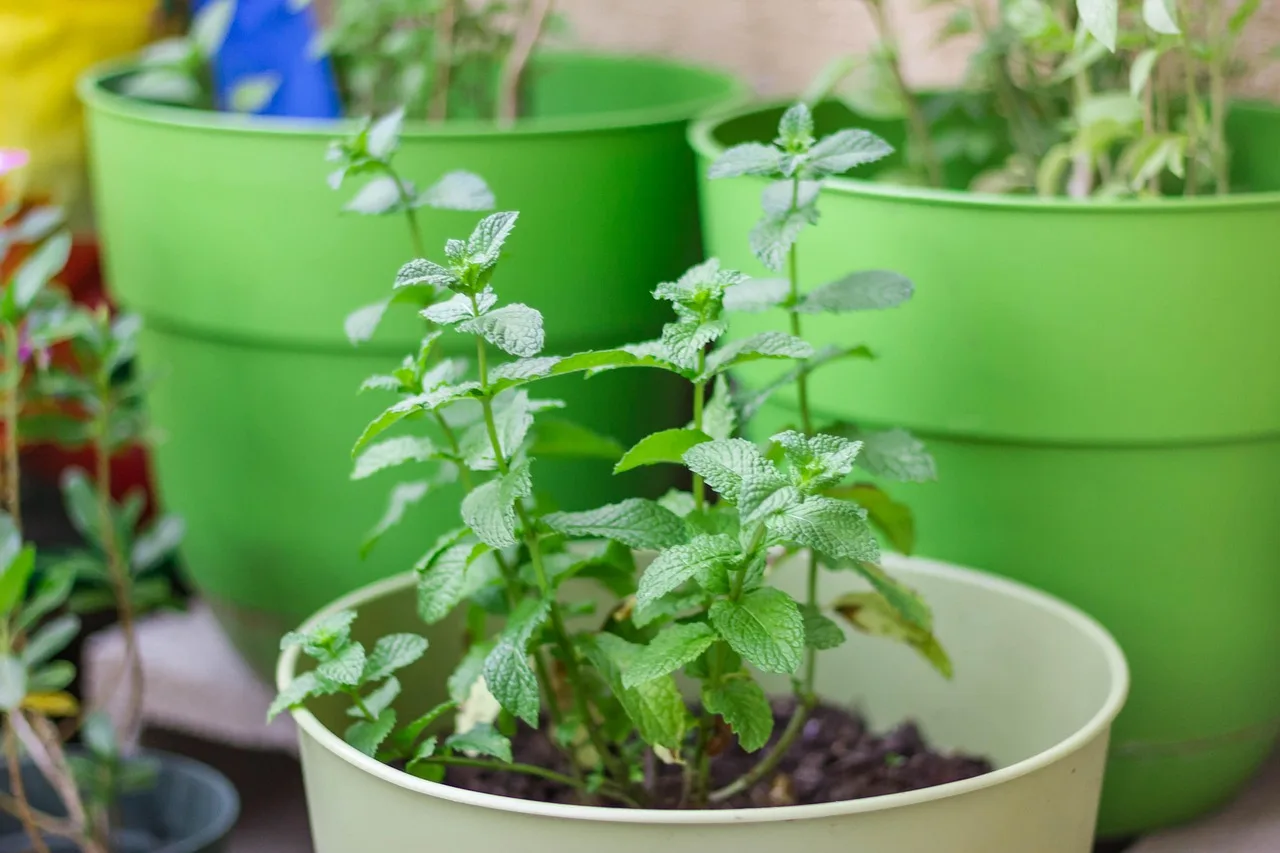
Start with one mint plant per roughly 12- to 16-inch pot, about one plant per 2-by-2-foot raised-bed section, and usually only one plant in the ground if you install a root barrier; for extra insurance, keep mint in a container. More plants mean more runners, more rhizomes, and a faster escape into nearby herbs. This guide gives a simple count for pots, raised beds, and in-ground planting, plus the barrier and pot-size rules that keep mint under control.
How many mint plants should you plant?
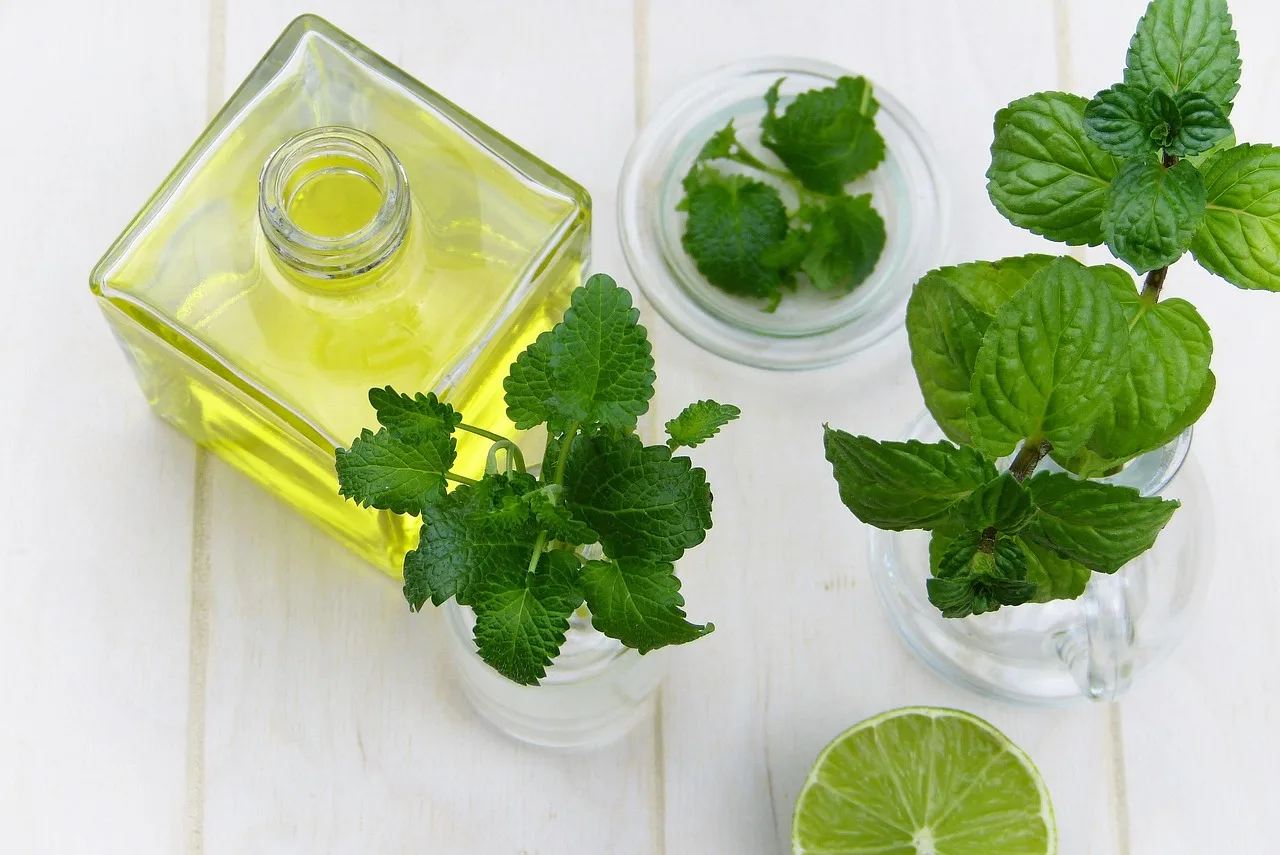


Start with your harvest goal, then plant the smallest number that meets it. For many home gardeners, one mint plant is enough for kitchen use, two plants in separate containers can cover steadier picking, and a larger contained patch makes sense only if you want frequent harvests or tea in larger amounts. Mint spreads by runners and rhizomes, so extra plants raise escape risk fast.
Mint plants are vigorous perennial herbs. Peppermint and spearmint are the usual kitchen choices, but apple mint and variegated peppermint also show up in home gardens. Put containment first, because rhizomes are the main reason mint breaks out of beds and moves into nearby soil.
Choose one plant, two plants, or a contained patch
Use one plant when you want a small, controlled source for garnish, tea, or a windowsill supply. Use two plants when you want regular cutting without stripping one plant bare. Use a contained patch only when you have a hard boundary and enough room to keep the plants from joining together and reaching beyond the planting area.
The Almanac recommends one or two plants for outdoor growing, with those plants about two feet apart. That is a practical upper limit for many home setups, not a signal to mass plant mint in open soil. Epic Gardening also lists mint as an aggressive spreader, which is why plant count and containment need to be decided together.
Match the count to your space
If your space is small, the safest choice is one plant in one container. If you have a dedicated bed section, one plant can fill the area without crowding other herbs. If you want a patch, keep the patch isolated from mixed borders and expect regular trimming to keep stems from arching into other plants.
Say your goal is mint for iced tea and a few sprigs for dinner. One plant in a pot usually fits that need better than several plants in the ground, because the container blocks runners and makes routine cutting easy.
Mint containment calculator
| Scenario | Plant count | Containment setup | Spread risk | Expected maintenance | In-ground planting? | Raised bed? | Container? |
|---|---|---|---|---|---|---|---|
| Single kitchen plant | 1 | 1 mint in a 10-inch pot with drainage holes | Low | Water regularly; trim stems often | No | No | Yes |
| Steady harvest | 2 | 2 separate 10-inch pots, one plant per pot | Low to moderate if pots are grouped too tightly | Water regularly; rotate pots for light; cut back after flushes of growth | No | Only if each pot is isolated | Yes |
| Dedicated mint zone | 1 to 2 | Contained patch with about 2 feet between plants and hard edges | Moderate if the barrier fails; lower with walls or walkways | Inspect edges; prune runners; keep moisture even | Only with barriers or buried containers | Yes, if the bed is separated | Yes |
Should mint be planted in pots or in the ground?
Pots are the safest default because they block rhizomes and make spread easier to control. In-ground planting can work, but only with a physical barrier that keeps roots from moving into surrounding soil. Open beds without barriers are the highest-risk choice, especially beside low herbs that cannot compete with mint’s spread.
Why pots are the safest default
A pot gives you a fixed root zone and a clear limit. The Almanac suggests each mint in a 10-inch pot, and MorningChores says a container should be at least 12 inches wide. Those figures point in the same direction: give mint enough room to grow, but keep that room bounded.
For indoor plants, regular watering matters because containers dry faster than garden soil. Moist but well-drained soil is the right target. If the pot stays soggy, roots suffer; if it dries out, the plant stalls and produces less usable growth.
When buried containers can work
Buried containers are a useful middle ground for gardeners who want mint in the soil but not in the whole bed. MorningChores recommends a 10-gallon container sunk into the earth, with the top sticking out 2 inches above ground. That small lip helps keep runners from jumping the edge.
This setup fits a dedicated mint spot better than a mixed herb border. It is still a container system, just one hidden in the ground. The root mass stays fenced in, which is the point.
Why open beds need barriers
Open beds need barriers because rhizomes move under the soil surface. Walls, walkways, and other hard edges help, but only if they actually separate the mint from nearby roots. Without that boundary, mint can creep under edging and into adjacent plantings.
A common first-timer mistake is to tuck mint beside basil or parsley in a raised bed because the top growth looks manageable. The underground spread is the problem. Once rhizomes cross the bed line, removal becomes a digging job, not a pruning job.
How wide of a pot do mint plants need?
For one mint plant, a 10-inch pot is a practical starting point. If you want extra root room, use a container at least 12 inches wide. Wider pots help the root ball stay evenly moist and reduce how quickly the plant dries out between waterings, especially in warm weather.
10-inch pots for a single plant
The Almanac suggests each mint in a 10-inch pot, which fits the goal of one controlled plant per container. That size works well for a kitchen plant because it gives enough root space without creating a large, hard-to-move pot. Drainage holes matter as much as diameter.
At least 12 inches wide for extra room
The same source says a container should be at least 12 inches wide, which is a better choice if you want a little more buffer against drying. A wider pot can also slow root crowding, but it does not change the basic rule: one pot, one plant, unless the container is large enough for a truly isolated patch.
Drainage holes and soil depth
Use light soil with good drainage, not heavy, waterlogged mix. Mint likes moist soil, but it does not want standing water around its roots. If the pot lacks drainage holes, the plant is more likely to decline, and a stressed plant still keeps the same spread habits once it recovers.
How far apart should mint plants be spaced?
Use 12 to 24 inches apart as a baseline, and about 2 feet apart as a practical target in contained patches. The Almanac recommends one or two outdoor plants about two feet apart. Epic Gardening lists 18 to 36 inches, which supports the same idea: mint needs space, even when you are trying to keep it contained.
Use 12–24 inches apart as a baseline
Spacing mint 12 to 24 inches apart gives each plant room to expand above ground and helps you reach stems without tangling everything together. This spacing is more forgiving in a controlled bed or grouped containers, where the point is access and containment rather than filling every inch.
Aim for about 2 feet in contained patches
About 2 feet apart is a clean target if you are building a dedicated mint area. It keeps plant crowns separated enough for airflow and maintenance, while still giving you a compact patch. That spacing also matches the common recommendation for a small outdoor mint planting.
Why crowding raises maintenance
Crowded mint is harder to water evenly and harder to cut back without tearing stems. Dense growth also makes it easier for runners to hide. If the plants are too close, you spend more time chasing the edges and less time harvesting usable leaves.
How do you stop mint from spreading?
Use a physical barrier. Rhizomes are the main escape route, so the goal is to keep underground growth boxed in with pots, buried containers, walls, or walkways. If you want mint in the ground, keep it inside a structure that interrupts root travel before it reaches other beds.
Use rhizome barriers
Rhizomes are underground stems, and they are the reason mint escapes beds so easily. A barrier has to block or redirect that movement. Thin edging is usually not enough on its own if roots can slide underneath.
Sunk pots and buried containers
Pots sunk into the ground can work well because they combine the look of in-ground planting with the limits of a container. The buried-container method also makes inspection easier. If mint starts pressing hard against the sides, you can lift or thin it before it moves outward.
Raised beds, walkways, and hard edges
Raised beds are safer than open soil only when they are isolated from surrounding ground. A separate raised bed with hard edges can hold mint better than a mixed herb border. Walkways and walls add another layer of protection by putting a physical break between mint and the rest of the garden.
Suppose a 2-by-4-foot raised bed holds mint on one end and thyme on the other. Even with spacing, the mint will try to claim the open soil unless the bed has a barrier or a container inside it. The right fix is not more trimming; it is a tighter root boundary.
Mint types and growing conditions
Peppermint, spearmint, apple mint, and variegated peppermint are common home-garden choices. They all spread vigorously, but their leaf flavor and growth habits differ enough to matter when you are choosing a plant for a pot, a tea patch, or a decorative bed edge. Variegated types may need protection from direct sun.
Peppermint, spearmint, and apple mint
Peppermint and spearmint are the most familiar culinary types. Apple mint is often chosen for a slightly different flavor and a softer look in the garden. These types still need the same basic containment plan, because species choice does not remove the rhizome problem.
Variegated peppermint and sun protection
Variegated peppermint can need more protection from direct sun than solid-green types. Mint generally grows in full sun to partial shade, but lighter leaves can scorch faster in strong afternoon sun. Partial shade is often the safer pick if the pot sits on a hot patio or south-facing ledge.
Full sun to partial shade with moist, well-drained soil
Mint grows best in full sun to partial shade, depending on the variety and climate. Keep the soil moist but well drained, and water container plants regularly. That balance supports leaf growth without turning the root zone soggy, which is especially important in pots and buried containers.
Frequently asked questions
How many mint plants should I plant so they don’t take over?
Start with one plant if you want a controlled supply, or two plants in separate containers if you want steadier harvests. Mint spreads by rhizomes, so adding more plants increases the chance that stems and roots will crowd the space unless each plant has its own barrier.
Can I plant more than one mint plant in one container?
Only if the container is large enough to keep the plants separated and you still have room to manage growth. For most home setups, one plant per container is the cleaner choice. Two plants are better kept in separate pots so their roots do not tangle.
How do I stop mint from spreading into other beds?
Use a physical barrier that blocks rhizomes: a pot, a sunk container, a dedicated raised bed, or a hard edge like a wall or walkway. Trimming only controls the top growth. The underground runners are what let mint move into other beds.
How many mint plants do I need for regular kitchen use?
One plant is usually enough for regular kitchen use if you cut it often and keep it healthy. If you want enough for drinks, sauces, and larger harvests, two plants in separate pots give you more cutting room without pushing the root space too far.
Is mint too invasive to plant in a raised bed?
It can be, if the raised bed is open to surrounding soil or mixed with other herbs. A separate raised bed with hard edges can work well, but mint still needs spacing and regular checks. Without a barrier, it can overrun the bed and spread outward.