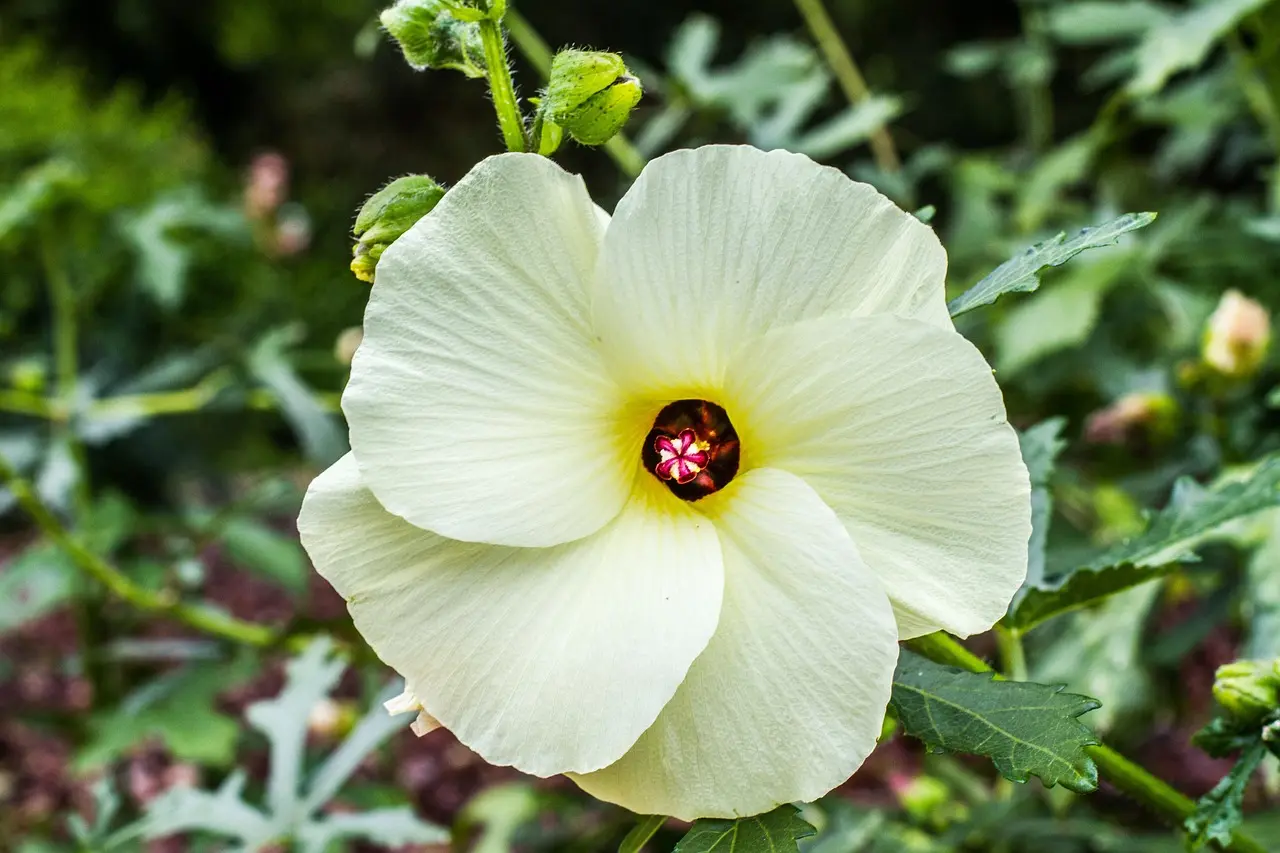
How Many Okra Plants Should You Plant for Summer?
A common rule of thumb is to plant about 2 to 4 okra plants per person for steady summer picking, or about 6 to 8 plants for a family that wants one heavy harvest and some freezing. Too few plants leaves you short. Too many, and pods turn tough before you can keep up. This guide shows how to size okra plantings by household use, spacing, variety, and harvest length.
How many okra plants do you need?
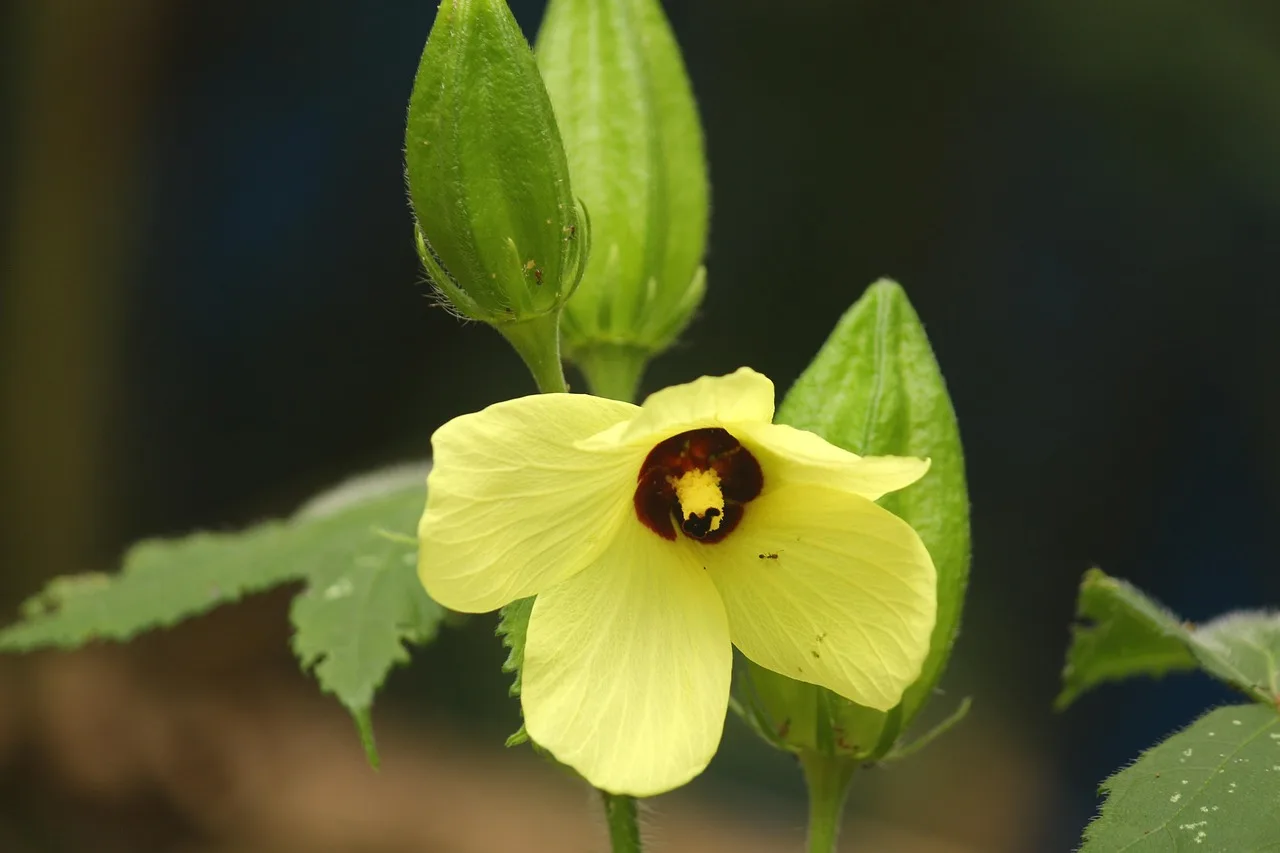


Start with 2 to 4 plants per person if you want pods coming through summer. For a family of four, that usually means about 8 to 16 plants, with the lower end fitting lighter use and the higher end fitting regular cooking plus freezing or sharing.
RHS says four or five okra plants should produce sufficient harvests for most families, and Free Plants says five plants will produce enough pods for most families on average. That is a useful middle ground for households that want okra as a side crop, not a staple.
Okra plant count calculator
| Household goal | Weekly okra use | Space available | Recommended plant count |
|---|---|---|---|
| One person, occasional use | 1 to 2 servings | Small bed or one container | 2 to 3 dwarf or standard plants |
| Couple, steady summer picking | 2 to 4 servings | One short row or half a raised bed | 4 to 6 standard plants |
| Family of 4, steady use | 4 to 6 servings | One medium bed or a full row | 6 to 10 standard plants |
| Family of 4, heavy harvest and freezing | 6+ servings | Full row or two beds | 10 to 16 standard plants |
| Dwarf or container setup | Light to moderate use | Patio, small bed, or pot | 1 plant per 30cm pot, or 2 per standard growing bag |
| Extended harvest by succession | Steady weekly harvests | Room for a second sowing | Start 2 to 4 extra plants 2 to 3 weeks later |
Use the table as a starting point, then adjust for eating speed. If your household eats pods only once a week, you need fewer plants than a household that wants enough for frying every few days.
Say your family eats okra twice a week and likes to freeze a few bags in midsummer. A row of 8 to 10 plants gives more flexibility than 4 plants, because a few hot harvests can mature fast and turn tough if you wait too long.
How much space does one okra plant need?
One okra plant usually needs about 12 to 18 inches in a row, with some guides thinning direct-sown plants to 12 inches and others spacing transplants 1 to 2 feet apart. The Almanac also gives okra a spread of 1 to 3 feet, so crowding cuts airflow and makes the bed harder to manage.
Rows should be 3 to 4 feet apart. That width matters because okra can grow tall, often about 3 to 8 feet depending on variety and climate, and you need enough room to move through the row for picking.
Why airflow changes plant count
Okra leaves get broad as the plant matures. If plants sit too close together, pods hide inside dense stems and you miss them. Missed pods get woody fast, so tight spacing can lower usable yield even when total pod count looks high.
Container spacing is tighter only because the total plant size is smaller in practice. The same source recommends one okra plant in a 30cm wide and deep pot, and says a standard growing bag can hold two okra plants. That is the simplest way to size a patio planting.
How many okra plants fit in a raised bed?
The answer depends on bed width and row layout. In a 4-foot-wide raised bed, two rows often fit if the bed is wide enough for access and airflow; in narrower beds, one centered row is cleaner and easier to harvest. A 4-by-8-foot bed usually suits about 4 to 8 plants, depending on spacing and variety.
For a short bed, count backward from mature spacing. At 12-inch spacing, a 4-foot run holds 4 plants per row. At 18-inch spacing, it holds 3 plants per row. Two rows would double that only if the bed is wide enough for access and airflow.
Which okra varieties need fewer plants?
Dwarf okra often needs fewer plants because each plant stays smaller and fits tighter spaces. Spineless types do not reduce plant count by themselves, but they make frequent picking easier. Tall standard types usually need the full spacing range and often need fewer plants per bed because each one occupies more room.
Variety choice also changes time to harvest. Shorter, earlier varieties can give a quicker first pick, which helps if you want a smaller planting for a short summer. Later, taller types need more room and more time, so you usually plant more of them only when you have the space to harvest often.
Which okra varieties need fewer plants?
Dwarf types are the best fit when space is tight. Spineless types are a good choice when you plan to pick often and want easier handling. Tall standard types usually need the same or greater spacing, so they do not let you cram more plants into the same bed without losing yield quality.
If you want one heavy harvest, standard types can still be a good choice because they are productive, but they need more bed width and more frequent picking. If you want smaller, repeat plantings, dwarf okra is easier to fit into a mixed garden.
When should you plant okra for summer harvests?
Plant okra after frost once the soil is warm enough. Seed Savers says okra grows best when soil has warmed above 80 degrees F. Cold soil slows germination, and late planting can push your harvest later into the hottest part of summer, which changes how many plants you need to keep pods coming.
Direct sowing is the simplest method in warm climates. In cooler regions, start indoors or transplant seedlings after frost, but avoid setting them out too early. If the season starts cool, one extra sowing later in spring can often be more useful than planting all at once and waiting on weak growth.
How planting date changes plant count
Early planting in warm soil often means fewer plants are needed for the same harvest window, because each plant starts producing sooner and stays productive longer. Late planting usually needs more plants if you want the same total pods before fall cools things down.
Suppose your soil stays cool through early spring and you wait to plant until the first warm stretch. A 6-plant patch may still give a decent harvest, but a 10-plant patch is more forgiving if germination is uneven or the first flush comes later than planned.
Should I plant okra in a row or in hills?
Rows are the easier default for most gardens because okra needs airflow, regular picking, and room to move between plants. Hills can work in warm, loose soil, especially if you want a few clustered plants, but row spacing is usually easier to count and easier to harvest from.
If you are deciding by plant count, rows are simpler. Use 12 to 18 inches between plants in the row, and 3 to 4 feet between rows. That gives you a clear way to match a bed or border to your target number of plants.
How should you plant okra for the best yield?
- Direct sow or transplant only after soil warms well.
- Keep direct-sown seedlings at 12 to 18 inches apart, or thin young plants to 12 inches if the stand is crowded.
- Use 1 to 2 feet between transplants if you want larger plants.
- Give rows 3 to 4 feet of space for access and airflow.
- Water regularly, but avoid soggy soil.
- Do not push nitrogen too hard, because too much leafy growth can delay pods and make the patch less efficient for the space you have.
A common first-timer mistake is planting too many okra seedlings in rich soil and then not thinning them. The patch looks full, but the plants compete for light and air, and the actual harvest drops because pods are harder to see and pick.
How many okra plants should I start if I want a summer harvest all season?
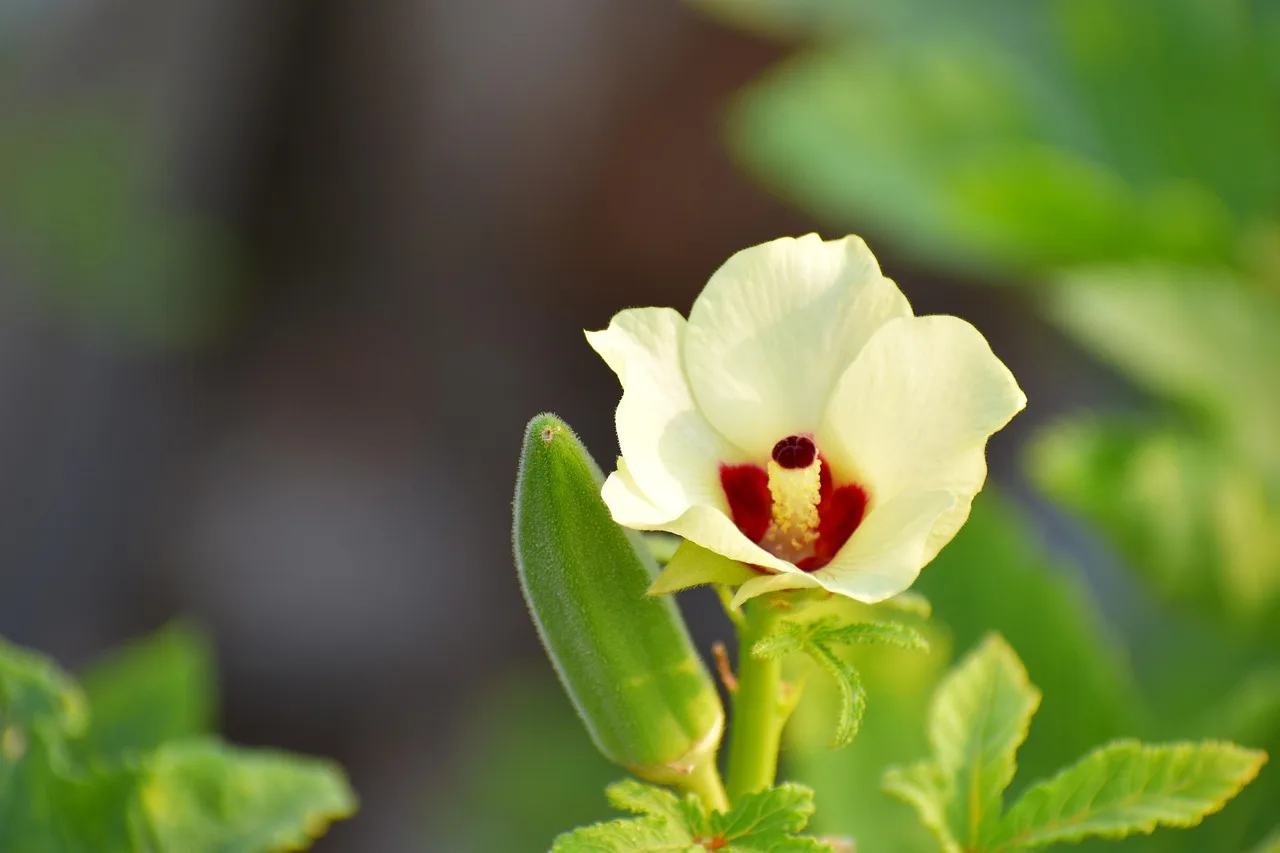
If you want okra all summer, start enough plants for the first harvest plus a second, later sowing. For most home gardens, that means one main planting of 4 to 8 plants and a staggered planting of 2 to 4 more plants two to three weeks later if space allows.
Staggering helps when one planting finishes strong and then slows. It also reduces the risk that weather, pests, or poor germination wipe out your whole harvest window at once. For a long season, a second sowing often beats trying to stretch one planting too far.
If your goal is steady pods, not one big flush, staggered planting is often the better count strategy. It gives you fewer gaps between harvest peaks and a better chance that fresh plants will replace older ones as the first stems slow down.
Can one okra plant produce enough pods for a household?
One plant can produce pods, but it usually will not feed a household by itself unless the household only wants a few servings. Okra is productive, yet pod size and picking speed matter. If pods stay on the plant too long, they get tough and the effective yield drops fast.
For a single container or a very small bed, one plant can still be useful for fresh meals. For a family, though, the safer plan is several plants, because one plant cannot make up for missed picks, poor weather, or a slow start.
Frequently asked questions
How many okra plants do I need for a family of 4?
For a family of four, a practical starting point is about 6 to 10 plants for regular summer use, or about 10 to 16 plants if you want heavier picking and some freezing. The same source says four or five plants should be enough for most families, so your target depends on how often you cook okra and whether you want extras.
How many okra plants should I grow in a container?
The same source recommends one okra plant in a 30cm wide and deep pot. It also says a standard growing bag can hold two okra plants. For containers, smaller, dwarf types are the safest bet, because they fit the root zone and are easier to water and harvest in hot weather.