How Many Seeds Should I Sow Per Container? A Quick Guide
Sow 1–2 seeds for large seeds, 3–4 for medium seeds, and 6–8 for tiny seeds per container opening, then thin to the strongest plant; for trays, seed each cell with 1–2 extra if germination is under 80%. I use the seed packet, the finished plant size, and the container volume to set that count. Sow too many and you waste seed, crowd roots, and end up thinning weak, tangled seedlings. This guide shows how to turn pot size, crop type, and germination rate into an exact sowing count for vegetables, herbs, and flowers.
What you’ll need


- Seed packet with sowing depth, spacing, and days to germination
- Container, pot, or tray with drainage holes
- Fine seed-starting mix, pre-moistened
- Watering can or spray bottle
- Plant labels and a marker
- Bright grow light or a sunny indoor window
- Optional: bottom heat mat for warm-season crops
- Optional: humidity cover or clear dome for the first stage
How many seeds should I sow per container?
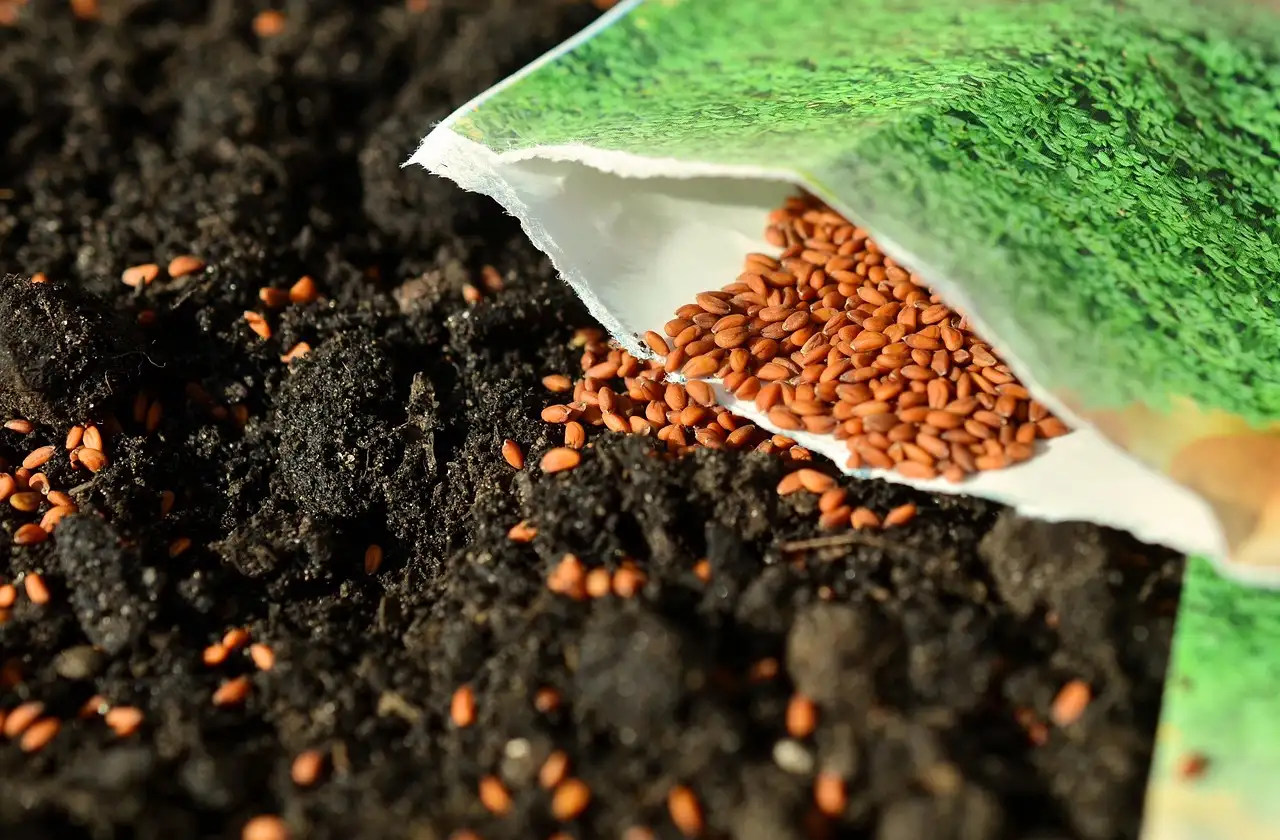
The right count is the number of plants you can fit at final spacing, plus a small backup for germination loss. One seed is enough for large, reliable seed lots in a small pot. Two to four seeds per spot is safer for average seed, and tiny seeds often need several more because they are hard to place one by one.
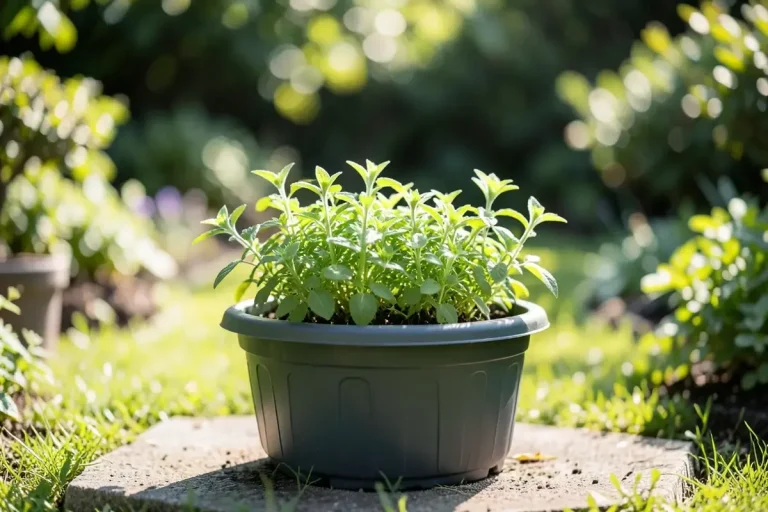
Think in terms of the plant’s finished space, not the number of holes in the pot. A 6-inch pot can often hold one basil plant, a few lettuce starts, or several flowers if they are thinned early and moved before they crowd each other.
Match the crop to the container
- Read the packet spacing for the mature plant.
- Check the pot diameter or tray cell size.
- Sow only as many seeds as the container can carry after thinning.
- Leave drainage open and avoid packing the mix hard, because low oxygen slows germination.
What you’ll need to decide before sowing
Three numbers do most of the work: container size, packet germination rate, and the crop’s final spacing. Soil volume matters because small pots dry fast and make crowding worse. Depth matters too. A deep pot can hold a root crop or one stout herb better than a shallow bowl.
Seed packet instructions usually give sowing depth, days to germination, and spacing. Those details should set the starting count, then germination rate adjusts it upward or downward.
Step 1: Read the seed packet first
Start with the packet because it tells you how deep to sow, how long sprouting should take, and how much space each mature plant needs. If the packet says 75% germination, one out of four seeds may fail, so a single seed per spot is a gamble.
Old seed lots often need a backup plan. If the packet is from a prior season or was stored warm, expect fewer seedlings and sow an extra seed or two only where crowding can be corrected by thinning.
Step 2: Match the seed count to the container
Small pots and shallow cell trays need stricter counting than big tubs and deep planters. A small cell like this is usually used for one seedling after thinning. A 6-inch pot can often support one larger herb, a few cut-and-come-again greens, or several flowers only while young.
Mixed planters need the tightest control. If several crops share one container, use the final spacing of the largest plant and leave the rest of the surface for fillers only if they mature faster or can be clipped before crowding starts.
Single pots, mixed planters, and cell trays
- Single pots: sow 1–2 large seeds, 2–4 medium seeds, or 6–8 tiny seeds, then thin fast.
- Mixed planters: sow for the final plant count only, not for a full surface cover.
- Cell trays: usually 1 seed per cell for large seed; 2 seeds per cell if germination is modest.
Step 3: Adjust for germination rate and seed age
Germination rate is the share of seeds likely to sprout. A higher-germination lot is generally more reliable than a lower-germination lot, so the lower-rate packet needs more seeds per planting spot. Older seed usually loses vigor first, so it may sprout slowly and unevenly even when it still remains viable.
Do not stuff six seeds into a tiny pot just to solve weak seed. That creates root competition and thinning problems. For expensive seed or a limited supply, sow in one cell, then resow only the empty cells after the germination window closes.
Quick adjustment rule
- At 80% to 100% germination, sow the base count.
- If germination is moderate rather than high, add one extra seed per pot or cell.
- If germination looks well below average, sow a couple of extra seeds or plan for a second sowing.
- Keep the weaker lot in its own tray so resowing is easy.
Seed count by container size: calculator table
This table gives a practical starting count for common pots and cells. Use the low end for fresh seed with high germination. Use the high end for older seed or lots that tested poorly. For very expensive seed, sow one seed per spot and leave a backup cell empty for resowing.
| Container size | Best use | High germination seed lot | Medium germination seed lot | Low germination seed lot |
|---|---|---|---|---|
| 1-inch cell | Small herbs, flowers, lettuce starts | 1 seed | 2 seeds | 2–3 seeds |
| 2-inch cell | Most vegetables and annual flowers | 1 seed | 2 seeds | 2–3 seeds |
| 3-inch cell | Tomato, pepper, larger seedlings | 1 seed | 2 seeds | 2–3 seeds |
| 4-inch pot | One herb, one leafy crop, a few flowers | 1–2 seeds | 2–3 seeds | 3–4 seeds |
| 6-inch pot | One larger herb, salad mix, compact flowers | 1–2 seeds | 3–4 seeds | 4–6 seeds |
| 8–10 inch pot | Container lettuce, herbs, bush flowers | 2–4 seeds | 4–6 seeds | 6–8 seeds |
How deep should you sow seeds in a container?
Use the seed-size rule: sow about twice as deep as the seed is thick for most crops. Large seeds like beans and peas want a deeper hole. Tiny seeds often need light on top or barely any cover. If the packet says “surface sow,” do not bury them.
Light germinators such as lettuce, petunia, and many herbs need contact with moisture and light, not a heavy blanket of mix. Dark germinators can be covered with fine seed-starting mix or a thin layer of vermiculite to hold moisture without sealing the surface.
Covering choices that work
- Fine mix: best for most medium and large seeds.
- Vermiculite: useful for tiny seeds that still need slight cover.
- No cover: for surface-sown seed packets marked that way.
When should I thin seedlings after sowing?
Thin when seedlings have their first true leaf, or once they are large enough to handle but still small enough to separate cleanly. If several sprouts touch leaves or shade one another, thin immediately. The goal is the final spacing, not keeping every sprout that comes up.
Snip weak seedlings at soil level with small scissors when roots are tangled. Pull only when seedlings are loose and the remaining plant will not be disturbed. Snipping avoids root lift, especially in shallow cells and fine seed-starting mix.
Thin by final spacing, not by calendar
- Wait for the first true leaf.
- Select the strongest stem in each spot.
- Snip extras at soil level.
- Leave enough space for the mature plant listed on the packet.
How many seeds should I sow from a packet?
Count by usable spots, not by the total number of seeds in the packet. If a packet holds 40 seeds and you need four 2-inch cells, sow 4 to 6 seeds total if germination is high, or 6 to 8 if the lot is older or unknown. The rest stay for a second sowing.
When packets are expensive or seed supply is limited, sow one seed per cell and keep the packet cool and dry. That gives the cleanest count and avoids wasting seed in crowded backups that will need heavy thinning.
How many seeds should I sow for herbs versus vegetables?
Herbs usually need fewer seeds per pot than vegetables because many herbs become woody or branchy quickly. Basil and cilantro can take 2 to 4 seeds per small pot, while parsley and chives may be sown more densely in a tray. Vegetables follow mature size more than crop name.
Large-seeded vegetables like beans, peas, cucumbers, and squash are often one seed per spot. Tiny-seeded herbs and flowers are often surface-sown or lightly covered, then thinned hard after sprouting. Root crops usually get one seed per final position because transplanting disturbs the root.
Common mistakes
Overcrowding happens when every seed is counted as if it will fail. That makes weak stems, crowded roots, and uneven watering. Heavy mix is another problem because it stays wet, reduces air around the seed, and raises damping off risk.
Too much depth slows or stops sprouting. Too little light after emergence creates long, weak seedlings that collapse. Leaving seedlings unthinned past the true-leaf stage makes transplanting harder and increases shock.
If that didn’t work, try this next
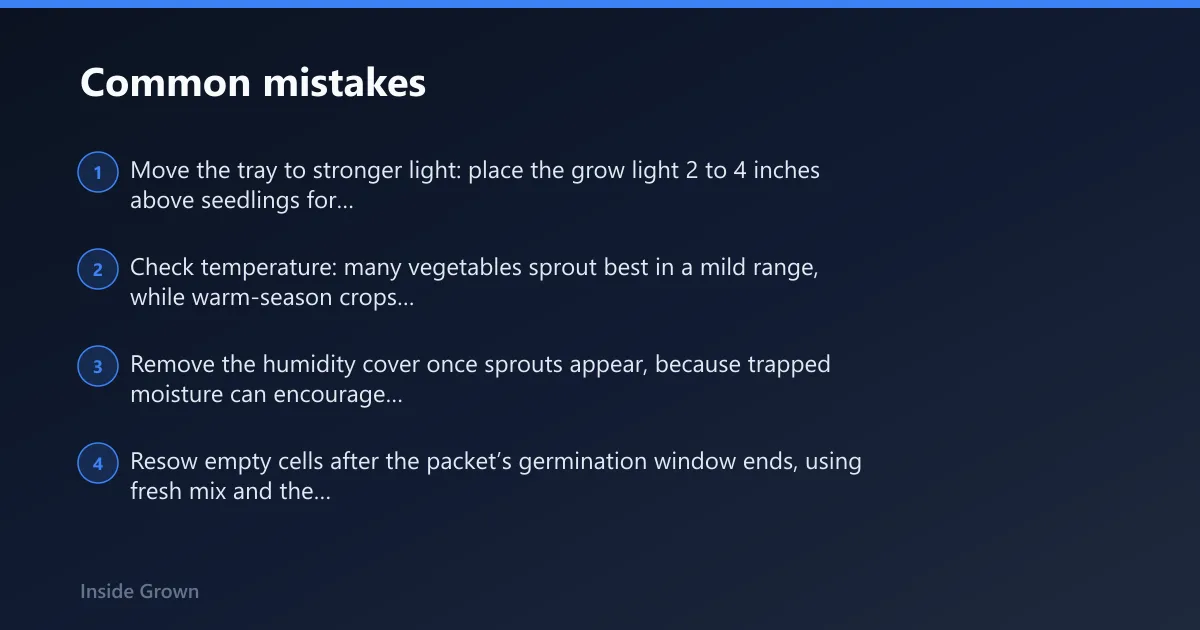
- Move the tray to stronger light: place the grow light 2 to 4 inches above seedlings for 14 to 16 hours a day.
- Check temperature: many vegetables sprout best in a mild range, while warm-season crops often do better in warmer conditions.
- Remove the humidity cover once sprouts appear, because trapped moisture can encourage damping off.
- Resow empty cells after the packet’s germination window ends, using fresh mix and the same depth.
Prevention: label each tray with crop, sowing date, and packet germination rate so the next sowing can be counted from the start instead of guessed later.
Frequently asked questions
how many seeds to plant per container
Use the final plant spacing as the guide, then add one backup seed if the lot is uncertain. A 2-inch cell usually gets 1 seed, a 4-inch pot often gets 1 to 3, and a 6-inch pot can hold 1 to 4 depending on crop size and thinning speed.
how many seeds to plant from a packet
Divide the packet by the number of spots you need, then add extras only for lower germination or older seed. If you need 10 cells and germination is around 80%, sow 10 to 12 seeds. Keep the rest for a second sowing rather than crowding the first tray.
how many seeds to sow per plant
For most vegetables and larger herbs, sow 1 to 2 seeds per planting spot. For medium seed lots, 2 to 3 is safer. Tiny seed often needs 4 to 8 seeds per spot only because the seed is hard to place, then it must be thinned to one strong seedling.
Should I sow one seed or several seeds in each pot?
One seed works when germination is high and the container is small, especially for beans, peas, tomatoes, and other large seeds. Several seeds are better for low-germination lots, tiny seed, or species where one plant may fail to emerge. Thin to the best seedling early.
How do I adjust seed count for seed germination rate?
At 80% or better, sow the base count. From 60% to 79%, add one extra seed per spot. Below 60%, add two extras or plan a second sowing. Older seed usually needs the higher end of that range because age lowers vigor and slows sprouting.
How deep should I sow seeds in a container?
Use a depth about twice the seed’s thickness for most crops. Large seeds get deeper sowing, and tiny light germinators may be left on the surface or covered with a dusting of fine mix or vermiculite. If the packet says surface sow, do exactly that.
When should I thin seedlings after sowing?
Thin at the first true leaf stage, or sooner if seedlings touch and crowd one another. Snip extras at the soil line when roots are close together. Pull only when the remaining plant will not be disturbed. Final spacing should match the mature plant listed on the packet.