How Many Onion Sets Per Row Should You Plant in a Garden?
Plant one onion set every 4 to 6 inches in a row, then divide the row length by your chosen spacing to estimate the count; many growers add a small buffer for losses. Miss that math and you get gaps, crowded bulbs, or a short order that leaves the bed half-finished. I use this same method to turn row length into exact set counts for single rows, raised beds, and market-bed layouts.
How many onion sets per row should you plant?


Start with row length, not the seed packet
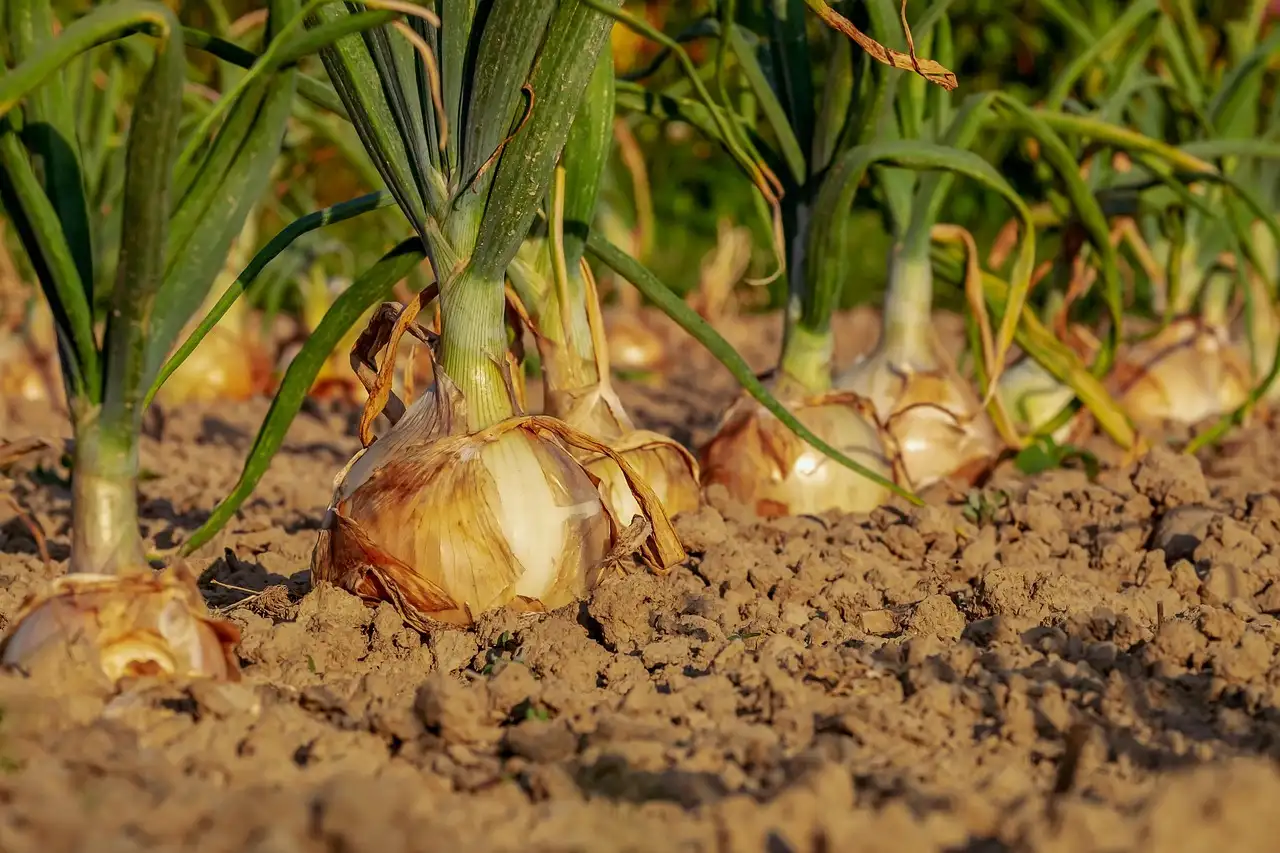
Onion sets are small dormant bulbs used as starter material, and they are a fast, forgiving choice for spring planting. For row planning, row length is the first number that matters. Once I know that length, the set count is simple division.
Use this formula:
row length in inches ÷ in-row spacing in inches = sets needed
Then add a buying buffer. Onion sets often need a modest amount extra for misses, duds, pests, or weak establishment. I use 10% when I want one clean order total.
Use spacing to match your bulb goal
Planting closer gives you more plants and smaller bulbs. Planting farther apart gives fewer plants and larger bulbs. For cooking onions, 4 inches is a useful middle ground. For scallion-like harvests, 3 inches works. For larger storage bulbs, 5 to 6 inches is the better target.
Add a small buying buffer before you place the order
Do not buy the exact number and stop there. Even good sets fail to sprout, get pulled by birds, or stall in cold soil. A 10% buffer usually covers that gap without leaving you with a huge pile of extras.
According to Onion Planting Calculator: Sets, Plants & Bed Space — Onion planting calculators often recommend a survival buffer of 80 to 90 percent.
How far apart should onion sets be in a row?
Plant onion sets about 3 to 6 inches apart in the row. Three inches suits smaller bulbs or scallion-style harvests, 4 inches is the standard cooking-onion compromise, and 5 to 6 inches gives more room for larger bulbs. That spacing choice directly changes how many sets fit in each row.
Choose spacing by harvest size
- 3 inches: smaller bulbs, bunching use, or tighter beds.
- 4 inches: a balanced home-garden spacing for usable cooking onions.
- 5 inches: larger bulbs without wasting much row space.
- 6 inches: bigger bulbs and better room for curing.
Remember what row crowding does
Tighter row spacing can cut airflow and make curing harder for storage onions. Wider spacing usually means fewer plants per bed, but the bulbs have room to size up. If the goal is storage, a little elbow room matters.

How many rows fit in a raised bed?
A raised bed fits rows based on usable width, not the outside frame size alone. A 4×8 bed can often hold about four rows at 12-inch spacing, or more if you tighten the layout. A 30-inch market bed usually fits two practical rows, and sometimes three in an intensive layout with narrow row spacing and careful edge clearance.
What changes in a 4×8 bed
The common 4×8 raised bed is a planning unit many gardeners use because it is easy to map. With 12-inch row spacing, the bed can hold a straightforward layout that leaves room to weed and feed. Tighter row spacing can push the plant count higher, but usable width still sets the limit.
What changes in a 30-inch market bed
A 30-inch bed is narrow enough that edge clearance matters a lot. Leave the outer inches usable only for access and plant shoulders, not for cramming in extra rows. In practice, 12-inch spacing gives two comfortable rows, while 6-inch spacing is the tight-fit option for intensive planting.
Use this sets-per-row planning table
| Row length | 3-inch spacing | 4-inch spacing | 5-inch spacing | 6-inch spacing | 10% buffer at 4-inch spacing | Rounded buy count at 4-inch spacing |
|---|---|---|---|---|---|---|
| 10 ft | 40 | 30 | 24 | 20 | 33 | 33 |
| 20 ft | 80 | 60 | 48 | 40 | 66 | 66 |
| 30 ft | 120 | 90 | 72 | 60 | 99 | 99 |
| 40 ft | 160 | 120 | 96 | 80 | 132 | 132 |
| 50 ft | 200 | 150 | 120 | 100 | 165 | 165 |
| 60 ft | 240 | 180 | 144 | 120 | 198 | 198 |
| 70 ft | 280 | 210 | 168 | 140 | 231 | 231 |
| 80 ft | 320 | 240 | 192 | 160 | 264 | 264 |
| 90 ft | 360 | 270 | 216 | 180 | 297 | 297 |
| 100 ft | 400 | 300 | 240 | 200 | 330 | 330 |
How do row spacing and bed width change plant count?
Row spacing changes how many rows fit inside the bed, which changes total plant count more than many gardeners expect. A tighter layout raises plant density per square foot. Wider rows cut the number of plants but improve airflow and make curing easier for storage onions.
Think in rows per bed, then plants per row
For a 4×8 bed, the question is not only how many sets fit along the length. It is also how many full rows fit across the width. A bed with four rows at 12-inch spacing may hold fewer plants than a tighter layout, but it is easier to keep clean and fed.
Use the square-foot idea without overcomplicating it
Plant density depends on both row spacing and in-row spacing. Tight spacing packs more plants into the same area, but bulb size usually drops. Wider spacing leaves more room for each bulb to size up, which is the better choice if storage onions are the goal.
Which onion type should you plant for your region?
Day-length type matters as much as spacing. Long-day onions suit northern regions and need about 14 to 16 hours of daylight to bulb. Short-day onions fit southern regions and bulb at around 10 to 12 hours. Intermediate or day-neutral types work in transition zones and bulb at around 12 to 14 hours.
Match the onion to the daylight you get
If the type is wrong for the region, the plants may grow leaves but fail to bulb properly. That is a planning mistake, not a spacing mistake. No row count fixes a bad day-length choice.
Watch set size and bolting risk
Onion sets larger than about 3/4 inch are more likely to bolt. Heat-treated sets are used to reduce bolting. Oversized sets can be better used as green onions instead of storage bulbs, because they may rush into seed stalks before they size up well.
How many extra onion sets should you buy for misses?
Buy extra onion sets. A practical buffer is about 5% to 15%, and 10% is a clean working number for most home gardens. That extra covers misses, weak starts, pests, and the few sets that simply never take off.
Use a survival buffer, not guesswork
- Count the sets your row length requires.
- Multiply that number by 1.10 for a 10% buffer.
- Round up to the next whole set.
- Buy that amount, then keep a few extras for replacements.
Example with a 50-foot row
At 4-inch spacing, a 50-foot row needs about 150 sets. Add 10%, and the buying target becomes 165. That is a small difference on paper, but it prevents a half-empty row when a few sets fail.
Do onion sets, transplants, and seeds use the same spacing?
No. Sets, transplants, and seeds do not use identical spacing in practice. Sets are often planted 3 to 6 inches apart because they are small starter bulbs. Transplants may follow similar row spacing, but seeds usually need more planning because thinning, stand loss, and establishment are less predictable.
Sets are fast, but they are not perfect
Onion sets are easy for beginners because they are already started. They still need shallow planting, steady feeding after establishment, and weed control early in growth. Plant the bulb tip near the soil surface, not deep below it.
Seeds and transplants need different buffer thinking
Onion calculators often suggest a survival buffer of 80 to 90 percent, which matches the idea of buying or starting extra plants. Direct-seeded onions usually need more allowance than sets. Transplants often use a smaller buffer than seed, but they still need one.
What spacing makes larger onion bulbs?
Wider in-row spacing makes larger bulbs. Use 5 to 6 inches if you want bigger storage onions and can spare the room. If you pack plants tighter, you get more bulbs, but they are usually smaller and less useful for long storage.
Spacing and bulb size move together
A standard home-garden spacing is 4 inches by 12 inches. Tight raised-bed plantings can use 3 inches by 8 inches. Those tighter numbers increase plant count, but they also push bulb size down.
Do not plant too deep
Onion sets should be shallow. Planting too deep can restrict bulb size. A buried set spends energy pushing up through soil instead of building the bulb you want.
How many onion sets fit in a 30-inch market bed?
A 30-inch market bed usually fits two practical rows at standard spacing, and the total set count depends on row length. If the bed is 8 feet long, a 4-inch spacing row holds 24 sets, so two rows hold about 48 sets before any buffer. Tighter spacing raises that number, but edge clearance still limits the layout.
Plan the bed by usable width
Do not count the full outside width as plantable. Leave the edges clear enough for airflow, watering, and harvesting. In a narrow bed, that usable width is the difference between a good layout and a crowded one.
Use tighter spacing only when the goal supports it
A 6-inch row spacing is a tight-fit option for intensive beds. It can be useful where every square foot counts, but it also increases crowding pressure. For storage onions, more room usually means better curing.
Frequently asked questions
How many onion sets per row should I plant?
Use row length divided by in-row spacing. A 10-foot row at 4-inch spacing takes 30 sets, while a 50-foot row takes 150. Add about 10% extra so you are not short if a few sets fail to establish.
How far apart should onion sets be in a row?
Plant onion sets about 3 to 6 inches apart. Use 3 inches for smaller bulbs or scallion-style harvests, 4 inches for a standard cooking crop, and 5 to 6 inches when you want larger bulbs and have room to spare.
How many rows of onions fit in a raised bed?
It depends on usable width and row spacing. A 4×8 bed often fits about four rows at 12-inch spacing, while a 30-inch market bed usually fits two practical rows. Tight layouts can add more rows, but crowding rises quickly.
How many onion sets do I need for a 4×8 bed?
A 4×8 bed can fit roughly 190 to 230 onions at 4-inch spacing with 6-inch rows, and around 130 onions at 6-inch spacing for jumbo bulbs. The exact count depends on edge clearance, row number, and whether the bed is fully usable.
Do onion sets, transplants, and seeds use the same spacing?
No. Sets are usually planted 3 to 6 inches apart because they are already started. Transplants often follow similar spacing, but seeds need more allowance for thinning and stand loss. The same bed can hold different counts depending on the planting method.
How many extra onion sets should I buy for misses?
Plan on about 5% to 15% extra, with 10% being a practical middle. If you need 150 sets for a row, buy about 165. That buffer covers duds, weak starts, pests, and the occasional gap that shows up after planting.