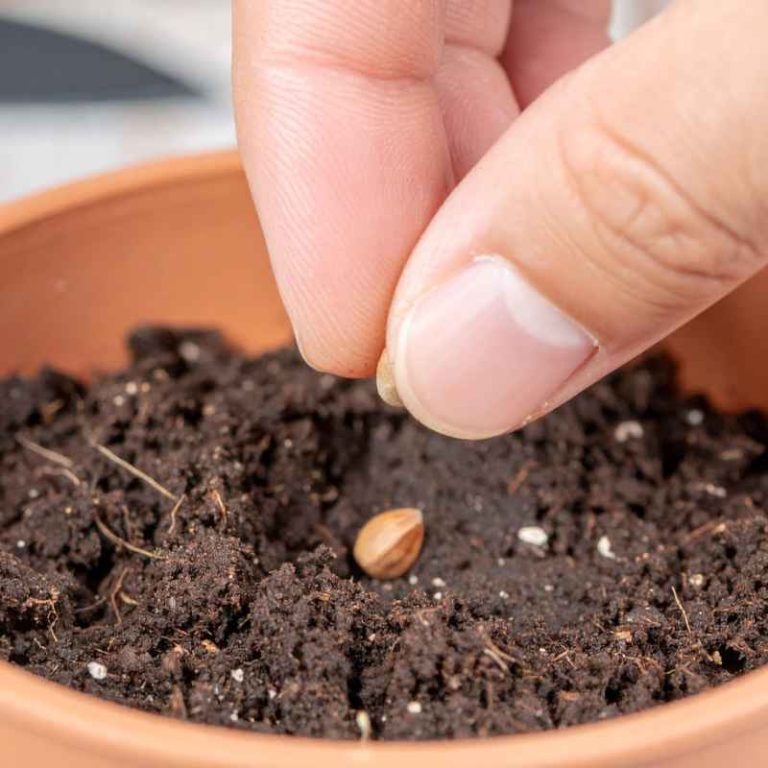
A Gardening Club Chooses Seed Types: What to Consider
Selecting the right seeds is the foundation of a thriving gardening club. Whether you’re cultivating a community garden, organizing educational workshops, or simply sharing the joys of horticulture, the seed varieties you choose will shape every aspect of your club’s success.
With over 1,000,000 seed types available globally, making informed decisions is essential to ensure plant health, club engagement, and sustainable practices.
Gardening clubs often face unique challenges: diverse member interests, local climate constraints, and balancing organic versus conventional preferences. This article explores every factor a gardening club should consider when choosing seed types, from soil compatibility and plant resilience to budget and club goals. By integrating expert guidance, data-driven comparisons, and real-world examples, we help you navigate the complexities of seed selection for maximum impact and lasting enjoyment.
Key Takeaways
- Seed selection impacts club engagement, garden productivity, and sustainability.
- Understanding local climate and soil is critical for successful seed choices.
- Balancing member preferences with practical limitations ensures a harmonious club.
- Comparing organic vs. conventional seeds helps align with club values and budgets.
- Regular review and adaptation of seed choices foster continuous improvement.

Credit: rivendelldistribution.com
Understanding Your Gardening Club’s Goals
Choosing seeds starts with understanding the purpose and priorities of your gardening club. Clubs may vary widely in their objectives, which directly influence the types of seeds best suited for their activities.
Defining Club Objectives
- Educational focus: Clubs aiming to teach gardening techniques may prefer seeds that offer quick germination and visible growth stages, such as radishes or beans. These are ideal for demonstration plots and beginner workshops, as their rapid growth allows members to observe plant development and participate in hands-on activities. For instance, radishes can germinate in just 3–7 days, making them perfect for introductory lessons.
- Community beautification: If the goal is to enhance public spaces, ornamental seeds (flowers, shrubs) take precedence. Species like marigolds, zinnias, and sunflowers can provide vibrant colors and attract pollinators, transforming neglected areas into inviting landscapes. Clubs often collaborate with local municipalities to select varieties that align with urban planning and seasonal aesthetics.
- Food production: Clubs seeking to grow edible produce must prioritize high-yield vegetable and fruit seeds. This objective can be further refined by selecting crops that meet community needs, such as culturally relevant vegetables or varieties with extended harvest periods. For example, planting both early and late-season tomatoes ensures a continuous supply.
Clubs should also consider long-term planning. Some may aim to create perennial gardens for lasting impact, while others focus on annual crops for immediate results. The choice between perennial and annual seeds affects maintenance, labor, and resource allocation.
Aligning Seeds With Member Interests
Gathering input from members is vital. Surveys or suggestion boxes can reveal:
- Preferred plant types (flowers, vegetables, herbs)
- Interest in native or exotic species
- Willingness to experiment with new varieties
For example, a club in Portland, Oregon, found that 68% of its members preferred edible plants, leading to a shift from ornamental to vegetable seed purchases.
Clubs can further enhance engagement by organizing “seed wish list” activities, where members anonymously submit their preferred plant varieties or gardening goals. This participatory approach ensures that seed selection reflects the collective interests of the group.
Example: The Garden Roots Club conducted a member poll and discovered a strong interest in medicinal herbs. As a result, they introduced seeds for echinacea, calendula, and chamomile, diversifying their offerings and attracting new members interested in herbal remedies.
Balancing Diversity And Practicality
While diversity in seed selection can encourage member participation, too much variety may complicate maintenance and care routines. Consider:
- Limiting the number of plant species to manageable levels
- Rotating seed types annually to maintain interest and reduce pest buildup
A balanced approach involves creating dedicated plots or garden beds for different plant families. This allows clubs to showcase diversity while maintaining organized care schedules and simplifying pest management.
Tip: Prioritize plants with similar care requirements to streamline maintenance. For example, grouping drought-tolerant herbs together reduces watering labor.
Real-world Example: Community Food Garden Initiative
The Green Thumb Club in Minneapolis set a goal to provide fresh produce for a local food bank. By focusing on high-yield seeds like tomatoes, peppers, and lettuce, they increased their harvest by 25% in one season, demonstrating the power of goal-aligned seed selection.
Further, their selection process included input from the food bank regarding preferred produce, ensuring the harvest directly benefited recipients. This collaborative approach strengthened community ties and provided valuable feedback for future planning.
Evaluating Environmental Factors
Environmental conditions are a primary driver for successful seed growth. Clubs must account for local climate, soil properties, and available sunlight to maximize germination rates and yield.
Assessing Climate And Hardiness Zones
The USDA Plant Hardiness Zone Map divides North America into 13 zones, with seed catalogs often listing zone compatibility. Choose seeds that match your zone for optimal survival rates. For example:
- Zone 3: Short-season crops like peas and kale
- Zone 7: Warm-season crops like eggplant and okra
usda Hardiness Zone Map
Clubs in urban areas may encounter microclimates due to buildings, pavement, and tree cover. Understanding these nuances allows for more precise seed selection. For example, rooftop gardens often experience higher temperatures and wind exposure, requiring heat- and drought-tolerant species.
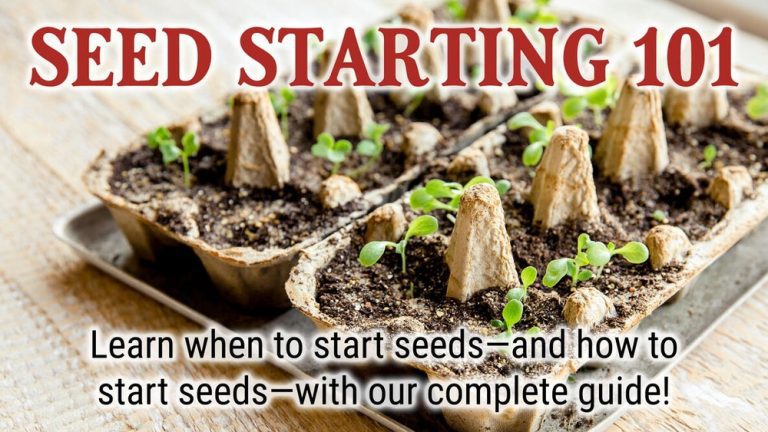
Clubs should also factor in frost dates and seasonal rainfall patterns. Starting seeds indoors or using cold frames can extend growing seasons and improve success with sensitive varieties.
Soil Composition And Quality
Different seeds require specific soil pH levels and nutrient profiles. Conduct soil tests to determine:
- PH levels: Most vegetables prefer pH 6.0–7.0
- Nutrient content: Nitrogen, phosphorus, potassium
Amending soil with compost or lime can adjust conditions for desired seed types.
Soil texture (sand, silt, clay) influences drainage and aeration, critical factors for root development. For example, carrots thrive in loose, sandy soils, while cabbage prefers heavier, moisture-retentive soils.
Example: The Sprout Circle Club performed annual soil tests and discovered their garden beds were low in phosphorus. They amended the soil with bone meal and saw a noticeable improvement in tomato and pepper yields.
Sunlight And Water Availability
- Full sun: Tomatoes, peppers, sunflowers
- Partial shade: Lettuce, spinach, ferns
- Water needs: Drought-tolerant seeds (sage, thyme) vs. moisture-loving seeds (cabbage, celery)
Mapping sunlight exposure throughout the garden is vital. Clubs can use apps or simple observation to identify areas of full sun, partial shade, and deep shade, then allocate seeds accordingly.
Water access also plays a crucial role. Clubs with limited irrigation should prioritize drought-tolerant species or install drip systems to optimize water usage.
Tip: Mulching around plants helps retain soil moisture and suppress weeds, supporting both water conservation and plant health.
Real-world Example: Adapting To Local Conditions
The Sunshine Gardens Club in Tucson, Arizona, switched from water-intensive seeds to drought-tolerant varieties after several dry seasons. Their garden’s survival rate improved by 40%.
They also implemented rainwater harvesting systems, further reducing dependence on municipal water and enhancing sustainability.
Data Table: Seed Suitability By Climate Zone
| Seed Type | Best Zones | Sunlight Needs | Water Needs |
|---|---|---|---|
| Tomato | 4–10 | Full Sun | Moderate |
| Spinach | 3–9 | Partial Shade | Low |
| Sunflower | 2–10 | Full Sun | Low |
| Pea | 3–8 | Full Sun | Moderate |
| Eggplant | 7–10 | Full Sun | High |
Types Of Seeds: Options And Considerations
Gardening clubs must decide between several seed categories, each with unique advantages and drawbacks. Understanding these differences ensures the right match for your club’s needs and values.
Heirloom Seeds
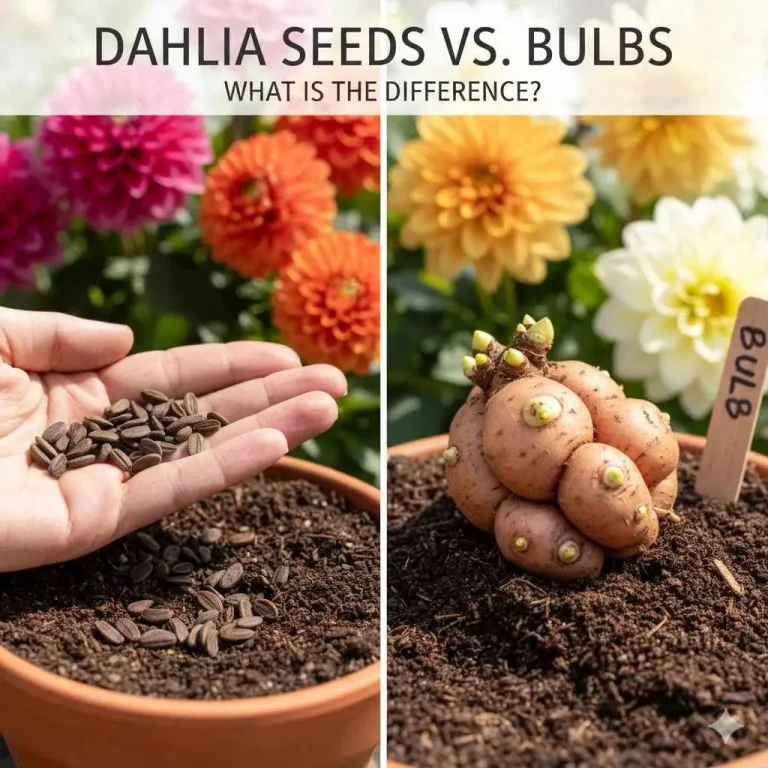
Heirloom seeds are prized for their heritage, flavor, and ability to be saved and replanted. They often represent local or historical varieties.
- Pros: Unique flavors, biodiversity, seed saving
- Cons: Sometimes lower disease resistance, inconsistent yields
Heirloom seeds also foster a sense of tradition and community. Many clubs host seed-saving workshops, teaching members how to harvest and store seeds for future use, thereby reducing costs and preserving rare varieties.
Example: The Heritage Seeds Club partnered with local historians to identify and grow varieties once cultivated in their region, reconnecting members with their agricultural roots.
Hybrid Seeds
Hybrid seeds are created by cross-pollinating two varieties for desirable traits (e.g., disease resistance, uniformity).
- Pros: Higher yields, improved vigor, often disease-resistant
- Cons: Cannot be reliably saved, may require purchase each year
Hybrid seeds are especially valuable for clubs with limited space or those seeking consistent results. They are engineered for uniform growth, making garden planning and harvest scheduling easier.
Tip: Many hybrid vegetables, such as “Big Boy” tomatoes or “Ambrosia” melons, are developed for specific climates and may outperform heirlooms in challenging conditions.
Organic Seeds
Organic seeds are produced without synthetic pesticides or fertilizers, aligning with environmentally conscious clubs.
- Pros: Eco-friendly, supports organic agriculture
- Cons: Often more expensive, limited selection
usda Organic Certification
Organic seeds are often grown under strict certification standards. Clubs that value sustainability may choose organic seeds to minimize chemical inputs and support regenerative agriculture.
Example: The Earthwise Club used only organic seeds and achieved certification for their community garden, attracting environmentally minded members and sponsors.
Conventional Seeds
Conventional seeds are grown with standard agricultural practices and offer wide availability.
- Pros: Affordable, broad selection
- Cons: May involve synthetic inputs, less sustainable
Conventional seeds are ideal for clubs operating on tight budgets or needing access to a wide range of varieties. However, clubs should be aware of potential environmental impacts and consider transitioning to organic or local sources when possible.
Gmo Seeds
GMO seeds are genetically modified for specific traits (e.g., pest resistance). While controversial, they can offer robust performance.
- Pros: High yield, reduced pesticide need
- Cons: Limited access, regulatory issues, ethical concerns
genetically Modified Organism (gmo)
GMO seeds are primarily used in large-scale agriculture and may be unavailable or restricted for community gardening clubs. Clubs should research local regulations and consider member sentiments before introducing GMO varieties.
Note: Polls show that 60% of gardening club members in the U.S. prefer to avoid GMOs due to health and environmental concerns.
Data Table: Seed Type Comparison
| Seed Type | Yield Potential | Disease Resistance | Cost | Seed Saving |
|---|---|---|---|---|
| Heirloom | Medium | Low | Medium | Yes |
| Hybrid | High | High | Medium-High | No |
| Organic | Medium | Medium | High | Sometimes |
| Conventional | High | Medium | Low | No |
| GMO | Very High | Very High | Variable | No |
Real-world Example: Heirloom Vs. Hybrid Debate
The Urban Harvest Club in Chicago debated between heirloom and hybrid tomatoes. After a trial season, they found hybrids produced 30% more fruit but members valued the flavor and seed-saving tradition of heirlooms, ultimately choosing a mix.
This approach allowed the club to enjoy both high yields and unique tastes, and they used their findings to educate members about the benefits and limitations of each seed type.

Credit: northerngardener.org
Budgeting And Sourcing Seeds
Cost and sourcing are central considerations for clubs operating on limited budgets. Balancing price, quality, and ethical sourcing ensures sustainable gardening practices.
Budget Planning
Estimate costs using:
- Seed prices (per packet or bulk)
- Shipping fees
- Soil amendments for specific seed needs
Typical seed packet prices range from $1–$5, but bulk purchases can reduce per-seed cost.
Clubs should also factor in hidden costs such as seed-starting supplies (trays, pots, grow lights), soil amendments, and pest management tools. Creating a detailed budget spreadsheet helps track expenses and forecast future needs.
Example: The Seed Savers Society meticulously tracked their yearly expenses and discovered that switching to bulk orders and local sources reduced their costs by 18%.
Group Purchasing Strategies
Clubs can leverage collective buying power:
- Bulk orders from seed companies
- Seed swaps with other clubs
- Discount programs for nonprofits
For example, the Grow Together Club partnered with a local nursery for a 15% group discount, saving over $200 annually.
Clubs can also organize regional seed exchanges, fostering community ties and increasing access to rare or locally adapted varieties. Swaps are especially popular in areas with active gardening networks.
Tip: Many seed companies offer loyalty programs, providing rewards or discounts for repeat purchases. Clubs should inquire about these options to maximize savings.
Ethical And Local Sourcing
Supporting local seed producers can benefit the community and environment:
- Reduced transportation emissions
- Preservation of native plant species
- Enhanced local adaptation
seed Savers Exchange
Local seed companies often provide varieties specifically bred for regional climates, improving success rates and resilience. Clubs can also partner with community organizations to promote native plant restoration and biodiversity.
Example: The Prairie Growers Club sourced seeds from a local farm specializing in indigenous prairie species, helping restore native habitats and educate members about ecological gardening.
Grant Opportunities
Gardening clubs may qualify for grants or donations from government, environmental, or agricultural organizations. This can subsidize seed costs and support larger projects.
usda Grant Programs
Clubs should regularly review grant deadlines and requirements, and assign a member to manage applications. Funding can support not only seed purchases but also infrastructure upgrades, educational events, and outreach programs.
Tip: Documenting club achievements and community impact strengthens grant applications and attracts sponsors.
Data Table: Cost Comparison By Source
| Source | Average Cost per Packet | Bulk Discount | Shipping Cost | Local Support |
|---|---|---|---|---|
| Online Retailer | $3.50 | Up to 20% | $5–$10 | No |
| Local Nursery | $2.75 | Up to 15% | $0 | Yes |
| Seed Swap | $0–$2.00 | N/A | $0 | Yes |
| Seed Bank | $2.00 | N/A | $0–$5 | Yes |
Disease Resistance And Pest Management
Selecting seeds with built-in resistance is a proactive strategy for healthier gardens and lower maintenance. Clubs should prioritize varieties that reduce the need for chemical treatments.
Identifying Common Local Pests And Diseases
Research local threats:
- Fungal diseases (powdery mildew, blight)
- Insect pests (aphids, beetles)
- Viral infections (mosaic viruses)
university Of Minnesota Extension: Garden Pests
Understanding the pest and disease landscape is essential for effective seed selection. Clubs can consult local extension offices or agricultural departments for up-to-date information on emerging threats.
Example: The Riverside Growers Club identified a recurring aphid problem and chose resistant lettuce varieties, drastically reducing infestations.
Resistant Varieties
Seed catalogs often label varieties with resistance codes:
- V: Verticillium wilt
- F: Fusarium wilt
- N: Nematodes
Choosing seeds with these codes can significantly reduce losses. For instance, “Celebrity” tomato is resistant to V, F, and N.
Clubs should keep records of which varieties perform best under local conditions, updating their selections as new resistant seeds become available.
Tip: Combine resistant seeds with proper garden hygiene, such as cleaning tools and rotating crops, for maximum effectiveness.
Integrated Pest Management (ipm)
Combine resistant seeds with:
- Crop rotation
- Companion planting (e.g., marigolds to deter nematodes)
- Physical barriers
IPM encourages natural pest control, reducing reliance on chemicals. Clubs can host workshops to teach members about IPM techniques and incorporate them into garden planning.
Example: The Blossom Friends Club used companion planting and resistant seeds to decrease pest outbreaks, lowering pesticide use by 60%.
Real-world Example: Managing Disease Outbreaks
The Victory Gardens Club in Atlanta faced repeated blight in their tomatoes. Switching to blight-resistant varieties (coded F and V) cut losses by 50% in one season.
They also implemented regular monitoring and early intervention, further enhancing disease management.
Member Engagement And Education
Involving members in seed selection fosters ownership, learning, and sustained participation. Education ensures everyone understands care requirements and benefits.
Participatory Decision-making
- Host seed selection meetings
- Use online polls to vote on seed types
- Rotate seed selection responsibility among members
Clubs can encourage creative input by allowing members to propose “theme gardens,” such as salsa gardens (tomatoes, peppers, cilantro) or pollinator gardens (milkweed, asters).
Example: The Seed Stewards Club assigned a monthly “seed captain” to lead discussions and oversee seed choices, building leadership skills and camaraderie.
Workshops And Training
Educate members on:
- Germination techniques
- Disease and pest identification
- Seed saving and storage
master Gardeners Program
Hands-on workshops build confidence and expertise. Clubs can invite guest speakers or local horticulturists to share advanced techniques.
Tip: Record workshops and create guides for new members, ensuring knowledge is preserved and accessible.
Record-keeping And Feedback
Maintain logs of:
- Germination rates
- Plant health and yield
- Member satisfaction
Regular review can highlight successful seed choices and areas for improvement.
Example: The Grow Green Club used digital tracking tools to monitor seed performance, enabling data-driven decisions and transparent communication.
Real-world Example: Educational Impact
The Sprout Society in Denver introduced annual seed selection workshops. Member retention increased by 35%, and garden productivity improved through informed choices.
They also launched a mentorship program, pairing experienced gardeners with newcomers to foster skill development and community spirit.
Sustainability And Biodiversity
Clubs increasingly prioritize sustainability and biodiversity to protect ecosystems and ensure long-term viability.
Promoting Biodiversity
Diversifying seed selections:
- Reduces pest and disease risk
- Supports pollinator populations
- Preserves rare or endangered plant varieties
botanic Gardens Conservation International
Clubs can create biodiversity maps of their gardens, identifying gaps and opportunities for introducing new species. Planting native wildflowers alongside vegetables enhances ecological balance.
Tip: Participate in citizen science projects, such as butterfly counts, to measure biodiversity impact.
Sustainable Practices
- Prioritize organic and locally sourced seeds
- Use native species adapted to regional conditions
- Practice seed saving and sharing
These practices reduce environmental impact and build community resilience. Clubs can develop sustainability policies and host annual reviews to assess progress.
Example: The Roots and Shoots Club established a seed library, sharing surplus seeds with local schools and community groups.
Environmental Impact Assessments
Consider the ecological footprint:
- Water usage
- Chemical input reduction
- Habitat creation for beneficial insects
Clubs can conduct environmental audits and set measurable goals, such as reducing water consumption by 10% or increasing pollinator-friendly plantings.
Tip: Document environmental achievements and share them with local media to inspire others.
Real-world Example: Pollinator-friendly Gardens
The Bee Friendly Club in San Francisco focused on pollinator-friendly seeds (lavender, milkweed, echinacea). Their garden attracted five times more bees and butterflies, supporting local biodiversity.
Their efforts were recognized by local environmental groups, leading to additional funding and partnerships.
Monitoring And Continuous Improvement
Successful clubs continually evaluate their seed choices and adapt based on results, member feedback, and environmental changes.
Tracking Outcomes
Monitor:
- Germination rates
- Yield per plant
- Disease and pest incidence
Clubs can use spreadsheets or garden management apps to organize data and share findings with members.
Tip: Visual charts and graphs make it easy to communicate results and identify trends.
Annual Reviews
Conduct yearly assessments to:
- Identify the most successful seeds
- Remove underperforming varieties
- Adjust for changing climate or member interests
Invite members to participate in review meetings, ensuring transparency and collaborative decision-making.
Example: The Green Sprout Club created an annual “Garden Report Card,” summarizing achievements and challenges for the year.
Experimentation
Allocate space for trialing new seeds:
- Document successes and failures
- Share findings with members
Experimentation fosters innovation and keeps the club dynamic. Clubs can rotate trial beds and invite members to propose new varieties.
Tip: Publish trial results in club newsletters or local gardening blogs to build reputation and attract new members.
Real-world Example: Continuous Improvement Cycle
The Evergreen Growers Club in Seattle implemented an annual review. By tracking yields and disease rates, they improved their overall productivity by 20% over three years.
They also established a feedback loop, allowing members to suggest improvements and participate in experimental plots.
Frequently Asked Questions
How Do Gardening Clubs Decide Which Seeds To Buy?
Most clubs use a combination of member surveys, climate and soil assessments, and budget analysis to select seeds. Clubs may also consult local experts or partner with nurseries for guidance.
Clubs often form seed selection committees or rotate leadership, ensuring diverse perspectives and expertise are included in the decision-making process.
Are Organic Seeds Better Than Conventional Seeds?
Organic seeds support sustainable practices and avoid synthetic chemicals, but they may be more expensive and offer fewer options. Conventional seeds are more widely available but may not align with all club values.
The choice often depends on club priorities—environmental stewardship, budget constraints, and member preferences.
Can Gardening Clubs Save Seeds For Next Year?
Yes, many clubs save seeds from heirloom varieties. However, hybrid and GMO seeds often do not produce reliable offspring, so clubs may need to buy fresh seeds annually.
Seed saving workshops can teach members best practices for harvesting, drying, and storing seeds, promoting long-term sustainability.
How Important Is Disease Resistance In Seed Selection?
Disease resistance is highly important, especially in regions prone to specific pests or diseases. Resistant varieties reduce maintenance and crop loss, supporting healthier gardens.
Clubs should balance resistance with other traits, such as flavor, yield, and cultural significance.
What Is The Best Way To Engage Club Members In Seed Selection?
Involving members through meetings, workshops, and polls increases ownership and satisfaction. Educational sessions about seed types and care requirements also boost engagement.
Clubs can also offer incentives, such as “seed steward” certificates or recognition in newsletters, to motivate participation.
Selecting the right seeds is both an art and a science. By aligning choices with club goals, environmental realities, and member interests, gardening clubs can cultivate vibrant gardens, foster community, and support sustainability. Continuous evaluation and adaptation ensure your club remains resilient and rewarding for years to come.
Whether you’re aiming for beauty, bounty, or biodiversity, thoughtful seed selection is the root of your club’s success.