How Many Peas Per Hole Should You Sow?
For most pea planting, a common approach is to sow about 2 seeds per hole, then thin to the strongest seedling; when seed is old, soil is cold, or germination is uncertain, 3 seeds per hole is a common rule of thumb. Too few seeds can leave gaps, while too many waste seed and create crowded starts. This guide explains how many seeds to drop by planting method, seed freshness, and soil temperature.
Pea seeds per hole
Start with 2 seeds per hole for most beds and rows. Move down to 1 seed only when seed is fresh, soil is reliably cool and moist, and you can place seed accurately. Move up to 3 seeds when packets are older, spring soil is cold, or the site dries fast between watering and rain.
The goal is a full stand, not a fixed number. A pea hole can act as insurance against a missed germination, but the extra seed should answer risk, not become routine. If the stand is already dense along a trellis, precision sowing with 1 or 2 seeds can be enough.
When 1, 2, or 3 seeds makes sense
Use 1 seed per hole only when the seed lot is fresh and germination is dependable. Use 2 seeds when you want a safer stand without filling the row with extras. Use 3 seeds when field-emergence risk is high: older seed, cold soil, crusting soil, or a planting window that may not repeat soon.
A common gardener mistake is dropping the same number of peas into every hole, even when the seeds are large or the soil is patchy. A container on a sheltered patio and an outdoor bed in chilly March soil are different jobs. One may take 1 seed cleanly; the other may need 3 to leave you with one strong plant after emergence.
Pea seeds per hole by condition
Use the table below as a decision rule. It separates pea type, soil condition, seed age, and gap risk so you can choose 1, 2, or 3 seeds per hole instead of following a single blanket rule. Thin only when a station comes up with more than one strong seedling and space is tight.
| Pea type | Soil condition | Seed age | Recommended seeds per hole | Thinning timing | Expected risk of gaps |
|---|---|---|---|---|---|
| Snap pea | Mild, moist spring soil | Fresh packet | 1-2 | Thin after first true leaves if both seedlings stay vigorous | Low |
| Snap pea | Cool soil near 10 C or below | Fresh packet | 2-3 | Thin when seedlings are 2-3 inches tall | Moderate |
| Shelling pea | Moist bed with steady spring warmth | Fresh packet | 1-2 | Thin once stems are clearly established | Low |
| Shelling pea | Cool, uneven soil | Older packet | 2-3 | Thin after emergence, before stems tangle | Moderate to high |
| Snow pea | Cool spring bed | Fresh packet | 1-2 | Thin only if more than one seedling survives | Low |
| Dwarf bush pea | Compact bed or container | Older packet | 2-3 | Thin early if crowding reduces airflow and light | Moderate |
How to read the table for each pea type
Snap peas and snow peas are often grown up a support, so close stations can work well if the row is well planned. Shelling peas can be planted the same way, but older seed makes extra seed more valuable because a missing plant reduces pod count. Dwarf bush peas tolerate closer spacing better, yet they still suffer when too many seedlings compete in one tiny pocket.
Seed quality matters as much as pea type. Lab germination on a packet can look strong, but field emergence is lower when soil is cold, wet, crusted, or unevenly watered. That is why older seed in cool soil often deserves 3 seeds per hole while fresh seed in mild soil may need only 1 or 2.
When a gap is worth re-sowing
If a hole stays empty and the row is still early in the season, re-sow the gap. If the rest of the row is already climbing and the missing station would be shaded out, the new seed is usually too late. In that case, it is better to accept the gap than to disturb nearby roots.
Think of the hole as a gap-filling point. One missed station in a short container row matters more than one missed station in a long trellis row. The smaller the layout, the more useful 2 or 3 seeds become as insurance.
How deep and how far apart?
Sow peas shallowly. For direct sowing outdoors, a common guide is 5cm drills, which gives you a practical depth target close to 2 inches. Space stations close enough for a steady stand, but leave room for stems, leaves, and picking hands.
For most garden peas, row spacing is wider than hole spacing. A single row along a trellis can work well in a narrow bed, while paired rows suit a wider bed if the support is strong and the paths are still accessible.
| Pea type | Typical row spacing | Hole spacing | Sowing depth |
|---|---|---|---|
| Snap pea | 5-6 inches between paired rows, or one row along a trellis | 2-3 inches | 1-2 inches deep |
| Shelling pea | 6 inches between rows | 2-3 inches | 1-2 inches deep |
| Snow pea | 5-6 inches between rows | 2-3 inches | 1 inch deep to 2 inches deep |
| Dwarf bush pea | 6 inches between rows in a bed | 2 inches | 1-2 inches deep |
Trellis row layout
A trellis row can be planted close to the support so the vines climb cleanly and do not flop into the path. Farmer Grows gives a 16 ft snap pea trellis example with two rows and 2 inch spacing. That kind of tight layout makes sense only when the support is firm and the row is kept narrow.
For a small bed, a single trellis row is often easier to manage than paired rows. Paired rows can raise plant count, but they also raise competition for light and water if the row spacing is too tight. Once vines touch and shade each other heavily, pod set can become less even.
How to sow peas outdoors
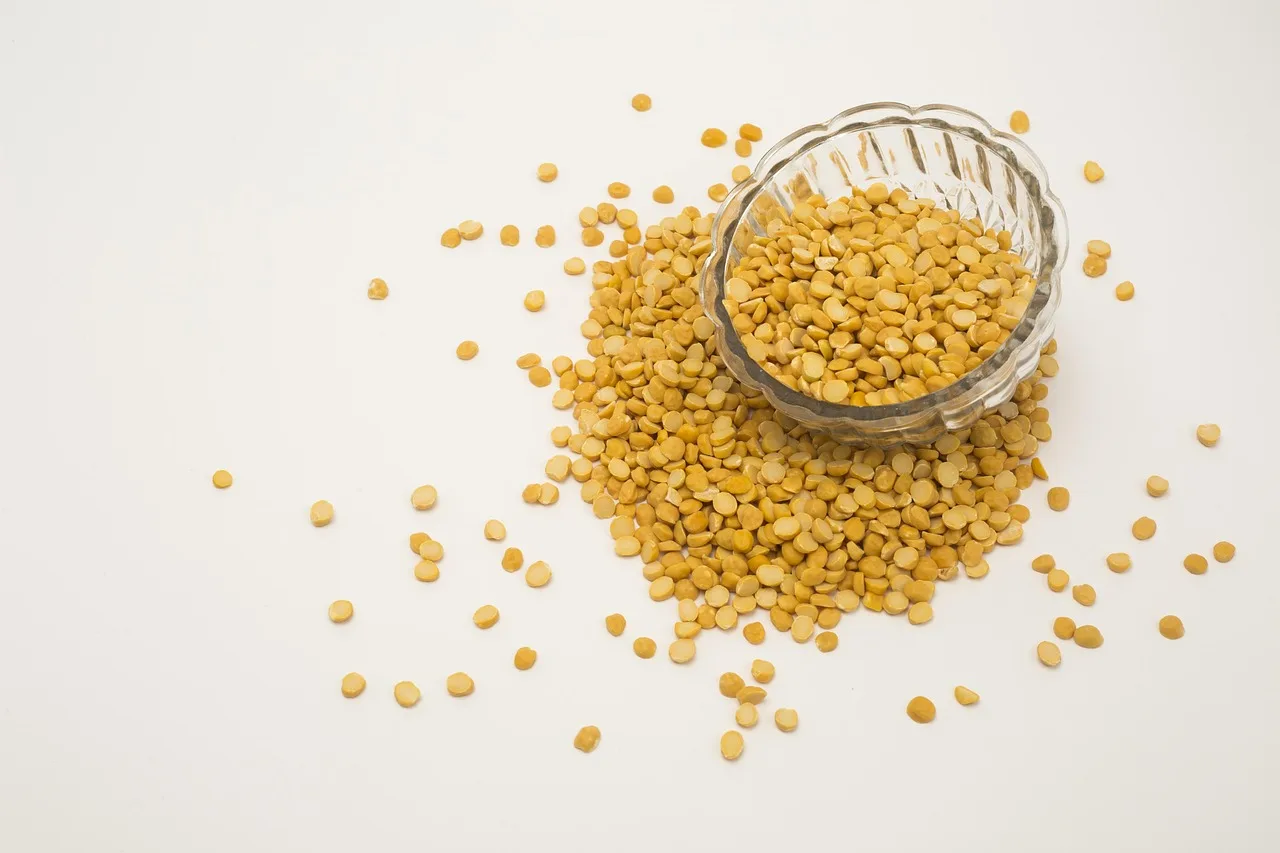
Sow peas outdoors by opening shallow drills, dropping 1 to 3 seeds per hole, and covering them lightly with soil. The method is simple. The details matter. Seed freshness, soil temperature, and spacing decide whether you should plant lean or plant with extra insurance.
Peas are a direct-sown crop in most gardens. BBC Gardeners’ World notes that peas can be sown direct in 5cm drills. It also notes that hardy cultivars like Avola and Meteor suit early crops, which makes them useful when you want an earlier start in cool conditions.
- Make a shallow drill about 5cm deep.
- Place 1, 2, or 3 seeds at each station, based on seed age and soil warmth.
- Space stations 2-3 inches apart along the row.
- Cover the seed lightly and firm the soil gently.
- Water once so the drill settles, then keep the surface evenly moist.
- Check for emergence and thin only if more than one seedling is competing in the same station.
How to sow peas in blocks and containers
In a small garden, block planting can be useful when a bed is too short for a long trellis row. Set rows close enough to use the space, but keep enough air and access to harvest. In containers, dwarf bush peas are usually the better fit because they need less support and less row length.
Container layouts need more caution with water. Potting mix dries faster than open soil, so a container can swing from evenly moist to too dry very quickly. That makes 2 seeds per hole a sensible default, with 3 seeds reserved for older seed or a less reliable packet.
Pea harvest spacing guide
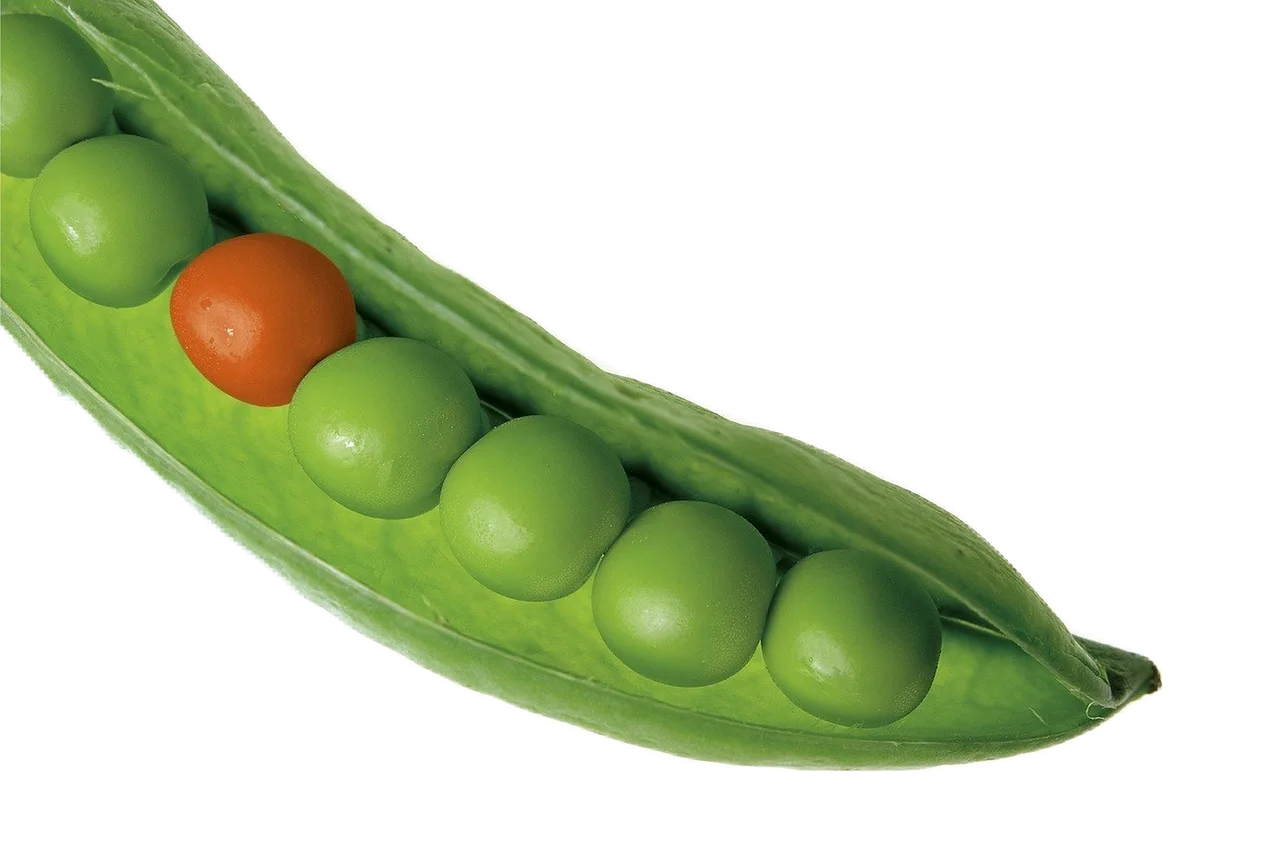
Pea yield per plant is modest, so harvest goals matter. Growing a year’s worth of peas may take about 14-28 shelling-pea plants, and the same page says shelling pea plants yield about half a cup of peas per plant. Food Forest Living says each pod contains an average of eight peas and that shelling pea plants grow 20-30 pods per plant, while snow peas produce 25-45 pods per plant when picked often.
That is why crowding has a real cost. More plants do not always mean more usable pods if the stand becomes too tight. Overcrowding can leave stems weaker and reduce the space each plant has for leaves, flowers, and pod fill.
How many peas per person should you grow?
For shelling peas, a 227g bag of peas equals about two to three plants, according to Food Forest Living. If a household wants repeated meals rather than one serving, the plant count rises fast. A conservative planning rule is to think in plant numbers first, then scale up to row length and hole count.
Suppose a household wants enough shelling peas for several fresh meals and some freezing. If the target is a year’s worth, the cited range of 14-28 plants gives a useful planning bracket. For a smaller garden, start with fewer plants and repeat sowing if the season allows it.
How many peas per square foot?
Square-foot planting is most useful for dwarf bush peas and compact beds. Because peas are usually direct sown in lines rather than dots, the better question is how many stations fit in a square foot without crowding. For bush types, a compact block can hold several stations if each one still has light and air.
How many bush peas per square foot depends on whether you are growing for fresh eating or for heavier picking. If the bed is too dense, the stand may look full while yielding less per plant. If the bed is too open, you may waste space that could have held another row.
Picture a 4-foot bed with a short trellis on one side. A single row planted 2 inches apart can give a denser harvest than a wider pattern, but only if the row is not so tight that stems collapse into each other. That is where 1 seed versus 3 seeds matters less than row placement and support.
Frequently asked questions
How many pea seeds per hole should I plant?
Plant 2 seeds per hole for most pea sowing. Use 1 seed only when the seed is fresh and the soil is reliable. Use 3 seeds when the packet is older, the soil is cold, or you want insurance against poor emergence. Thin only if more than one seedling stays vigorous in the same station.
How deep should I sow peas?
Sow peas about 1-2 inches deep, or in a shallow drill around 5cm deep. Shallower sowing can dry out fast, while deeper sowing slows emergence and is harder for weak seedlings to reach. Keep the cover light and firm the soil gently so the seed makes good contact. (Ucanr)
How close can I plant peas?
Most peas can be planted 2-3 inches apart within the row. For trellised planting, a single close row often works well, and paired rows need enough room that foliage does not smother itself. Close planting is useful, but only if the support and watering are steady.
How many peas per plant can I expect?
Expect wide variation by type and picking frequency. The same source says shelling pea plants grow 20-30 pods per plant, each pod contains an average of eight peas, and snow peas can produce 25-45 pods per plant when picked often. Shelling peas may yield about half a cup per plant.
How to sow peas in cool soil
In cool soil, use the higher end of the sowing range: 2 to 3 seeds per hole. The same source says cool soil at 10 C or below can justify three seeds per hole. Keep the seed shallow, keep the bed evenly moist, and expect slower emergence than in warmer spring soil.
How far apart should peas be planted?
Plant holes 2-3 inches apart along the row and keep rows about 5-6 inches apart in a compact layout, with a 5cm drill depth as a practical guide. For trellised peas, a single row can be simpler than paired rows if space is tight. Bush types can stay on the closer end of that range.