How Many Lettuce Seeds Per Hole Should You Plant?
Plant about 2 lettuce seeds per hole for many varieties. Use 1 seed if the packet is fresh and germination is high, or 3 seeds if the seed is old, the variety is finicky, or you want a backup with less risk of an empty spot. Planting the wrong number wastes seed, creates crowded starts, and can leave thin rows after weak germination. This guide gives a simple decision rule for choosing 1, 2, or 3 seeds per hole based on variety, seed age, and how much thinning you want to do.
How many lettuce seeds per hole should you plant?
For many home gardens, 2 or 3 lettuce seeds per hole is a practical starting point. Use 1 seed only when the seed is fresh, germination is high, and your soil is even and moist. Use 3 seeds when you want a backup against patchy emergence or when the seed lot is older.
When 1 seed per hole is enough
One seed per hole can work when the seed packet is recent, the sowing depth is correct, and the bed stays evenly moist. I use it in plug trays with steady moisture and low disturbance, or in a bed when I want to avoid thinning and can accept a few skips.
When 3 seeds is the safer choice
Three seeds is safer when the seed is older, the soil crusts easily, or spring weather swings between wet and dry. It is also the better call for crisphead lettuce direct sown in the garden. Extra seeds cost little; an empty station costs space and time.
Which lettuce type are you planting?
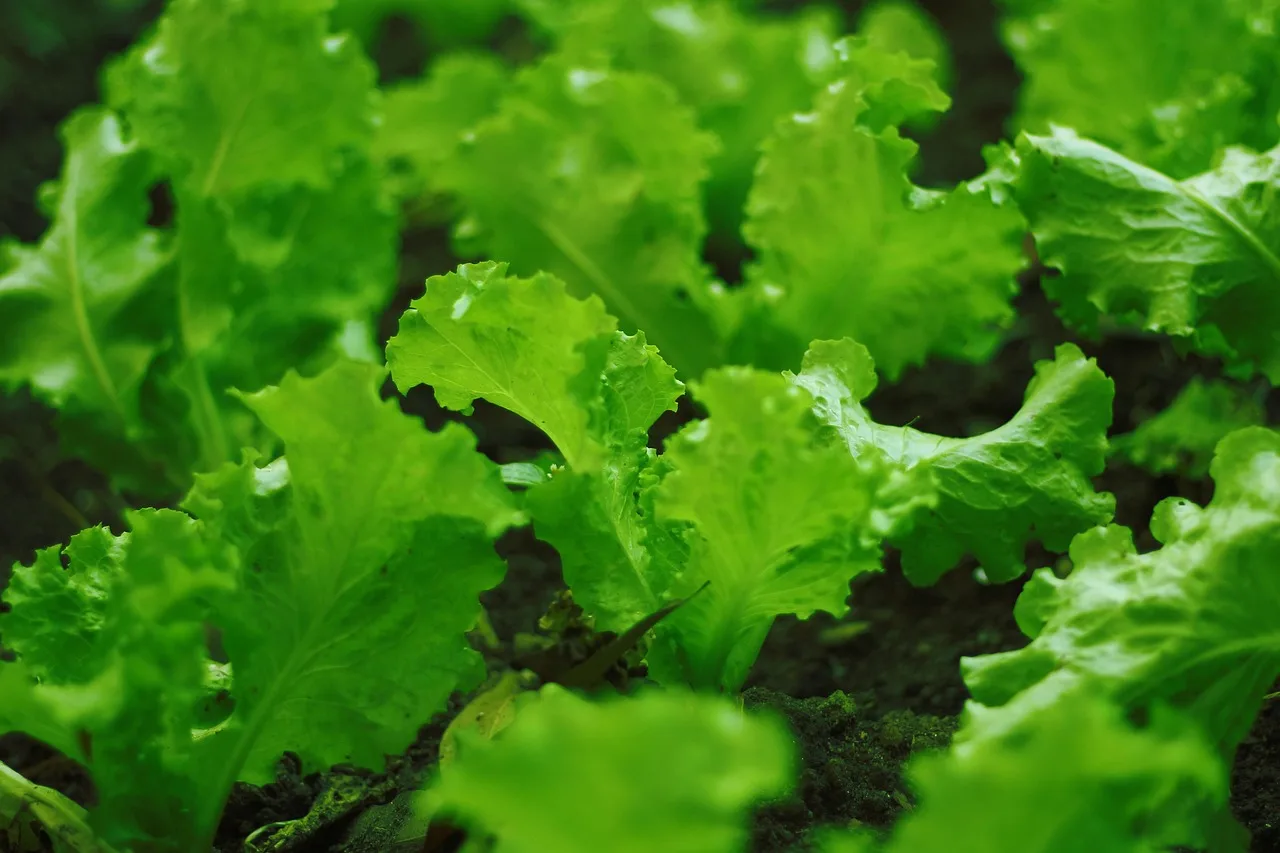
Lettuce type matters because the plant count and spacing change by form. Looseleaf, romaine, and butterhead usually finish as 1 plant per spot, while baby leaf is often cut before a single plant needs full room. Crisphead is the most exacting and usually needs the most backup seed.
Looseleaf lettuce
Looseleaf lettuce is commonly planted with 2 to 3 seeds per station, then thinned to 1 sturdy plant or harvested young as extras if the row is tight. Final spacing is often around 6 to 8 in apart, which gives each plant room to fill out without crowding the next one.
Romaine and butterhead lettuce
Romaine lettuce commonly uses 2 to 3 seeds per station and is usually thinned to 1 upright plant with a strong central crown. Butterhead also does well with 2 to 3 seeds per station, then 1 plant kept. Final spacing is often around 8 to 10 in apart for both.
Crisphead lettuce
Crisphead lettuce direct seeding is shown as 3 seeds per station because it is less forgiving if one seed fails. Final spacing is usually 12 to 15 in apart, and thinning should be careful so the remaining plant keeps a strong center and enough room to size up.
Baby leaf lettuce
Baby leaf lettuce may use 1 to 2 seeds per close spot, because exact single-plant spacing matters less when the crop is cut young. A close spacing equivalent of 2 to 4 in is often enough. The goal is coverage and tender leaves, not one perfect head per position.
Plug trays
Plug trays often take 1 or 2 seeds per cell, with one cell per transplant. If both seeds emerge, snip the weaker one and leave the best seedling. That keeps root disturbance low and avoids pulling a keeper plant when the cells are crowded. Tray starting works well when garden soil is cold or crusty, while direct sowing suits beds with steady moisture and fine soil.
How do seed age and growing conditions change the count?
Seed age and field conditions change the answer because tag germination is only part of the picture. A fresh packet can still miss if soil dries, crusts, or stays too cold or too wet. In rough conditions, one extra seed per hole is the safer move. Moist soil helps lettuce emerge because the tiny seed needs close contact with damp soil from the start.
Use seed tag germination to judge seed quality
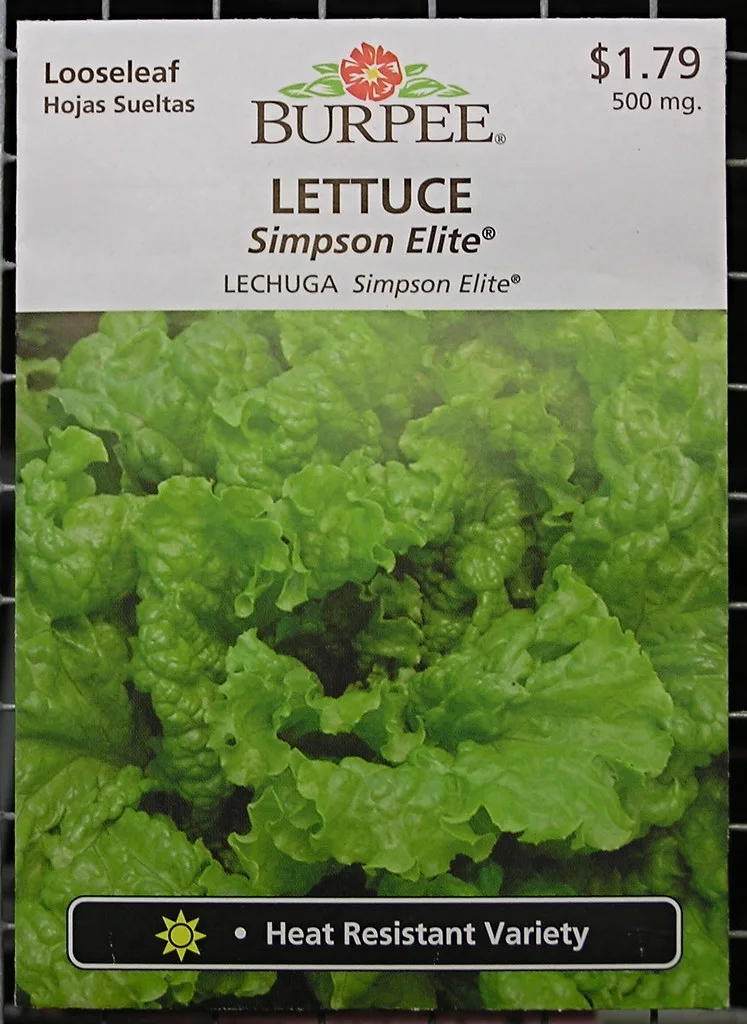
Seed tag germination percentage tells you how dependable that seed lot should be under good conditions. Higher germination reduces the number of seeds needed per hole. Lower germination means more backup seed per station, especially if you want a near-full stand without re-sowing.
Why field emergence is often lower than the tag number
Field emergence percentage is the real-world stand after soil, weather, and pests get a vote. Warm soil, crusting, drying, and insect pressure can all lower emergence below the tag germination number. That is why a packet with decent germination can still leave gaps in the row.
When old seed or rough soil calls for one extra seed
Old seed needs more insurance. So does seed dropped into uneven moisture, loose crumbly soil, or a bed that tends to seal over after watering. In those cases, add one extra seed per hole. The tradeoff is a little more thinning work, but fewer empty spaces.
What is the best sowing depth and spacing for lettuce?
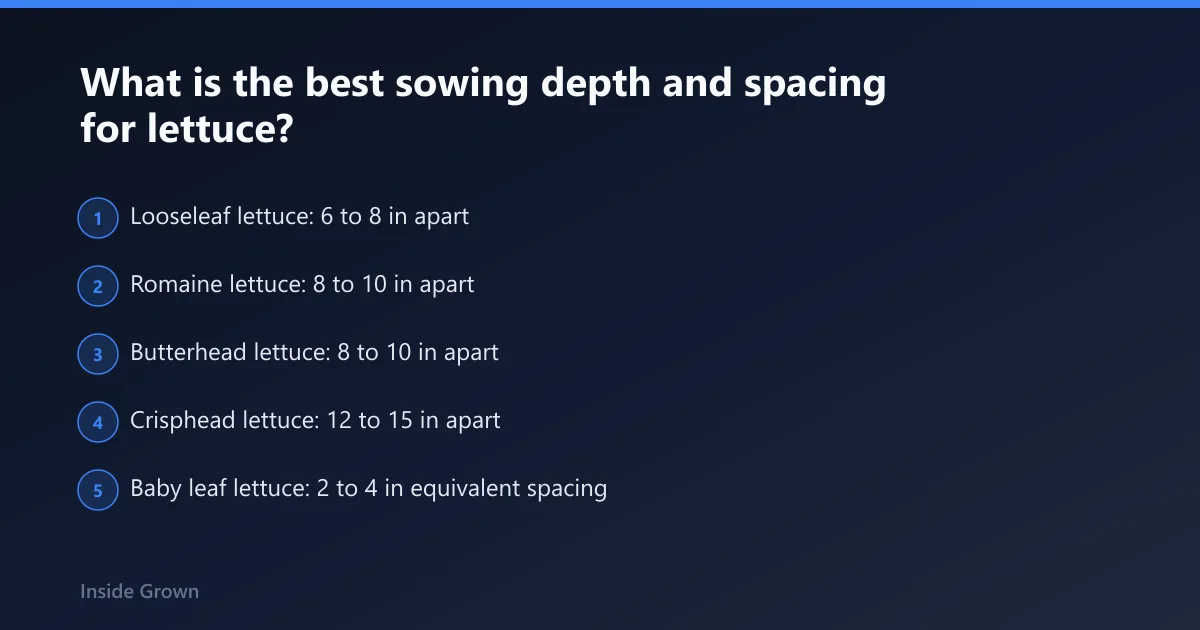
Lettuce should be planted shallowly, and the safe range is surface to 1/8 inch. Going deeper than that reduces emergence. Final spacing depends on type, but the common target is to give each plant enough light and airflow without leaving wasted ground between stations.
Sow at the surface to 1/8 inch for best emergence
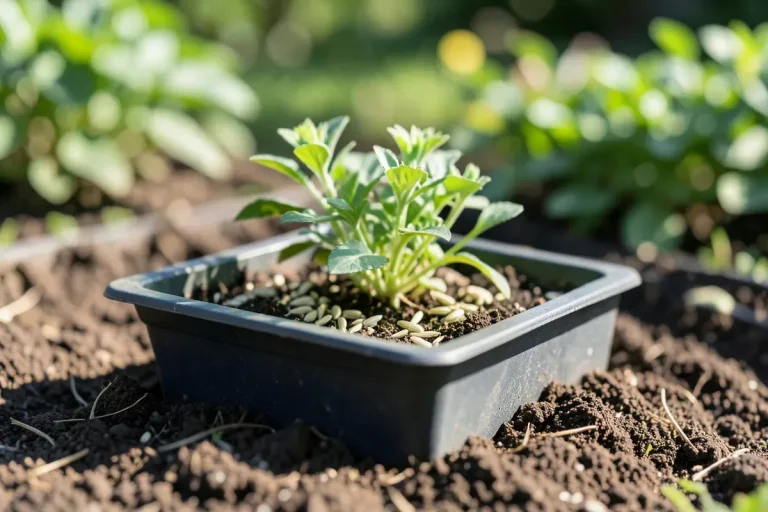
The safest depth for lettuce is surface to 1/8 inch. That keeps small seed near moisture while still giving it enough cover to stay in place. Light contact with fine soil matters more than burying the seed. Shallow sowing is usually the difference between a quick stand and a patchy one.
Do not bury lettuce deeper than 1/4 inch
About 1/8 to 1/4 inch deep is a common upper limit for sowing most lettuce. Over 1/4 inch lowers emergence and makes weak seedlings work too hard to reach the surface. If soil is dry, water the row first and keep the cover light instead of planting deeper.
Final spacing targets by lettuce type
- Looseleaf lettuce: 6 to 8 in apart
- Romaine lettuce: 8 to 10 in apart
- Butterhead lettuce: 8 to 10 in apart
- Crisphead lettuce: 12 to 15 in apart
- Baby leaf lettuce: 2 to 4 in equivalent spacing
4 x 8 ft raised bed example: station count at 8 x 8 and 10 x 10
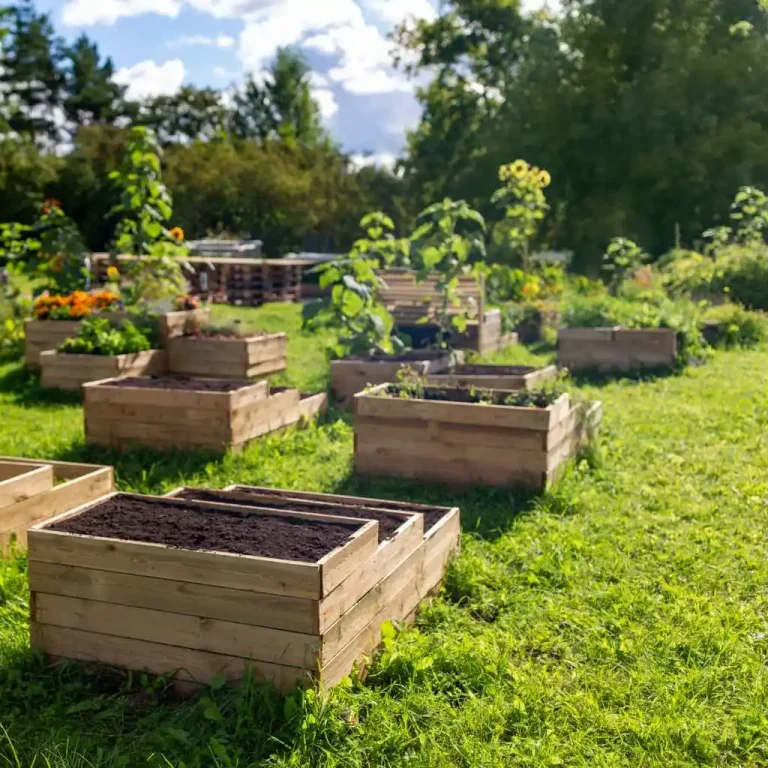
A 4 x 8 ft raised bed at 8 by 8 inch spacing gives 78 stations. At 10 by 10 inch spacing it gives 50 stations. That gap matters because larger-spaced head lettuce uses fewer stations, while tighter baby leaf or looseleaf plantings use more.
| Lettuce type | Seeds per hole or station | Final spacing | Thinning note |
|---|---|---|---|
| Looseleaf | 2 to 3 | 6 to 8 in | Thin to 1 sturdy plant or cut extras young |
| Romaine | 2 to 3 | 8 to 10 in | Keep 1 upright plant with a strong central crown |
| Butterhead | 2 to 3 | 8 to 10 in | Keep 1 plant per station |
| Crisphead | 3 | 12 to 15 in | Thin carefully to 1 plant |
| Baby leaf | 1 to 2 | 2 to 4 in equivalent | Harvest close or thin lightly for a cut-and-come-again stand |
| Plug trays | 1 to 2 per cell | One cell per transplant | Snip extras and leave the best seedling |
Use this seeds-per-hole decision table
This table turns the rule into a quick choice. Start with lettuce type, then adjust for seed freshness and soil risk. If the packet is old or your bed dries fast, add one seed. If germination is high and the bed stays evenly moist, use the lower count.
| Situation | Seeds per hole or cell | Thinning note |
|---|---|---|
| Looseleaf, fresh seed, even moisture | 2 | Thin to 1 sturdy plant, or harvest extras young |
| Looseleaf, old seed, crusting soil | 3 | Thin to 1 plant after emergence |
| Romaine, fresh seed, protected bed | 2 | Keep 1 upright plant with a firm crown |
| Romaine, old seed, drying surface | 3 | Thin to 1 plant; remove extras early |
| Butterhead, normal garden conditions | 2 to 3 | Keep 1 plant per station |
| Crisphead, direct sown | 3 | Thin carefully to 1 plant |
| Baby leaf, close spot | 1 to 2 | Leave a cluster if harvesting young leaves |
| Plug tray cell, fresh seed | 1 to 2 | Snip extras and keep the strongest seedling |
Should you thin lettuce seedlings after planting?
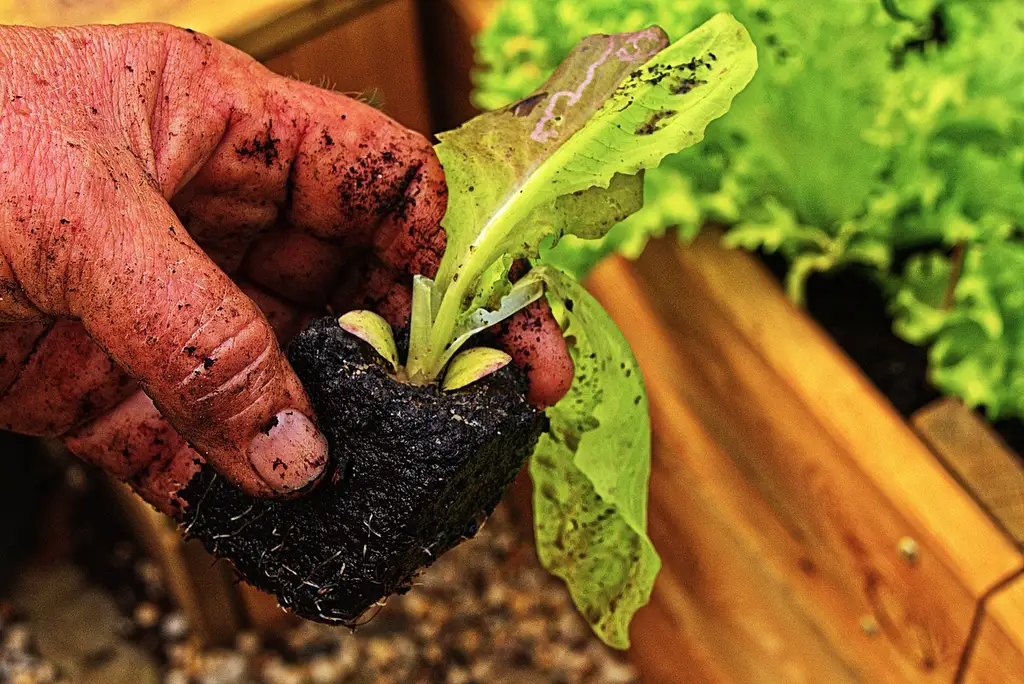
Yes, thinning is usually part of the job. Most head-form lettuce needs one plant per station in the end. Thin once seedlings are large enough to judge vigor, and remove extras cleanly so the keeper plant keeps its roots and growing space intact.
Thin to one plant for head types
Head lettuce usually keeps one strong plant per station after thinning. That applies to butterhead and crisphead, and often to romaine too. Leaving multiple plants in one spot usually gives smaller heads, more competition for water, and a lower-quality final plant.
Leave the strongest upright romaine plant with a firm crown
With romaine, keep the most upright seedling with the firmest central crown. That plant is usually the one that will build the tight heart later. Weak, leaning, or torn seedlings should go first, because they rarely catch up cleanly.
Harvest extras young for looseleaf when spacing is tight
Looseleaf is the easiest to use in a crowded row. If several seedlings come up in one station, the extras can be cut young for salad greens instead of discarded. That gives you usable leaves while still leaving one plant to finish the row.
How to snip extras without pulling roots
Use small scissors or pinch the stem at soil level. Do not tug the extra plant out, because that can disturb the keeper root. In plug trays, snipping is especially important since one root pull can disturb the entire cell.
Frequently asked questions
How many lettuce seeds should you plant per hole?
Most lettuce types do best with 2 to 3 seeds per hole. That gives enough backup for uneven emergence without leaving too much thinning work. Use 1 seed only when the packet is fresh, the soil is steady, and you are comfortable with the chance of a missed spot.
How many lettuce seeds do you plant per hole?
For direct sowing, plant 2 seeds for dependable fresh seed, or 3 seeds if the seed is older or the bed is unreliable. For baby leaf, 1 to 2 seeds per close spot is enough. For plug trays, 1 to 2 seeds per cell is a common starting point.
How many lettuce seeds per hole?
The short answer is 2 to 3 seeds per hole for most lettuce. Looseleaf, romaine, and butterhead fit that range well. Crisphead often needs 3 when direct sown. If you know the soil dries fast or crusts, move toward the higher count.
How many seeds should you plant per hole?
Use the crop type first, then adjust for seed quality. One seed is a gamble, 2 is the default, and 3 is the safer backup. More than 3 usually adds thinning work without giving much extra benefit unless conditions are very poor.
How many romaine lettuce seeds per hole?
Romaine lettuce commonly uses 2 to 3 seeds per station. Keep one strong plant after thinning, and choose the seedling with the best upright shape and central crown. If the seed is old or the bed is patchy, use 3 rather than 2.
Should you thin lettuce seedlings after planting?
Yes. Thin most lettuce seedlings after germination so the strongest plant gets room, light, and moisture. Head types usually finish as one plant per spot. Looseleaf can be thinned less strictly if you plan to harvest baby leaves or cut extras young.
Do old lettuce seeds need more seeds per hole?
Usually, yes. Old seed often means lower stand reliability, especially if storage was warm or humid. Adding one extra seed per hole is a simple way to reduce empty spots. That matters even more when soil contact is poor or moisture is uneven.