How to Plant Lotus Seeds in an Aquarium (Step-By-Step)
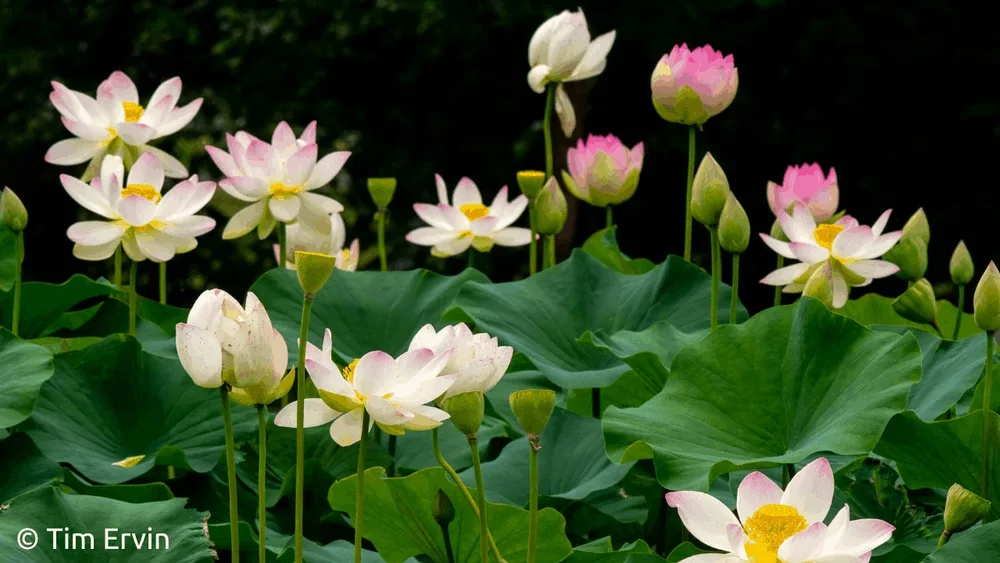
Growing lotus seeds in an aquarium is a captivating journey that merges botany, aquascaping, and aquatic gardening. The transformation from a tiny, dormant seed to a vibrant aquatic bloom is not only visually spectacular but also deeply rewarding. Lotus plants, known scientifically as Nelumbo nucifera, have adorned water gardens for millennia and are revered in cultures worldwide for their beauty and symbolism. When cultivated in a home aquarium, they become a stunning centerpiece, adding both aesthetic and ecological value.
Yet, successfully planting lotus seeds in an aquarium requires meticulous preparation, precise steps, and ongoing care. Unlike terrestrial plants or common aquarium flora, lotus seeds demand special attention to germination , substrate, and water conditions. Missteps in the early stages can hinder growth or lead to failed germination.
This guide provides a comprehensive, step-by-step approach, combining expert strategies, real-world examples, and actionable advice to ensure you achieve lush, thriving lotus in your aquatic setup.
Key Takeaways
- Lotus seeds require scarification for successful germination in aquariums.
- The ideal aquarium conditions include warm water, nutrient-rich substrate, and sufficient lighting.
- Proper planting techniques and ongoing care are essential for healthy lotus growth.
- Lotus plants benefit aquarium ecosystems by oxygenating water and providing shelter for aquatic life.
- Real-world cases illustrate successful lotus cultivation and troubleshooting.
- Regular maintenance and monitoring prevent common issues such as rot, algae, and nutrient deficiencies.

Credit: www.youtube.com
Understanding Lotus Seeds And Their Unique Requirements
Lotus seeds are not like ordinary aquarium plants; their biology and requirements set them apart. The Nelumbo nucifera species features hard seeds that can remain viable for centuries, but their toughness demands special preparation to break dormancy.
Botanical Background And Symbolism
The lotus is a perennial aquatic plant native to Asia, Australia, and parts of the Middle East. Its seeds are legendary for their longevity, with some specimens germinating after over 1,000 years. In Buddhist and Hindu traditions, the lotus symbolizes purity and enlightenment, making it a revered addition to any water garden.
Lotus plants have played a central role in art, mythology, and religious rituals. In Ancient Egypt, the blue lotus was a symbol of rebirth and creation, appearing frequently in hieroglyphics and temple carvings. In Chinese culture, the lotus represents harmony and spiritual growth, often depicted in paintings and poetry.
The plant’s ability to emerge pristine from muddy waters has made it a universal icon of resilience and grace.
Seed Anatomy And Germination Challenges
Lotus seeds possess a hard, waterproof shell. This shell protects the embryo but prevents water penetration, necessitating scarification—the process of physically breaking or abrading the shell to enable germination. Without this step, seeds may remain dormant indefinitely.
Inside the seed, a starchy endosperm supports the developing embryo. The shell’s thickness can vary depending on the age and source of the seed, and improper scarification can either leave the seed dormant or damage the embryo, resulting in failed germination.
Some aquarists have reported that untreated seeds can remain viable for decades but show no signs of growth until their shells are breached.
Lotus Vs. Other Aquarium Plants
Lotus differs from common aquarium plants such as Anubias, Java fern, or Amazon sword. Unlike these species, lotus grows from a tuber and produces large, floating leaves and striking flowers. It also requires deeper substrate and more space.
| Plant Type | Growth Form | Light Needs | Substrate Depth | Germination Process |
|---|---|---|---|---|
| Lotus | Tuber/root, floating leaves | High | 3-5 inches | Scarification required |
| Anubias | Rhizome | Low | Minimal | Direct planting |
| Java Fern | Rhizome | Medium | Minimal | Direct planting |
| Amazon Sword | Rooted | Medium | 2-3 inches | Direct planting |
Lotus seeds are also unique in their ability to produce both underwater and emergent leaves, which can float or rise above the water surface. This dual growth pattern distinguishes them from most aquarium plants, which typically remain fully submerged.
Real-world Example: Ancient Lotus Seed Germination
In 1995, scientists at the University of California, Los Angeles successfully germinated a lotus seed estimated to be over 1,300 years old, demonstrating the seed’s resilience and the importance of proper scarification. This experiment highlighted the necessity of breaking the seed coat to initiate growth (Wikipedia).
This milestone proved not only the remarkable viability of lotus seeds but also underscored the importance of careful preparation. Using a combination of gentle abrasion and precise environmental control, researchers achieved germination in seeds that had been dormant for more than a millennium, offering inspiration and guidance for hobbyists and professionals alike.
Credit: lifetips.alibaba.com
Preparing Your Aquarium For Lotus Seeds
The success of lotus seed planting hinges on creating optimal conditions within your aquarium. This involves careful selection of tank size, substrate, water parameters, and lighting.
Selecting The Right Aquarium Size
Lotus plants can grow quite large, with leaves spanning up to 2 feet. For home aquariums, a minimum tank size of 20 gallons is recommended, though larger tanks (40+ gallons) yield better results.
Aquarium Size Comparison Table
| Tank Size | Recommended for Lotus? | Leaf Spread Capacity | Suitable for Flowering? |
|---|---|---|---|
| 10 gallons | No | Limited | No |
| 20 gallons | Yes (small varieties) | Moderate | Yes (rare) |
| 40+ gallons | Yes | Large | Yes |
A larger tank is not only better for accommodating the size of lotus leaves and flowers but also helps maintain stable water conditions, which are critical for sensitive seedlings. Extra space allows for adequate circulation and minimizes competition with other plants and fish.
Choosing Substrate And Fertilization
Lotus thrives in nutrient-rich substrate. Use a combination of aquatic soil and clay, at least 3-5 inches deep. Supplement with aquatic plant fertilizers, especially those rich in iron and potassium.
- Aquatic soil: Provides nutrients and anchors roots.
- Clay: Enhances root development.
- Fertilizer tablets: Insert near the tuber for slow-release nutrition.
The substrate should mimic natural pond mud, which is high in organic matter and minerals. Some aquarists mix laterite or mineralized topsoil with clay for a more authentic base, layering sand or gravel on top to prevent disturbance. Fertilizer tablets are particularly effective for lotus because they deliver nutrients directly to the root zone, minimizing nutrient loss to the water column.
Water Parameters
Lotus prefers:
- Temperature: 75–85°F (24–29°C)
- PH: 6.5–7.5
- Hardness: Soft to moderate
- Ammonia/Nitrite: 0 ppm
Maintain stable parameters using heaters and regular water testing. High temperatures accelerate growth, while fluctuations can stunt development.
Stability is key—lotus seedlings are sensitive to sudden changes, especially during the first few weeks. Use a reliable heater and thermometer to avoid temperature swings, and test pH regularly with aquarium kits. If your tap water is hard or alkaline, consider mixing with distilled water or using pH buffers to achieve the optimal range.
Lighting Requirements
Provide high-intensity, full-spectrum lighting (at least 8 hours/day). LED fixtures are ideal, but avoid direct sunlight to prevent algae blooms.
The light should mimic natural daylight, encouraging robust photosynthesis. Some aquarists use programmable LED systems to simulate dawn and dusk cycles, which can help reduce stress and promote healthy growth. Position the lights above the tank, ensuring even coverage across all plants, and use reflectors if necessary to enhance intensity.
Example: Aquarium Setup For Lotus
The Aquarium Gardens blog demonstrates a successful lotus setup in a 40-gallon tank with clay-based substrate, heater set to 80°F, and two LED fixtures. The resulting plant produced leaves up to 18 inches across and flowered within 7 months (Aquarium Gardens).
In this example, careful attention to substrate depth, water temperature, and lighting produced vigorous growth and spectacular blooms. The aquarist also supplemented with iron-rich tablets and monitored water quality weekly, ensuring optimal conditions throughout the plant’s lifecycle.
Step-by-step Guide To Planting Lotus Seeds
This section details the critical steps from seed preparation to initial planting, ensuring the highest germination success and healthy growth.
Step 1: Scarifying The Lotus Seeds
Scarification is the most crucial step. Use a metal file or sandpaper to gently abrade one end of the seed until the inner pale layer is visible. Avoid damaging the embryo inside.
- Tools: Metal file, sandpaper, or nail clippers.
- Technique: Rub seed on file for 1–2 minutes, checking progress frequently.
Some aquarists prefer using a rotary tool with a fine grinding attachment for precision. The key is to expose the lighter-colored inner layer without going too deep. It’s helpful to work in good lighting and use magnification if available. For beginners, starting with a small batch of seeds helps reduce risk and allows for practice.
Step 2: Soaking The Seeds
Place scarified seeds in a glass container with warm, dechlorinated water (80–85°F). Change water daily to prevent mold and rot.
- Duration: 3–7 days
- Signs of Germination: Seeds swell and a small sprout emerges.
For best results , use a shallow dish or cup to maximize exposure to warmth and oxygen. Some aquarists add a drop of aquarium-safe antifungal solution to the water, especially if mold is common in their environment. Seeds should be monitored closely for signs of swelling or discoloration; discard any that turn brown or develop a foul odor.
Step 3: Planting In The Substrate
Once sprouts reach 1–2 inches, transfer seedlings to the aquarium substrate.
- Depth: Plant seed just beneath surface, sprout pointing upward.
- Spacing: Allow 6–8 inches between seeds.
- Water Depth: 2–3 inches above seedling initially; gradually increase as leaves develop.
Gently handle the seedlings to avoid damaging the fragile sprout. In some setups, aquarists use small pots or mesh baskets filled with substrate to plant lotus seeds, allowing for easy relocation and maintenance. This method can be especially helpful in community tanks or when growing multiple varieties.
Step 4: Monitoring Early Growth
Within 2–4 weeks, leaves will begin to float. Gradually raise water level and increase light exposure. Add fertilizer tablets near roots after 1 month.
During this phase, monitor for signs of healthy growth: vibrant green coloration, steady leaf expansion, and absence of rot or mold. If leaves appear pale or slow to develop, check nutrient levels and lighting intensity. Gently remove any debris or algae from the leaves to maintain optimal photosynthesis.
Step 5: Transitioning To Mature Growth
After 2 months, lotus seedlings become established. Maintain optimal water conditions and prune older leaves to promote new growth.
At this stage, roots should be well anchored and new leaves should emerge regularly. Begin increasing water depth to the tank’s normal level, and consider adding additional fertilizer tablets if growth slows. If the plant produces aerial leaves and flower stalks, ensure they have space to rise above the water surface.
Real-world Example: Hobbyist Lotus Germination
A case shared on the Aquarium Advice Forum details a hobbyist scarifying 10 lotus seeds, resulting in 7 healthy sprouts within 5 days. Careful water changes and substrate placement led to successful establishment and flowering in a 30-gallon tank (Aquarium Advice Forum).
The hobbyist noted that daily monitoring and prompt removal of any failing seeds helped maximize survival rates. The use of a clay-rich substrate and slow-release tablets resulted in robust growth, with several plants flowering within eight months.
Credit: www.naturepodsbotanicals.com
Caring For Lotus Plants In The Aquarium
Ongoing care is essential for vibrant, healthy lotus. This section covers fertilization, pruning, pest management, and troubleshooting.
Fertilization And Nutrient Management
Lotus is a heavy feeder. Use:
- Slow-release fertilizer tablets every 2–3 months.
- Liquid fertilizer for micronutrients.
- Monitor for chlorosis (yellowing leaves), a sign of iron deficiency.
Regularly check for signs of nutrient deficiency, such as weak stems, pale leaves, or poor flower production. Some aquarists supplement with chelated iron or potassium nitrate, especially in tanks with dense plant populations. Be cautious with dosing to avoid nutrient overload, which can fuel algae growth.
Pruning And Maintenance
Regular pruning prevents overcrowding and encourages new leaf and flower growth.
- Remove old or damaged leaves weekly.
- Thin out excess stems to maintain light penetration.
Pruning should be done with sharp, sterilized scissors to prevent disease spread. Removing spent flowers and yellowing leaves keeps the plant healthy and encourages additional blooms. If the plant produces aerial leaves, allow some to remain for photosynthesis but trim those that block light to other plants.
Pest And Disease Control
Lotus can attract snails, aphids, and algae.
- Snails: Remove manually or use snail traps.
- Aphids: Spray affected leaves with aquarium-safe insecticide.
- Algae: Limit excess nutrients and reduce light if blooms occur.
In planted tanks, introducing natural predators like shrimp or small fish can help manage pests. Avoid copper-based treatments, which can harm lotus roots. For persistent algae, consider using UV sterilizers or increasing water circulation.
Troubleshooting Common Issues
- Rotting Seeds: Usually caused by poor water quality or insufficient scarification.
- Stunted Growth: Check for nutrient deficiencies or inadequate light.
- Leaf Browning: Often a sign of high ammonia or poor substrate.
If problems arise, perform water tests and adjust parameters accordingly. In cases of rot, remove affected seeds and review scarification technique. For stunted plants, increase fertilizer and verify lighting duration. Address browning leaves by improving filtration and substrate quality.
Example: Recovery From Algae Blooms
A lotus grower on the Planted Tank Forum reported severe algae during the initial month. By reducing light intensity and increasing water changes, the algae cleared, and the lotus resumed healthy growth (Planted Tank Forum).
The grower also introduced floating plants to shade the tank, helping suppress algae growth and stabilize conditions. This combination of mechanical and biological controls proved effective in restoring balance.
The Impact Of Lotus Plants On Aquarium Ecosystems
Lotus plants do more than beautify your aquarium; they contribute to a balanced ecosystem and support aquatic life.
Oxygenation And Water Quality
Lotus leaves increase oxygen levels, benefiting fish and other aquatic organisms. Roots help filter toxins and stabilize substrate.
The large surface area of lotus leaves enhances gas exchange, boosting dissolved oxygen levels during daylight hours. Roots create microhabitats for beneficial bacteria, which break down organic waste and improve water clarity. Lotus also absorbs excess phosphates and nitrates, mitigating the risk of algae blooms.
Shelter And Habitat
Large leaves provide shade and shelter for fish and invertebrates, reducing stress and promoting natural behaviors.
Fish use the broad leaves as hiding spots and spawning grounds, while shrimp and snails graze on biofilm that develops beneath the canopy. The shade created by lotus can help cool the water in summer and reduce aggression among territorial species.
Nutrient Cycling
Lotus roots absorb excess nutrients, helping control algae and maintain water clarity. They also support beneficial bacteria.
By drawing nutrients from the substrate and water column, lotus acts as a natural filter, preventing nutrient buildup that can lead to cloudy water or excessive algae. The root system supports denitrifying bacteria, which convert harmful nitrogen compounds into harmless gases.
Example: Lotus In Community Aquariums
In a 30-gallon community aquarium, lotus plants improved water quality and reduced aggression among fish by providing ample cover. This led to higher survival rates and healthier tank inhabitants (Aquarium Co-Op).
The aquarist also noted improved breeding success among livebearers, who used the lotus leaves for shelter and egg deposition. The plant’s impact on tank stability and aesthetics was consistently positive.
Real-world Case Studies: Successes And Challenges
Examining real-world cases helps illustrate both the potential and pitfalls of lotus seed planting.
Case Study 1: Successful Indoor Lotus Flowering
A grower in Florida documented the flowering of lotus in a 50-gallon aquarium after 8 months. Key factors included scarified seeds, consistent water temperature, and weekly fertilization. The plant produced three blooms, becoming a focal point in the living room.
The grower used a mixed substrate of aquatic soil and clay, supplemented with phosphorus-rich tablets to encourage flowering. Daily monitoring and regular pruning ensured healthy development. The flowers remained open for several days, emitting a subtle fragrance and attracting admiration from visitors.
Case Study 2: Overcrowding And Growth Issues
A hobbyist in Texas attempted to plant 12 lotus seeds in a 20-gallon tank. Overcrowding led to stunted growth and poor flowering. After thinning to four plants, growth improved, emphasizing the importance of spacing.
This case underscores the need to plan for mature plant size and avoid excessive density. The reduction in plant numbers allowed each lotus to develop a robust root system, resulting in larger leaves and eventual blooms.
Case Study 3: Recovering From Rot And Mold
A lotus enthusiast in California noted rot in several seeds due to infrequent water changes during germination. Switching to daily water changes and improving scarification yielded healthy sprouts.
The enthusiast also began soaking seeds in a shallow dish with gentle aeration, further reducing mold risk. The improved protocol led to a 90% germination rate and successful establishment of seedlings.
| Case Study | Tank Size | Seeds Planted | Outcome | Lessons Learned |
|---|---|---|---|---|
| Indoor Flowering | 50 gallons | 5 | 3 blooms | Consistent temperature, fertilization |
| Overcrowding | 20 gallons | 12 | Stunted growth | Proper spacing is critical |
| Rot Recovery | 30 gallons | 8 | Healthy sprouts after intervention | Daily water changes, scarification |
Example: Lotus As A Showpiece
A lotus grown in a public aquarium in Singapore became the centerpiece of a planted display, drawing visitors and improving water quality. The plant’s large leaves and flowers were cited as key attractions (Singapore Botanic Gardens).
The public display highlighted the lotus’s potential as both an ornamental and ecological asset. The tank featured educational signage explaining the plant’s cultural significance and ecological benefits, inspiring visitors to try lotus cultivation at home.
Advanced Tips For Maximizing Lotus Growth And Beauty
Experienced aquarists often employ advanced techniques to optimize lotus health and appearance.
Selecting Lotus Varieties
Choose between dwarf and standard lotus varieties depending on your tank size.
- Dwarf varieties: Ideal for smaller tanks, less than 24 inches tall.
- Standard varieties: Require larger tanks, can exceed 36 inches.
Dwarf lotus varieties, such as ‘Momo Botan’ or ‘Little Jewel,’ are perfect for nano tanks and desktop aquariums. Standard types, including ‘Empress’ and ‘Pink Beauty,’ are better suited for large, open tanks or pond-style setups.
Enhancing Flowering
- Increase light duration to 10 hours/day.
- Use phosphorus-rich fertilizers to stimulate blooming.
- Prune leaves to direct energy to flower production.
For optimal flowering, maintain a consistent photoperiod and avoid shading the lotus with other plants. Some aquarists use supplemental lighting in winter months to extend the bloom season. Ensure water temperature remains stable, as cold spells can delay flowering.
Creative Aquascaping
Incorporate rocks and driftwood around lotus for visual contrast. Plant low-growing species at the base for layered aesthetics.
Arrange hardscape materials to frame the lotus and create naturalistic scenes. Pair with carpeting plants like Cryptocoryne or Marsilea for texture. Use floating plants sparingly to avoid competition for light.
Propagation Techniques
Once established, lotus tubers can be divided and replanted. This enables expansion or sharing with other hobbyists.
Propagation is best done during dormant periods, typically in late winter or early spring. Gently dig up the tuber, separate healthy segments with at least one growing point each, and replant in fresh substrate. This method increases plant stock and allows for genetic diversity.
Example: Propagation Success
An aquarist in New York divided a mature lotus tuber, yielding two healthy plants. Both flowered within 4 months, demonstrating rapid propagation when conditions are optimal.
The aquarist attributed success to careful handling, immediate replanting, and the use of iron-rich fertilizer tablets. The new plants adapted quickly, producing leaves within weeks and blooms in the first growing season.
Frequently Asked Questions
How Long Does It Take For Lotus Seeds To Germinate In An Aquarium?
Typically, lotus seeds germinate within 3–7 days after scarification and soaking in warm water. Visible sprouts indicate successful germination. The process may vary based on water temperature and seed quality.
For older seeds or those with thicker shells, germination may take up to 2 weeks. If no sprout appears after 10 days, inspect the seed for rot or incomplete scarification and try again with fresh water and improved technique.
Can Lotus Plants Flower Indoors In Aquariums?
Yes, lotus can flower indoors if provided with sufficient light, nutrients, and space. Flowering is more common in large tanks (40+ gallons) with high-intensity lighting and regular fertilization.
Some aquarists use supplemental lighting or greenhouse setups to encourage blooms in winter or low-light environments. Dwarf varieties often flower more readily indoors due to their compact size.
Do Lotus Plants Require Co2 Supplementation?
Lotus does not require CO2 supplementation for healthy growth, but adding CO2 can enhance leaf size and flowering, especially in densely planted tanks with high light.
CO2 injection is optional but may benefit tanks with multiple demanding plant species. Monitor CO2 levels with drop checkers and adjust as needed for optimal growth.
What Are Common Problems When Growing Lotus Seeds In Aquariums?
Common issues include rotting seeds (due to poor water quality), stunted growth (from overcrowding or nutrient deficiencies), and algae blooms (caused by excess light or nutrients).
Prevention involves daily water changes during germination, proper spacing, and regular testing of water parameters. Address issues promptly to maximize survival and vigor.
Can Lotus Be Grown With Other Aquarium Plants And Fish?
Yes, lotus is compatible with most aquarium plants and fish. Ensure adequate space and avoid aggressive fish that may damage leaves. Lotus provides shelter and improves water quality for tankmates.
Peaceful species like tetras, guppies, and shrimp thrive alongside lotus, while larger or territorial fish may require additional hiding spots. Avoid planting near fast-growing species that could shade or crowd the lotus.
Growing lotus seeds in an aquarium is both an art and a science, blending patience, precision, and passion. By following these step-by-step techniques, preparing your aquarium thoroughly, and applying ongoing care, you can enjoy the beauty and benefits of this iconic aquatic plant.
Whether you’re a hobbyist or a professional aquarist, lotus brings a unique elegance and ecological balance to any aquatic environment, transforming your tank into a living masterpiece.