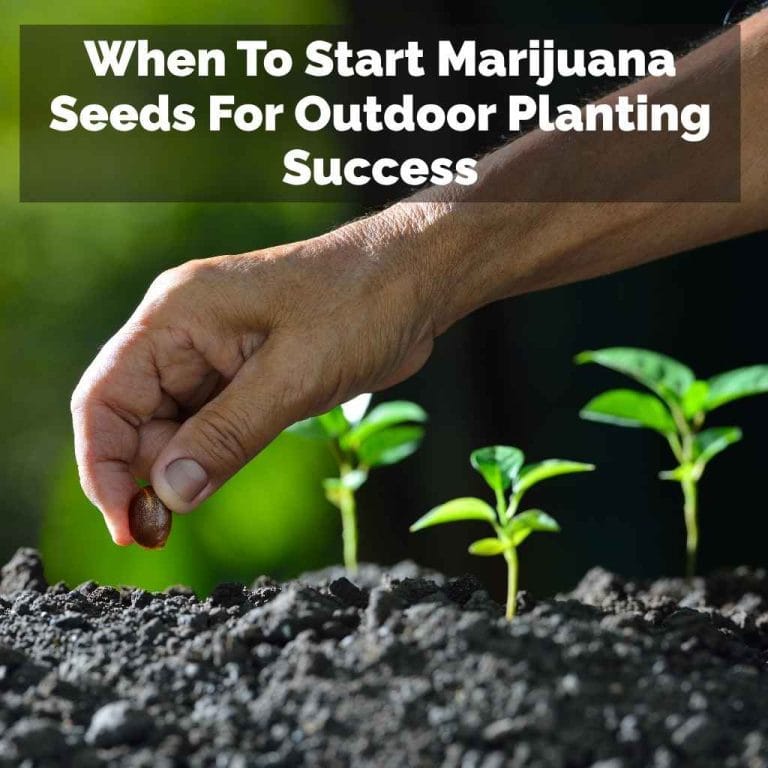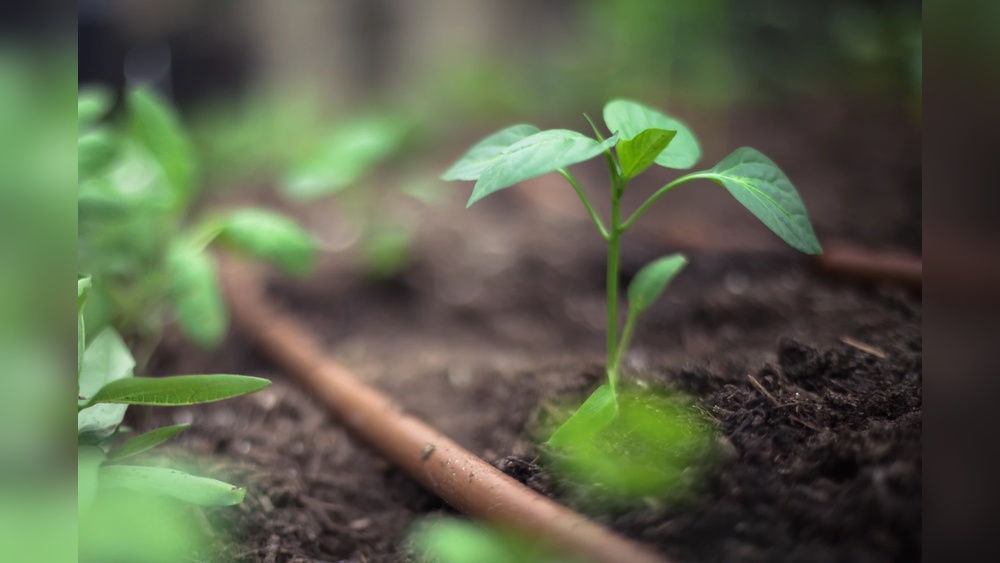
How Many Seeds Should You Plant Per Hole? Simple Answer
Every gardener—from first-time hobbyist to seasoned pro—has wondered about the age-old question: How many seeds should you plant per hole? This seemingly simple decision can have profound effects on your garden’s productivity, plant health, and even your budget. Whether you’re growing leafy greens, juicy tomatoes, or vibrant sunflowers, the number of seeds you place in each hole is influenced by a unique blend of factors, including seed size, germination rates, plant spacing, and the specific needs of each crop.
Many beginners mistakenly assume that planting one seed per hole is the golden rule, but this can lead to empty patches if some seeds fail to sprout. On the other hand, planting too many seeds can cause overcrowding, weak growth, and resource competition. The right answer requires understanding seed viability, environmental factors, and the goals for your garden. In this comprehensive guide, we’ll break down best practices, back them up with data and expert recommendations, and provide actionable tips for ensuring every hole you plant delivers healthy, thriving plants.
Key Takeaways
- Planting 2-3 seeds per hole is generally recommended for most vegetables and flowers, but always check specific crop guidelines.
- Factors such as seed size, germination rates, and plant spacing requirements influence the optimal number of seeds.
- Thinning seedlings after germination ensures strong, healthy plants and maximizes garden productivity.
- Real-world examples and data-driven tables help clarify how many seeds to plant for common crops.
- Following expert-backed recommendations increases your chances of gardening success and reduces wasted seeds.
The Science Behind Seed Planting Density
Understanding Germination Rates
Germination rate is the percentage of seeds that successfully sprout under optimal conditions. Seed packets often list this rate, but environmental factors like soil quality, temperature, and moisture can cause variation. For example, a packet with a 90% germination rate means that, on average, 9 out of 10 seeds will sprout. However, real-world conditions may lower this number, so planting extra seeds per hole compensates for any losses.
The importance of germination rates extends beyond just numbers. For instance, a gardener in a humid climate may observe lower germination rates due to fungal diseases, while a gardener in arid regions may see reduced rates because of insufficient moisture.
By understanding your local climate and soil conditions, you can better estimate how many seeds to plant per hole and proactively plan for potential losses.
The Role Of Seed Size
Larger seeds, such as beans or peas, tend to have higher energy reserves and stronger emergence rates, so planting one or two per hole is often sufficient. Tiny seeds—like carrots or lettuce—are more vulnerable and harder to handle individually. For these, sowing several seeds per hole and thinning later is standard practice.
Seed size also influences sowing depth and handling. Small seeds are more likely to get lost in the soil or washed away by heavy watering, so planting extra compensates for these risks. For example, carrot seeds are so small that even experienced gardeners find it difficult to space them evenly; by sowing more per hole, you improve the likelihood of at least one healthy seedling emerging.
Plant Spacing And Competition
Overcrowding leads to competition for light, water, and nutrients, resulting in stunted, weak plants. Conversely, planting too few seeds can cause uneven stands and wasted space. Proper plant spacing is critical for healthy growth. Each crop has recommended spacings (e.g., tomatoes need more room than radishes), so adjust the number of seeds per hole accordingly.
Spacing is also important for disease prevention. Crowded seedlings can trap moisture and create a microclimate favorable for diseases like damping off. By following recommended spacing and thinning guidelines, you help ensure that each plant gets the resources it needs to thrive and remain healthy.
Seed Quality And Age
Older seeds or those stored improperly may have reduced viability. When using aged seeds, increase the number planted per hole to offset potential non-germination. For the freshest, highest-quality seeds, you can plant fewer per hole with greater confidence.
In addition, some seeds deteriorate faster than others. Lettuce and parsnip seeds, for example, lose viability quickly, so planting extra is essential if using older packets. Meanwhile, tomato and cucumber seeds tend to last longer, but even they benefit from a slight increase in planting density if you’re unsure about their storage history.

Credit: www.wikihow.com
How Many Seeds Per Hole For Popular Garden Crops
Vegetables
Each vegetable has unique requirements. Below is a table summarizing optimal seed numbers per hole for common crops, based on university extension guidelines and seed industry recommendations.
| Crop | Seed Size | Germination Rate (%) | Seeds per Hole | Thinning Needed? |
|---|---|---|---|---|
| Carrot | Tiny | 70-80 | 3-5 | Yes |
| Tomato | Medium | 85-95 | 2-3 | Yes |
| Bean | Large | 90-95 | 1-2 | Sometimes |
| Lettuce | Tiny | 80-90 | 3-5 | Yes |
| Cucumber | Large | 80-95 | 2-3 | Yes |
| Pea | Large | 90-95 | 2 | Rarely |
| Radish | Small | 85-95 | 3-4 | Yes |
In addition, some vegetables—like kale or spinach—are often grown for cut-and-come-again harvests, meaning you can leave more seedlings per hole and harvest leaves continuously. For crops grown for their roots or fruits, thinning to a single strong plant is more important for quality and size.
Flowers
Flower seeds also vary widely in size and germination. For example, marigold seeds are relatively large and robust, while petunia seeds are tiny and delicate. Planting more seeds per hole increases the chance of at least one healthy plant.
Some flower varieties, such as cosmos and zinnias, are tolerant of crowding and can be left with multiple seedlings per hole for a bushier display. In contrast, sunflowers and hollyhocks benefit from thinning to a single plant per spot to promote strong stems and larger blooms.
Herbs
Herbs like basil and parsley have moderate to high germination rates, but their seeds are small. Planting 2-4 seeds per hole is typical, followed by thinning after sprouting.
When growing perennial herbs, such as thyme or oregano, you can sow more seeds per hole and then thin to a few strong plants, as these will spread and fill the space over time. For annual herbs, like cilantro and dill, proper thinning is crucial to avoid weak plants.
Case Study: Tomato Seedlings
A home gardener in Minnesota tested planting 1, 2, and 3 tomato seeds per hole over three seasons. The best results came from planting 2 seeds per hole, with 94% germination and less thinning labor. Single-seed holes had 9% failure, while 3-seed holes increased thinning needs but didn’t improve overall plant count.
This experiment highlights the balance between maximizing germination and minimizing labor. By planting two seeds per hole, the gardener achieved a nearly perfect stand with minimal extra work, illustrating why most experts recommend this approach for tomatoes.
Credit: gardeninminutes.com
Factors Affecting How Many Seeds To Plant Per Hole
1. Crop Type
Different crops have different requirements. Root crops like carrots and radishes are sown densely and thinned, while vining crops like pumpkins are best with 2-3 seeds per hole, then thinned to the strongest.
Leafy greens and salad crops are often sown thickly for a continuous harvest, while fruiting crops (like peppers) benefit from careful thinning to ensure each plant has enough space and resources.
2. Growing Method
- Direct sowing: Planting straight in the garden soil may require more seeds per hole due to environmental variability.
- Seed starting indoors: Controlled conditions allow fewer seeds per hole, as germination rates are higher.
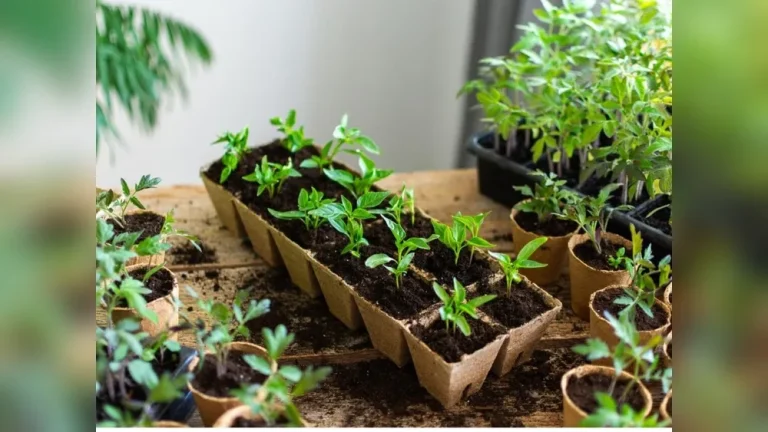
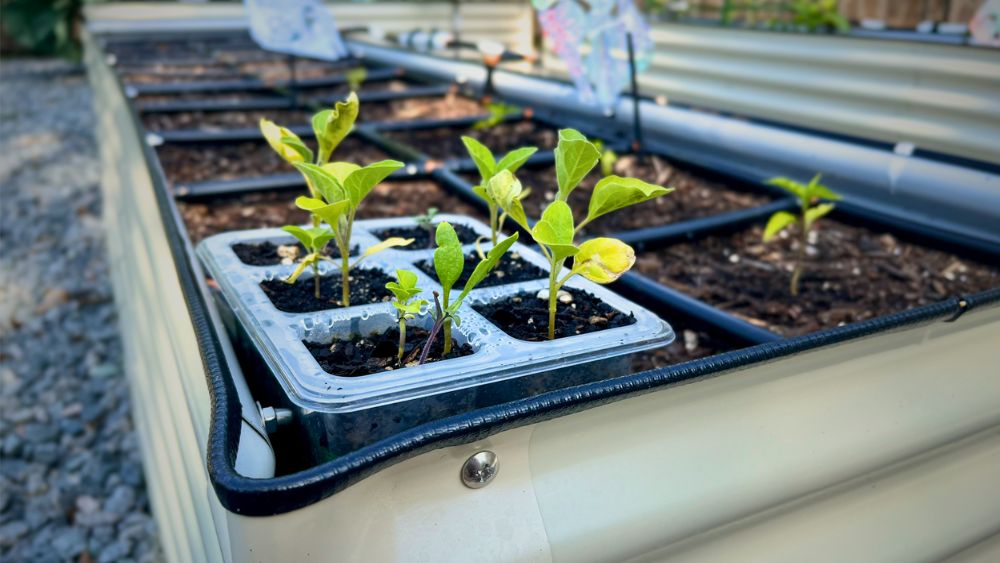
For example, when starting seeds indoors using seedling trays, you might plant one or two seeds per cell and monitor closely, while direct sowing in unpredictable outdoor conditions calls for more seeds per hole to account for variable moisture and temperature.
3. Seed Freshness And Quality
Always check the seed packet date. For seeds more than two years old, increase the number per hole by 25-50% to compensate for reduced viability, as recommended by the Iowa State University Extension.
Additionally, storing seeds in cool, dry conditions prolongs their viability. If you’re unsure about storage conditions, err on the side of caution and overplant slightly.
4. Soil And Environmental Factors
Poor soil, cool temperatures, and inconsistent watering can reduce germination. In challenging conditions, plant more seeds per hole to ensure at least one strong seedling survives.
For example, sandy soils may dry out quickly, reducing germination. Heavy clay can suffocate seeds or retain too much moisture, causing rot. Adjusting seed numbers per hole is a simple, effective way to compensate for these local factors.
5. Desired Final Stand
If you want only one plant per spot, overplant then thin. For dense crops (like baby greens), you may leave multiple seedlings.
For ornamental beds or edible landscapes, you might prefer clusters of plants for visual effect, while production gardens aim for uniform spacing to maximize yield and quality.
Real-world Example: Lettuce In Variable Soils
A community garden in Boston found that in compacted, clay-heavy soils, lettuce germination dropped to 65%. Planting 5 seeds per hole instead of 3 ensured nearly every spot had at least one healthy plant.
This lesson reinforces the importance of adapting your sowing strategy to local conditions—no two gardens are exactly alike, and flexibility is key to success.
Credit: www.gardenary.com
Best Practices For Planting Seeds Per Hole
Follow The Seed Packet
The seed packet is your best starting point. Most reputable seed companies base their recommendations on extensive trials and regional data. If the packet says “sow 2-3 seeds per hole,” follow that advice unless you have strong reason to adjust.
Packets also provide information on sowing depth, spacing, and thinning, which are crucial for optimal growth. When in doubt, consult online resources or your local extension office for clarification.
Planting Technique
- Make holes the recommended depth (2-3 times the seed’s width).
- Place the correct number of seeds in each hole.
- Cover with soil and water gently to avoid seed displacement.
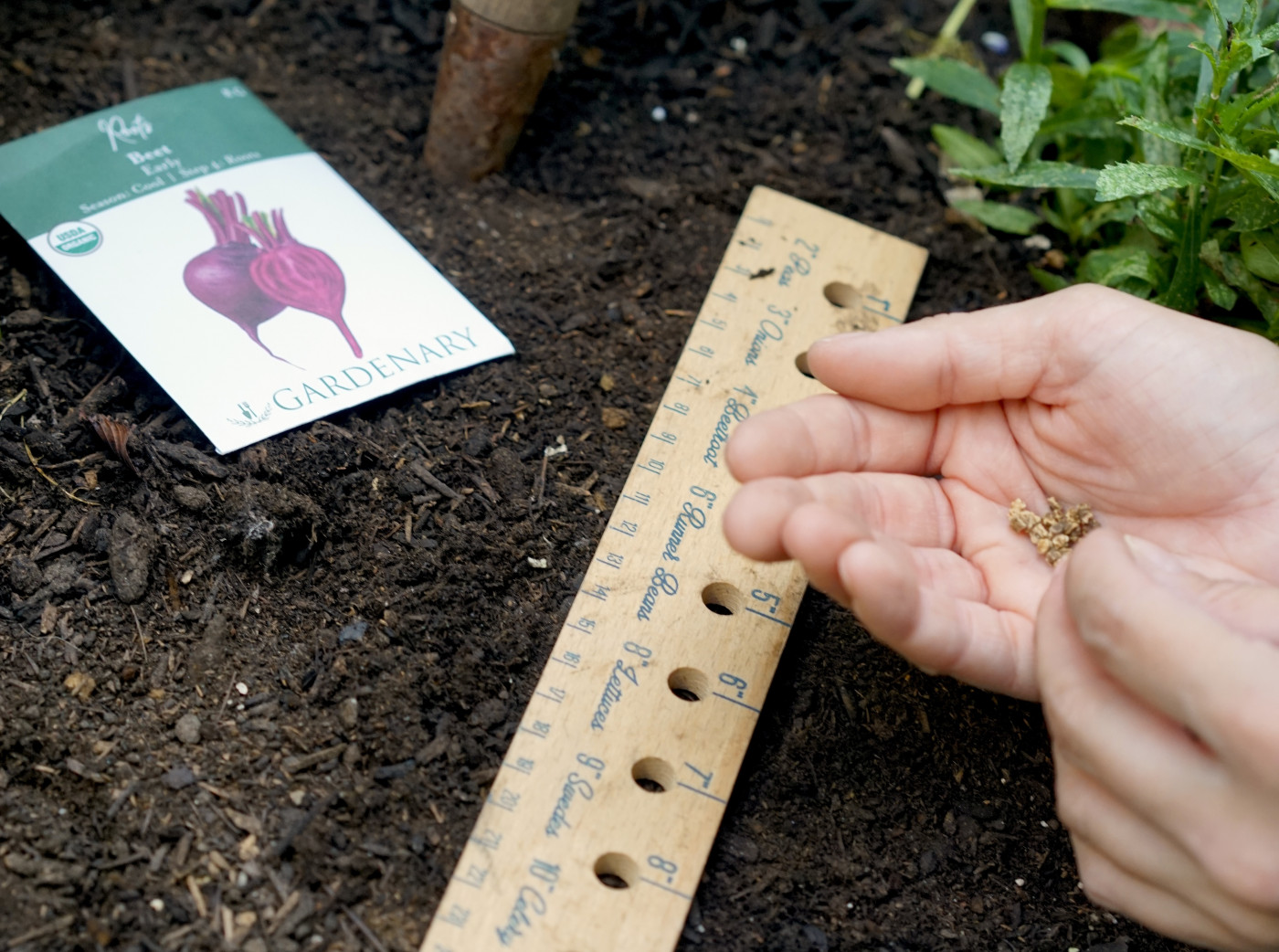
Using tools like dibblers or planting templates can help ensure consistent depth and spacing. For tiny seeds, mixing them with sand can aid even distribution and prevent clumping.
Thinning Seedlings
Once seedlings reach a few inches tall, thin them by snipping extras at soil level with scissors. This avoids disturbing roots of the remaining seedlings. Thinning reduces competition, improves airflow, and decreases disease risk.
For crops like carrots or beets, thinning is crucial to allow roots to develop fully. For leafy greens, thinning encourages robust growth and reduces the risk of fungal diseases.
Record-keeping
Keep a planting journal. Track how many seeds you plant per hole, germination rates, and results. Over time, you’ll develop a precise method tailored to your garden’s unique conditions.
Include notes on weather, soil amendments, and pest activity. This data helps refine your planting strategy and troubleshoot problems in future seasons.
Adjust For Experience
If you’ve grown a crop in your garden before, use past results to fine-tune your seed numbers. For new crops, start with the standard recommendations, then adjust in future seasons.
Experienced gardeners often develop their own preferred methods based on years of trial and error. Don’t be afraid to experiment—just be sure to document your process and results.
Data-driven Seed Sowing Strategies
Sowing For Maximum Germination
Researchers at the Penn State Extension recommend the following approach for maximizing plant stands:
- Calculate your desired number of plants.
- Multiply by the inverse of germination rate (e.g., for 90% germination, divide by 0.9).
- Round up to the nearest whole number.
For example, to achieve 10 tomato plants with 90% germination: 10 / 0.9 = 11.1, so plant 12 seeds (either as 2 per hole in 6 holes, or 3 per hole in 4 holes).
This method ensures you account for expected losses and helps prevent gaps in your planting.
Cost-benefit Analysis
Planting more seeds per hole increases your chance of a full stand but also uses more seeds. If seeds are expensive or rare, consider starting fewer seeds indoors for better control, or performing a germination test before planting.
| Seeds per Hole | Estimated Germination (%) | Labor for Thinning | Seed Wastage (%) | Final Plant Stand (%) |
|---|---|---|---|---|
| 1 | 70-95 | Low | Low | Lower |
| 2 | 85-98 | Medium | Medium | High |
| 3 | 95-100 | High | High | Highest |
This table illustrates the trade-off between seed usage and labor. For large gardens, minimizing labor may be more important; for small gardens, maximizing plant stand may take priority.
Sowing In Rows Vs. Clusters
Some crops, like carrots or lettuce, are best sown in rows with several seeds per inch, while others, like squash or corn, are often planted in hills (clusters) with 2-4 seeds per hole.
Row sowing allows for easier thinning and more uniform spacing, while hill planting concentrates resources and can help with pest management by creating stronger, more resilient plants.
Real-world Example: Corn Planting
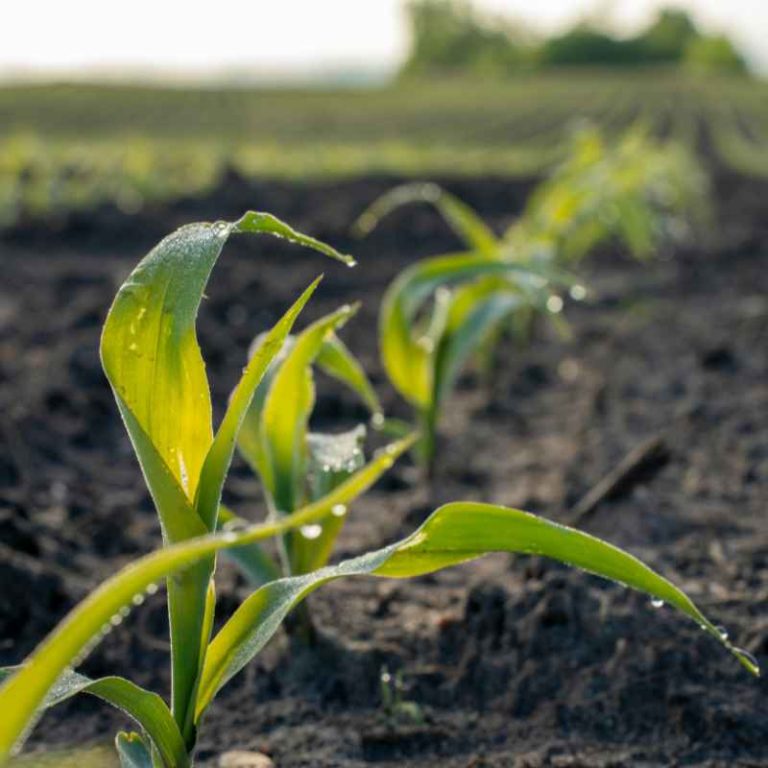
A commercial sweet corn grower in Illinois plants 3 seeds per hill and then thins to 2 seedlings. This ensures strong plants and uniform stands, boosting yield by 12% compared to single-seed planting.
This practice is especially beneficial in fields prone to bird or insect damage, as extra seedlings provide insurance against early losses.
Crop-specific Recommendations
Tomatoes
- Seeds per hole: 2-3
- Reason: Ensures at least one strong seedling even if one fails.
- Thinning: Remove extras when true leaves appear.
Tomatoes are sensitive to crowding, so thinning is essential for robust root development and healthy foliage.
Beans And Peas
- Seeds per hole: 1-2
- Reason: High germination and large seeds; less need for overplanting.
- Thinning: Rarely needed unless both seeds sprout.
For bush beans, spacing is critical to prevent disease. Pole beans benefit from closer planting for climbing support.
Carrots
- Seeds per hole: 3-5
- Reason: Tiny seeds and lower germination rates.
- Thinning: Crucial for proper root development.
Carrots grown too close together develop twisted, stunted roots; proper thinning ensures uniform, marketable produce.
Lettuce
- Seeds per hole: 3-5
- Reason: Tiny seeds, variable germination.
- Thinning: Thin to 1-2 seedlings per spot for heads; leave more for cut-and-come-again.
Head lettuce needs space to form full heads, while leaf lettuce can be left denser for continuous harvests.
Cucurbits (cucumbers, Squash, Melons)
- Seeds per hole: 2-3
- Reason: Ensures at least one vigorous plant per hill.
- Thinning: Remove weaker seedlings.
Squash and melons need space for sprawling vines; thinning helps prevent overcrowding and disease.
Root Crops
- Beets: 2-3 seeds per hole; thin to one.
- Radishes: 3-4 seeds per hole; thin to one.
Root crops benefit from early thinning to allow proper development.
Greens
For dense baby greens, scatter seeds thickly. For head lettuce or spinach, plant 3-4 seeds per hole, then thin.
Baby greens can tolerate crowding but need consistent moisture and nutrient supply.
Flowers
- Sunflower: 2 seeds per hole; thin to one.
- Zinnia: 2-3 seeds per hole.
- Petunia: 3-5 seeds per hole due to tiny seed size.
Thinning ensures strong stems and larger blooms for ornamental display.
Herbs
- Basil: 2-4 seeds per hole; thin to strongest.
- Cilantro: 2-3 seeds per hole.
- Parsley: 3 seeds per hole.
Herbs grown for leaves benefit from thinning to encourage branching and lush growth.
Case Study: Urban Microgreens
A microgreens grower in New York tested sowing density for basil. Sowing 3 seeds per hole produced the most consistent harvests, while 5 seeds led to overcrowded, leggy plants. Fewer than 2 seeds per hole resulted in patchy trays.
This demonstrates the importance of balancing seed density for both yield and plant quality, especially in small-space urban gardening.
Common Mistakes And How To Avoid Them
Planting Too Many Seeds
While it may seem safer to overplant, too many seedlings in one hole compete for resources, leading to weak, spindly plants. Excess thinning can also disturb roots of the remaining seedlings.
For crops like carrots or lettuce, overplanting is common, but it’s crucial to thin aggressively once seedlings appear.
Not Thinning
Failing to thin after germination can reduce yields, increase disease, and lead to uneven growth. Always thin as soon as seedlings are large enough to handle.
For example, lettuce left too dense can suffer from fungal diseases, while carrots will form misshapen roots.
Ignoring Seed Freshness
Using old seeds without increasing the number per hole can result in empty spots. Perform a germination test with a few seeds before planting, as described by the University of Minnesota Extension.
A simple test involves placing seeds on a damp paper towel and checking for sprouting after a few days.
Planting At Wrong Depth
Planting too deep can prevent seeds from sprouting, especially for small seeds. Follow packet guidelines: most seeds should be planted at a depth 2-3 times their diameter.
If unsure, err on the side of shallower planting—seeds can push through a thin layer of soil more easily.
Case Study: Thinning Carrots
A school garden in California skipped thinning carrots, resulting in stunted, twisted roots. The next season, they thinned to one seedling per hole and saw a 40% increase in marketable carrots.
This case highlights how proper thinning directly impacts yield and quality, especially for root crops.
Advanced Tips For Maximizing Germination And Growth
Pre-sprouting Seeds
Pre-sprouting or chitting seeds (especially peas and beans) can improve germination rates. Soak seeds until they sprout, then plant one sprouted seed per hole for near-100% success.
This technique is especially useful in cool, wet climates where direct sowing may fail.
Using Seed Tapes
Seed tapes contain evenly spaced seeds, saving time and ensuring precise spacing. They’re especially useful for tiny seeds like carrots and lettuce.
Seed tapes can be purchased or made at home using strips of paper and glue.
Soil Preparation
Loosen soil and amend with compost before planting. This improves germination and reduces the need for overplanting.
Well-prepared soil encourages strong root growth and improves water retention.
Environmental Controls
If starting seeds indoors, use a seedling heat mat and grow lights to improve germination rates. Outdoors, mulch and row covers can moderate soil temperature and moisture.
These tools help maintain consistent conditions, reducing seed losses.
Real-world Example: Raised Bed Gardening
A raised-bed gardener in Oregon found that improved soil and drainage allowed for fewer seeds per hole (2 instead of 4 for lettuce) with no drop in germination.
Raised beds provide optimal conditions, allowing gardeners to refine sowing techniques and reduce seed wastage.
Succession Planting
For continuous harvests, sow new seeds every 2-3 weeks. Adjust the number of seeds per hole based on previous success to maximize yield over the season.
Succession planting also allows for adjustments based on seasonal weather and observed germination rates.
Regional And Climate Considerations
Cool Climates
In cooler regions, germination rates are typically lower. Increase seeds per hole (by 1-2) to compensate, as recommended by the Royal Horticultural Society.
Using cold frames or cloches can help improve germination in early spring.
Hot Climates
Heat can speed up seedling growth but may dry out soil quickly. Plant at the recommended density, but monitor moisture closely.
Mulching and frequent watering are essential to maintain consistent moisture levels.
High-rainfall Areas
Heavy rains may wash away seeds or cause rot. In these conditions, plant extra seeds per hole to ensure a full stand.
Consider using raised beds or furrows to improve drainage and reduce seed loss.
Urban Environments
Urban soils can be compacted or contaminated. Use raised beds or containers and adjust seed numbers based on soil test results.
Container gardening allows for precise control of soil quality and moisture.
Case Study: Urban Vs. Rural Gardens
A study by the Sustainability Journal found that urban gardeners in containers had higher germination rates (up to 95%) than rural in-ground gardens (80%) due to better soil control, allowing for fewer seeds per hole.
This shows how environmental control can reduce the need for overplanting and improve efficiency.
Tools And Resources For Successful Seed Planting
Germination Test Kits
Simple home test kits (damp paper towel method) can help assess seed viability before planting.
This step saves time and ensures you plant the optimal number of seeds per hole.
Planting Templates And Seed Spacers
Reusable templates ensure accurate spacing and correct seed numbers per hole, reducing guesswork.
Templates can be purchased or made at home using cardboard or wood.
Garden Planning Apps
Apps such as the GrowVeg Garden Planner can help calculate how many seeds to plant per hole for your specific crops and layout.
Digital tools help streamline planning and record-keeping, making adjustments easier year over year.
Extension Services And Research
University extension services offer localized planting guides and up-to-date research. Explore resources like the Oregon State University Extension for science-backed advice.
These services provide seasonal updates, pest alerts, and crop-specific recommendations.
Seed Company Guides
Many seed companies provide online calculators and printable charts for recommended seed numbers per hole. See, for example, Johnny’s Selected Seeds.
Seed company resources are based on extensive trials and can be tailored to your region and garden type.
| Tool | Purpose | Benefit |
|---|---|---|
| Seed Viability Test | Check germination rate | Adjust seed numbers per hole |
| Planting Template | Accurate seed spacing | Uniform growth, less thinning |
| Garden Planner App | Cropping and spacing guide | Custom recommendations |
Community Knowledge
Join local gardening clubs or online forums to share experiences. Sites like The National Gardening Association offer real-world tips from gardeners in your region.
Community interaction offers practical insights and troubleshooting, especially for unusual crops or challenging environments.
Frequently Asked Questions
How Do I Know If I Need To Plant More Seeds Per Hole?
If you’re using old seeds, planting directly outdoors, or have had poor germination in the past, increase the number of seeds per hole by 1-2. Performing a simple germination test or consulting your local extension office can provide more specific guidance.
Consider environmental conditions, soil type, and historical results from your garden to make informed adjustments.
Should I Always Thin Seedlings After Germination?
Yes, for most crops, thinning is essential for strong growth and disease prevention. Thin to the healthiest seedling per hole once they have a few true leaves. Exceptions include microgreens and some baby leaf greens, which can be left crowded.
Thinning is especially important for crops grown for their roots or fruits, as overcrowding significantly reduces quality.
Can I Plant Only One Seed Per Hole If I Use High-quality Seed?
For crops with high germination rates and large seeds (e. g. , beans, peas, corn), planting a single seed per hole often works well. For smaller seeds or those with lower germination, it’s safer to plant 2-3 seeds per hole.
When seeds are expensive or rare, starting them indoors and transplanting can help maximize efficiency.
How Deep Should I Plant Seeds?
A general rule is to plant seeds at a depth 2-3 times the seed’s diameter. Tiny seeds (lettuce, carrot) should be barely covered; larger seeds (beans, peas) should be planted deeper, about 1 inch.
Proper depth ensures seeds can access moisture and light for optimal germination.
What Should I Do If All Seeds In A Hole Sprout?
If all seeds germinate, thin the extras by snipping them at soil level rather than pulling, which can disturb the roots of the remaining seedling. Choose the strongest, healthiest seedling to keep.
For crops grown in clusters, such as microgreens, you can leave multiple seedlings, but for most vegetables and flowers, thinning is essential.
Planting the right number of seeds per hole is a balance of science, art, and practical experience. By considering factors like seed size, crop type, germination rates, and your local conditions, you can maximize success and minimize waste. With the guidance and data provided here, you’ll be well-equipped to make smart choices for your garden—hole by hole, seed by seed.
Happy planting!