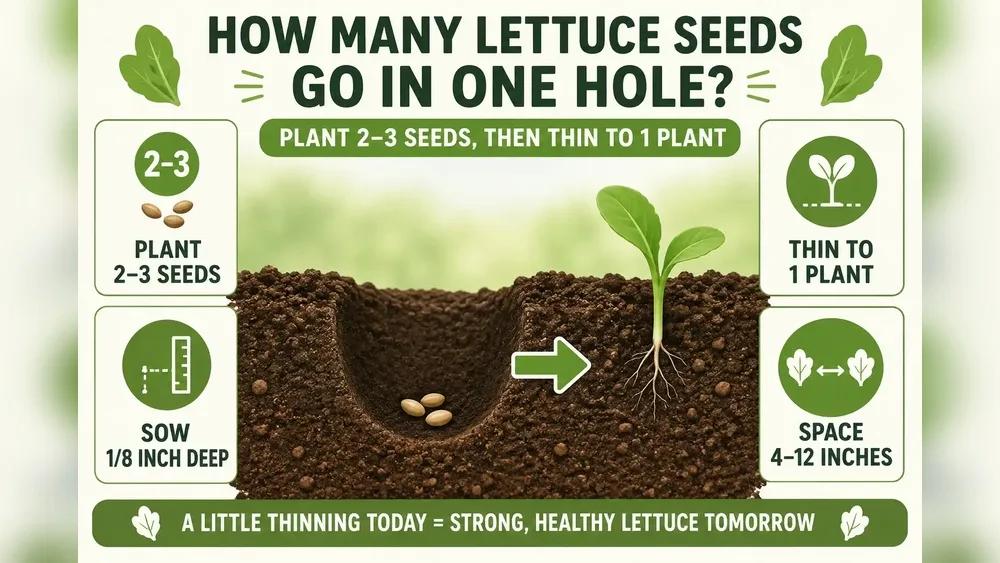
When Planting Seeds How Many Should Go in One Hole?
Planting seeds is one of the most fundamental and rewarding tasks in gardening, agriculture, and horticulture. Whether you’re cultivating vegetables, flowers, or grains, the simple act of sowing seeds sets the stage for growth, harvest, and renewal. Yet, the question of how many seeds should go in one hole is far from trivial—it’s a cornerstone of successful germination, plant health, and maximizing yields. Many new gardeners scatter seeds at random, while seasoned professionals make calculated decisions based on science, experience, and the unique requirements of each species.
The number of seeds per hole determines not just the chance of sprouting, but also the competition for resources, disease susceptibility, and the need for thinning. Factors like seed size, germination rate, soil conditions, and crop type all influence this decision.
This article dives deep into the science, best practices, and practical tips on how many seeds to sow per hole, backed by real-world examples, data tables, and expert insights. By the end, you’ll have actionable knowledge to optimize your planting technique, improve success rates, and ensure a thriving garden—whether you’re growing tomatoes in a backyard or sowing wheat on a commercial farm.
Key Takeaways
- The ideal number of seeds per hole depends on seed type, germination rate, and planting conditions.
- Overcrowding can lead to poor growth, disease, and competition for nutrients, while too few seeds risk empty patches.
- Thinning is often necessary when sowing multiple seeds to ensure robust plants.
- Most small seeds require 2-3 seeds per hole, while larger seeds are usually sown one per hole.
- Understanding species-specific requirements and using data-driven approaches boosts overall success.
- Proper spacing, soil preparation, and monitoring improve germination and plant health.
- Adjusting seed count per hole based on real-time feedback and local conditions is crucial for optimal results.
The Science Behind Seed Sowing Density
Planting density is a critical factor influencing germination, plant vigor, and eventual yield. The decision on how many seeds to place in each hole is not arbitrary—it’s guided by biological principles, agricultural research, and practical experience.
Germination Rates And Probability
Germination rate refers to the percentage of seeds that successfully sprout under optimal conditions. Commercial seed packets often display a germination percentage, which is essential for calculating how many seeds to sow per hole.
For example:
- A seed with a 95% germination rate is highly likely to sprout if sown singly.
- A seed with a 60% germination rate may require sowing 2-3 seeds per hole to ensure at least one seedling emerges.
The probability of at least one seed sprouting increases with more seeds per hole, but so does the risk of overcrowding. Here’s a data-driven comparison:
| Seeds per Hole | Germination Rate (%) | Probability of at least 1 sprout (%) |
|---|---|---|
| 1 | 60 | 60 |
| 2 | 60 | 84 |
| 3 | 60 | 94 |
| 1 | 95 | 95 |
| 2 | 95 | 99.75 |
This table illustrates that sowing more seeds per hole increases the chances of successful germination, particularly with lower-quality seeds. However, the law of diminishing returns applies: after a certain number, adding more seeds does not significantly increase the probability of sprouting and only increases the need for thinning.
Seed Size And Plant Type
Seed size is a major determinant:
- Large seeds (beans, corn, squash): Usually 1 seed per hole.
- Small seeds (lettuce, carrots, basil): 2-3 seeds per hole.
Larger seeds contain more stored energy and are less prone to failure. They also tend to have a harder seed coat, making them less vulnerable to damage or drying out. Small seeds, often more delicate and susceptible to environmental stress, benefit from redundancy.
Additionally, plant type influences how many seeds to sow. Root crops like carrots and beets are sensitive to spacing, so excess seedlings must be thinned carefully. Leafy greens like spinach and lettuce tolerate closer spacing and can be harvested as baby greens, allowing more flexibility.
Thinning And Resource Competition
When multiple seeds sprout in one hole, seedlings compete for water, nutrients, and light. If all seeds germinate, thinning becomes essential—removing weaker seedlings to allow the strongest to thrive. Thinning is especially important in crops like carrots, radishes, and lettuce, where overcrowding can lead to stunted growth and poor yields.
For instance, if three lettuce seeds sprout in one hole and are left unchecked, the plants may grow smaller leaves and have reduced flavor and nutritional quality due to limited access to sunlight and nutrients. Thinning ensures robust individual plants that produce higher-quality harvests.
Environmental Influences
Factors such as soil quality, moisture, temperature, and light impact germination and seedling survival. In less-than-ideal conditions, sowing extra seeds per hole is a safeguard against environmental uncertainties.
- Soil compaction can reduce seed-to-soil contact and lower germination rates. In such situations, sowing more seeds per hole may compensate.
- Excess moisture can cause fungal diseases and rot, so careful monitoring and spacing are vital.
- Extreme temperatures can delay or inhibit germination. In colder climates, sowing a few extra seeds per hole can hedge against losses.
Scientific Recommendations
According to the North Dakota State University Extension, optimal sowing density depends on crop type, seed quality, and field conditions, with most guidelines recommending 1-3 seeds per hole for home gardens. The advice is echoed by horticultural societies and agricultural universities, emphasizing the importance of local conditions and careful monitoring.

Credit: www.aces.edu
Species-specific Guidelines: How Many Seeds Per Hole?
Different plant species have distinct requirements for seed sowing density. Understanding these guidelines is crucial for maximizing germination and minimizing thinning.
Vegetables
- Tomatoes: 2-3 seeds per hole; thin to 1 strong seedling. Tomatoes are generally grown for transplant, so sowing extra seeds ensures at least one strong plant per cell or pot.
- Carrots: 2-4 seeds per hole; thin to 1-2 seedlings. Carrots are slow to germinate and sensitive to soil conditions, making redundancy important.
- Beans: 1 seed per hole; rarely fails to germinate. Beans have a high germination rate and grow vigorously.
- Peppers: 2 seeds per hole; thin to 1 seedling. Peppers can be finicky, especially in cool soils, so extra seeds improve odds.
- Lettuce: 3-4 seeds per hole; thin to 1-2 seedlings. Lettuce tolerates closer spacing, and extra seeds ensure a full row.
- Radishes: 2-3 seeds per hole; thin to 1 seedling. Radishes germinate quickly, but sowing extra helps fill gaps.
- Cucumbers: 1 seed per hole; strong germination. Cucumbers are typically direct-sown and perform well with single seeds.
- Corn: 1-2 seeds per hole; thin if both sprout. Corn relies on pollination, so proper spacing is crucial.
Flowers
- Marigolds: 2-3 seeds per hole; thin to 1 seedling. Marigolds can be direct-sown or started indoors.
- Zinnias: 2 seeds per hole; thin to 1. Zinnias have reliable germination but benefit from redundancy.
- Sunflowers: 1 seed per hole; robust seed. Sunflowers grow vigorously and don’t require extra seeds.
- Petunias: 3-5 seeds per hole; thin to 1-2. Petunia seeds are tiny and sometimes erratic.
Herbs
- Basil: 2-3 seeds per hole; thin to 1-2. Basil seeds are small and may not always sprout.
- Parsley: 2-4 seeds per hole; slow germination. Parsley can take up to three weeks to sprout.
- Cilantro: 2-3 seeds per hole; thin to 1. Cilantro is prone to poor germination in cool weather.
Grains And Cover Crops
- Wheat, oats, rye: Typically broadcast; if drilled, 1-2 seeds per hole. Large-scale crops often use seed drills with calculated rates.
- Alfalfa, clover: 2-3 seeds per hole; thin if overcrowded. These are used for ground cover and nitrogen fixation.
Data Table: Seed Sowing Guidelines By Crop
| Crop | Recommended Seeds per Hole | Germination Rate (%) | Thinning Required? |
|---|---|---|---|
| Tomatoes | 2-3 | 80-95 | Yes |
| Carrots | 2-4 | 60-80 | Yes |
| Beans | 1 | 90-98 | No |
| Lettuce | 3-4 | 80-90 | Yes |
| Sunflowers | 1 | 90-95 | No |
| Basil | 2-3 | 70-85 | Yes |
Real-world Example: Tomato Planting
A home gardener in Ohio planted tomatoes with 3 seeds per hole. All seeds sprouted, leading to overcrowding. After thinning to one seedling per hole, the plants produced larger fruits and healthier growth, confirming the benefit of redundancy followed by thinning.
The gardener also noted that the seedlings left after thinning had deeper roots and fewer disease problems compared to previous years when thinning was neglected.
Credit: cropfarming.org
Factors Affecting How Many Seeds Should Go In One Hole
The optimal number of seeds per hole is influenced by several key factors, each of which should be considered before sowing.
Seed Quality And Age
Fresh, high-quality seeds with high germination rates require fewer seeds per hole. Older seeds, or those stored in less-than-ideal conditions, may require 2-4 seeds per hole to compensate for reduced viability. Always check the expiration date and storage conditions of your seeds. Seeds stored in cool, dry environments last longer and have better germination rates.
Soil And Environment
- Poor soil: Sow extra seeds to ensure at least one sprout. Soil with low fertility, compaction, or high clay content can hinder germination.
- Optimal soil and moisture: Fewer seeds needed. Loamy, well-drained soil with consistent moisture provides the best results.
- Temperature fluctuations: More seeds per hole as insurance. Early spring plantings may need extra seeds due to unpredictable weather.
Consider the local climate, rainfall patterns, and potential for late frosts. In regions with unpredictable weather, sowing more seeds per hole increases the chance of successful establishment.
Crop Purpose And Density
- For harvest: Sow fewer seeds per hole to avoid thinning and maximize yield. For crops grown for market or personal use, efficiency is key.
- For cover crops or green manure: More seeds per hole to promote dense coverage. Cover crops are often sown thickly to suppress weeds and protect soil.
Planting Depth And Method
- Shallow planting: Risk of drying out; sow more seeds. Shallow-planted seeds are more exposed to wind and sun.
- Direct sowing vs. transplanting: Direct sowing often involves sowing extra seeds due to unpredictable conditions. Transplants allow for precise spacing.
For example, direct sowing carrots in outdoor beds may require more seeds per hole than sowing in controlled greenhouse trays.
Real-world Example: Carrot Germination
In a community garden in New York, carrot seeds were sown at 3 per hole due to a germination rate of 70%. After thinning, yields increased by 30% compared to previous years when only one seed was sown per hole.
The gardeners also found that sowing extra seeds compensated for birds and insects that sometimes disturbed the soil and seeds.

Credit: sensiseeds.com
Best Practices For Seed Sowing: Maximizing Germination And Growth
Effective seed sowing is a blend of science, art, and practical wisdom. Follow these best practices to optimize the number of seeds per hole.
Step-by-step Seed Sowing
- Read seed packet instructions for recommended sowing density. These instructions are based on years of research and field trials.
- Test germination rate with a small batch if unsure. Place 10 seeds on a moist paper towel; count how many sprout in 7-10 days.
- Prepare soil: Remove debris, loosen soil, and ensure proper moisture. Well-aerated soil improves seed-to-soil contact.
- Mark rows and holes for uniform spacing. Use a ruler or planting guide for accuracy.
- Sow the recommended number of seeds per hole based on crop type and conditions. Adjust if your environment is especially harsh or unpredictable.
- Cover seeds lightly with soil, ensuring not to bury too deep. Depth matters: Most seeds need 2-3 times their diameter in soil cover.
- Water gently to avoid displacing seeds. Use a spray bottle or watering can with fine holes.
- Label rows and varieties for tracking. Keep records of planting dates and conditions.
Thinning For Optimal Growth
- Monitor seedlings after sprouting. Early observation allows timely thinning before roots entangle.
- Remove weaker seedlings, leaving the healthiest. Look for vigor, color, and stem thickness.
- Thin when seedlings reach 2-3 inches tall. Early thinning reduces root disturbance.
- Use scissors to snip extra seedlings at soil level to avoid disturbing roots. Pulling can damage the remaining plants.
Avoiding Common Mistakes
- Overcrowding: Leads to stunted growth and disease. Plants compete for light and nutrients, increasing susceptibility to pathogens.
- Too few seeds: Risk of empty spots and wasted space. Gaps reduce overall yield and may allow weeds to establish.
- Improper depth: Causes poor germination. Too deep, and seeds may rot; too shallow, and they may dry out.
Data Table: Thinning Recommendations
| Crop | Initial Seeds per Hole | Final Seedlings per Hole | Timing for Thinning |
|---|---|---|---|
| Carrots | 3 | 1 | When 2-3 inches tall |
| Lettuce | 4 | 2 | After first true leaves |
| Radishes | 2 | 1 | When 1-2 inches tall |
| Tomatoes | 2 | 1 | After first true leaves |
Case Studies: Practical Applications And Results
Case Study 1: Commercial Bean Farming
A commercial bean farm in Iowa switched from sowing 2 seeds per hole to 1 seed per hole after analyzing their 98% germination rate. This change reduced seed costs by 50%, and crop yields remained consistent. The farm’s data-driven approach, documented in a report by the Agriculture.com, demonstrates the power of adjusting sowing density based on seed quality.
This practice also reduced labor costs associated with thinning and improved uniformity in plant spacing, which enhanced mechanical harvesting efficiency.
Case Study 2: Urban Community Garden
An urban garden in Los Angeles faced unpredictable weather and poor soil. Volunteers sowed 3-4 lettuce seeds per hole to hedge against low germination. After thinning, the garden achieved a 90% fill rate, ensuring a lush and productive harvest. This practice was inspired by guidance from the National Gardening Association.
The garden also experimented with sowing different numbers of seeds per hole for various crops. They found that root crops like beets and turnips benefited from slightly higher sowing rates, while leafy greens could be harvested without thinning for baby leaves.
Case Study 3: Flower Production For Florists
A flower grower in Texas planted marigolds and petunias with 3 seeds per hole due to variable seed quality. After thinning, flower heads were larger and more vibrant, and the grower supplied local florists with premium blooms. This case was highlighted in a University of Minnesota Extension article.
The grower also noted that sowing extra seeds per hole improved resilience against insect damage in early spring, leading to more consistent production.
Comparison: Single Seed Vs. Multiple Seeds Per Hole
Sowing a single seed per hole versus multiple seeds is a strategic decision with pros and cons. Here’s a side-by-side comparison:
| Method | Advantages | Disadvantages | Best Used For |
|---|---|---|---|
| Single Seed per Hole | – Saves seed – Less thinning – Uniform spacing | – Risk of empty spots – Relies on high germination | High-quality seeds, large seeds |
| Multiple Seeds per Hole | – Insurance against poor germination – Higher fill rates | – Requires thinning – Increased seed cost – Possible overcrowding | Small seeds, old seeds, variable conditions |
In practice, many gardeners experiment with both methods based on the crop and their experience. For high-value crops or those with expensive seeds, using single seeds and ensuring optimal conditions is often preferred. For crops with less predictable germination or when starting in outdoor beds, sowing multiple seeds per hole is a safer bet.
Expert Insights And Research-backed Recommendations
Agricultural Extension Services
Many extension services provide crop-specific recommendations. For example, the Cornell University Gardening Guide advises 2-3 seeds per hole for small-seeded crops, followed by thinning.
These recommendations are based on extensive field trials and are updated regularly to reflect new research and local climate changes. Extension services also provide advice on soil preparation, irrigation, and pest management, which can influence seed sowing decisions.
Seed Companies
Major seed companies like Burpee and Johnny’s Selected Seeds include sowing density on their packets, generally recommending:
- 2-3 seeds per hole for small-seeded vegetables and herbs.
- 1 seed per hole for beans, squash, and corn.
Seed companies conduct germination tests and adapt instructions for specific varieties, climates, and soil types.
Scientific Studies
A 2018 study published in the journal Crop Science found that sowing 2 seeds per hole with a germination rate below 80% increased stand uniformity by 23%, compared to single-seed sowing. This study also recommended thinning for optimal plant health.
Researchers suggest that adjusting sowing density based on real-time germination tests can further improve outcomes, especially for crops grown in unpredictable environments.
Real-world Example: Wheat Broadcasting
In large-scale wheat farming, seeds are broadcast or drilled, with calculations based on seed count per square foot. If drilled, the standard is 1-2 seeds per hole, especially when germination rates are below 90%. The Wikipedia page on wheat provides extensive data on sowing methods.
Wheat growers often use precision drills to place seeds at exact depths and spacing, optimizing germination and reducing seed waste.
Troubleshooting: Common Problems And Solutions
Poor Germination
If seeds fail to sprout:
- Check seed age and storage.
- Increase seeds per hole in future plantings.
- Improve soil moisture and temperature.
- Use seed-starting mixes or pre-soak seeds for difficult varieties.
Overcrowding
If too many seedlings sprout:
- Thin promptly to avoid competition.
- Consider sowing fewer seeds per hole next time.
- Monitor for signs of fungal diseases and pest buildup.
Uneven Growth
If seedlings are sparse in some holes:
- Re-sow empty spots with fresh seeds.
- Use seeds from reputable sources.
- Test soil for compacted or infertile areas.
Pest And Disease Issues
Overcrowded seedlings attract pests and disease.
- Ensure proper spacing after thinning.
- Monitor for signs of fungal infections.
- Rotate crops and amend soil to reduce pathogen buildup.
Real-world Example: Lettuce Patch Recovery
A gardener in Florida noticed uneven germination in lettuce patches. By re-sowing empty holes with 3 seeds each and thinning after sprouting, the patch achieved uniform coverage and healthy growth. The gardener also applied organic mulch to stabilize soil moisture and temperature, further improving germination rates.
Frequently Asked Questions
How Many Seeds Should I Plant In One Hole For Tomatoes?
For tomatoes, sow 2-3 seeds per hole. Once seedlings emerge and develop their first true leaves, thin to the strongest single plant. This approach ensures at least one healthy seedling while minimizing overcrowding.
Is It Okay To Plant Multiple Seeds In One Hole?
Yes, planting multiple seeds in one hole is a common practice, especially with small seeds or those with lower germination rates. It acts as insurance against failed germination. Always thin out weaker seedlings to avoid competition.
What Happens If All Seeds In A Hole Sprout?
If all seeds sprout, overcrowding can occur, leading to stunted growth and poor yields. Thinning is essential—remove the weaker seedlings and keep only the strongest. Use scissors to snip extras to avoid disturbing roots.
Should I Always Follow The Seed Packet Instructions?
Yes, seed packet instructions are tailored to each crop’s requirements, factoring in average germination rates and optimal conditions. They provide the best starting point, but adjust as needed based on your specific environment and experience.
How Do I Choose The Right Number Of Seeds If My Soil Is Poor?
In poor soil, sow extra seeds per hole to increase the chance of at least one seedling emerging. Monitor closely, and thin once seedlings are established. Improving soil with compost or amendments is recommended for long-term success.
Planting the correct number of seeds per hole is a fundamental skill that underpins healthy gardens and productive farms. By understanding germination rates, crop-specific guidelines, and environmental factors, you can tailor your sowing technique for optimal results. Whether you’re a backyard gardener or a commercial grower, following best practices—and adjusting based on real-world feedback—ensures vibrant, thriving plants and abundant harvests.
Applying science, experience, and expert recommendations will transform your seed sowing from guesswork to precision, unlocking the full potential of every seed you plant. With careful planning, monitoring, and adjustment, you not only maximize your yield but also contribute to sustainable, resilient gardening and agriculture.