When To Plant Grass Seed In New York
For homeowners, landscapers, and property managers across New York, establishing a lush, healthy lawn begins with timing. Planting grass seed at the wrong moment can mean wasted effort, patchy results, and disappointment. The state’s diverse climate zones, from the chilly Adirondacks to the milder Long Island coast, add layers of complexity to this process. Knowing when to plant grass seed in New York is essential for maximizing germination , minimizing weed competition, and ensuring your lawn thrives year after year.
Whether you’re renovating a tired lawn, starting from scratch, or simply filling in bare spots, understanding the best planting windows, seed types, and local soil conditions can transform your landscape. This guide combines expert advice, regional climate data, and practical examples to help you make informed decisions about seeding your New York lawn.
Let’s explore the strategies, timing, and tools you need for successful grass establishment in the Empire State.
Key Takeaways
- Optimal planting windows in New York are early fall and late spring; fall is generally favored for cool-season grasses.
- Grass type selection depends on your region and microclimate; cool-season varieties dominate most of NY.
- Soil preparation, proper seeding techniques, and post-planting care are critical for healthy lawn establishment.
- Understanding regional climate differences ensures you adapt timing and practices for best results.
- Real-world examples highlight how timing and seed choice impact lawn success across NY.
- Consult local experts for site-specific advice and adjust practices for unique microclimates.

Credit: lawnlove.com
Understanding New York’s Climate And Its Impact On Grass Seeding
New York’s climate is characterized by significant variability, both seasonally and regionally. From the cold winters and brief summers in the Adirondacks to the moderate coastal influences on Long Island, these differences directly affect grass growth and seeding windows.
Regional Climate Zones
The state can be divided into several climate zones:
- Northern NY (Adirondacks, North Country): Long, cold winters; short, cool summers.
- Central NY (Finger Lakes, Syracuse): Moderate winters; humid summers.
- Western NY (Buffalo, Rochester): Cold, snowy winters; warm summers.
- Southern NY (Hudson Valley): Milder winters; longer growing season.
- New York City & Long Island: Coastal influence, milder winters; extended spring and fall.
Each region’s climate influences the timing for seed germination and establishment.
Temperature And Precipitation Data
According to the NYS Department of Environmental Conservation, average soil temperatures in early September range from 60-70°F in most regions, ideal for cool-season grass germination. Precipitation peaks in late summer and early fall, providing natural moisture for seeds. In contrast, spring brings unpredictable rainfall and cooler soils, which can delay establishment.
Why Timing Matters
Grass seeds require warm soil (50-65°F) and consistent moisture to germinate. Planting too early or late exposes seeds to extreme temperatures, drought, or frost. Lawns seeded in early fall consistently outperform those seeded in spring, especially regarding weed suppression and root development.
Best Times To Plant Grass Seed In New York
Timing is the cornerstone of successful grass establishment. Both fall and spring are viable, but each comes with unique advantages and challenges.
| Season | Optimal Window | Advantages | Drawbacks |
|---|---|---|---|
| Early Fall | Late August to Mid-September | Warm soil, cool air, fewer weeds, ample rainfall | Risk of early frost in Northern NY |
| Spring | Late April to Early June | Reliable moisture, avoids winter kill | High weed competition, variable weather |
| Late Fall | October to November (dormant seeding) | Seeds germinate in spring, avoids summer drought | Risk of seed washout, less predictable |
Early Fall: The Preferred Planting Window
For most of New York, late August through mid-September is ideal. Soil remains warm enough for rapid germination, while cooler air temperatures reduce heat stress. This period also coincides with decreasing weed pressure, giving grass seedlings a competitive edge. Rainfall is generally steady, reducing reliance on supplemental irrigation.
Spring Seeding: When Fall Isn’t Feasible
In regions with harsh, early frosts, such as the Adirondacks, fall planting can be risky. Here, late April through early June offers another window. However, spring brings aggressive weed growth and unpredictable weather. Seeds may face cold snaps or heavy rains, slowing establishment.
Dormant Seeding: A Third Option
Some landscapers use dormant seeding in late fall, applying seed after soil temperatures drop below 50°F. Seeds remain dormant through winter and germinate in spring. While this can avoid summer drought stress, it also risks seed washout and inconsistent results.
Regional Adjustments
- Northern NY: Shift fall planting earlier, aiming for late August.
- Long Island & NYC: Can extend fall planting into October due to milder climate.
Pro Tip: Always check soil temperature with a thermometer, aim for 55-65°F for cool-season grasses.

Credit: lawnlove.com
Choosing The Right Grass Seed For New York Lawns
Selecting the optimal grass species is crucial. Most of New York favors cool-season grasses, which thrive in moderate temperatures and withstand cold winters.
Cool-season Grass Types
The primary choices for New York lawns are:
- Kentucky Bluegrass: Fine texture, rich color, high cold tolerance.
- Perennial Ryegrass: Fast germination, durable, blends well.
- Tall Fescue: Deep roots, drought resistance, coarse texture.
- Fine Fescues (Creeping Red, Chewings, Hard): Shade tolerant, low maintenance.
Each species has strengths and ideal planting conditions.
| Grass Type | Strengths | Best Region | Recommended Planting Window |
|---|---|---|---|
| Kentucky Bluegrass | Cold hardy, dense turf | Statewide | Early Fall |
| Perennial Ryegrass | Rapid germination, wear resistant | Central & Western NY | Early Fall/Spring |
| Tall Fescue | Drought tolerant, deep roots | Southern NY, Long Island | Early Fall |
| Fine Fescues | Shade tolerant, low fertilizer | Shady sites statewide | Early Fall |
Warm-season Grasses: Rare In Ny
Varieties like zoysiagrass and bermudagrass are ill-suited for New York’s climate, except for limited use in coastal Long Island. These require hotter summers and milder winters.
Mixing Seed Types
Seed blends, combining bluegrass, ryegrass, and fescue, offer resilience and adaptability. They can handle variable weather and soil types. Always select seed rated for your region and intended use (e. g. , high traffic, shade).
Seed Quality Considerations
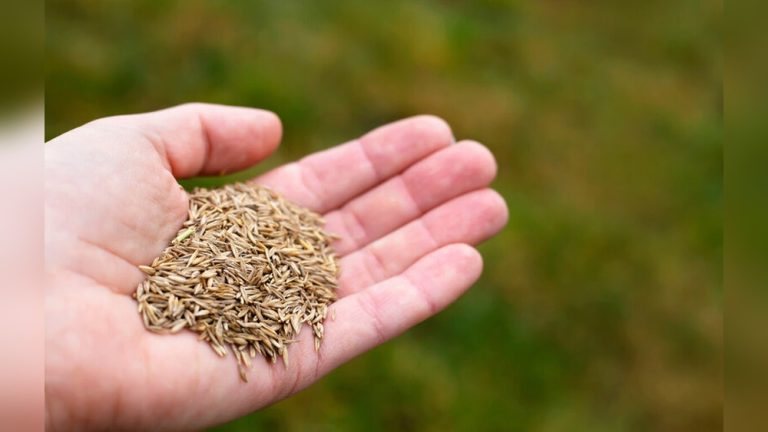
Choose fresh, high-purity seed from reputable suppliers. Avoid mixes with high weed content or filler.
Example: A homeowner in Syracuse achieved rapid lawn establishment by combining Kentucky bluegrass and perennial ryegrass, seeded in early September after soil testing confirmed optimal pH.

Credit: www.teedandbrown.com
Preparing Your Soil For Grass Seed
Healthy soil is the foundation of a thriving lawn. Proper preparation maximizes seed-to-soil contact, nutrient availability, and drainage.
Soil Testing And Amendments
Before seeding , conduct a soil test to measure pH, nutrient levels, and organic matter. New York soils range from acidic (pH 5.5) in the Adirondacks to neutral (pH 7) in Long Island. Aim for a pH between 6.0 and 7.0.
- Add lime to raise pH if needed.
- Apply sulfur or peat moss to lower pH.
- Incorporate compost for organic matter and nutrients.
Consult the Cornell Cooperative Extension for regional soil data and advice.
Grading And Aeration
Remove rocks, debris, and old turf. Grade the area to ensure proper drainage and prevent puddling. For compacted soils, aerate using a core aerator to improve oxygen and water penetration.
Tilling And Raking
Lightly till the top 2-4 inches of soil. Rake to create a fine, level surface. This ensures seeds are evenly distributed and can establish roots.
Fertilizer Application
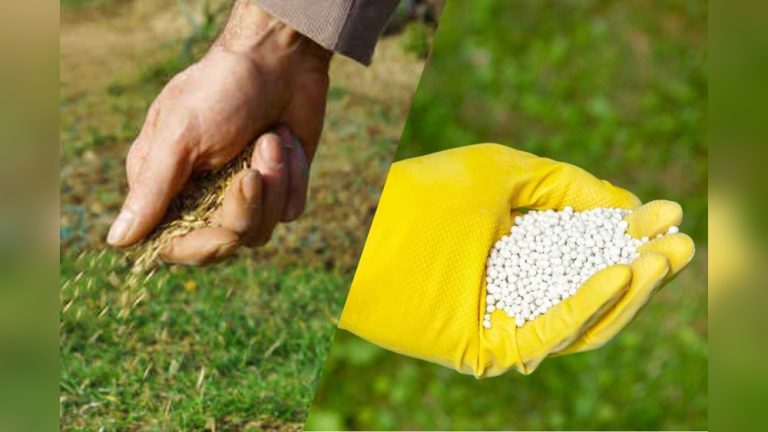
Apply a starter fertilizer high in phosphorus (e.g., 10-20-10) to support root development. Follow manufacturer guidelines and avoid over-fertilizing, which can burn seedlings.
Example: When I tested soil in Buffalo, adding compost and lime before seeding in September boosted germination rates and reduced bare spots.
Seeding Techniques And Best Practices
Proper seeding methods make the difference between patchy lawns and uniform turf. New York’s weather can be unpredictable, so attention to detail is crucial.
Seeding Methods
- Broadcast Seeding: Ideal for large areas; use a rotary or drop spreader.
- Hand Seeding: Suited for small patches or repairs.
- Hydroseeding: Used by professionals for large-scale projects; combines seed, mulch, water, and fertilizer.
Seeding Rates
Follow package instructions, but typical rates are:
- Kentucky Bluegrass: 2-3 lbs per 1,000 sq ft
- Ryegrass: 4-5 lbs per 1,000 sq ft
- Fescue: 5-6 lbs per 1,000 sq ft
Applying too much seed can lead to overcrowding and disease.
Covering The Seed
Lightly rake or roll the seeded area to ensure seeds are covered with 1/8 to 1/4 inch of soil. Top-dress with straw or mulch to retain moisture and protect from birds.
Watering Schedule
- First two weeks: Water daily, keeping soil consistently moist.
- Weeks 3-4: Reduce to every other day as seedlings establish.
- After four weeks: Water as needed based on rainfall.
Avoiding Common Mistakes
- Do not plant when heavy rain is forecast, risk of seed washout.
- Avoid seeding over thick thatch or compacted soil.
- Do not use too much mulch, which can smother seedlings.
Pro Tip: Use certified seed rated for New York to ensure disease resistance and optimal performance.
Caring For Newly Seeded Lawns
Post-seeding care determines whether your lawn matures into a healthy turf or succumbs to weeds and disease.
Mowing Practices
Wait until grass reaches 3-4 inches before the first mowing. Use sharp blades and cut no more than 1/3 of the grass height at a time.
Fertilization And Weed Control
Apply a light fertilizer 4-6 weeks after seeding if needed. Avoid herbicides until the lawn is established (usually after three mowings).
- Spot treat weeds manually if necessary.
- Avoid pre-emergent herbicides, which can inhibit grass germination.
Pest And Disease Management
Monitor for fungal issues, especially in wet, humid conditions. Early fall seeding reduces disease risk by avoiding summer heat.
Traffic And Protection
Keep foot traffic off new lawns for the first 4-6 weeks. Use signage or temporary fencing for high-traffic areas.
Example: A property manager in Albany avoided weed outbreaks by following a strict watering schedule and delaying mowing until the turf was well established.
Real-world Case Studies: Successful Grass Seeding In New York
Examining real examples underscores the impact of timing, technique, and seed choice.
Case Study 1: Early Fall Seeding In Rochester
A Rochester homeowner seeded a Kentucky bluegrass-ryegrass mix in late August. Soil was tested and amended with compost and lime. The area was graded, seeded with a drop spreader, and covered with straw. Daily watering and cool fall weather produced a dense lawn in six weeks, with minimal weed intrusion.
Case Study 2: Spring Seeding In Adirondacks
In the Adirondacks, a landscape company seeded tall fescue in late May, after snow melt. Despite a late spring frost, the lawn established well thanks to deep-rooted fescue and careful soil preparation. Weed competition was managed through manual removal.
Case Study 3: Dormant Seeding In Westchester
A Westchester property manager applied seed in November, after soil cooled. The seed remained dormant until April, when warm temperatures triggered rapid germination. While some patches needed reseeding due to winter runoff, overall establishment was strong.
These cases illustrate how adapting timing, seed selection, and preparation to local conditions can yield impressive results.
Regional Considerations And Microclimate Strategies
New York’s diverse geography means microclimates can affect lawn establishment. Small differences in elevation, proximity to water, and urban heat islands all impact seeding windows.
Urban Vs Rural Lawns
Urban areas (NYC, Buffalo) often have warmer microclimates, extending fall planting by several weeks. Rural, high-elevation sites require earlier planting and cold-hardy seed.
Waterfront Properties
Lakeside and coastal lawns (Finger Lakes, Long Island) may benefit from milder temperatures and higher humidity, extending seeding windows.
Shaded Vs Sunny Sites
Shady lawns require fine fescues and may experience slower germination. Sunny sites favor bluegrass and ryegrass but need more irrigation.
Pro Tip: Consult local extension offices or landscape professionals for microclimate-specific advice.
Troubleshooting Common Grass Seeding Challenges
Despite best efforts, homeowners may encounter problems such as poor germination, patchy growth, or weed invasion.
Poor Germination
Possible causes:
- Old or low-quality seed
- Cold soil temperatures
- Insufficient watering
- Heavy thatch or compaction
Solution: Use fresh, certified seed, monitor soil temps, aerate, and water consistently.
Patchy Growth
Possible causes:
- Uneven seeding
- Inadequate soil preparation
- Seed washout from rain
Solution: Reseed bare spots, improve soil grading, and cover seeds with mulch.
Weed Infestation
Possible causes:
- Spring seeding (high weed competition)
- Poor site preparation
- Overwatering
Solution: Delay seeding to fall, manually remove weeds, and avoid excessive moisture.
Pro Tip: For persistent issues, consult Cornell Cooperative Extension or a certified landscape professional.
Frequently Asked Questions
What Is The Best Grass Seed For Shady Lawns In New York?
Fine fescues, such as creeping red fescue and chewings fescue, perform well in shaded areas. These grasses require less sunlight and thrive under trees or north-facing slopes. Blending with shade-adapted Kentucky bluegrass can further improve resilience.
Can I Plant Grass Seed In Midsummer?
Midsummer seeding is not recommended in New York due to high temperatures, drought risk, and aggressive weed growth. Seeds may fail to germinate or succumb to heat stress. If urgent, water frequently and use heat-tolerant fescue, but expect lower success rates.
How Long Does It Take For Grass Seed To Germinate In New York?
Germination times vary by species and weather:
- Perennial ryegrass: 5-7 days
- Kentucky bluegrass: 14-21 days
- Tall fescue: 10-14 days
Cool fall weather may slow germination; warm soil speeds it up. Consistent moisture is critical throughout.
Should I Use Sod Instead Of Seed For Faster Results?
Sod offers instant coverage and faster establishment, but costs more and requires precise installation. It’s ideal for erosion-prone slopes, high-traffic areas, or when rapid results are needed. For large lawns, seeding remains more economical.
How Do I Prevent Birds From Eating My Grass Seed?
Cover seeds with a light layer of straw, mulch, or compost. Some homeowners use netting or scare devices, but mulch remains the most effective, protecting seeds from both birds and drying out.
Comparing Grass Seeding Costs And Methods In New York
To help you choose the best approach for your lawn and budget, here’s a comparison of typical costs and methods:
| Method | Material Cost (per 1,000 sq ft) | Labor Intensity | Establishment Speed | Best For |
|---|---|---|---|---|
| Broadcast Seeding | $25-$50 | Moderate | 2-6 weeks | Home lawns, large areas |
| Hydroseeding | $100-$150 | Professional | 2-4 weeks | Commercial, slopes, erosion control |
| Sod Installation | $300-$400 | High | Instant | Small areas, urgent needs |
Source: Wikipedia
Essential Resources And Expert Advice
Leveraging regional expertise and university resources can optimize your seeding results.
- The Cornell Cooperative Extension provides localized advice, soil testing services, and recommended seed varieties.
- The NYS Department of Environmental Conservation offers climate data and best practices for sustainable lawn care.
- Professional landscapers can advise on microclimate strategies and troubleshoot persistent issues.
Consulting these sources ensures your lawn project is informed by the latest research and real-world experience.
Planting grass seed in New York is a science and an art, shaped by regional climate, soil conditions, and timing. By understanding the optimal windows, selecting the right grass varieties, and preparing your site diligently, you can achieve a healthy, resilient lawn that enhances your property for years to come.
Remember to tailor your practices to local conditions, seek expert guidance as needed, and enjoy the rewards of a well-timed, well-executed seeding project.