Bulb Planting Calculator: How Many Bulbs You Need
Use the bulb spacing formula: bulbs needed = bed area in square feet × 144 ÷ spacing squared in inches; 4-inch spacing equals about 9 bulbs per square foot, plus 10% to 15% extra. Guessing leaves gaps, creates awkward spacing, or sends you back for more bulbs mid-planting. This guide shows how to turn bed shapes into counts, choose spacing by bulb type, and order the right amount the first time.
How is this calculated?
Press Calculate to see the math with your numbers.
Understanding plant density and spacing


A bulb planting calculator turns area into a bulb count, then lets you check spacing in center-to-center inches. Most calculators ask for square feet, a bulb count, or both. Some also convert density to spacing, so you can move from paper plan to shopping list without guessing.
The main job is direct: match bed size to planting pattern. A formal grid uses even spacing. A naturalized drift uses looser placement, so the calculator gives you a starting point rather than a fixed map.
Use density instead of guesswork
Density is the cleanest way to plan bulk orders. Bulbs per square foot tells you how many bulbs fit in one unit of area at a chosen spacing. For example, 9 bulbs per square foot is a common density for tulips and daffodils, while crocus are often set much closer together.
Read spacing as center-to-center distance
Spacing means the distance from the center of one bulb to the center of the next. That matters because edge-to-edge gaps change as bulb size changes. A larger tulip bulb needs more room than a small crocus bulb, even if the bed area stays the same.
How do you measure your bed?
Measure the planting area first. A bulb planting calculator needs square feet, and the shape of the bed decides how you get there. Rectangles are simple. Triangles and circles need a formula. Curved borders often need to be split into smaller pieces and added together.
Rectangle area: length × width
For a rectangular bed, multiply length by width to get square feet. For a rectangle, area is length multiplied by width. A bed that is 10 feet long and 5 feet wide equals 50 square feet.
Triangle area for angled beds
For triangular spaces, use base times height divided by 2. BulbsAreEasy uses triangle area as base times height divided by 2. This works well for corner beds, wedges, and the tapered ends of borders where a rectangle formula would overstate the planting space.
Circle area for round spaces
For round beds, use 3.14 times radius squared. BulbsAreEasy uses circle area as 3.14 times radius squared. Measure from the center to the edge for the radius, then square that number. That gives you a usable area for island beds and circular foundation plantings.
How many bulbs do you need for your garden bed?
Start with square feet, then apply a density target. A bulb planting calculator can estimate count from bed area alone, but the best result comes from pairing area with bulb type and planned spacing. Add overage for edge losses, irregular curves, and a few replacements.
Turn square feet into bulb counts
For a grid layout, a common calculation is: bulbs needed = square feet × 144 ÷ spacing squared in inches. If spacing is 4 inches, the math gives about 9 bulbs per square foot. That is why calculators often let you enter either area or a bulb count and convert the other value.
Add overage for edges and gaps
Edge losses are real. Curved borders, paths, roots, and awkward corners all reduce the number that fits cleanly. For regular rectangles, about 10% extra is usually enough. For irregular beds, a common rule of thumb is about 15% extra, especially if spare bulbs may be needed for gaps or replacement.
Adjust for mixed-species beds
Mixed beds need a density check for each bulb type. Large bulbs can sit farther apart while small bulbs fill gaps between them. A common mistake is using one spacing for every bulb in the bed, which can crowd larger bulbs or leave small bulbs too sparse to read well from a distance.
Say your bed is a 50 square foot rectangle with tulips in the center and crocus at the front edge. If you apply one density to the whole bed, the crocus may look thin and the tulips may feel crowded. Split the area first, then size each section separately.
Bulb spacing and depth basics
Spacing is the center-to-center distance between bulbs, and depth is usually tied to bulb size. Spring-flowering bulbs are planted in fall. That timing gives roots time to form before cold weather, which is why many bulb calculators pair count estimates with fall planting reminders.
Center-to-center spacing for grids
Formal beds usually follow a grid. Equal spacing makes the display read as one block instead of a loose scatter. The calculator converts density into that grid spacing, so you can move from a count to a planting layout without measuring each gap by eye.
Depth rules by bulb size
Plant depth usually tracks bulb size. A common rule is to set bulbs at a depth about two to three times their height, though species-specific ranges matter. Tulips usually need deeper planting than crocus, and shallow beds may limit how deep you can go without hitting poor soil or obstacles.
Why fall planting matters for spring bulbs
Spring-flowering bulbs need cool soil before winter dormancy and spring bloom. That is why tulips, daffodils, and crocus are normally planted in fall. CleverCalculator also states spring-flowering bulbs go in the ground in fall, which matches standard timing for these crops.
Bulb order table
This table gives practical buying ranges, not a single fixed answer. Use the low end for tighter formal grids and the high end for looser planting, cultivar size, or irregular borders. The sample 50 square foot order total includes a realistic overage for edge losses and extra bulbs.
| Bulb type | Square-foot density range | Estimated overage for irregular beds | Sample 50 sq ft order total |
|---|---|---|---|
| Tulips | 9 to 12 bulbs per square foot | 10% to 15% | 495 to 690 bulbs |
| Daffodils | 9 to 12 bulbs per square foot | 10% to 15% | 495 to 690 bulbs |
| Crocus | 16 to 25 bulbs per square foot | 15% to 20% | 920 to 1,500 bulbs |
| Grape hyacinth | 12 to 20 bulbs per square foot | 10% to 20% | 660 to 1,200 bulbs |
| Allium | 4 to 9 bulbs per square foot | 10% to 15% | 220 to 515 bulbs |
| Hyacinth | 4 to 6 bulbs per square foot | 10% to 15% | 220 to 345 bulbs |
| Muscari | 16 to 25 bulbs per square foot | 15% to 20% | 920 to 1,500 bulbs |
| Snowdrop | 20 to 30 bulbs per square foot | 15% to 20% | 1,150 to 1,800 bulbs |
These ranges help with order sizing, but cultivars change the math. Large tulips need more room than species tulips. Small crocus can be planted tighter than giant-flowering types. That is why a calculator should be treated as a planning tool, not a substitute for the bulb packet or supplier guide.
BulbsAreEasy lists tulips at 9 bulbs per square foot, daffodils at 9 bulbs per square foot, and crocus at 25 bulbs per square foot. Those figures are useful as dense planting references. Other calculators use lighter spacing, so the best choice depends on whether you want a packed display or a longer-term naturalized look.
When should you change the spacing?
Change spacing when bulb size, soil, or planting style changes. Tulips, daffodils, and crocus do not all belong at the same distance. Naturalized drifts can be looser than formal grids. Shallow beds, clay, deer pressure, and drainage problems can also change the layout.
Tulips versus daffodils versus crocus
Tulips usually sit at a moderate density, daffodils at a similar or slightly wider one, and crocus much closer together because they are small. The same source lists tulips at 9 bulbs per square foot and daffodils at 9 bulbs per square foot, while crocus are listed at 25 bulbs per square foot. CleverCalculator gives lower densities, with tulips at 5, daffodils at 4, and crocus at 9 bulbs per square foot.
Naturalized drifts versus formal grids
Formal grids create uniform spacing and a strong visual block. Naturalized planting uses drift style, random placement, and less formal spacing. That usually means more variation in center-to-center distance and a slightly lower density, especially when you want the bed to read as scattered bulbs rather than a patterned carpet.
Picture a curved border that is 18 inches deep and 14 feet long. A grid would need tidy row spacing and careful edge trimming. A naturalized drift can use staggered clusters instead, which usually fits awkward curves better and leaves room for plant combinations later in the season.
Shallow beds, clay soil, and deer pressure
Shallow beds limit depth, so you may need fewer large bulbs or a thinner layer of planting soil above them. Heavy clay slows drainage, so bulbs often need wider spacing and better soil prep to reduce rot risk. Deer pressure may push gardeners toward bulbs that are less appealing, which can also change the order mix.
Zone 9 can add another constraint. In warmer areas, some spring bulbs need cooling treatment before planting or they may not bloom well. A calculator can still size the order, but the planter should check whether the cultivar needs pre-chilling or a different planting window.
What is bulb planting?
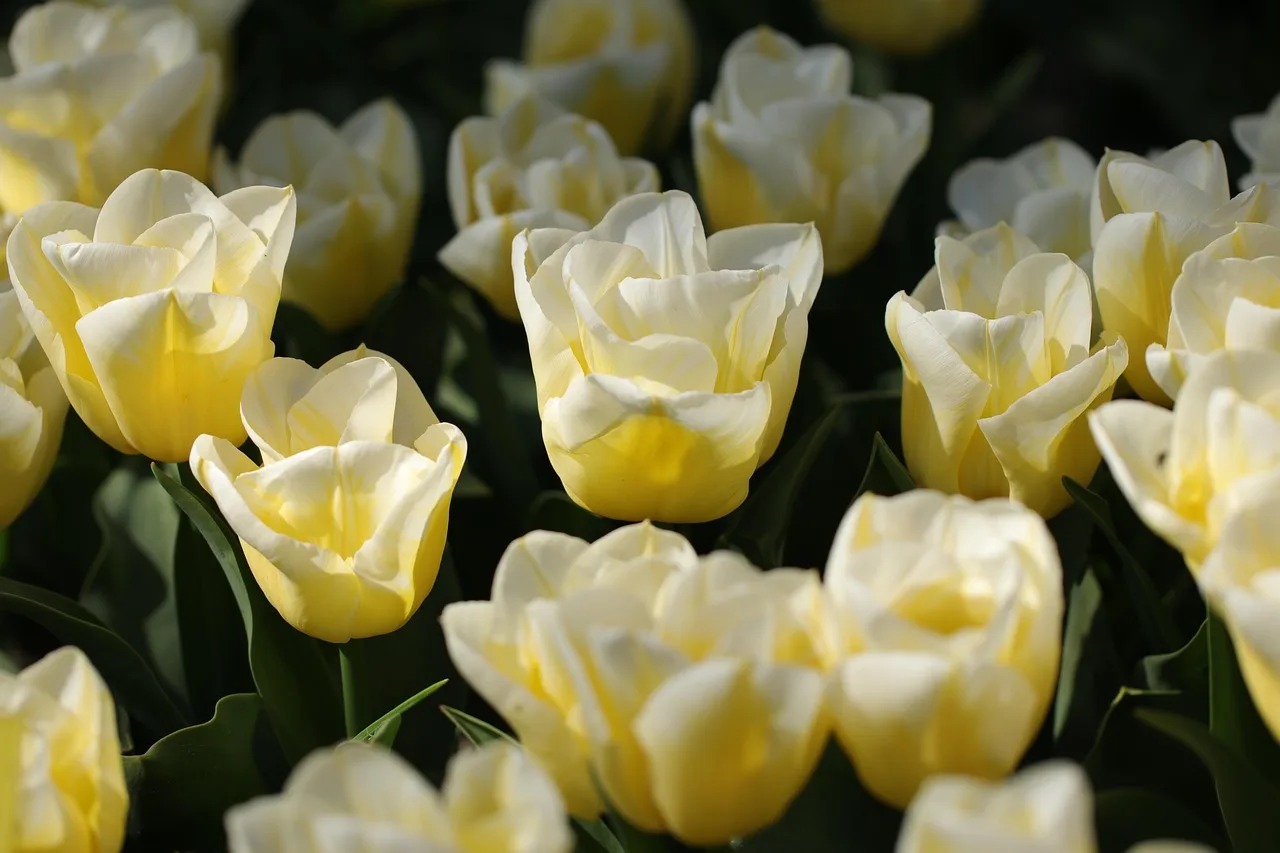
Bulb planting is placing dormant bulbs into soil at a planned depth and spacing so they can root, overwinter, and bloom on schedule. For spring-flowering types, the key variables are area, spacing, depth, and fall timing. A calculator keeps those inputs tied to a real bed size instead of a guess.
Frequently asked questions
How many bulbs do I need for my garden bed?
Measure the bed in square feet, choose a spacing or density, then add 10% to 15% extra for a regular bed or more for a curved one. A 50 square foot bed planted at 9 bulbs per square foot needs about 450 bulbs before overage. Irregular shapes need a little more.
How do I calculate bulb spacing?
Use center-to-center distance, not edge-to-edge gap. If you know the density, spacing can be estimated by reversing the grid formula: bulbs per square foot = 144 ÷ spacing squared in inches. A 4-inch spacing gives about 9 bulbs per square foot, which is common for many medium bulbs.
How many tulip bulbs per square foot?
Common ranges run from 5 to 12 tulip bulbs per square foot depending on cultivar size and the look you want. The same source lists tulips at 9 bulbs per square foot, which is a useful middle ground for a strong display. Larger tulips need more room than smaller species types.
How many daffodil bulbs per square foot?
Common ranges are 4 to 12 daffodil bulbs per square foot depending on cultivar and spacing goal. The same source lists daffodils at 9 bulbs per square foot. If you want a looser, long-term planting, use the lower end. For a denser spring show, choose the higher end.
How many crocus bulbs per square foot?
Crocus are small bulbs, so they can be planted much more densely than tulips or daffodils. The same source lists crocus at 25 bulbs per square foot. Other calculators use lighter spacing, so your final number should reflect whether you want a dense carpet, a mixed drift, or a longer-term naturalized look.