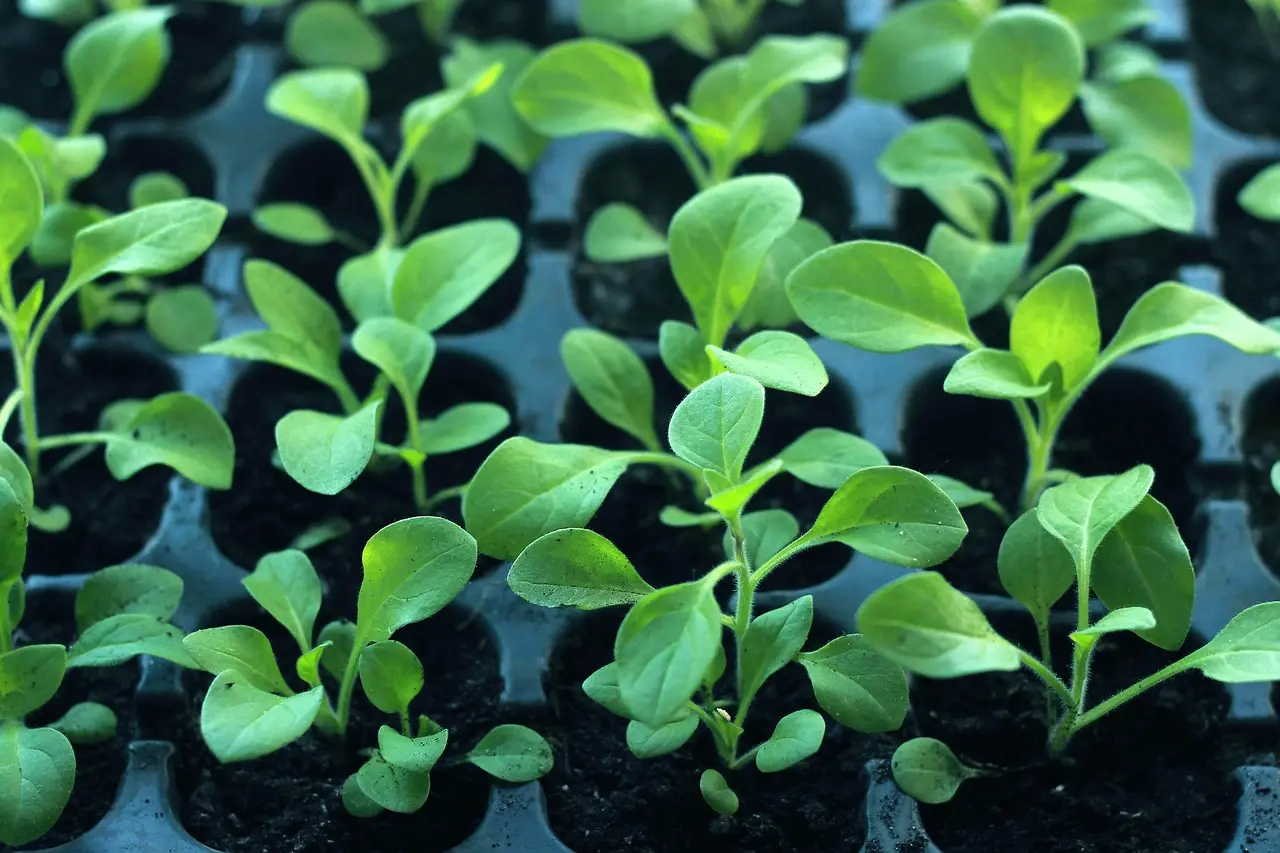
How to Repot Seedlings Into Larger Containers
Repot seedlings when the first true leaves are open and roots reach the pot edges or hold the root ball together. Move them into containers about 1 to 2 inches wider than the current root ball. If you wait too long or jump to a pot that is too large, growth can stall and roots can stay wet. This guide covers timing, pot size, and the safest transplant steps for moving seedlings into larger containers.
Seedlings into larger containers decision table


| Seedling stage | Next container size | Root clues | Aftercare steps | Failure case |
|---|---|---|---|---|
| Cotyledons only | Stay in the starter cell or plug | Roots should fill only the plug, not circle | Keep under bright light and maintain even moisture | Slow growers should stay put until true leaves open |
| First true leaves | 2-inch nursery pot or one-size-up cell pack | Root ball holds together when lifted | Water gently, then return to recovery light | Leggy seedlings may need deeper setting at transplant |
| Crowded roots or circling plugs | 3-inch or 4-inch nursery pot | Roots show through drainage holes or wrap the plug | Settle soil, then check moisture daily | Rootbound seedlings need faster pot-up and careful loosening |
| Leggy, rootbound, or slow seedlings | Pot only one size up, never oversized | Thin stem, unstable plug, or stalled top growth | Support the stem, keep the original soil line unless depth helps the crop, and reduce stress under light | Seedlings recovering from damping-off need drier surface mix and close monitoring |
When should you repot seedlings?
Repot when the seedling shows true leaves, the root ball holds together, or roots begin reaching the container edge. Do not use the calendar alone. Species-specific growth rate matters, so a fast tomato may need a move sooner than a slower pepper or herb.
True leaves and visible root fill are the key timing cues, not calendar days. Seedlings should be moved before roots become tight enough to circle heavily or dry out between waterings.
Use true leaves, not the calendar
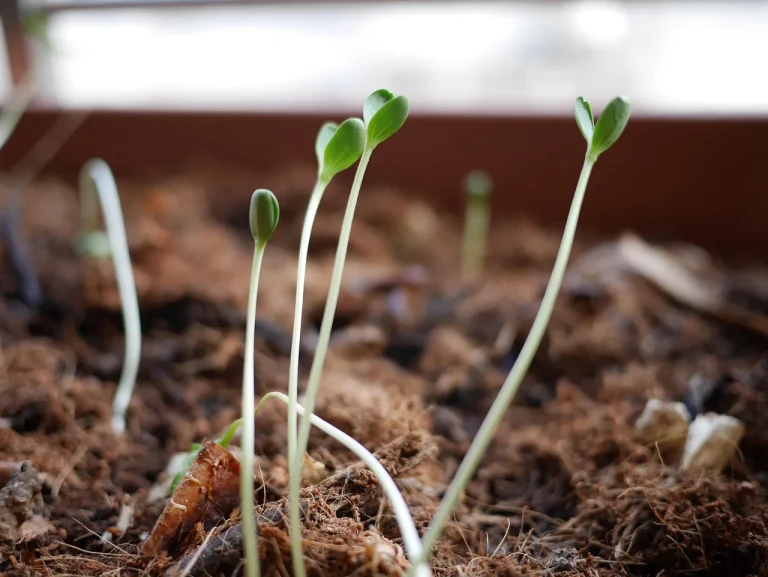
Cotyledons are the first seed leaves. They support early growth, but they are not the cue for potting up. Wait until true leaves appear, because that is when the seedling starts acting like a young plant rather than a germinating seed. This “true-leaf” stage is the standard cue used in garden guidance.
Watch the root ball and drainage holes
Roots growing through drainage holes are a sign a plant needs repotting. A firm plug that stays intact when you lift it also signals readiness. If the plug falls apart, give the seedling a little more time in the starter cell. Root fill that reaches the edges is a more reliable cue than stem height alone.
Match timing to species growth rate
Some crops outgrow starter cells very quickly. Others stay compact longer. Slow growers should not be moved just because one tray mate is ready. Seedling timing should follow root fill and top growth, not a fixed date. Tomatoes often move sooner than peppers or herbs because they outgrow small cells faster.
How do you identify rootbound seedlings?
Rootbound seedlings usually show roots circling the plug, emerging from drainage holes, or forming a dense mat that holds the shape of the cell. The top may stall even while the pot dries faster than expected. If the plant lifts out as a tight root mass, it is ready for a larger container.
Can seedlings move straight from tray to garden?
Some seedlings can go straight from a tray to the garden only if they are sturdy, weather-hardened, and large enough to handle outdoor conditions. Many indoor-started crops still need one or more pot-ups first. Seedlings should be hardened off, and tender plants usually transplant better after a brief container stage.
What you’ll need before you start
- Seed starting mix that is fine textured, sterile, moist but not soggy, and drains well
- Potting mix with air-holding ingredients, moisture retention, root support, and seedling-safe fertility
- 2-inch to 4-inch nursery pots or cell packs with drainage holes
- Dibber or planting tool for root holes and controlled lifting
- Watering can with a fine rose or a bottom-watering tray
- Plant labels for tracking crop type and timing
- Bright recovery spot or grow light with adjustable distance
The seed starting mix should stay light and clean around small roots. The potting mix can be a bit sturdier, but it still needs to drain predictably and hold enough air for new roots. If the mix stays soggy, seedlings lose oxygen and the chance of damping-off rises. A fine, airy mix also makes the root ball easier to lift intact.
Use the right light spacing during recovery
The grow light spacing should stay consistent after transplanting. Seedlings do best when the light is bright enough to prevent stretching but not so close that it scorches or dries the leaves. If you move the pot, keep the same distance that already worked to keep the seedlings compact without heat stress.
How do you repot seedlings safely?
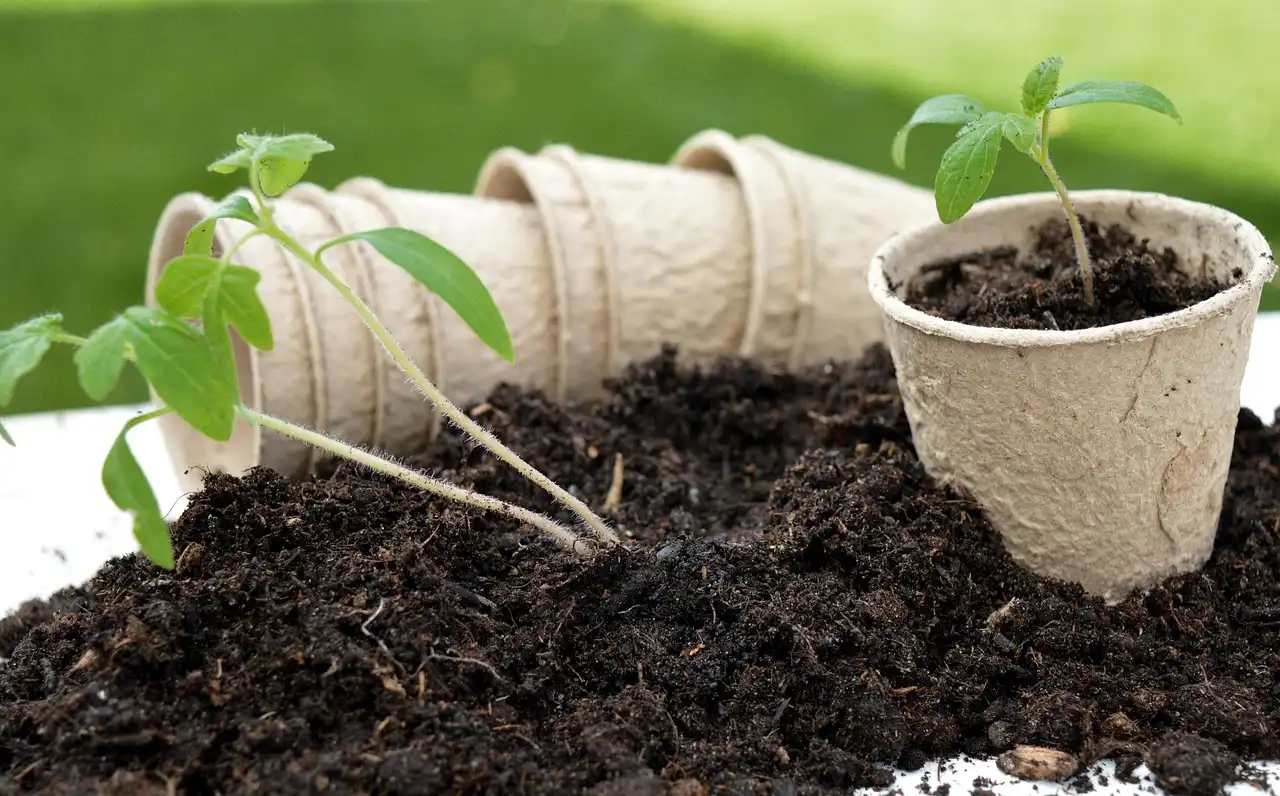
Moisten the mix first, lift the seedling by the plug, not the stem, and move it into a pot that is only one size up. Set it at the correct depth, firm the mix lightly, and water in carefully so the root ball settles without washing out. A dibber helps make the hole and keep the stem protected. University and garden guides consistently recommend handling the root ball, not the stem, to reduce transplant shock.
- Water the seedling mix so it is evenly damp, then let excess drain.
- Fill the new pot with fresh potting mix and press a planting hole first.
- Slide the dibber under the plug and lift from the root ball, not the stem.
- Set the seedling into the hole at the right depth and align the stem upright.
- Top up with 1/2 inch of mix at a time, then recheck the height.
- Firm the soil gently with fingertips to remove large air gaps.
- Water from the rim or use bottom watering until the mix is evenly moist.
- Return the pot to bright indirect light or the correct grow-light distance.
Say your tomato seedling has two true leaves and roots poking from the cell pack. Moving it into a 2-inch pot now gives the roots room without leaving a large wet zone around a tiny plug. The stem stays upright, and the plant can keep growing instead of stalling in a crowded cell.
How deep should seedlings go in the new pot?
Keep the original soil line for most seedlings. Burying too much stem can trap moisture against tissue that is not ready for it. A deeper set is useful only when the crop tolerates it, such as some leggy seedlings that can form roots along the buried stem. Botanical garden and seedling guides often advise keeping the crown above the mix unless the crop is known to root from buried stem tissue.
Keep the original soil line for most seedlings
For many crops, the safest move is to place the root ball at the same height it held in the starter cell. That keeps the crown dry and lowers the risk of stem rot. It also makes it easier to judge whether the seedling is sitting too deep. Shallow transplanting is especially useful for small, tender seedlings.
Bury extra stem only when the crop tolerates it
Some seedlings can handle a deeper planting because their stems root readily. Even then, avoid covering leaves. Leave the true leaves above the mix and use just enough depth to steady a long stem. That helps without forcing the plant into a wet pocket. Tomatoes are a common example of a crop that can handle a deeper set.
Support shallow roots without packing the mix
Press the mix lightly around the plug. Do not compress it hard. Roots need air as much as moisture, and dense packing can slow growth. The goal is contact, not compaction. A loose but settled mix gives roots oxygen while still anchoring the seedling.
What aftercare reduces transplant shock?
Water gently, give bright indirect light or the correct grow-light setup, and avoid strong fertilizer right away. Mild transplant shock can cause brief wilting or slowed growth. A few hours of droop is common, but persistent collapse or sunscald means the seedling needs less stress and steadier moisture. Good drainage and stable light help the plant recover without extra stress.
Water gently and let excess drain
Use a fine rose on a watering can or a bottom-watering tray. Both options settle the mix without blasting the stem. If the top stays soaked, pause and let the container drain fully before returning it to the tray. The goal is evenly moist roots, not saturated soil.
Give bright indirect light or correct grow-light spacing
Seedlings recovering from repotting should stay under bright indirect light or back under the grow light at the usual distance. Do not move them to a harsher window or closer lamp just because they look weak. Stable light helps the plant recover without extra stress, and steady spacing reduces leggy rebound growth.
Pause fertilizer unless the mix is very lean
Most seedlings do not need fertilizer immediately after potting up. A seedling-safe mix already provides modest fertility. If the mix is very lean, wait until new growth resumes before feeding lightly. Seed-company and extension guides typically advise delaying feeding until the plant is actively growing again.
Expect a short recovery period and monitor wilt
Many seedlings settle within a short recovery window, but exposed roots and environment changes can make them struggle after repotting. Keep a close eye on leaf angle, soil moisture, and stem firmness. If a seedling stays limp, reduce light intensity and check the root zone. Persistent wilt usually points to either poor drainage or root damage.
Do seedlings need fertilizer after transplanting?
Usually not right away. If the new mix already contains some fertility, let the seedling settle first and wait for fresh growth before feeding. If the potting mix is very lean, use a light feed only after the plant shows it is re-establishing. Too much fertilizer too soon can stress small roots.
Suppose a pepper seedling looks slightly wilted after moving from a 128-cell tray into a 3-inch pot. If the mix is moist, the most likely fix is steadier light and no extra water for a short stretch, not a second repotting. The plant usually adjusts once the roots grip the fresh mix.
Step checklist for transplanting seedlings
- Confirm true leaves are open and the root ball is ready.
- Choose a pot only one size up from the current root system.
- Moisten the mix before you lift the seedling.
- Handle the plug, not the stem.
- Set the seedling at the correct depth and firm lightly.
- Water gently, then drain and return to stable light.
- Hold fertilizer until new growth resumes.
Common mistakes
- Using pots that are too large: Extra soil stays wet too long around small roots. Stick to the one-size-up rule.
- Handling seedlings by the stem: The stem is sensitive. Lift from the plug or root ball instead.
- Overwatering after potting up: Wet, airless mix slows roots and raises damping-off risk. Water once, then recheck moisture later.
- Skipping drainage holes: Containers need drainage holes so excess water can escape.
- Placing seedlings in harsh light too soon: Recovery light should be bright but not punishing.
- Repotting too often: Frequent moves can increase transplant shock and slow growth.
Repotting helps give seedlings more root space and steadier moisture, but do it only when the seedling needs more room. Root handling and environment changes can slow growth, so the next pot should solve a real crowding problem, not just make the tray look tidier.
What if the seedling is leggy, rootbound, or recovering from damping-off?
Leggy seedlings usually need deeper support and better light after transplanting. Rootbound plugs need a gentle loosen at the outer edge before moving into fresh mix. Seedlings showing damping-off symptoms should be discarded rather than kept for recovery. Garden guidance generally favors minimal root disturbance in all three cases.
For a leggy plant, set the stem a little deeper only if the crop can root from buried stem tissue. For a rootbound plug, tease only the outer roots loose. For damping-off, use a clean pot with drainage holes, discard affected seedlings, and keep the area sanitary. If the plant is stalled, increase light quality before increasing fertilizer.
Frequently asked questions
When to transplant seedlings into larger containers?
Move seedlings when the first true leaves are open and the root ball holds together, or when roots start showing at the container edge or drainage holes. Do not wait for a set date. Fast growers may need the move sooner than slower crops.
How do I repot seedlings without damaging the roots?
Moisten the mix first, loosen the plug with a dibber, and lift from the root ball rather than the stem. Set the seedling into a pre-made hole, then backfill gently. Water with a fine rose or bottom-water so the new soil settles without blasting the roots. That sequence lowers shock and keeps roots intact.
What size pot should seedlings move into next?
Use a container about 1 to 2 inches wider than the current root ball, which is often a 2-inch to 4-inch nursery pot for the first move-up. Bigger is not better here. Small jumps keep the mix from staying wet around a tiny root system and help prevent stalled growth. Tomatoes, peppers, and herbs often fit this range early on.
Should I pot up seedlings one at a time or in groups?
Pot seedlings one at a time so each plug stays intact and each stem gets the right depth. Grouping works only after they are already established in individual containers. One-at-a-time handling reduces root disturbance and makes it easier to spot weak plants. It also helps you match each seedling to the correct pot size.
How wet should the seedling mix be before transplanting?
The mix should be evenly moist, not soggy. It should hold together when touched but should not drip water. That balance helps the plug stay intact during lifting and makes the new pot easier to settle without waterlogging the roots. A moist but airy plug is also less likely to fall apart.
How deep should I plant seedlings when repotting?
Keep the original soil line for most seedlings. Bury extra stem only when the crop tolerates it, and leave the true leaves above the mix. Deeper planting can help leggy seedlings, but it should not cover healthy leaves or pack wet soil against tender stems. The crown should stay clean and breathable.
How long do seedlings need to recover after repotting?
Recovery time varies by crop, size, and how much the roots were disturbed. Keep them under steady light, water only as needed, and avoid fertilizer at first. If wilting gets worse instead of better, check drainage, depth, and root damage. Faster recovery usually follows stable moisture and light.