How Many Seeds Should You Direct Sow vs Start Indoors?
For many crops, direct sow about 2–3 seeds per expected plant when conditions are reliable, and more like 3–5 seeds per plant when stands are patchy or pests are a concern; when starting indoors, sow some extra seed above your target transplant count, then thin to the strongest seedlings. Underseeded beds leave gaps, while overseeded trays waste space, potting mix, and time. I use this crop-risk framework to sort vegetables and flowers into direct sow, start indoors, and count the seed for each.
| Decision factor | How Many Seeds Should You Direct Sow | Start Indoors | Winner |
|---|---|---|---|
| Seed use per final plant | Usually 2–5 seeds per final plant, with more for uneven soil or pest pressure. | Usually 10–25% extra seed over the transplant target, then one strong seedling per cell. | Direct sow |
| Risk of root damage | Low, because the seed stays in the final bed. | Higher, because seedlings must be moved and handled carefully. | Direct sow |
| Fit for long-season crops | Poor when the crop needs a long head start before the last frost date. | Strong fit for tomatoes, peppers, and other tender, long-season crops. | Start indoors |
| Waste from timing errors | Higher if soil is cold or frost still threatens. | Higher if trays are started too early and outgrow the space. | Tie |
| Best use case | Cool soil, root-sensitive crops, large seeds, and beds that can be watched closely. | Short frost-free seasons, warm-season crops, and gardeners who need an earlier start. | Tie |
How many seeds do you really need per plant?

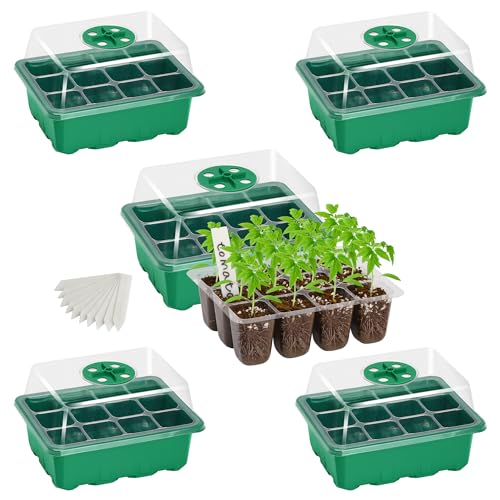


Start with the final plant count you actually want, then add seed for germination loss, thinning, and losses after transplanting. Direct sowing usually needs more extra seed per hole or spot than indoor starting, because each outdoor seed faces weather, soil crusting, and pests at once.
Use your target final plant count first
If a bed needs 12 lettuce plants, base the seed count on the plant target rather than on packet space. For direct sowing, extra seed covers misses and thinning. For indoor starting, the extra seed covers weak seedlings, empty cells, and any plants lost during hardening off or transplanting.
Add seeds for germination loss, thinning, and transplant loss
Direct sowing works best when I assume some seeds will never emerge. That is why 2–3 seeds per expected plant is a practical floor for dependable crops, while 3–5 seeds per plant fits crops with patchy germination or pest pressure.
Indoor starting changes the math. A tray can look full and still fall short after damping off, stretch, or transplant shock, so sowing 10–25% extra seed over the transplant target is a safer default than filling every cell with the exact final count.
Why the same crop needs different seed counts indoors and outdoors
The same crop can need fewer seeds indoors because the environment is controlled. It can also need more seed indoors if the grower is replacing weak seedlings or discarding extras to keep one strong plant per cell.
Outdoors, the seed is exposed to more variables at once. Soil temperature, moisture swings, birds, and crusted soil all raise the chance that a seed never becomes a plant.
When should you direct sow instead of starting indoors?
Direct sowing is the right choice for crops that dislike root disturbance, crops that germinate well in cool soil, and crops with large seed that resent handling. It also fits beds where I want to avoid transplant shock and cut tray work.
Crops that hate root disturbance
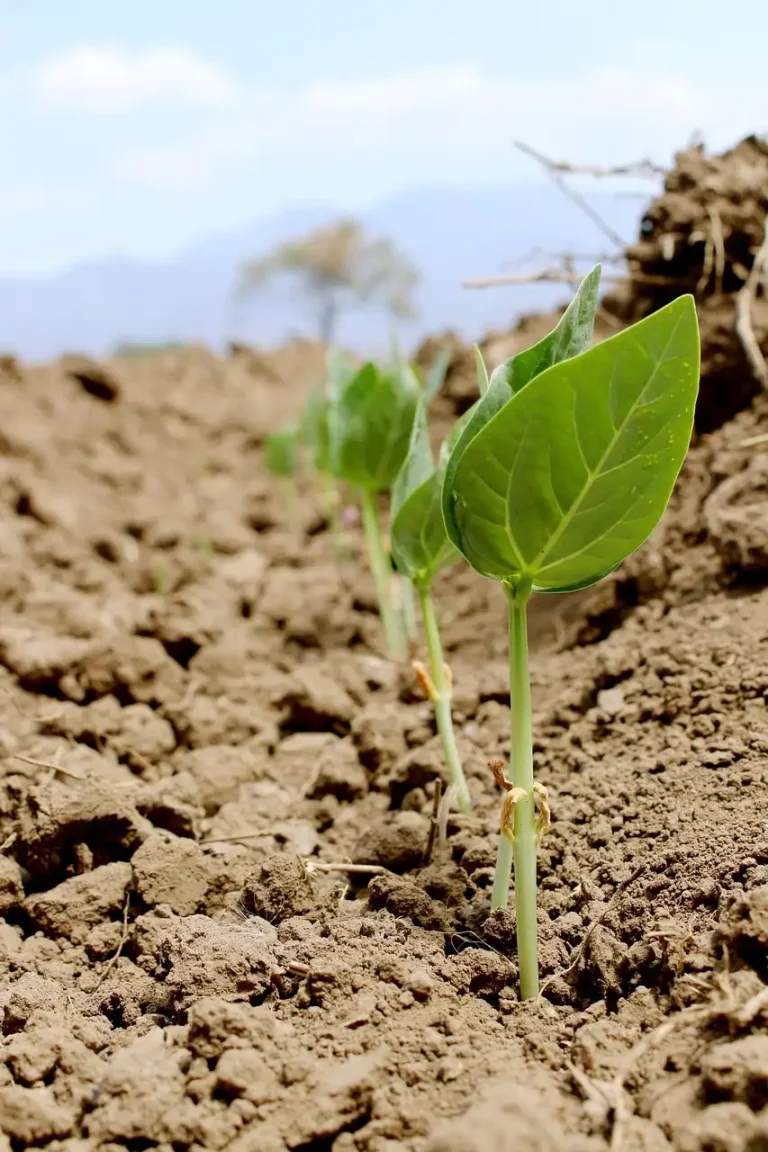
Root-sensitive crops are better direct-sown into their final rows or beds. Radishes are a clear example; they require direct sowing. Beans are planted as soon as frost danger has passed, and peas are commonly direct sown rather than moved from trays.
Cool soil, frost risk, and large seed size
Cool-season crops often handle early outdoor sowing well. Many cool season crops such as snow peas grow best when direct seeded, and peas should be sown one to two inches apart. Squash and corn are good examples of large-seeded crops that perform best when directly sown.
Direct sowing also fits short-season crops such as lettuce. Seed packets give a good idea of when to sow seed, but the final choice still comes back to soil temperature and frost timing.
Where row covers can extend direct sowing timing
Row covers or frost cloth can buy a little time when the last frost date is close but not fully past. They do not replace timing judgment, but they can protect newly sown seed and tiny seedlings from a late cold snap.
That protection matters most for crops that can be sown early but still need shelter in erratic spring weather. It is useful when the gardener wants the simplicity of direct sowing without gambling on a bare bed.
Which crops should you start indoors before transplanting?
Start indoors when the crop needs a longer growing window than the outdoor season can provide, or when it is tender enough that cold soil would slow it down too much. Tomatoes and peppers are the classic examples, and many gardeners use trays to get them moving before the last frost date.
Long-season warm-season crops
Long-season plants such as tomatoes and peppers are better started as transplants in many regions. Warm-season crops often need warmer soil and a longer run than spring offers, so indoor starting reduces delay in short frost-free seasons.
Melons are also commonly treated this way in colder regions. If outdoor soil stays cold, seeds can sit, rot, or emerge so slowly that the planting window is lost.
Seedlings that need a head start before the last frost date
The last frost date is the main timing marker for tender crops. Indoor sowing gives those seedlings a head start while outdoor beds remain too cold or too risky for open-ground planting.
That head start matters most when the outdoor window is short. It can turn a marginal harvest into a usable one, but only if the tray count is kept honest and the seedlings are not started too early.
Transplant handling that reduces root damage
Transplants need careful handling to avoid root damage. The closer the gardener can keep the root ball intact, the better the move from tray to bed goes, especially for crops that hate disturbance.
Indoor starting only pays off when the grower can move seedlings at the right size. Oversized plants, tangled roots, and delayed potting all raise the chance of shock after transplanting.
How do last frost date and soil temperature change the count?
The last frost date sets the calendar, but soil temperature decides whether the seed can actually move. Cold soil slows germination, and that delay raises waste outdoors more than it does in trays under stable conditions.
What to do when spring soil stays cold
When soil stays cold, direct sowing usually needs extra seed because more of it fails before emergence. In that situation, a gardener can either wait, use row covers, or switch tender crops to indoor starting for a cleaner count.
This is where packet guidance matters. The packet’s depth and light instructions are still the starting point, but soil warmth decides how much of that seed is likely to become a plant.
Why warm-season crops often waste seed if sown too early outdoors
Warm-season crops need warmer soil and longer growing windows. If they are sown too early outside, the seed may sit too long, the stand may be uneven, and the final plant count may fall short even when plenty of seed was used.
That is why tomatoes and peppers usually belong in trays first in colder regions. The seed count is lower per final bed position when the transplant route is used, but the trays must be monitored so the extra seed does not turn into extra waste.
How to time tender seedlings for outdoor planting
- Find the last frost date for the garden site.
- Count backward for indoor sowing based on crop type and packet guidance.
- Wait to move tender seedlings outside until frost danger has passed.
- Harden off seedlings before planting them into the bed.
- Use row covers if a late cold night still looks possible.
Crop-by-crop guide: direct sow vs indoor starting

The right seed count changes with crop behavior. Direct-sown crops need more seed to cover misses, while indoor-started crops need more seed only to cover tray losses and transplant losses. The table below maps common crops to a practical seed-count range and the main reason behind each choice.
| Crop | Method | Germination risk | Thinning need | Transplant sensitivity | Expected final plants | Seed count guidance |
|---|---|---|---|---|---|---|
| Peas | Direct sow | Moderate in cold, wet soil | Light thinning if clustered | High | 1 strong vine or row plant per site | 2–3 seeds per final spot; sow one to two inches apart |
| Beans | Direct sow | Moderate if soil is cold | Usually light | High | 1 plant per hill or spacing point | 2–4 seeds per final spot after frost danger has passed |
| Spinach | Direct sow | Moderate | Often needed | High | Dense leaf harvest | 3–5 seeds per planting point; can be sown densely in rows, raised beds, or containers |
| Radishes | Direct sow | Low to moderate | Often needed | Very high | 1 root per final space | 2–3 seeds per spot; thin early |
| Lettuce | Direct sow or indoor start | Moderate | Often needed | Moderate | Loose leaves or heads | 2–4 seeds per final plant outdoors; 1–2 seeds per cell indoors, then thin |
| Tomatoes | Start indoors | Low in trays, higher outdoors too early | Needed in trays | Moderate | 1 transplant per site | 1–2 seeds per cell; sow 10–25% extra cells over target transplants |
| Peppers | Start indoors | Low in trays, high in cold soil | Needed in trays | Moderate | 1 transplant per site | 1–2 seeds per cell; plan extra for weak starts |
| Squash | Direct sow or brief indoor start | Moderate outdoors; medium indoors | Usually light | High if roots are disturbed | 1 plant per hill or space | 2–3 seeds per spot outdoors; keep only the strongest seedling |
| Corn | Direct sow | Moderate | Often minimal | High | One strong stalk in a block | 2–4 seeds per spot; thin to final stand |
| Zinnia, cosmos, marigold, spider flower, amaranth | Direct sow | Moderate | Often needed | High | 1 flowering plant per final spot | 2–4 seeds per spot after a week of no freezes |
Vegetables that are usually direct sown
Direct-sown vegetables are the ones that usually resent root disturbance or germinate well in place. Peas, beans, spinach, and radishes fit that pattern, and squash and corn are common large-seeded examples. Direct sowing also keeps the seed count simpler because the final plant is often thinned from a small cluster.
Vegetables that are usually started indoors
Tomatoes and peppers belong in trays first in many regions because they need a longer season than the outdoor weather allows. Indoor sowing lowers the risk of cold-soil failure and makes it easier to hit the target transplant count once the last frost date passes.
Flowers and herbs with similar seed count rules
Annual flowers like zinnias, cosmos, marigolds, spider flower, and amaranth can be direct sown after a week of no freezes. Their seed count should still account for misses and thinning, especially in windy beds or crusting soil.
Herbs follow the same logic. Small-seeded herbs may need surface placement if the packet says they need light, while larger-seeded herbs usually want a light cover of soil.
How to turn one packet into the right number of plants
A seed packet is a starting point, not a final planting plan. The gardener should convert packet seed into final plant count by deciding the method first, then adding for germination loss, thinning, and the expected loss rate of transplants.
Adjust for germination rate
For direct sowing, add extra seed per spot because not every seed will sprout. In practical terms, that usually means 2–3 seeds for a dependable plant and 3–5 seeds where germination is uneven or pests are likely.
For indoor starting, the same crop may need fewer seeds per cell because the environment is controlled. But the tray still needs a buffer, because a few cells may fail or produce weak seedlings that are not worth planting out.
Adjust for thinning and spacing
Many crops germinate in clusters and then need thinning. That is normal, not wasted work. It is the reason spinach can be sown densely, while peas are spaced one to two inches apart and then adjusted for the strongest stand.
Spacing and seed count should be treated as a pair. Too much seed in one spot creates crowding, while too little seed leaves thin patches that never fill in properly.
Adjust for transplant survival
Indoor starting should always assume a few seedlings will be lost before they reach the bed. That is why sowing 10–25% extra seed over the transplant target is a sensible starting point, especially for gardeners who are still learning to harden off seedlings without setback.
Overstarting is a different problem. Too many trays lead to crowded seedlings, damping off, and wasted mix and space. The goal is not maximum tray fill; it is the number of healthy transplants needed for the bed.
What goes wrong when you sow too many or too few seeds?
Sowing too many seeds creates crowding, weak seedlings, and extra thinning work. Sowing too few leaves bare spaces in beds or empty cells in trays, which wastes space and can leave the final harvest short of the target count.
Overcrowding in beds and trays
In beds, overcrowding means seedlings compete for light, moisture, and nutrients. In trays, it means leggy starts and tangled roots. Either way, the final plant count may look good early and still underperform once the weakest plants are removed.
Damping off in crowded indoor trays
Crowded indoor trays stay wetter around the stems and crowns. That raises the chance of damping off and other early seedling failures. It also creates wasted plug trays when a gardener starts far more plants than the garden can hold.
Wasted seed from poor timing or cold soil
Outdoor seed waste often comes from timing errors, not from bad seed counts alone. If the soil is cold and the crop is warm-season, the seed may sit too long. If frost still threatens and there is no cover, the planting can fail even when the count was generous.
Choose how many seeds you direct sow if…
Choose direct sowing if the crop dislikes root disturbance, the soil is workable, and the garden can wait until frost danger has passed or be protected with row covers. It is the better fit for peas, beans, spinach, radishes, corn, squash, and many annual flowers.
Choose start indoors if…
Choose indoor starting if the crop is warm-season, long-season, or needs a head start before the last frost date. Tomatoes and peppers are the clearest examples. It is also the better choice when the outdoor soil stays cold long enough to waste seed or shorten the growing window.
Frequently asked questions
Which seeds should I direct sow instead of starting indoors?
Direct sow crops that dislike root disturbance or do not gain much from tray time. Peas, beans, radishes, spinach, corn, and many large-seeded crops fit that pattern. If the soil is cold but the crop tolerates cool conditions, direct sowing still often beats moving seedlings later.
Which vegetables should I start indoors before transplanting?
Start indoors any vegetable that needs warmth or a long run before harvest, especially tomatoes and peppers. In colder regions, melons also benefit from a head start. Indoor starting is most useful when the last frost date arrives too late for outdoor seed to finish in time.
What crops hate root disturbance?
Root-sensitive crops are the ones that usually suffer when moved. Radishes are not good transplant candidates, and peas and beans are commonly better kept in place. Corn and squash are also better handled by direct sowing in many gardens because their roots and early growth dislike disturbance.
Which seeds can be sown directly after the last frost?
Beans are planted as soon as frost danger has passed, and many warm-season annuals can go in after a frost-free stretch. Zinnias, cosmos, marigolds, spider flower, and amaranth can be direct sown after a week of no freezes. Direct sowing still works best when soil is warm enough to keep germination moving.
Can I direct sow peas, beans, spinach, and radishes?
Yes. Peas are commonly direct sown four to six weeks before the last frost, beans go in after frost danger has passed, spinach can be sown densely in rows, raised beds, or containers, and radishes require direct sowing. These crops are usually easier to count in place than in trays.
Can I start corn indoors or should it be direct sown?
Corn is usually better direct sown. It is one of the large-seeded crops that performs best when planted where it will stay, and transplants can be touchy if roots are disturbed. If soil is cold, waiting or using protection is usually cleaner than starting corn far ahead indoors.