When To Plant Blanket Flower Seeds
Blanket flower, or Gaillardia, is a vibrant perennial beloved by gardeners for its long-lasting, daisy-like blooms and remarkable drought tolerance. Whether you’re hoping to add bold color to a sunny border, attract pollinators, or establish a low-maintenance wildflower patch, knowing when to plant blanket flower seeds is critical for success. Timing affects not just germination rates but the overall health, vigor, and blooming potential of your blanket flowers for seasons to come.
Many home gardeners rush seed planting without considering regional climates, soil temperatures, or the particular germination needs of Gaillardia. However, a strategic approach, factoring in your USDA Hardiness Zone, seasonal weather patterns, and your garden’s unique microclimate, can make all the difference. This guide offers a comprehensive, data-backed roadmap for timing your blanket flower seed sowing, whether you’re starting indoors, sowing directly outdoors, or aiming for perennial blooms in future years.
Key Takeaways
- Blanket flower seeds can be sown indoors or outdoors, with timing adjusted to your local climate and goals.
- The ideal window for outdoor sowing is typically spring after the last frost or fall in mild climates.
- Indoor sowing 6, 8 weeks before the last frost offers earlier blooms and stronger seedlings.
- Soil temperature, moisture, and sunlight are critical factors for successful germination.
- Blanket flowers are drought-tolerant but require good drainage for healthy establishment.
- Adjust planting schedules based on your USDA Hardiness Zone for best results.
Understanding Blanket Flower Growth And Bloom Cycles
Life Cycle Overview
Blanket flower is primarily grown as a short-lived perennial in USDA Zones 3, 10, but it can also be cultivated as an annual in colder areas. From seed, Gaillardia typically flowers in its first season if started early indoors or sown in mild climates. Flowers appear from early summer through fall, with each bloom lasting for weeks and attracting bees, butterflies, and other pollinators.
Seed Germination Requirements
Gaillardia seeds are known for their rapid germination, often sprouting in 7, 14 days when provided with consistent moisture and warm soil temperatures (68, 75°F). Lightly covering the seeds, no more than 1/8 inch deep, helps prevent desiccation while allowing necessary light for germination. Overly deep planting or soggy soils can severely reduce seedling survival.
Dormancy And Overwintering
In regions with cold winters, blanket flower plants die back to their root crowns, surviving as perennials if soil drainage is good. Seeds sown in fall may remain dormant until spring, germinating as temperatures rise. Understanding this dormancy cycle allows gardeners to synchronize seed sowing with natural growth patterns for optimal establishment.

Credit: www.youtube.com
Regional Timing: When To Plant Blanket Flower Seeds By Zone
Usda Hardiness Zone Comparison Table
Planting timing for blanket flower seeds varies significantly by region. The following table summarizes optimal sowing windows based on USDA Hardiness Zones:
| USDA Zone | Indoor Sowing | Outdoor Sowing (Spring) | Outdoor Sowing (Fall) |
|---|---|---|---|
| 3, 5 | 6, 8 weeks before last frost (Feb, Mar) | After last frost (late May, early June) | Not recommended; risk of winter kill |
| 6, 7 | 6, 8 weeks before last frost (Feb, Mar) | After last frost (April, May) | Late Sept, Oct for natural stratification |
| 8, 10 | 6, 8 weeks before last frost (Jan, Feb) | After last frost (Feb, Mar) | Late Oct, Nov in mild climates |
Spring Sowing
In most climates, spring sowing immediately after the last frost date ensures rapid germination and strong seedling growth. Soil temperatures should consistently reach at least 65°F. This method is especially reliable in Zones 4, 7, where late frosts are common.
Fall Sowing
Fall sowing works well in Zones 6 and above, taking advantage of natural stratification as winter temperatures prepare seeds for spring germination. This approach often produces more robust plants but carries a risk of winter kill in colder areas.
Indoor Vs. Outdoor Sowing
Starting seeds indoors allows gardeners to control temperature, moisture, and light, resulting in earlier blooms and fewer losses. Outdoor sowing, by contrast, is less labor-intensive but exposes seeds to weather variability and pests.

Credit: sowrightseeds.com
Step-by-step Guide To Sowing Blanket Flower Seeds
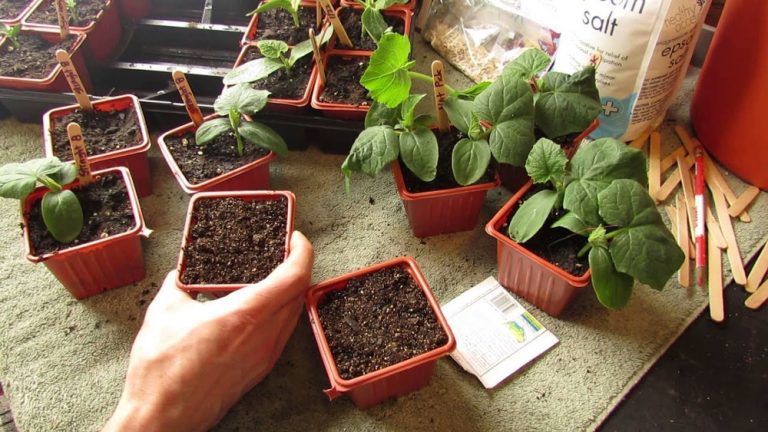
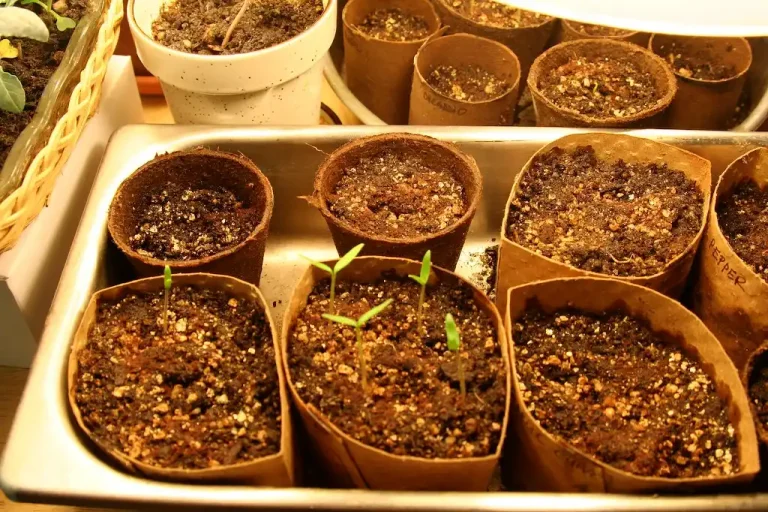
Indoor Seed Starting
- Timing: Start seeds 6, 8 weeks before your region’s last expected frost.
- Materials Needed:
- Seed trays or small pots with drainage
- Sterile seed-starting mix
- Clear plastic dome or plastic wrap for humidity
- Grow lights or a south-facing window
- Sowing Method:
- Moisten the seed starting mix and fill trays.
- Sprinkle seeds on the surface, lightly pressing them into the soil.
- Mist with water and cover with a dome to retain moisture.
- Place in a warm (68, 75°F) location with indirect sunlight.
- Care:
- Remove cover once seeds sprout.
- Provide 14, 16 hours of light daily.
- Transplant outdoors after hardening off, when risk of frost has passed.
Outdoor Direct Sowing
- Site Selection: Choose a spot with full sun and well-drained soil.
- Soil Preparation: Loosen soil to a depth of 2, 3 inches and remove weeds.
- Seed Placement: Scatter seeds evenly, lightly covering with 1/8 inch of soil.
- Watering: Keep soil consistently moist until seedlings emerge.
- Thinning: Once seedlings have 2, 3 true leaves, thin to 12, 18 inches apart.
Pro Tip:
For heavy clay soils, amend with sand or compost to improve drainage and prevent root rot, a leading cause of Gaillardia seedling failure.
Case Example: Spring Indoor Sowing Success
In my experience, starting blanket flower seeds indoors in late February in Zone 5 produced healthy transplants ready for outdoor planting by mid-May. These plants flowered in their first summer and persisted for three years with minimal care.

Credit: coresourcetech.com
Soil, Sun, And Water: Creating Ideal Conditions
Soil Requirements
Blanket flowers thrive in moderately fertile, well-drained soils with a pH between 6.1 and 7.5. They tolerate poor, sandy soils better than heavy or waterlogged earth. Overly rich soils can lead to leggy growth and fewer blooms.
- Amendments: Incorporate coarse sand, perlite, or compost if drainage is poor.
- Testing: Use a soil test kit to check pH and amend as needed.
Sunlight
Full sun is essential for vigorous blooming and compact growth. At least 6, 8 hours of direct sunlight daily is ideal. Shade reduces flower production and increases susceptibility to fungal diseases.
Watering
While drought-tolerant once established, seedlings require consistent moisture. Avoid soggy conditions, which can promote damping-off disease.
- Water deeply but infrequently once plants are established.
- Mulch lightly to conserve soil moisture and suppress weeds.
Data Table: Blanket Flower Vs. Other Drought-tolerant Annuals
| Plant | Drought Tolerance | Soil Preference | Bloom Duration |
|---|---|---|---|
| Blanket Flower | Excellent | Well-drained, sandy or loam | Early summer, fall |
| Coreopsis | Good | Average, well-drained | Early summer, mid summer |
| California Poppy | Very good | Poor, sandy | Spring, early summer |
Example: Poor Drainage Pitfall
A gardener in Zone 6 planted Gaillardia seeds in a low-lying clay bed in early spring. Despite adequate sun, seedlings failed to thrive due to persistent soil moisture, highlighting the importance of site selection and drainage.
Managing Germination And Early Seedling Growth
Germination Challenges
Gaillardia seeds require both light and moisture to germinate. Covering seeds too deeply or allowing the soil surface to dry out during germination is a common cause of failure. Seeds may also be vulnerable to birds and soil-borne fungi.
Seedling Thinning And Transplanting
Crowded seedlings compete for light and nutrients, leading to weak growth. Thin seedlings as soon as they can be handled, aiming for 12, 18 inches between plants.
- Transplanting: Harden off indoor-grown seedlings by gradually exposing them to outdoor conditions over 7, 10 days before planting in the garden.
Pest And Disease Management
Young blanket flower seedlings are rarely troubled by pests but can suffer from damping-off (a fungal disease) if overwatered or crowded. Use sterile seed-starting mixes and water seedlings from the base to minimize risk.
Case Study: Overcrowding Consequences
A community garden group sowed blanket flower seeds densely in a raised bed. Failure to thin seedlings resulted in elongated, weak plants with poor bloom density. In future seasons, proper spacing dramatically improved plant health and flower production.
Blanket Flower In Mixed Plantings And Wildflower Gardens
Companion Planting
Blanket flowers pair beautifully with other sun-loving perennials such as coneflowers, black-eyed Susans, and Russian sage. Their bold colors and similar cultural needs make them excellent for mixed borders and pollinator habitats.
- Best companions: Coreopsis, salvia, lavender, yarrow, and ornamental grasses.
- Avoid: Shade-loving or water-demanding species like hostas or astilbe.
Wildflower Meadows
For naturalized wildflower gardens, blanket flower seeds can be mixed with native prairie species for a long season of bloom and increased biodiversity. Broadcast seeding in fall or early spring works well, especially if the site is prepared by removing existing turf and lightly raking the soil.
Maintenance In Diverse Plantings
While Gaillardia is low-maintenance, deadheading spent blooms can extend the flowering period and prevent excessive self-seeding. In wildflower meadows, allow some seed heads to mature for natural reseeding.
Example: Pollinator Patch Success
A school installed a pollinator garden with blanket flower as a centerpiece, surrounded by milkweed, bee balm, and native grasses. The result was a thriving habitat that attracted butterflies, native bees, and even hummingbirds within the first season.
Troubleshooting Blanket Flower Establishment
Poor Germination
If germination rates are low, review:
- Sowing depth (should be less than 1/8 inch)
- Soil temperature (must be above 65°F)
- Moisture (avoid both drought and saturation)
Replace old seed with fresh stock and consider using a humidity dome for indoor sowing.
Leggy Seedlings
Insufficient light results in tall, spindly seedlings. Provide supplemental grow lights if starting seeds indoors, and thin out overcrowded seedlings promptly.
Transplant Shock
Seedlings may wilt or stop growing after transplanting due to sudden exposure to wind, sun, or cool nights. Harden off seedlings gradually, and water deeply immediately after planting out.
Pest Issues
While rarely a problem, seedlings may be nibbled by slugs or snails. Use barriers or hand-pick pests as needed.
Example: Rescue From Transplant Shock
A gardener in Zone 7 noticed severe wilting after moving indoor-grown seedlings to a sunny bed. By shading the plants for several days and watering regularly, most plants recovered and resumed growth.
Maximizing Bloom And Reseeding Potential
Encouraging Early And Abundant Flowers
- Indoor sowing enables earlier and more prolific blooms.
- Deadhead regularly to extend flowering.
- Fertilize only if soil is very poor; excessive nutrients reduce bloom density.
Self-seeding And Naturalization
Blanket flower freely self-seeds when allowed. To encourage naturalization:
- Leave some seed heads in place after flowering.
- Minimize mulch in areas where you want reseeding.
- Avoid using pre-emergent herbicides.
Second-year And Perennial Blooms
Though Gaillardia can flower in year one, plants are typically more robust and floriferous in their second and third years. In mild climates, fall sowing leads to stronger second-year plants.
Data Table: Bloom Timing By Sowing Method
| Sowing Method | First Bloom (Typical) | Bloom Duration |
|---|---|---|
| Indoor Sowing (Spring) | Early to mid-summer (Year 1) | 4, 5 months |
| Outdoor Sowing (Spring) | Mid to late summer (Year 1) | 3, 4 months |
| Outdoor Sowing (Fall) | Late spring to early summer (Year 2) | 4, 5 months |
Pro Tip:
If you want a continuous display, stagger sowing dates and allow some plants to self-seed while deadheading others.
Advanced Tips For Blanket Flower Seed Success
Seed Stratification For Difficult Germination
For older or slow-to-germinate seed, cold stratification can improve results. Place seeds in a moistened paper towel inside a plastic bag and refrigerate for 2, 4 weeks before sowing.
Maximizing Pollinator Attraction
Plant blanket flowers in clusters rather than single rows. Diverse, dense groupings are proven to attract more pollinators, boosting both your flower yield and garden biodiversity.
Sustainable Gardening
As a native North American wildflower, Gaillardia supports local ecosystems. Limit pesticide use and opt for organic mulches to maintain a healthy, resilient garden.
Example: Organic Wildflower Meadow
A landscape designer in Texas incorporated blanket flower into a 1-acre prairie restoration, using fall sowing and no synthetic chemicals. By year three, the meadow hosted dozens of butterfly species and required no supplemental watering.
External Resource
For more on wildflower meadow establishment, see the USDA Forest Service Wildflower Program.
Frequently Asked Questions
What Pests Or Diseases Commonly Affect Blanket Flower Seedlings?
While Gaillardia is generally pest-resistant, seedlings may occasionally be attacked by cutworms, which sever stems at the soil line, or fungal pathogens like Alternaria leaf spot. Organic controls include beneficial nematodes for soil-borne pests and neem oil sprays for foliar diseases. Regularly inspect seedlings, remove affected plants promptly, and avoid overhead watering to reduce fungal risks.
How Can I Collect And Store Blanket Flower Seeds For Future Planting?
Allow flower heads to dry on the plant until seeds are easily released from the cone. Harvest on a dry day, separate seeds from chaff, and store in a labeled paper envelope in a cool, dry place. For maximum viability, use seeds within two years and avoid plastic bags, which can trap moisture and promote mold.
Are Blanket Flowers Deer-resistant?
Yes, blanket flowers are considered deer-resistant due to their hairy, aromatic foliage, which is less palatable to deer and rabbits. However, no plant is entirely immune; heavy browsing pressure may still cause some damage, especially to young seedlings.
Can I Grow Blanket Flowers In Containers?
Blanket flowers adapt well to container gardening if provided with at least a 12-inch deep pot and well-draining soil. Use a gritty mix, water only when the top inch is dry, and place containers in full sun. Container-grown plants may need winter protection in colder zones, as their roots are more exposed to freezing temperatures.
How Can I Ensure Long-term Perennial Success With Blanket Flowers?
For best longevity, plant in well-drained soils, avoid excessive fertilizer, and divide mature clumps every 2, 3 years to maintain vigor. Mulch lightly in winter only in the coldest zones, and avoid heavy, wet mulches that promote rot. Select disease-resistant cultivars if available, and monitor for root rot in humid or rainy climates.
References And Additional Resources
- Wikipedia: Gaillardia
- USDA Forest Service Wildflower Program
Blanket flower is a rewarding addition to any sunny garden, offering months of color with minimal care. By carefully timing your seed sowing and creating optimal conditions, you’ll enjoy vibrant blooms and thriving pollinators year after year. Whether you’re a novice or an experienced gardener, the right planting window is the key to Gaillardia success.