What Is the Gardening Plant Zone for St. George Utah? Mapped Out
St. George, Utah, sits in the heart of the American Southwest—a region known for its vibrant red rock landscapes, sunny days, and unique gardening challenges. For local gardeners, understanding the gardening plant zone is a crucial first step to successful landscaping, vegetable cultivation, or ornamental gardening. The plant zone provides invaluable insight into which plants will thrive, which need extra care, and when to sow or harvest. Whether you’re a seasoned horticulturist or a beginner eager to transform your backyard, mapping out St. George’s plant zone unlocks the secrets to flourishing gardens in this distinctive climate.
Why does the plant zone matter so much in St. George? The city’s semi-arid climate, extreme summer heat, and mild winters create a micro-environment unlike much of the rest of Utah. This means many traditional gardening guides don’t apply here—making local plant zone knowledge even more vital. In this article, you’ll discover the exact plant zone for St. George, how it’s mapped, what it means for your gardening ambitions, and actionable strategies for maximizing plant success in this unique region. Dive in to unlock the power of plant zones and get practical, expert-backed advice tailored to St. George, Utah.
Key Takeaways
- St. George, Utah is located in USDA Plant Hardiness Zone 8b.
- The plant zone determines which plants can survive and thrive based on minimum winter temperatures.
- Local microclimates and urban heat islands impact gardening success within Zone 8b.
- Strategic plant selection and care methods are essential for optimal growth in St. George.
- Real-world examples illustrate how gardeners adapt and flourish within this zone.
- Understanding plant zones helps maximize yield and minimize risk in this unique climate.
Understanding Gardening Plant Zones
Gardening plant zones, also known as USDA Plant Hardiness Zones, are an essential tool for gardeners and landscapers across the United States. These zones are determined by the average annual minimum winter temperature of a specific region. The USDA divides the country into 13 zones, each representing a 10°F difference in minimum temperatures, further subdivided (e.g., 8a, 8b) for more precise guidance.
What Are Usda Plant Hardiness Zones?
The USDA Plant Hardiness Zone Map is the primary reference for gardeners seeking plant suitability information. Each zone helps predict how well specific plants will survive the winter. For example, a plant rated for Zone 8b should tolerate winter lows between 15°F and 20°F. This information is vital for selecting perennials, trees, shrubs, and even annuals.
- Zones range from 1 (coldest) to 13 (warmest)
- Each zone is divided into ‘a’ and ‘b’ subzones for greater accuracy
- Updated maps incorporate climate change and urban heat effects
Example: If a plant tag says “Hardy to Zone 8,” it means the plant is expected to survive winter temperatures as cold as 10°F. But in St. George, Zone 8b, you can often push the boundaries with protection and microclimate strategies, enabling you to grow plants from slightly warmer zones.
Why Are Plant Zones Important?
Plant zones provide a science-based framework for making gardening decisions. By matching plants to their recommended zone, gardeners reduce risk of winter damage, improve survival rates, and optimize growth. In regions like St. George, where temperature extremes and microclimates are common, this information is even more critical.
- Prevents planting unsuitable species
- Maximizes garden longevity and productivity
- Guides timing for planting and harvesting
Expanded Example: Consider a gardener who wants to plant a Japanese maple, typically hardy in colder zones. In St. George’s Zone 8b, this species may suffer from summer heat stress, even if it survives winter. Understanding the zone helps gardeners choose alternatives—like desert willow or palo verde—that will thrive in both winter and summer conditions.
Limitations And Considerations
While zones are valuable, they don’t account for summer heat, precipitation, soil type, or microclimate variations. For St. George, supplemental considerations—such as irrigation, shade, and wind protection—are essential due to the region’s unique conditions.
- Not all plants respond solely to minimum temperatures
- Microclimates can alter zone effects within a single city
- Local experience and experimentation remain important
Additional Detail: For example, St. George’s intense summer heat means some “zone 8” plants may still fail if they aren’t heat-tolerant. Conversely, with proper irrigation and soil amendments, some zone 9 plants can be grown successfully, especially in protected spots.
How To Use Plant Zone Information
Successful gardeners use zone information as a starting point, not a strict rule. Combining zone data with local knowledge, soil assessments, and plant-specific requirements leads to the best results. Many St. George gardeners consult both the USDA map and local extension services for tailored advice.
Expanded Tip: Before planting, check not only the plant’s zone rating but also its water requirements, sun tolerance, and soil needs. Visit local nurseries for advice, as they stock plants proven to thrive in St. George’s climate.

St. George, Utah: Plant Zone Mapped
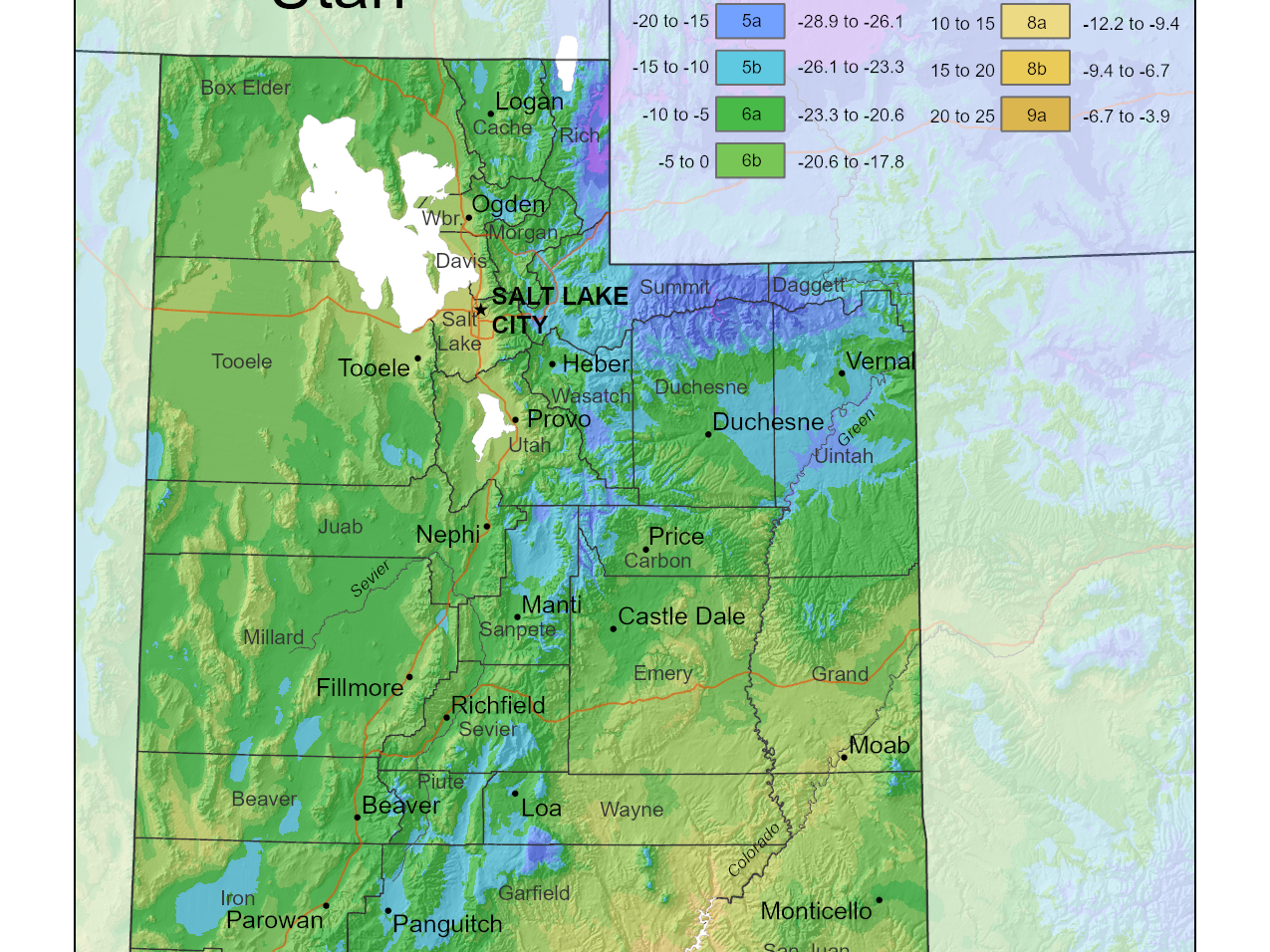
St. George stands out as one of Utah’s warmest cities, making its plant zone distinctly different from much of the state. The most recent USDA map identifies St. George as Zone 8b, with average minimum winter temperatures between 15°F and 20°F.
Zone 8b: Climate Overview
Zone 8b represents a relatively mild winter climate, rare in Utah but common in parts of the Southwest and southern states. St. George’s annual minimum temperature has steadily increased, reflecting broader climate trends and local urban heat effects.
- Average minimum winter temperature: 15°F to 20°F
- Average summer highs: 100°F+ during peak summer months
- Annual precipitation: Approximately 8 inches (National Weather Service)
- Growing season: Typically March to November
Additional Example: While the growing season is long, gardeners must be prepared for quick temperature changes—spring nights can still dip below freezing, and fall can bring sudden heat waves.
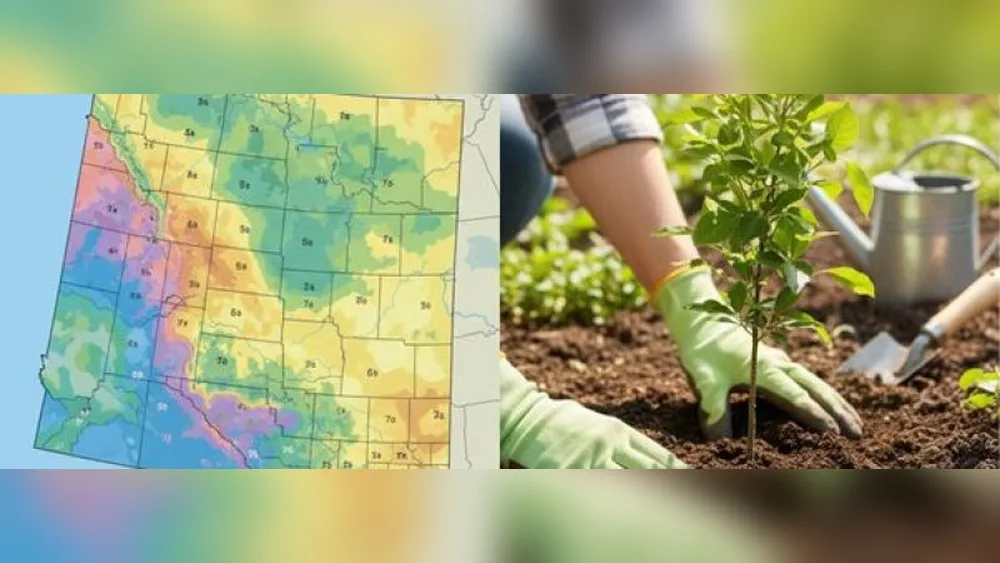
Mapping St. George’s Plant Zone
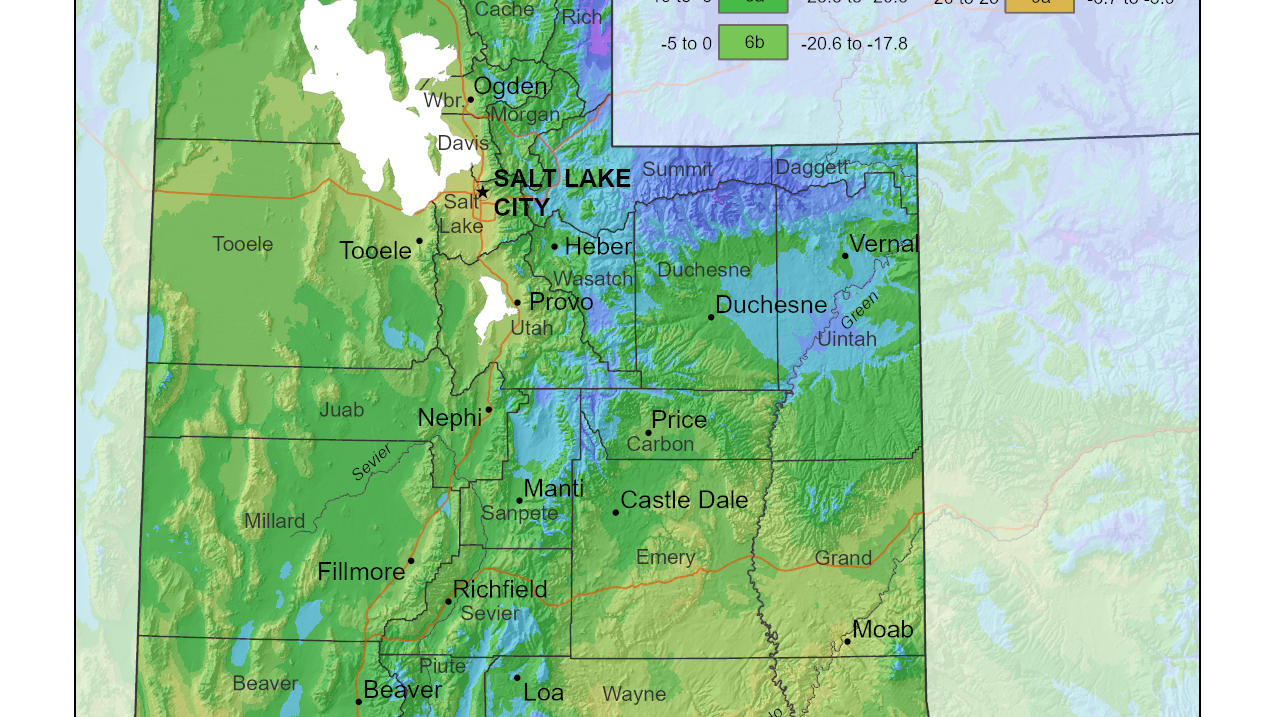
The USDA Plant Hardiness Zone Map is accessible online and updated periodically. As of 2026, St. George is firmly in Zone 8b. The boundaries of this zone extend across southern Utah, including nearby Washington, Hurricane, and Ivins. To visualize the mapping, consider this comparison table:
| City | USDA Zone | Avg. Min Temp (°F) | Avg. Summer High (°F) |
|---|---|---|---|
| St. George | 8b | 15-20 | 100+ |
| Salt Lake City | 7a | 0-5 | 90+ |
| Ogden | 6b | -5-0 | 85+ |
| Moab | 7b | 5-10 | 95+ |
Expanded Comparison: The difference in minimum winter temperature between St. George and Salt Lake City means St. George gardeners can experiment with plants common in California, Texas, or Arizona, while Salt Lake gardeners must stick to more cold-hardy choices.
Microclimates In St. George
Despite the zone designation, St. George contains microclimates—areas where conditions differ from the general zone. Urban heat islands, elevation changes, and proximity to rivers or cliffs can create pockets with slightly warmer or cooler temperatures.
- Downtown St. George: Slightly warmer due to urban heat
- Santa Clara/Ivins: Higher elevation, slightly cooler nights
- Riverside areas: Humidity and wind impact
Additional Detail: For example, homes built close to rock cliffs may experience reflected heat, extending the growing season. Conversely, gardens at higher elevations might see more frequent frost, requiring extra protection for tender plants.
Accessing Local Maps
For gardeners, local extension offices and online resources provide detailed maps and support. The Utah State University Extension (USU Extension) offers region-specific guidance, including downloadable maps and climate data for St. George and surrounding areas.
Expanded Resource Tip: Extension offices also offer workshops and one-on-one consultations, helping gardeners interpret climate data and make informed plant choices.
What Zone 8b Means For Gardeners
Zone 8b offers unique opportunities and challenges for St. George gardeners. Understanding what this zone entails is essential for plant selection, care, and long-term garden planning.
Plant Selection And Survival
In Zone 8b, a wide variety of perennials, shrubs, trees, and annuals can thrive. Gardeners can grow plants that wouldn’t survive in colder Utah cities, such as:
- Palms and subtropical species
- Olive trees
- Citrus (with protection)
- Agaves and succulents
- Rosemary, lavender, and Mediterranean herbs
However, some cold-loving species—like lilacs, peonies, and certain evergreens—may struggle or require special care.
Expanded Detail: Even within Zone 8b, plant survival depends on microclimate and garden management. For example, some gardeners successfully grow bougainvillea or passionflower by planting them against south-facing walls to maximize heat and shelter.
Frost Risk And Protection
Although Zone 8b has mild winters, frost events are possible. Gardeners must monitor forecasts and provide protection for sensitive plants:
- Use frost cloths or blankets
- Mulch around roots for insulation
- Move containers indoors during cold snaps
Additional Example: In rare cases, a sudden cold front can bring temperatures below 15°F. Citrus and other subtropical plants may suffer without protection, so some gardeners construct temporary hoop houses or use heaters in greenhouses.
Extended Growing Season
Zone 8b’s long growing season—typically March through November—allows for multiple crop rotations, extended flowering periods, and late-season harvests. Vegetable gardeners benefit from:
- Early spring planting (tomatoes, peppers)
- Fall planting (cool-season greens, root crops)
- Year-round ornamental color
Expanded Detail: The long season also enables growing less-common crops such as okra, sweet potatoes, and even artichokes. Gardeners can stagger plantings for continuous harvests, maximizing yield from limited space.
Heat And Water Management
Summer heat in St. George can be extreme, with daily highs regularly exceeding 100°F. Plants must be selected for heat tolerance and drought resistance. Efficient irrigation, mulching, and proper placement are essential.
- Drip irrigation conserves water and reduces evaporation
- Mulch keeps soil cool and moist
- Shade structures protect sensitive plants
Expanded Example: Some gardeners install sun sails or pergolas to shade delicate vegetables like lettuce and spinach, extending their harvest beyond the usual season.
Example: Citrus Trees In St. George
A local gardener, Lisa, successfully grows Meyer lemons and mandarins in her backyard. She uses frost cloths during winter cold snaps and drip irrigation to manage summer heat. Her trees flourish thanks to Zone 8b’s mild winters and careful plant management.
Additional Detail: Lisa also applies a layer of organic mulch around her citrus trees to conserve moisture, and positions them near a south-facing wall to capture additional warmth. She shares her results at local gardening workshops.
Best Plants For Zone 8b In St. George
Selecting plants adapted to Zone 8b’s conditions is crucial for thriving gardens. Below are the top categories and specific examples that excel in St. George:
Flowering Perennials
Zone 8b supports a dazzling array of flowering perennials:
- Salvia: Heat-loving, drought-resistant, vibrant blooms
- Lavender: Mediterranean favorite, thrives in dry soil
- Echinacea: Durable and pollinator-friendly
- Gaillardia: Long-blooming, tolerant of poor soil
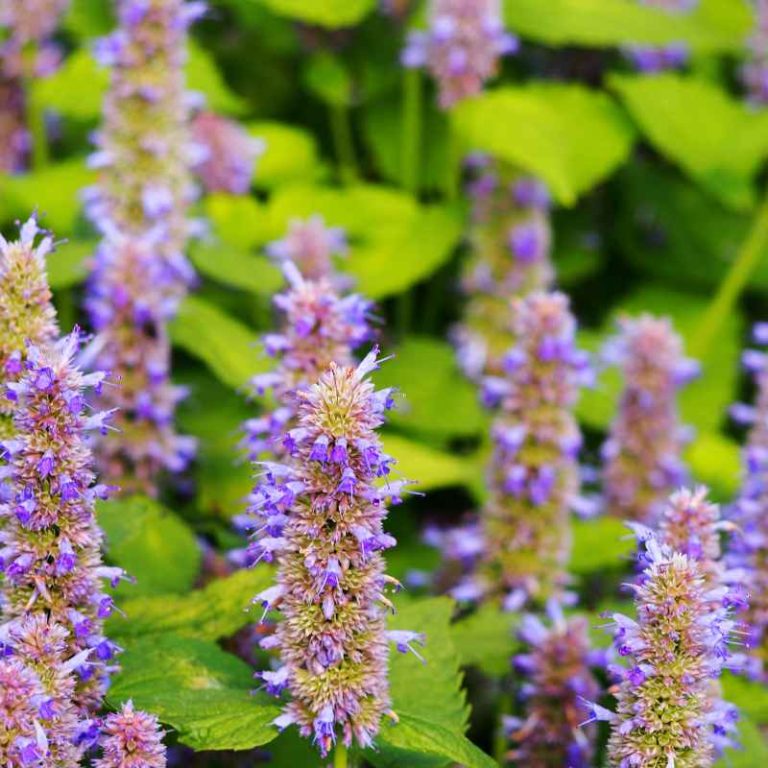
Expanded Examples: Other excellent choices include Penstemon, Russian sage, and daylily. These perennials attract pollinators and offer continuous color throughout the growing season.
Ornamental Trees And Shrubs
St. George gardens can feature both native and exotic trees:
- Desert Willow: Native, beautiful flowers, low water needs
- Oleander: Evergreen, heat-tolerant, colorful flowers
- Olive tree: Mediterranean staple, requires well-drained soil
- Palm species: Hardy palms like Windmill Palm (Trachycarpus fortunei)
Additional Detail: Sago palm and Mediterranean fan palm are popular for their resilience. For shrubs, Texas ranger and creosote bush provide structure and vibrant color.
Edible Plants And Herbs
Vegetable and herb gardens flourish with careful selection:
- Tomatoes, peppers, eggplants: Excellent summer crops
- Basil, rosemary, oregano: Mediterranean herbs thrive
- Swiss chard, kale, lettuce: Cool-season crops for fall/winter
- Strawberries, figs, grapes: Adapted fruit options
Expanded Example: Gardeners in St. George also experiment with Asian greens, melons, and even dwarf pomegranates, taking advantage of the warm season.
Succulents And Cacti
These plants are perfectly suited to St. George’s arid climate:
- Agave: Iconic Southwest look, minimal water
- Yucca: Architectural form, drought-resistant
- Prickly pear: Edible fruit, attractive pads
Additional Detail: Aloe vera, sedum, and echeveria are also favored for their resilience and ornamental value. These succulents need minimal care and are ideal for xeriscaping.
Comparison Table: Top Plant Types For St. George Zone 8b
| Plant Type | Best Examples | Water Needs | Heat Tolerance |
|---|---|---|---|
| Flowering Perennials | Salvia, Lavender, Echinacea | Low | High |
| Ornamental Trees | Desert Willow, Olive, Palm | Low/Moderate | High |
| Edible Crops | Tomatoes, Peppers, Basil | Moderate | Moderate/High |
| Succulents/Cacti | Agave, Yucca, Prickly Pear | Low | Very High |
Expanded Tip: Many nurseries in St. George now offer desert-adapted varieties, making it easier for gardeners to find plants with proven success in Zone 8b.
Real-world Example: Community Garden Success
The St. George Community Garden (City of St. George) showcases productive beds of tomatoes, peppers, herbs, and native flowers. Volunteers use drip irrigation, mulch, and heat-tolerant plant varieties to achieve abundant harvests year after year.
Additional Detail: The garden also features educational workshops for residents, teaching soil improvement, water conservation, and pest management tailored to the local climate.
Strategies For Thriving In St. George’s Plant Zone
Maximizing gardening success in St. George’s Zone 8b requires more than just plant selection. Adaptation to local conditions, careful planning, and innovative techniques are key.
Water Conservation And Irrigation
With only 8 inches of annual precipitation, efficient water use is essential:
- Drip irrigation systems: Target roots, reduce evaporation
- Rainwater harvesting: Collect runoff for garden use
- Mulching: Retains moisture, suppresses weeds
The Utah Division of Water Resources (Water Utah) recommends xeriscaping and smart irrigation for home gardens.
Expanded Example: Some gardeners install rain barrels and greywater systems, using collected water for ornamental beds. Others use native ground covers, like creeping thyme or buffalo grass, to reduce water demand.
Soil Preparation And Amendment
St. George soils are often sandy, alkaline, and low in organic matter. Improving soil quality boosts plant health:
- Add compost and organic matter to increase fertility
- Use gypsum to reduce soil compaction
- Test soil pH and adjust as needed
The Utah State University Extension provides soil testing kits and guidelines for amendments.
Additional Example: Gardeners often build raised beds with imported soil blends or incorporate worm castings to boost nutrient content. Cover crops, like clover or vetch, can be planted off-season to add organic matter and prevent erosion.
Heat And Sun Management
Intense sun and high temperatures can stress plants. Strategies include:
- Planting shade trees or using shade cloth
- Positioning sensitive plants on north or east sides of structures
- Using reflective mulch to cool soil
Expanded Detail: Some gardeners use trellises with climbing vines, such as grape or wisteria, to create natural shade. Others install lightweight mesh or even retractable awnings for seasonal flexibility.
Frost And Cold Protection
Although rare, winter frosts can threaten tender plants:
- Cover plants with frost cloths or blankets
- Move containers indoors or into garages
- Mulch heavily around roots
Additional Example: In community gardens, volunteers coordinate “frost watch” events, quickly covering plants when cold snaps are forecast.
Pest And Disease Management
Zone 8b’s mild winters allow some pests to persist year-round. Vigilance and integrated pest management (IPM) are important:
- Regular inspection for aphids, spider mites, and whiteflies
- Use organic or natural controls when possible
- Encourage beneficial insects, such as ladybugs
Expanded Example: Planting marigolds, alyssum, or dill attracts beneficial insects. Some gardeners use neem oil or insecticidal soap for organic pest control, minimizing chemical use.
Example: Xeriscaped Backyard Transformation
A local homeowner, John, converted his lawn to a xeriscaped garden featuring agaves, yuccas, and native grasses. He reduced water use by 70%, eliminated mowing, and created a habitat for pollinators. This success story is featured on the Utah Native Plant Society website (UNPS).
Additional Detail: John also participates in local plant swaps, helping other gardeners transition to water-efficient landscapes. His garden has become a model for sustainable practices in St. George.
Local Resources For St. George Gardeners
Successful gardening in St. George relies on local knowledge, expert advice, and community support. Numerous resources are available for gardeners:
Extension Services And Expert Guidance
The Utah State University Extension office provides:
- Zone-specific planting guides
- Soil testing and amendment advice
- Workshops and seminars
Expanded Tip: Extension agents can help interpret soil test results and recommend amendments specifically for southern Utah conditions. They also organize seasonal events—such as spring plant sales and fall harvest festivals—where gardeners can network and learn.
Community Gardens And Clubs
St. George’s gardening community is active and supportive:
- St. George Community Garden: Plots available, regular events
- Washington County Master Gardeners: Volunteer-led education programs
Additional Detail: These organizations host annual plant exchanges, garden tours, and seed-saving workshops, fostering collaboration and shared learning.
Online Forums And Social Media Groups
Digital communities connect gardeners for advice and support:
- Utah Gardening Facebook Groups
- GardenWeb Utah Forum
Expanded Example: Online groups offer real-time advice on pests, weather events, and plant identification. Members share photos, troubleshooting tips, and success stories.
Retail And Nursery Support
Local nurseries stock plants adapted to Zone 8b:
- Provide expert recommendations
- Offer supplies for irrigation, soil amendment, and pest control
Additional Detail: Some nurseries provide free workshops and seasonal planting calendars, helping gardeners optimize their efforts.
Real-world Example: Master Gardener Program
Washington County’s Master Gardener Program trains volunteers to assist local residents with gardening challenges. Graduates host workshops, answer questions, and demonstrate best practices for the region’s plant zone (USU Master Gardeners).
Expanded Detail: Master Gardeners lead demonstration projects at schools and parks, showing how to create pollinator gardens, edible landscapes, and water-efficient plantings.
Case Studies: Gardening Success In St. George
Examining real-world examples reveals how gardeners overcome challenges and capitalize on Zone 8b’s opportunities.
Case Study 1: Subtropical Fruit Trees
A family in the Bloomington area of St. George planted figs, pomegranates, and even an experimental avocado. By selecting a sunny, wind-protected site and using frost cloths during cold snaps, they enjoy annual fruit harvests previously thought impossible in Utah.
Expanded Detail: The family also installed a windbreak of tall shrubs and used deep mulch to stabilize soil temperatures, further enhancing fruit tree survival.
Case Study 2: Native Plant Habitat Garden
A local school established a habitat garden featuring native grasses, wildflowers, and desert shrubs. The garden requires minimal water and maintenance, supports pollinators, and serves as a living classroom for students.
Additional Example: Students participate in monitoring pollinator visits and maintaining the garden, learning about plant adaptation and water conservation firsthand.
Case Study 3: Vegetable Crop Rotation
A home gardener uses raised beds for tomatoes, peppers, leafy greens, and root crops. By rotating crops and amending soil each season, she achieves high yields and minimizes pest issues. Her experience is shared on the Utah Gardening Forum (Utah Gardeners).
Expanded Tip: She also integrates cover crops—like radishes and clover—to improve soil structure and prevent erosion during the off-season.
Case Study 4: Hoa Xeriscape Conversion
A local HOA replaced turf grass with xeriscape landscaping: agave, yucca, sage, and native wildflowers. Water use dropped by over 50%, maintenance costs declined, and residents reported increased wildlife sightings.
Expanded Example: The HOA also installed interpretive signs explaining plant choices and water-saving benefits, educating residents and visitors.
Frequently Asked Questions
What Is The Usda Plant Hardiness Zone For St. George, Utah?
St. George is located in Zone 8b according to the USDA Plant Hardiness Zone Map. This means the average minimum winter temperature ranges from 15°F to 20°F. The mild winters allow a wider range of plants to thrive compared to most of Utah.
How Does Zone 8b Affect What I Can Plant In St. George?
Zone 8b allows gardeners to grow subtropical species (like palms, olives, citrus), Mediterranean herbs, and heat-loving vegetables. However, some cold-loving plants may struggle, and all plants should be selected for drought and heat tolerance.
Expanded Tip: Always check plant tags and consult local experts. If unsure, experiment with small plantings first and observe their performance.
Are There Microclimates Within St. George That Change Plant Zone Recommendations?
Yes, microclimates are common in St. George. Urban areas, riverbanks, and higher elevations can be slightly warmer or cooler. Gardeners should observe their specific location and adjust plant choices accordingly.
Expanded Example: If your property is shaded by cliffs or receives reflected heat from rocks, you may be able to grow plants from warmer zones.
What Are The Best Practices For Gardening In St. George’s Plant Zone?
Best practices include efficient irrigation, soil amendment, mulching, frost protection, and pest management. Choosing plants adapted to Zone 8b’s heat and drought is essential, and consulting local resources enhances success.
Additional Tip: Keep a gardening journal to track planting dates, weather events, and plant performance. This builds your local experience and refines your strategy over time.
Where Can I Find More Information And Support For Gardening In St. George?
Local extension services, community gardens, nurseries, and online forums offer zone-specific advice and support. The Utah State University Extension and St. George Community Garden are excellent starting points.
Gardening in St. George, Utah’s Zone 8b is both rewarding and unique. Understanding the plant zone provides a scientific foundation for success, guiding plant selection, care, and garden design. By leveraging expert resources, adapting to local microclimates, and utilizing proven strategies, gardeners can create vibrant, productive landscapes that flourish year-round.
Whether you dream of fruit trees, ornamental blooms, or native habitats, the right plant zone knowledge empowers you to turn vision into reality in St. George’s distinctive climate.