How Plants Respond to Seasonal Sunlight Changes
How plants respond to seasonal changes in sunlight is a fascinating biological process that dictates everything from leaf color to flowering time. As days shorten or lengthen, and light intensity varies, plants possess sophisticated mechanisms to adapt, ensuring survival and reproduction through diverse climates. This adaptability is crucial for the entire ecosystem, impacting everything from pollination to the food chain.

PRINT PICTURE ARTHOME
Mushroom Leaves Window Curtains 39 Inch Length…
- About Size: Each package include 2 piece of window curtains. Each bedroom curtain measures: 27.5x39 Inch, with bronze grommets, in…
- Funny Window Valance Design: This premium small blackout window curtains are printed in eucalyptus leaves and blue flowers pattern…
- Blackout Curtains: These room-darkening curtains block most sunlight while being thick enough to provide privacy. In winter, this…
As an Amazon Associate I earn from qualifying purchases.
Simply put, plants adjust their growth, physiology, and even form in response to predictable shifts in sunlight duration and intensity throughout the year, utilizing this environmental cue for crucial life cycle events.
Key Takeaways
- How plants respond to seasonal changes in sunlight involves sensing photoperiod (day length) and light intensity.
- This response triggers critical life cycle events such as flowering, dormancy, and leaf senescence.
- Plants utilize photoreceptors like phytochromes and cryptochromes to detect light quality and quantity.
- Changes in sunlight influence hormone production, orchestrating developmental shifts.
- Understanding these mechanisms is key to agriculture and horticulture.
What is Photoperiodism and Why Does It Matter?
Photoperiodism is the biological response of plants to the duration of light and darkness in a 24-hour cycle. It’s not just about how much total light a plant receives, but specifically how long the days are compared to the nights. This sensitivity allows plants to anticipate seasonal changes, such as the onset of spring, summer, autumn, or winter, long before other environmental cues like temperature might become dramatically noticeable.
The importance of photoperiodism cannot be overstated. It acts as a reliable calendar for plants, signaling when it’s the optimal time to flower, set seed, go dormant, or shed leaves. For example, many plants flower only when the days reach a certain length, ensuring that their reproductive period coincides with favorable conditions for pollination and seed dispersal.
This prevents them from expending energy on reproduction during unfavorable times, thus increasing their chances of survival and propagation.
- Day-neutral plants: Flower regardless of day length.
- Short-day plants: Flower when days are short (nights are long), typically in autumn or spring.
- Long-day plants: Flower when days are long (nights are short), typically in summer.
- Intermediate-day plants: Flower within a specific range of day lengths.
The detection of these specific light periods is managed by specialized pigment molecules called photoreceptors. The primary players in photoperiodism are phytochromes, which are sensitive to red and far-red light, and cryptochromes, sensitive to blue light. These photoreceptors undergo conformational changes upon absorbing light of specific wavelengths, initiating a signaling cascade within the plant cells.
This signaling cascade ultimately influences the expression of genes related to various physiological processes. The plant effectively “counts” the hours of daylight and darkness, comparing it to its internal genetic programming to determine the appropriate developmental stage. This intricate system allows plants to synchronize their life cycles with the seasons, a fundamental adaptation that has allowed plant life to thrive across the globe for millennia.

How Plants Measure Day Length: Phytochromes and Cryptochromes
Plants possess an innate ability to “measure” the length of the day, a process critical for their survival and reproductive strategies. This measurement is not a conscious act but a sophisticated biochemical response mediated by specialized light-sensitive proteins called photoreceptors. The two main families of photoreceptors involved are phytochromes and cryptochromes, each playing a distinct role in sensing different aspects of sunlight.
Phytochromes are particularly adept at detecting the ratio of red light to far-red light. Sunlight contains both, but the ratio changes depending on the time of day and whether light is being filtered through other leaves. Phytochromes exist in two interconvertible forms: Pr (red-light absorbing) and Pfr (far-red light absorbing).
When exposed to red light, Pr converts to Pfr. Crucially, Pfr is biologically active and can convert back to Pr in the dark or under far-red light. It’s the accumulation of Pfr during the day that signals “daylight” to the plant.
As night falls, Pfr slowly converts back to Pr in darkness. The longer the period of darkness, the more Pfr is depleted, and this reduction is a key signal for short-day plants.
Cryptochromes, on the other hand, are primarily sensitive to blue and UV-A light. They are involved in various aspects of plant development, including seedling elongation, leaf expansion, and the entrainment of the plant’s internal circadian clock. The circadian clock is an internal, approximately 24-hour biological rhythm that governs many physiological processes.
Cryptochromes help synchronize this internal clock with the external light-dark cycle, ensuring that the plant’s daily activities, like photosynthesis and respiration, are timed optimally. The interplay between photoreceptors and the circadian clock is essential for accurately perceiving day length, especially during transitional seasons.
| Photoreceptor | Primary Light Wavelengths Detected | Key Roles |
|---|---|---|
| Phytochrome | Red light (660 nm) and Far-red light (730 nm) | Detecting day length, germination, shade avoidance |
| Cryptochrome | Blue light (400-500 nm) and UV-A light | Entraining circadian rhythm, seedling photomorphogenesis, leaf expansion |
By sensing the subtle changes in light quality and quantity, plants can precisely time their biological processes. This sophisticated system ensures that, for instance, a long-day plant only initiates flowering when the days are long enough to support seed maturation before winter. Conversely, a short-day plant waits for shorter days, signaling the arrival of conditions suitable for its seedlings to emerge and grow without facing the harshness of summer heat.
The Role of Hormones in Seasonal Plant Responses
Once a plant perceives the changing seasons through its photoreceptors, it initiates a series of internal communication signals. Hormones are the primary messengers in this process, orchestrating the plant’s physiological and developmental adjustments. These plant hormones, also known as phytohormones, are produced in small amounts but have profound effects on growth, development, and responses to environmental stimuli, including seasonal light changes.
One of the key hormones involved is gibberellin (GA). The production of GA is often stimulated by increasing day length, signaling the transition from dormancy to active growth and flowering in long-day plants. Conversely, abscisic acid (ABA) plays a crucial role in preparing plants for unfavorable conditions, such as the onset of autumn.
As days shorten and temperatures drop, ABA levels tend to rise, promoting dormancy in buds and inducing the synthesis of proteins that protect cells from cold and dehydration. It also contributes to leaf senescence.
Another vital hormone is auxin, which is involved in cell elongation and growth. Auxin production and transport can be influenced by light direction and intensity, playing a role in phototropism (growing towards light) but also indirectly in seasonal growth patterns. Ethylene, a gaseous hormone, is often associated with fruit ripening and senescence.
In response to seasonal cues, ethylene production can increase, contributing to leaf drop in deciduous trees as autumn approaches. The precise balance and interaction of these hormones, under the guidance of photoperiodic signals, determine the plant’s seasonal trajectory.
- Gibberellins (GAs): Promote stem elongation, bud break, flowering, and seed germination. Often increased in spring.
- Abscisic Acid (ABA): Inhibits growth, promotes dormancy, stomatal closure, and stress tolerance. Often increased in autumn.
- Auxins: Involved in cell elongation, apical dominance, root formation, and phototropism.
- Cytokinins: Promote cell division and differentiation, delay senescence. Often balanced with auxins.
- Ethylene: Promotes fruit ripening, leaf abscission (leaf drop), and senescence.
The interplay of these hormones allows for a finely tuned response to seasonal light cues. For example, in deciduous trees, the shortening days of autumn signal an increase in ABA and ethylene. This hormonal shift leads to the breakdown of chlorophyll, revealing the vibrant pigments beneath (like carotenoids and anthocyanins), and prepares the leaf stem for detachment.
Simultaneously, growth-inhibiting hormones might signal buds to enter dormancy, protecting them from winter’s harsh conditions. As spring arrives, longer days and warmer temperatures trigger a rise in GAs and auxins, breaking bud dormancy and initiating new leaf and flower development.
Seasonal Changes in Leaf Physiology and Pigments
One of the most visually striking ways plants respond to seasonal changes in sunlight is through alterations in their leaves. As days shorten and light intensity decreases in autumn, many deciduous plants begin a process of preparation for winter. This involves physiological changes within the leaves, including the breakdown of chlorophyll and the revealing of other pigments, leading to the spectacular colors of fall.
This is not just for aesthetic reasons; it’s a survival strategy.
Chlorophyll is the primary pigment responsible for photosynthesis, absorbing sunlight to convert carbon dioxide and water into energy. It’s what gives leaves their green color. As sunlight diminishes and temperatures cool, the production of chlorophyll slows down and eventually stops.
Simultaneously, the plant begins to break down existing chlorophyll molecules, recycling valuable nutrients like nitrogen back into the plant’s stems and roots for storage over winter. This breakdown of chlorophyll is what unmasks other pigments that were present in the leaves all along but were hidden by the dominant green hue.
These other pigments include carotenoids, which produce yellow and orange colors, and anthocyanins, which create red and purple hues. Carotenoids are generally stable and remain visible once chlorophyll degrades. Anthocyanins, however, are often produced in autumn in response to high light intensity and cold temperatures, especially in species like maples and oaks.
Their production is thought to help protect the leaf from sun damage as chlorophyll breaks down, potentially aiding in the efficient retrieval of nutrients before the leaf is shed. This phenomenon is directly linked to how plants respond to seasonal changes in sunlight, as the signal for chlorophyll degradation and anthocyanin synthesis is triggered by decreasing day length and specific light conditions.
| Pigment Type | Associated Colors | Role and Seasonal Behavior |
|---|---|---|
| Chlorophyll | Green | Primary photosynthetic pigment; breaks down in autumn as days shorten. |
| Carotenoids | Yellow, Orange | Accessory photosynthetic pigments; become visible as chlorophyll degrades. Generally present year-round. |
| Anthocyanins | Red, Purple, Pink | Often produced in autumn in response to high light and cold; thought to protect leaf during nutrient retrieval. |
Beyond color changes, leaves also develop an abscission layer at their base, a specialized layer of cells that eventually severs the leaf from the stem. This process is triggered by hormonal signals and the environmental cues of shorter days and cooler temperatures. By shedding their leaves, deciduous plants reduce water loss during winter when water may be frozen and unavailable, and prevent damage from snow and ice accumulation.
Evergreens, on the other hand, have leaves adapted to withstand winter conditions, often with thicker cuticles and different pigment compositions.
Adaptations for Different Seasons: Dormancy and Growth
Plants exhibit remarkable diversity in their strategies for surviving and thriving across different seasons, largely driven by their response to seasonal sunlight changes. Two primary modes of adaptation are dormancy and active growth, each tailored to exploit favorable conditions and endure unfavorable ones.
Dormancy is a period of suspended growth and metabolic activity that allows plants to conserve energy and survive harsh environmental conditions, such as winter cold, drought, or extreme heat. For many temperate plants, dormancy is triggered by decreasing day length and falling temperatures in autumn. This cue signals the plant to cease active growth, prepare its tissues for freezing, and often leads to the shedding of leaves, as discussed.
Bud dormancy is common, where terminal and lateral buds enter a state of quiescence, protected by bud scales. The physiological state of dormancy is maintained by a complex interplay of hormones, particularly abscisic acid, which suppresses growth-promoting hormones like gibberellins.
In contrast, active growth is characteristic of favorable seasons, primarily spring and summer in temperate climates, or the rainy season in tropical regions. The increasing day length and intensity of sunlight in spring act as a powerful signal for many plants to break dormancy. This is often mediated by a rise in growth-promoting hormones like gibberellins and auxins, and a decrease in abscisic acid.
Plants then invest energy in developing new leaves, stems, flowers, and fruits, capitalizing on abundant sunlight for photosynthesis. This growth phase is a race against time, aiming to complete essential reproductive cycles before the onset of less favorable conditions.
| Feature | Dormancy | Active Growth |
|---|---|---|
| Metabolic Activity | Low, suspended | High, focused on development |
| Trigger | Decreasing day length, low temperatures, drought | Increasing day length, optimal temperatures, adequate moisture |
| Hormonal Influence | High ABA, low GAs | Low ABA, high GAs and Auxins |
| Example Structures | Dormant buds, seeds, bulbs, tubers | Leaves, stems, flowers, fruits |
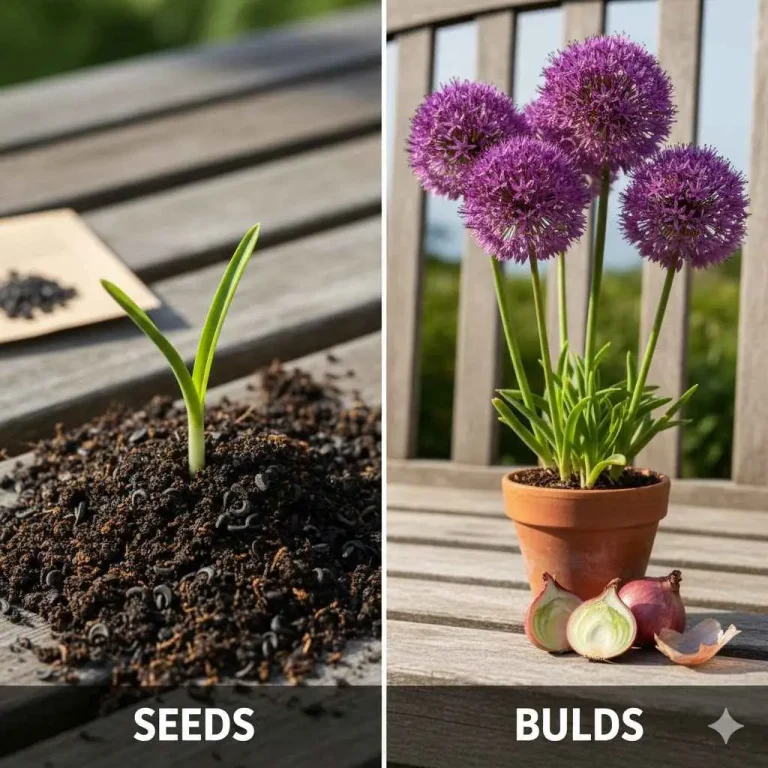
These seasonal adaptations are not mutually exclusive. Many plants, like bulbs or biennials, have life cycles that incorporate both dormancy and active growth phases spanning multiple seasons. For instance, a bulb might spend winter dormant underground, sprout in spring for active growth and flowering, and then enter a dry dormant phase in summer if conditions require it.
This strategic timing, guided by seasonal sunlight cues, is fundamental to plant survival and ecological success.
Impact on Agriculture and Horticulture
Understanding how plants respond to seasonal changes in sunlight is not merely an academic pursuit; it has profound implications for agriculture and horticulture. Farmers and gardeners worldwide leverage this knowledge to optimize crop production, enhance yields, and cultivate plants effectively.
For instance, knowing that a particular crop is a long-day plant informs planting schedules. If planted too early or too late, the plant might not receive the required day length to initiate flowering and fruit production at the optimal time, leading to reduced yields or crop failure. Conversely, for short-day plants, exposure to short days is essential for flowering.
This knowledge allows for strategic planting to induce flowering at specific times, enabling practices like year-round production of certain crops in controlled environments or specific geographical locations. The precise timing of planting is critical for synchronizing crop development with the most favorable light and temperature conditions.
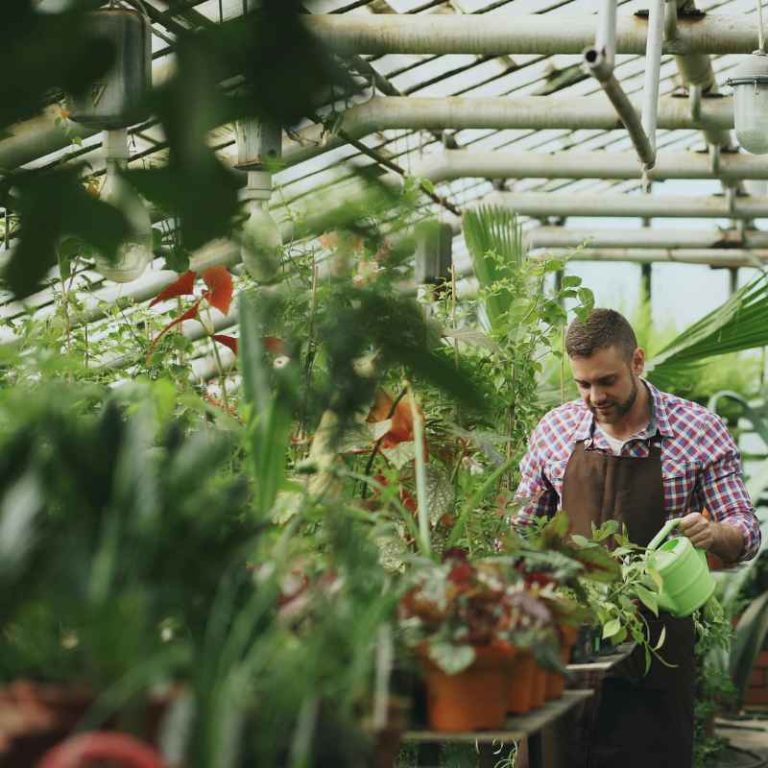
Furthermore, understanding photoperiodism helps in selecting appropriate plant varieties for specific regions. A plant variety that thrives in one climate due to its specific day-length requirements might perform poorly in another where the day lengths differ significantly during the growing season. This is particularly relevant in greenhouses where artificial lighting can be manipulated to mimic or alter day lengths, allowing growers to control flowering and vegetative growth independent of natural seasons.
For example, extending the “daylight” hours with artificial lights can prevent early flowering in some crops, promoting more vegetative growth, while shortening the “daylight” hours can induce flowering in others.
Tip: When growing plants from seeds, pay attention to their photoperiodic requirements. Choosing plants suited to your region’s natural day length, or understanding how to supplement with artificial light, can greatly improve success.
- Crop Planning: Selecting crops based on their photoperiodic response to ensure flowering and fruiting align with seasonal light availability.
- Controlled Environment Agriculture (CEA): Using artificial lighting to manipulate day length and trigger specific developmental stages in greenhouses and vertical farms.
- Breeding Programs: Developing new plant varieties with modified photoperiodic responses for wider adaptability or specific market demands.
- Ornamental Horticulture: Timing the blooming of ornamental plants for aesthetic appeal or specific events (e.g., poinsettias are short-day plants, requiring specific light conditions to produce their red bracts for winter holidays).
- Post-harvest Physiology: While not directly seasonal, understanding how light influences plant physiology can indirectly impact post-harvest storage and quality.
Moreover, the study of how plants respond to seasonal changes in sunlight contributes to breeding efforts. Plant breeders can develop new cultivars that are less sensitive to photoperiod, allowing them to be grown in a wider range of latitudes, or cultivars that flower earlier or later to optimize harvest times. The ability to predict and manipulate these responses allows for more efficient land use, predictable harvests, and the cultivation of a wider variety of crops in diverse environments, contributing significantly to global food security and the aesthetic appeal of our landscapes.

Frequently Asked Questions
What is the primary cue plants use to sense seasonal changes?
The primary cue plants use to sense seasonal changes is the duration of daylight, known as photoperiodism. They measure the length of the day and night cycle to determine the time of year.
How do plants “count” the hours of daylight and darkness?
Plants use photoreceptors like phytochromes and cryptochromes, along with their internal circadian clock, to measure day length. Phytochromes are sensitive to red and far-red light ratios, while cryptochromes detect blue light and help synchronize the plant’s internal clock with the external light cycle.
Are all plants sensitive to day length in the same way?
No, plants vary in their sensitivity. Some are short-day plants (flowering when days are short), others are long-day plants (flowering when days are long), and some are day-neutral, flowering irrespective of day length.
Why do leaves change color in the fall?
Leaves change color in the fall as chlorophyll production stops and existing chlorophyll breaks down, revealing underlying yellow and orange pigments (carotenoids). Red and purple pigments (anthocyanins) may also be produced in response to environmental conditions.
How does understanding photoperiodism help in gardening?
Knowing a plant’s photoperiodic response helps in timing planting and ensuring it receives the correct light conditions to flower or produce fruit at the desired time, leading to better yields and healthier plants.
Final Thoughts
The intricate ways how plants respond to seasonal changes in sunlight highlight their incredible adaptability and sophisticated biological mechanisms. From sensing subtle shifts in light duration with specialized photoreceptors to orchestrating hormonal cascades that trigger dormancy or growth, plants are finely tuned to the annual cycle. This knowledge not only deepens our appreciation for the natural world but also provides essential tools for optimizing agriculture, horticulture, and conservation efforts in a changing climate.
Related pick: Check today's price on Amazon