Should You Water Plants Twice A Day In Hot Weather
When summer’s heat intensifies, gardeners and homeowners often worry about their plants wilting under the relentless sun. It’s tempting to reach for the hose and water twice a day, hoping to keep foliage lush and flowers blooming. However, the question remains: Is watering plants twice daily during hot weather actually beneficial, or could it cause more harm than good? Understanding the science behind plant hydration, soil dynamics, and microclimates can help prevent common mistakes and ensure optimal plant health.
With climate change contributing to longer, hotter summers across much of the globe, effective watering strategies are increasingly important. Overwatering, underwatering, and improper timing can all lead to stressed or dying plants. This article examines whether twice-daily watering is necessary, explores the risks and benefits, and provides actionable advice grounded in research, expert opinions, and real-world examples.
Whether you’re tending a vegetable garden, caring for ornamental shrubs, or managing houseplants, you’ll discover how to make informed decisions in hot weather.
Key Takeaways
- Twice-daily watering is not universally recommended; it depends on plant type, soil, and weather conditions.
- Overwatering during heat waves can lead to root rot and waste resources.
- Morning watering is generally best for most plants, with some exceptions for container or newly planted specimens.
- Soil moisture retention, plant species, and local climate are key factors in watering frequency.
- Smart irrigation strategies and monitoring soil can improve plant resilience in hot weather.
- Consult local extension services or professional horticulturists for advice tailored to your region and plant selection.

Credit: www.thespruce.com
Understanding Plant Water Needs In Hot Weather
Plants require water for photosynthesis, nutrient uptake, and temperature regulation. In hot weather, the rate of evapotranspiration (water loss from soil and plant surfaces) increases significantly. However, watering frequency must be tailored to the plant’s needs, environmental conditions, and soil characteristics.
Factors Influencing Water Requirements
- Plant Species and Age
- Different plants have different tolerances to heat and drought. For example, succulents and native species often require less frequent watering than annual vegetables or tropical ornamentals.
- Young plants and seedlings have shallower roots and may need more consistent moisture.
- Soil Type and Structure
- Sandy soils drain quickly and may dry out faster, while clay soils retain water but can become compacted.
- Well-amended soils with organic matter hold moisture longer and reduce the need for frequent watering.
- Weather and Microclimate
- High temperatures, wind, and low humidity accelerate moisture loss.
- Shaded areas or locations sheltered from wind may stay moist longer.
Evapotranspiration Rates
According to the University of California Agriculture and Natural Resources, evapotranspiration can increase by up to 50% during extreme heat waves, especially when daytime temperatures exceed 90°F (32°C). This means plants lose water faster, but not all species react the same way.
Pro Tip: Use a soil moisture meter or simply check soil by inserting your finger an inch deep. If the soil feels dry, it’s time to water; if it’s moist, hold off.

Credit: www.thespruce.com
The Science Of Watering Frequency: Is Twice Daily Necessary?
The common advice to water plants twice a day in hot weather stems from the belief that frequent hydration will prevent wilting. However, scientific research and horticultural best practices suggest a more nuanced approach.
Risks Of Overwatering
- Root Rot and Disease: Excessive moisture, especially in poorly drained soils, encourages fungal pathogens like Pythium and Phytophthora.
- Nutrient Leaching: Frequent watering can wash away essential nutrients, leaving plants deficient.
- Reduced Oxygen: Roots require oxygen to thrive. Overwatering saturates soil, depriving roots of air.
Benefits Of Adequate Hydration
- Stress Reduction: Proper watering prevents wilting, leaf scorch, and flower drop.
- Growth Promotion: Well-watered plants photosynthesize efficiently and develop robust root systems.
Data-driven Comparison Table
| Watering Frequency | Plant Health Impact | Resource Use | Best Use Case |
|---|---|---|---|
| Once Daily (Morning) | Optimal for most plants; reduces stress | Efficient | Established gardens, lawns |
| Twice Daily | Risk of overwatering, root rot | High | Seedlings, containers in extreme heat |
| As Needed (Soil-based) | Best for water conservation, plant health | Variable | Native plants, drought-tolerant species |
Research Findings
A study by Texas A&M AgriLife Extension indicates that most landscape plants thrive with deep, infrequent watering rather than shallow, frequent irrigation. Deep watering encourages roots to grow deeper, increasing drought resistance and reducing heat stress.
When Twice-daily Watering Makes Sense
While twice-daily watering is rarely necessary for established plants, certain conditions warrant more frequent hydration.
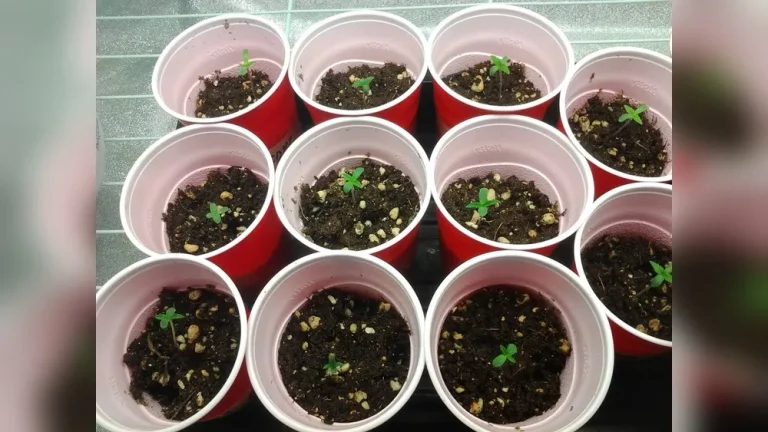
Newly Planted Seedlings And Transplants
- Shallow roots are prone to rapid drying.
- Water once in the morning and again in late afternoon during heat waves.
Container And Hanging Basket Plants
- Limited soil volume means rapid moisture loss.
- In my experience, containers placed in direct sun often require two waterings during prolonged heat.
Extreme Heat Events
- When temperatures exceed 100°F (38°C), even established plants may benefit from a second, light watering.
- Focus on high-value or sensitive specimens.
Example: Urban Rooftop Gardens
Urban gardeners often report wilting in rooftop beds during heat spells. One gardener in Los Angeles observed that watering twice daily helped lettuce and basil survive a July heat wave, but tomatoes developed root rot when overwatered. Monitoring soil moisture prevented losses and improved yields.
Warning: Monitor Soil And Plant Health
Always check soil moisture before watering. If leaves appear limp but soil is wet, plants may be suffering from heat stress rather than dehydration. Overwatering will not solve this problem and may exacerbate it.

Credit: www.homesandgardens.com
Best Practices For Watering In Hot Weather
Adopting the right watering technique is essential for plant health and resource conservation.
Optimal Timing
- Morning watering is preferable, allowing plants to absorb moisture and prepare for heat.
- Evening watering can help containers or seedlings, but avoid wetting foliage to reduce disease risk.
Watering Techniques
- Deep Watering
- Apply water slowly to allow penetration into the root zone.
- Use soaker hoses or drip irrigation for efficiency.
- Mulching
- Apply 2, 3 inches of organic mulch to retain moisture and cool soil.
- Reduces watering frequency by up to 30%, according to the University of Maryland Extension.
- Adjust for Soil Type
- Sandy soil requires more frequent but lighter watering.
- Clay soil benefits from slow, deep watering.
Example: Vegetable Garden In Dallas
A gardener in Dallas, Texas, found that mulching with straw reduced watering from daily to every other day, even during 98°F (37°C) heat. Tomatoes and peppers maintained healthy foliage and fruit set.
Water Conservation Strategies
- Collect rainwater in barrels for supplemental irrigation.
- Group plants with similar water needs together.
- Install smart irrigation controllers to monitor soil and weather conditions.
Watering Different Plant Types: Tailored Approaches
Not all plants react the same way to hot weather and watering frequency.
Lawns
- Cool-season grasses (like fescue) suffer during heat and need deep watering 2, 3 times per week.
- Warm-season grasses (Bermuda, zoysia) tolerate heat and require less frequent irrigation.
Flowering Annuals And Perennials
- Annuals often wilt quickly and need consistent moisture.
- Perennials develop deeper roots and handle heat better.
Shrubs And Trees
- Established shrubs and trees rarely need daily watering.
- Deep watering once a week suffices, even during heat, unless newly planted.
| Plant Type | Recommended Watering (Hot Weather) | Notes |
|---|---|---|
| Lawn (Cool-season) | 2, 3 times/week | Deep, infrequent |
| Lawn (Warm-season) | 1, 2 times/week | Very drought tolerant |
| Annuals | Daily as needed | Check soil moisture |
| Perennials | Every 2, 3 days | Deep root systems |
| Shrubs/Trees | Once/week | Established plants |
| Containers | 1, 2 times/day | Direct sun increases loss |
Example: Houseplants Indoors
Indoor plants may not need increased watering in summer, as air conditioning can dry soil slowly. Always check soil moisture before watering.
Common Watering Mistakes And How To Avoid Them
Many gardeners inadvertently stress their plants by misunderstanding watering needs during hot weather.
Mistake 1: Watering On A Schedule, Not Soil Condition
Plants need water based on soil moisture, not a rigid calendar. Use a moisture meter or finger test.
Mistake 2: Shallow, Frequent Watering
Leads to weak roots and increased susceptibility to heat and drought.
Mistake 3: Watering During Midday
Water evaporates quickly, reducing effectiveness and potentially scorching leaves.
Mistake 4: Ignoring Plant Signals
Wilting can result from heat stress rather than dehydration. If soil is moist, avoid watering.
Mistake 5: Neglecting Mulch
Mulch is a powerful tool for conserving water and keeping roots cool.
Pro Tip: Monitor Weather Forecasts
Reduce watering if rain is expected. Overwatering before storms can lead to waterlogged soil.
Smart Irrigation Tools And Technologies
Modern irrigation systems and monitoring devices simplify watering and increase efficiency.
Soil Moisture Sensors
- Provide real-time data on soil conditions.
- Prevent both overwatering and underwatering.
Drip Irrigation
- Delivers water directly to roots.
- Reduces evaporation and fungal disease risk.
Smart Controllers
- Adjust watering schedules based on weather, soil, and plant type.
- Save up to 50% on water use, according to the EPA’s WaterSense program.
Example: Commercial Landscapes
A commercial property in Phoenix installed smart irrigation and reduced water bills by 38% during the summer, while maintaining healthy landscaping.
Mobile Apps
- Track watering schedules and send alerts.
- Some apps integrate with smart devices for automated management.
| Technology | Benefits | Drawbacks |
|---|---|---|
| Soil Moisture Sensors | Accurate, prevents waste | Cost, setup required |
| Drip Irrigation | Efficient, low disease risk | Initial installation |
| Smart Controllers | Automated, weather-based | Technology learning curve |
| Mobile Apps | Convenient, track records | Requires device |
Real-world Examples And Case Studies
Case Study 1: Community Garden In Chicago
During a July heat wave, volunteers noticed increased wilting in sun-exposed beds. Watering twice daily improved survival of lettuce, radishes, and newly transplanted herbs. However, deeper-rooted crops like carrots and onions thrived with morning-only watering. The group switched to soil moisture checks, reducing wasted water and improving yields.
Case Study 2: Residential Landscapes In Florida
A homeowner watered twice daily during a heat spell, leading to yellowing leaves and root rot in azaleas and gardenias. After consulting the University of Florida Extension, the homeowner adjusted to deep morning watering and added mulch. Plant health recovered, and water bills decreased by 25%.
Case Study 3: Urban Park In San Francisco
Park managers experimented with twice-daily irrigation for new flower beds. Results showed that established perennials did not benefit and suffered from fungal issues. Newly planted annuals, however, flourished when watered in the morning and lightly in the evening. The team adopted a hybrid schedule based on plant type and soil readings.
Expert Recommendations And Regional Guidance
Extension Services
Local extension offices, such as those listed by the National Institute of Food and Agriculture, provide guidance tailored to climate and soil. For instance, California’s extension recommends morning watering, mulching, and adjusting frequency based on plant age and type.
Professional Horticulturists
Many horticulturists advise against twice-daily watering except for containers and seedlings. Deep, infrequent watering is nearly always preferable for established landscapes.
Climate Considerations
- Arid Regions: Native plants thrive with minimal irrigation.
- Humid Regions: Overwatering increases disease risk.
- Mediterranean Climates: Mulch and drip irrigation are highly effective.
Example: Consulting A Professional
A nursery in Arizona advised a homeowner to reduce watering frequency and install drip irrigation. After the change, the garden’s resilience improved, and plants survived multiple heat waves with minimal intervention.
External Resources
For further guidance, visit:
Frequently Asked Questions
How Can I Tell If My Plants Need Watering During Hot Weather?
Check soil moisture by inserting your finger about an inch deep. If it feels dry, water the plant. Wilting leaves are not always a reliable indicator; they may wilt from heat stress even when soil is moist. For containers, weigh them or use a moisture meter for accuracy.
Should I Water At Night If Temperatures Remain High?
Night watering can be risky, as wet foliage increases the chance of fungal diseases. If evening temperatures are above 75°F (24°C), water the soil only and avoid wetting leaves. Morning watering is generally safer and more effective.
What Signs Indicate Overwatering In Hot Weather?
Common symptoms include yellowing leaves, mushy stems, and a persistent soggy smell from the soil. Root rot is often visible if plants are pulled up. Overwatered plants may wilt despite moist soil, as roots lose function.
Can Mulching Reduce The Need For Twice-daily Watering?
Yes, mulching with organic materials (wood chips, straw, compost) insulates soil, reduces evaporation, and keeps roots cool. This can cut watering frequency by up to 30% in hot weather, especially for annuals and perennials.
Are There Plants That Thrive With Minimal Watering During Heat Waves?
Many native, drought-tolerant species (such as lavender, agave, and ornamental grasses) can survive with infrequent watering. Consult a local nursery or extension service for recommendations suited to your climate and soil.
Hot weather presents unique challenges for gardeners and plant enthusiasts. Watering twice a day is not a universal solution and can sometimes cause more problems than it solves. By understanding plant needs, monitoring soil conditions, and using smart watering strategies, you can keep your garden healthy and resilient throughout the summer.
Tailoring your approach to each plant type, leveraging mulch and technology, and consulting local experts will ensure you conserve water and nurture thriving landscapes. For more on this, see our guide on Planting .