Which of the Following Do Plants Gain From Sunlight? Answered
Plants are the ultimate architects of life on Earth. They harness energy from sunlight to fuel nearly every ecosystem, from lush rainforests to urban gardens. But exactly what do plants gain from sunlight? While most people know that sunlight is essential for photosynthesis, few realize the full range of benefits that plants derive from this radiant energy.
Sunlight not only powers their growth but also impacts their health, reproduction, and survival strategies. Understanding how plants utilize sunlight unlocks fascinating insights into biology, agriculture, and environmental science.
If you’ve ever wondered why plants stretch toward the sun, why leaves change color, or how crops thrive under optimal light conditions, you’re in the right place. This article dives deep into the science of sunlight and its effects on plants, exploring everything from energy acquisition and nutrient production to photoreceptors and adaptive behaviors.
We’ll examine real-world examples, present data-driven comparisons, and answer common questions, all within a clear, structured guide. Whether you’re a student, gardener, scientist, or simply curious, you’ll find actionable knowledge and authoritative insights right here.
Key Takeaways
- Sunlight is the primary energy source for plants, driving photosynthesis and enabling growth.
- Plants use sunlight to produce glucose, oxygen, and essential nutrients, supporting themselves and other organisms.
- Sunlight influences plant health, including disease resistance, flowering, and pigment production.
- Photoreceptors in plants detect and respond to light, shaping behaviors like phototropism.
- Real-world examples highlight the importance of sunlight in agriculture, forestry, and horticulture.
- Understanding sunlight’s role helps optimize plant care, crop yields, and ecological sustainability.

The Science Behind Sunlight And Plants
Sunlight is more than just a warm glow—it is a complex spectrum of electromagnetic radiation that profoundly affects plant life. The interaction between plants and sunlight forms the foundation of terrestrial ecosystems and is intricately woven into every aspect of plant biology.
The Electromagnetic Spectrum And Plant Needs
Plants primarily respond to visible light (400–700 nm), known as photosynthetically active radiation (PAR). This spectral range provides the wavelengths necessary for photosynthesis and growth, but plants also react to ultraviolet (UV) and infrared (IR) light in more subtle ways.
- Blue light (400–500 nm): Promotes vegetative growth, enhances leaf thickness, and regulates stomatal opening, which is crucial for water regulation and gas exchange. Blue light is also key in signaling to plants when to start producing specific compounds related to stress resistance.
- Red light (600–700 nm): Drives photosynthesis and flowering, especially in crops like tomatoes and peppers. Red light is critical for triggering the flowering response in many species, and its abundance can encourage fruit and seed development.
- Far-red light (>700 nm): Influences seed germination, stem elongation, and shade avoidance. Far-red light signals help plants detect neighboring vegetation and adapt their growth to compete for light resources.
Plants use specialized pigments, such as chlorophyll (a and b, which absorb blue and red light) and carotenoids (which absorb blue-green light and protect against excess light), to capture this energy. These pigments are not only vital for energy conversion but also help mitigate damage from excess light and oxidative stress.
In addition to PAR, some plants, especially those in high-light environments, have adapted to utilize UV and IR light. UV light can stimulate the production of protective secondary metabolites, while IR light can affect plant temperature regulation.
Photosynthesis: The Core Benefit
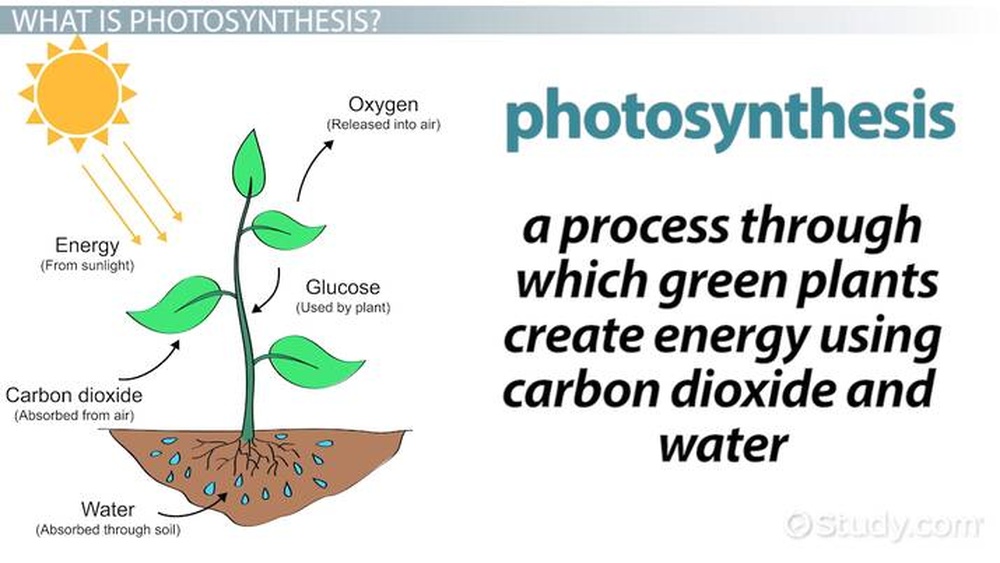
Photosynthesis is the process where plants convert sunlight, carbon dioxide, and water into glucose and oxygen. The chemical equation:
6co₂ + 6h₂o + Light Energy → C₆h₁₂o₆ + 6o₂
This reaction occurs in chloroplasts, powered by sunlight. According to Wikipedia, photosynthesis accounts for the production of over 170 billion tons of organic matter annually. This staggering figure underscores the centrality of plants in global energy and nutrient cycles.
Photosynthesis is not just about energy; it’s also about creating the building blocks for all terrestrial life. Plants use the products of photosynthesis to grow, reproduce, and interact with their environment. The oxygen released is a critical byproduct, sustaining animal and human life.
Photoreceptors And Plant Responses
Plants possess photoreceptors like phytochromes, cryptochromes, and phototropins that detect light quality, quantity, and direction. These sensors trigger adaptive responses:
- Phototropism: Growth toward light sources, allowing plants to maximize light capture for photosynthesis. This is especially visible in young seedlings or indoor plants bending toward windows.
- Photoperiodism: Timing of flowering and dormancy, based on day length and light intensity. Different species have evolved to synchronize their reproductive cycles with seasonal changes in sunlight.
- Shade avoidance: Adjustments in growth patterns, such as stem elongation and leaf repositioning, to compete for sunlight in crowded environments.
These photoreceptors enable plants to make sophisticated decisions, essentially “reading” their environment and adjusting growth and development accordingly.
Energy Vs. Information
Sunlight provides both energy (for photosynthesis) and information (for regulating growth and development). Plants interpret light signals to optimize their life cycle, ensuring survival and reproduction. For example, the presence of more far-red light (which is reflected from other plants) signals to a plant that it is being shaded, prompting adaptive growth strategies.
This dual role of sunlight—as both fuel and environmental cue—is what makes plant life so dynamic and responsive.
Essential Gains From Sunlight: What Plants Receive
Plants gain multiple essential benefits from sunlight, each supporting their function, survival, and ecological role.
Energy For Growth
The most fundamental gain is energy. Through photosynthesis, plants transform light energy into chemical energy (glucose). This fuels:
- Cell division and expansion
- Root and shoot growth
- Biomass accumulation
Without sunlight, plants cannot sustain themselves. The energy captured is used not only for immediate metabolic needs but also stored for future growth and reproduction. For instance, trees store energy in their trunks and roots, enabling survival during winter or periods of drought.
Sunlight also drives secondary processes, like the formation of structural carbohydrates (cellulose and lignin), which give plants their strength and resilience.
Oxygen Production
Plants release oxygen as a byproduct of photosynthesis. This single process generates roughly half of Earth’s atmospheric oxygen, according to National Geographic. This oxygen is vital for all aerobic life.
The importance of oxygen production extends beyond immediate survival. Aquatic plants , for example, provide dissolved oxygen in water bodies, supporting fish and other organisms. Forests and grasslands play a crucial role in maintaining atmospheric oxygen levels, making them essential for planetary health.
Synthesis Of Nutrients And Biomolecules
Sunlight enables the synthesis of key nutrients:
- Glucose: The primary energy source for plant metabolism and growth.
- Amino acids: Building blocks of proteins, synthesized from products of photosynthesis and nitrogen uptake.
- Lipids: Essential for cell membranes and energy storage.
- Pigments: Such as chlorophyll and carotenoids, crucial for light absorption and protection against oxidative damage.
These compounds are not only vital for the plant’s own survival but also form the nutritional basis for herbivores and omnivores in the food chain.
Sunlight also drives the production of secondary metabolites—compounds that help plants defend against pests, attract pollinators, and communicate with other plants.
Regulation Of Growth And Development
Sunlight triggers hormones and signaling pathways:
- Auxins: Control phototropism and cell elongation, allowing plants to adapt their shape and orientation to maximize light absorption.
- Gibberellins: Promote seed germination and flowering, coordinating growth with environmental cues.
- Cytokinins: Stimulate cell division and delay aging, ensuring healthy tissue development.
These hormones ensure plants develop optimally. For instance, in fruit crops, proper sunlight exposure can increase hormone levels that lead to larger, sweeter fruits.
Enhanced Disease Resistance
Sunlight helps plants develop defense compounds. UV light stimulates the production of phenolics and flavonoids, which protect against pathogens and herbivores.
These compounds act as antioxidants, neutralizing harmful free radicals produced during stress. Sunlight also strengthens cell walls, making it harder for pathogens to invade. This is why plants grown in low-light conditions are often more susceptible to disease.
Real-world Example: Sunlight And Crop Yield
Consider wheat fields in North America. Studies reveal that fields receiving full sunlight produce up to 30% higher yields compared to shaded plots (ScienceDirect). Light intensity and duration directly influence harvest outcomes.
This pattern holds true for many crops, including corn, soybeans, and rice. Farmers often use light mapping technologies to optimize planting patterns, ensuring each plant receives adequate sunlight.
The Process Of Photosynthesis: Step-by-step Breakdown
Understanding photosynthesis is key to appreciating sunlight’s value.
Light-dependent Reactions
These reactions occur in the thylakoid membranes of chloroplasts, using sunlight to:
- Split water molecules (photolysis), releasing oxygen as a waste product.
- Generate ATP and NADPH, which are energy-rich molecules used in subsequent steps.
Light-dependent reactions are incredibly efficient, capturing photons and channeling their energy into chemical bonds. These reactions also create a proton gradient, which powers ATP synthesis.
Light-independent Reactions (calvin Cycle)
ATP and NADPH fuel the Calvin Cycle, which:
- Fixes carbon dioxide
- Produces glucose and other carbohydrates
The Calvin Cycle operates in the stroma of the chloroplast, using energy from the light-dependent reactions to build complex molecules from simple carbon compounds. The resulting glucose is used for energy, growth, and storage.
Comparison Table: Photosynthesis Vs. Respiration
| Process | Inputs | Outputs | Location in Plant | Purpose |
|---|---|---|---|---|
| Photosynthesis | Sunlight, CO₂, H₂O | Glucose, O₂ | Chloroplasts | Energy Production |
| Respiration | Glucose, O₂ | CO₂, H₂O, ATP | Mitochondria | Energy Release |
This comparison highlights the complementary nature of photosynthesis and respiration. While photosynthesis builds energy-rich molecules, respiration breaks them down to release energy for cellular activities.
Case Study: Tomato Plants And Light Intensity
A controlled study at the University of California, Davis found that tomato plants exposed to high light intensity produced twice the fruit mass compared to those in low light (UC Davis News). This demonstrates the direct impact of sunlight on plant productivity.
Additional research shows that tomatoes grown under supplemental LED lighting in greenhouses have improved flavor profiles and higher concentrations of vitamins and antioxidants, further illustrating the importance of light quality and intensity.

Sunlight’s Influence On Plant Health And Survival
Sunlight not only powers growth but also determines plant health, longevity, and ecological fitness.
Disease Resistance And Immune Responses
Plants exposed to sufficient sunlight develop stronger immune responses. UV-B radiation stimulates the synthesis of protective compounds, reducing fungal and bacterial infections.
- Example: Sunflowers grown in full sun show 40% lower rates of mildew compared to shaded counterparts (Agriculture.com).
Sunlight also enhances physical barriers, such as thicker cuticles and reinforced cell walls, making plants more resilient to pests and environmental stressors. Some crops, like grapes, develop thicker skins and higher concentrations of tannins when exposed to ample sunlight, increasing their resistance to insects and microbial attacks.
Pigment Production And Leaf Coloration
Sunlight affects the production of chlorophyll, anthocyanins, and carotenoids:
- Chlorophyll gives leaves their green color and is directly involved in capturing light for photosynthesis.
- Anthocyanins create red, purple, and blue hues, often in response to high light or stress. These pigments protect cells from UV damage and oxidative stress.
- Carotenoids provide yellow and orange pigments, contributing to photosynthetic efficiency and acting as antioxidants.
This pigment diversity is crucial for light absorption and stress mitigation. Seasonal changes in sunlight drive the dramatic color shifts seen in deciduous forests during autumn, as chlorophyll breaks down and carotenoids and anthocyanins become more prominent.
Stress Tolerance And Adaptation
Plants adapt to varying sunlight levels:
- Drought resistance: High sunlight can trigger protective responses, such as waxy leaf coatings, deeper root systems, and reduced leaf surface area.
- Shade tolerance: Some species, like ferns, thrive under low light by maximizing chlorophyll concentration and adapting leaf morphology to capture diffuse light.
Sunlight can also influence the timing of stress responses. For example, certain desert plants only open their stomata at night to minimize water loss during the intense daytime sun.
Real-world Example: Forest Understory Plants
In dense forests, understory plants adapt to low sunlight by developing larger leaves, higher chlorophyll content, and more efficient photosynthetic pathways (such as C3 and CAM photosynthesis). This strategy allows them to photosynthesize efficiently in shaded environments, maintaining growth and reproduction despite limited light.
The Role Of Sunlight In Plant Reproduction
Sunlight is critical in regulating reproductive cycles, ensuring successful flowering and seed production.
Photoperiodism
Plants measure day length using photoreceptors. Photoperiodism determines:
- Flowering time
- Dormancy initiation
- Seed germination
Short-day and long-day plants respond differently to sunlight duration. For example, soybeans and chrysanthemums require shorter days to flower, while spinach and wheat prefer longer days.
Photoperiodism is not only about flowering; it also influences the timing of leaf drop, fruit ripening, and preparation for winter dormancy.
Flower And Fruit Development
Sunlight triggers hormone production, enabling:
- Bud formation
- Fruit ripening
- Seed maturation
For instance, apple trees require a certain number of sunlight hours to produce quality fruit. The color, size, and sweetness of fruits are often directly correlated with sunlight exposure. Grapes grown in high-sunlight environments produce better wine due to higher sugar and anthocyanin content.
Seed Germination
Some seeds, like lettuce and many wildflowers, require exposure to light to germinate. Sunlight acts as a signal, breaking dormancy and initiating growth. This ensures that seeds only sprout when conditions are favorable for survival.
Comparison Table: Sunlight Requirements For Flowering
| Plant Type | Sunlight Requirement | Flowering Response | Example Species |
|---|---|---|---|
| Short-Day | Less than 12 hrs/day | Flowers when days shorten | Chrysanthemum |
| Long-Day | More than 12 hrs/day | Flowers when days lengthen | Spinach |
| Day-Neutral | No specific requirement | Flowers regardless of day length | Tomato |
Case Study: Wheat Cultivation And Sunlight
Wheat varieties bred for long-day photoperiods yield 15–20% more grain in temperate climates, showing the importance of matching sunlight duration to crop genetics (ResearchGate). This approach is now common in global breeding programs aiming to improve food security.
Sunlight As An Environmental Signal: Adaptive Behaviors
Plants exhibit remarkable behaviors in response to sunlight, maximizing their success.
Phototropism: Growing Toward Light
Phototropism is the directional growth of plants toward light sources. This behavior is mediated by auxin distribution, allowing plants to:
- Optimize light absorption
- Outcompete neighbors
- Increase photosynthetic efficiency
Phototropism is visible in young seedlings, which will bend dramatically toward even small light sources. This adaptation is essential for survival in dense plant communities.
Shade Avoidance
When shaded, plants elongate stems and leaves, a response called shade avoidance. This helps them reach light, but can reduce structural strength and make plants more vulnerable to wind and pests.
Shade avoidance is particularly important in agriculture, where high-density planting can lead to competition for light. Plant breeders often select for varieties with reduced shade avoidance to maintain strong, compact growth.
Leaf Orientation And Movement
Some plants adjust leaf angle or position to track the sun. Known as heliotropism, it increases light capture and minimizes overheating. For example, many legumes move their leaves throughout the day to maximize photosynthesis and protect against midday heat.
Other plants, like the sensitive mimosa, fold their leaves during intense sunlight to reduce water loss and prevent damage.
Real-world Example: Sunflowers
Sunflowers exhibit solar tracking, moving their flower heads to face the sun throughout the day. This increases pollinator visits and seed production. Researchers have found that this behavior also helps regulate temperature and moisture in developing seeds, resulting in higher yields and better seed quality.
Sunlight’s Impact On Agricultural Practices And Productivity
Modern agriculture relies on optimizing sunlight exposure to boost crop yields, quality, and resilience.
Crop Selection And Breeding
Farmers select or breed crops for:
- High sunlight tolerance
- Efficient photosynthesis
- Adaptability to local light conditions
For example, maize hybrids with improved light-use efficiency produce 20% more grain per acre. New varieties of rice and wheat are being developed with enhanced photosynthetic pathways, allowing them to thrive in regions with variable sunlight.
Sunlight optimization is also important for specialty crops, such as fruits and flowers, where light quality affects color and flavor.
Greenhouse And Controlled Environments
Greenhouses manipulate sunlight using:
- Transparent covers
- Supplemental lighting
- Automated shading
This control enables year-round production and higher yields. Growers use advanced lighting systems, like LED arrays, to simulate optimal daylight conditions, improving plant growth and reducing energy costs.
Some greenhouses use dynamic shading systems to protect sensitive crops from midday heat, preventing leaf scorch and improving water efficiency.
Data Table: Sunlight And Crop Productivity
| Crop | Optimal Sunlight Hours/Day | Yield Increase (Full Sun vs. Partial Shade) |
|---|---|---|
| Tomato | 8–10 | +40% |
| Corn | 10–12 | +35% |
| Lettuce | 6–8 | +25% |
| Wheat | 8–10 | +30% |
These data highlight the importance of matching crop selection and management practices to local sunlight conditions.
Case Study: Urban Agriculture
In urban environments, maximizing sunlight through rooftop gardens and vertical farming increases vegetable yields by up to 50%, supporting local food security (Agriculture Urban). Urban farmers often use reflective surfaces, light sensors, and movable planters to optimize sunlight exposure.
Vertical farms, which stack plants in layers, use artificial light to mimic sunlight, enabling production in areas with limited natural light. This approach is becoming increasingly popular in cities worldwide, where space and sunlight are at a premium.
Sunlight, Climate, And Ecosystem Dynamics
Sunlight influences not only individual plants, but entire ecosystems and climate patterns.
Sunlight And Carbon Cycle
Plants absorb atmospheric CO₂ during photosynthesis, helping regulate global carbon levels. This mitigates climate change and supports ecosystem balance. Forests and grasslands are major carbon sinks, capturing and storing carbon in biomass and soil.
The role of sunlight in carbon sequestration is a key focus of global sustainability efforts. Reforestation, afforestation, and improved land management practices all depend on maximizing sunlight capture by plants.
Biodiversity And Habitat Structure
Sunlight availability shapes:
- Species composition
- Forest stratification
- Microhabitat diversity
For example, dense canopies create shaded understories, supporting unique plant and animal communities. In grasslands, sunlight distribution influences the diversity of wildflowers and grasses.
Sunlight also affects pollinator activity, animal behavior, and the timing of ecological events such as migration and breeding.
Ecological Case Study: Tropical Rainforests
Tropical rainforests receive high sunlight, resulting in rapid growth rates and high biodiversity. However, deforestation reduces sunlight for understory plants, threatening ecosystem stability (World Wildlife Fund). Loss of sunlight due to canopy removal can lead to declines in native species, soil degradation, and disruption of water cycles.
Restoration efforts focus on reestablishing plant cover and sunlight balance, ensuring the long-term health of these critical ecosystems.
Adaptation To Sunlight Extremes
Desert plants, such as cacti, have evolved to thrive in intense sunlight, using specialized photosynthetic pathways (CAM photosynthesis) to conserve water. Alpine and polar plants, by contrast, maximize light absorption during short growing seasons, often using reflective surfaces or densely packed leaves.
These adaptations illustrate the incredible diversity of strategies plants use to harness sunlight, ensuring survival in challenging environments.
Maximizing Sunlight Benefits: Practical Tips For Gardeners And Growers
Applying scientific knowledge of sunlight can improve plant care and productivity.
Site Selection And Placement
- Choose south-facing locations for maximum sunlight, especially in northern hemisphere gardens.
- Avoid shading from buildings, fences, or trees, particularly during peak daylight hours.
- Space plants to minimize competition for light, ensuring each receives adequate exposure.
Proper site selection is especially important for fruit and vegetable gardens, where sunlight directly affects yield and quality.
Timing And Scheduling
- Plant sun-loving species in spring or summer, when days are longest and light intensity is highest.
- Harvest crops when sunlight is optimal for ripening; for example, many fruits develop their best flavor and sweetness under full sun.
Scheduling planting and harvesting based on sunlight patterns can improve outcomes and reduce risk of crop failure.
Supplemental Lighting
- Use LED grow lights in greenhouses or indoors to extend daylight hours and simulate optimal conditions.
- Match light spectrum to plant needs: Blue for vegetative growth, red for flowering and fruiting.
Advances in lighting technology allow growers to fine-tune light intensity and spectrum, maximizing plant health and productivity.
Monitoring And Adjusting
- Use light meters to measure intensity and ensure plants receive the correct amount of light.
- Adjust shade cloths or barriers to regulate exposure, protecting sensitive plants from midday heat or excessive UV.
Regular monitoring enables early detection of issues and timely adjustments, preventing stress and optimizing growth.
Real-world Example: Hydroponic Lettuce
Hydroponic growers in New York City use LED lighting to mimic sunlight, increasing lettuce yields by 60% and reducing crop cycles (NYC Food Policy). This approach allows for year-round production, consistent quality, and efficient resource use.
Frequently Asked Questions
What Is The Main Thing Plants Gain From Sunlight?
Plants primarily gain energy from sunlight, which they use to perform photosynthesis. This process produces glucose and oxygen, fueling their growth and sustaining ecosystems.
How Does Sunlight Affect Plant Health?
Sunlight influences disease resistance, pigment production, and stress tolerance. Adequate sunlight helps plants develop protective compounds and adapt to environmental challenges.
Can Plants Survive Without Sunlight?
Most plants cannot survive without sunlight, as it is essential for photosynthesis and energy production. Some shade-tolerant species can persist in low light, but all require some exposure to grow and reproduce.
Why Do Leaves Turn Different Colors In Sunlight?
Leaves change color due to pigment production. High sunlight can increase anthocyanins and carotenoids, resulting in red, yellow, or purple hues, especially during seasonal transitions.
How Does Sunlight Impact Crop Yields?
Sunlight directly affects crop yields by driving photosynthesis and growth. Crops receiving optimal sunlight produce significantly more biomass, fruit, and seeds than those in shaded conditions.
Plants are remarkable in their ability to transform sunlight into life-sustaining energy, nutrients, and oxygen. Sunlight not only drives growth and productivity but also shapes plant health, reproduction, and adaptive behaviors across ecosystems. By understanding and optimizing sunlight’s role, we can enhance agriculture, support biodiversity, and create more resilient environments.
Whether you’re tending a garden, managing a farm, or studying ecology, the science behind sunlight and plants is foundational knowledge with real-world impact.