How to Plant Seeds in Pots on a Balcony Garden
Plant seeds in balcony pots with a container sized to the crop, drainage holes, a light potting mix made for containers, and a sowing depth from the seed packet. Water enough to keep the top layer damp, because balcony wind and sun dry pots faster than ground beds. This guide covers pot choice, sowing depth, watering, drainage, sun, wind protection, and balcony rules.
Before you plant, check your balcony rules
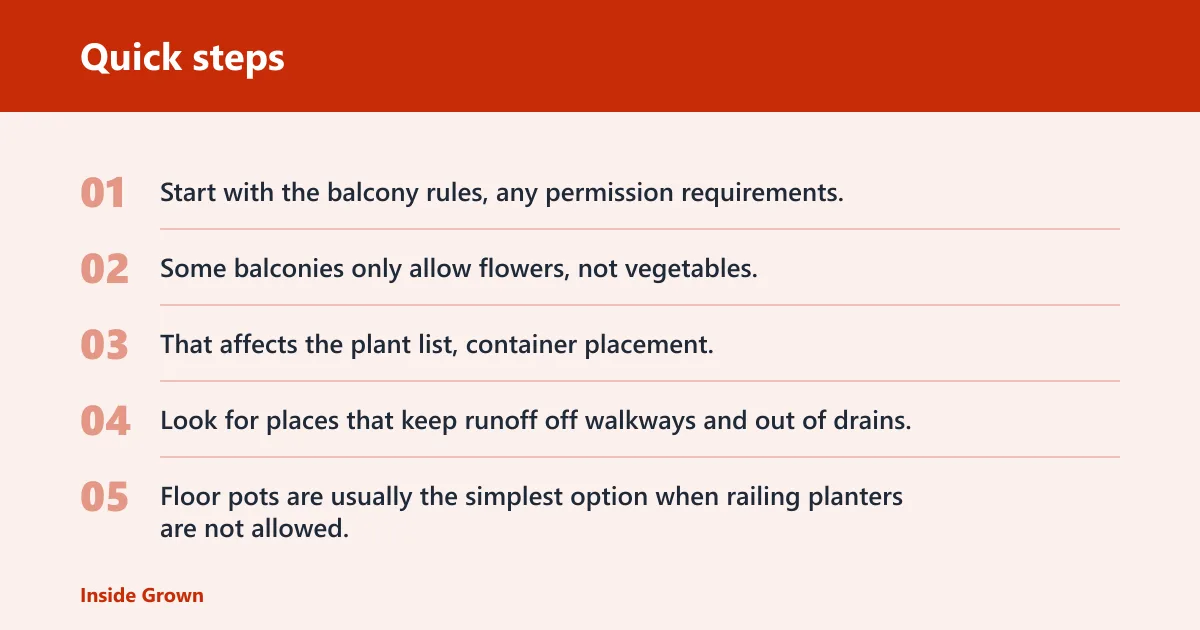


Start with the balcony rules, any permission requirements, and any weight or railing limits before you buy pots. Some balconies only allow flowers, not vegetables. That affects the plant list, container placement, and whether you can hang anything from a railing.
Look for places that keep runoff off walkways and out of drains. Floor pots are usually the simplest option when railing planters are not allowed, and hanging planters can be a problem if the building limits what can be attached or hung from railings. Check whether wall-mounted or overhead structures are permitted before you rely on them.
A balcony also carries less load than a yard, so pot material matters. Terracotta and ceramic pots are heavy for balconies. Resin, plastic, or fiberglass containers can reduce balcony weight, which helps when you are placing several seed pots together.
Pick a stable spot first
Choose a spot that will not block a drain, a doorway, or a narrow path. Stability matters more on a balcony than in a yard because wind moves lightweight containers and can tip shallow ones. A pot that fits safely on the floor or on a permitted stand is easier to manage than one balanced at the edge.
What pots and mix work best for balcony seeds
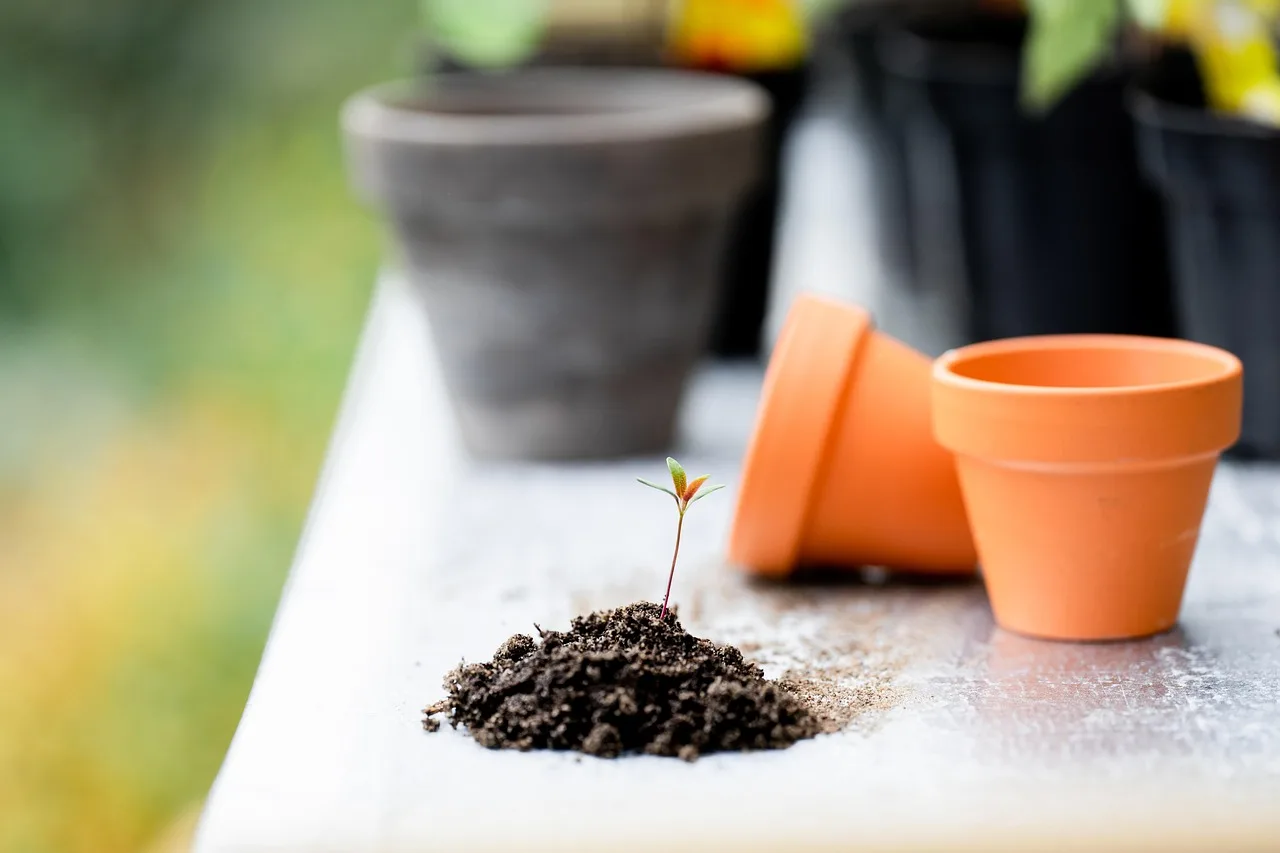
Use lightweight containers with drainage holes and a saucer or tray underneath. Match pot size to the crop and to the seedling stage. A shallow pot dries faster and suits some quick crops, while deeper containers give roots more room for crops that stay in place longer before transplanting.
Fill the pot with a light potting mix made for containers, not garden soil. Container mix drains better and still holds enough moisture for seeds, while garden soil compacts too easily in pots. That compacted surface can slow germination and make watering uneven.
Choose the pot for the root space you need
For many small balcony starts, a pot that is about 4–6 inches deep gives room for the first roots and can help the seed zone dry out less quickly. Wider pots help when you sow several seeds of the same crop and need even moisture across the surface.
If you are starting a crop that will stay in the pot for a while, pick a container that will not crowd the roots at the first true-leaf stage. Crowded roots and a cramped mix both raise the chance of stunted growth later.
How deep should you sow seeds in pots?
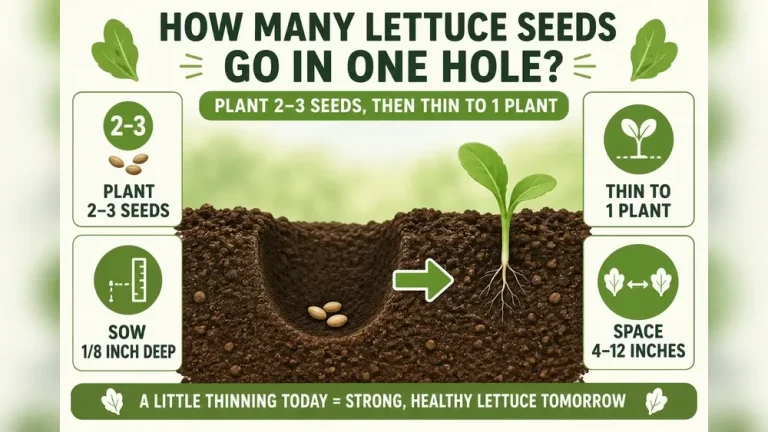
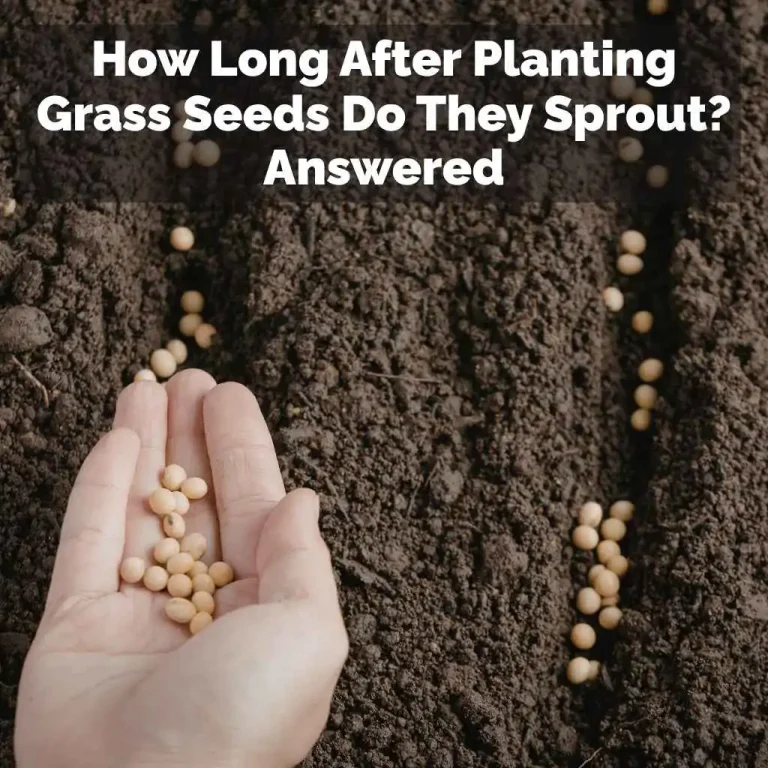
Use the seed packet first. If the packet gives a depth, follow it. A common rule of thumb is to cover most seeds with about 2 to 3 times their width in mix. Tiny seeds are different and may need surface sowing or only a thin dusting of mix, if the packet says so.
Keep sowing depth even across the pot so germination stays more uniform. Seeds planted too deeply use more energy to reach light, while seeds left too shallow can dry out or wash away during the first watering.
Keep the cover light and even
After sowing, cover seeds with only the amount of mix they need. Press the surface lightly so the seed has contact with the soil, but do not pack it down hard. A firm crust blocks water and can make small seedlings struggle to emerge.
A common first-timer mistake is burying tiny lettuce or herb seed under the same depth used for a bean. The result is slow emergence, or no emergence at all, because the seed cannot push through that much mix.
How much sun do balcony seedlings need?
Judge light by balcony orientation and nearby shade, then place pots where the crop gets the right amount of sun. Most vegetables need 6 to 8 hours of sun daily, so a south- or west-facing balcony often works better for full-sun crops than a shaded east-facing one.
Move pots to the brightest safe spot you have, but watch for reflected heat from walls, glass, or railings. Full-sun crops need strong light, while shade-tolerant crops can handle partial shade and still produce well in a balcony microclimate.
Choose crops that fit the light you have
On brighter balconies, seeds for cherry tomatoes, peppers, and pole beans make sense if you can provide enough support and water. On dimmer balconies, lettuce is a better match because it tolerates partial shade more readily than heat-loving crops.
Picture a north-facing balcony with only a few bright hours and a narrow floor area. Lettuce in a medium pot will usually be a better seed choice there than peppers in a small, exposed container.
Watering balcony seed pots without washing them out
Water gently after sowing so seeds stay in place. Keep the top layer damp, not soaked, because seed mix that stays waterlogged can rot the seed. In hot or windy conditions, check moisture more often than you would in a sheltered garden bed, since pots dry from the top and the sides.
Watering may be needed as often as twice a day in hot, windy conditions. A saucer or tray catches runoff, but it should not leave the pot sitting in standing water for long. Empty excess water after the mix has drained.
Use the pot style that matches your schedule
Self-watering pots can reduce watering frequency, which helps on balconies that dry out fast. Drip irrigation can also help if you are managing several pots at once. Those options do not remove the need to check moisture, but they can steady the first week after sowing.
Suppose a 10-inch pot of herb seed dries out by midday on a windy balcony. The top inch can crust over quickly, and the newly sprouted seed may stall or die back. A deeper saucer and more frequent checking reduce that risk.
How to protect seedlings from wind and heat
Wind on balconies is stronger than at ground level, and it can quickly dry out soil. Balcony heat can burn delicate foliage. Use walls, screens, or privacy barriers to cut wind, and place pots where the building itself gives some shelter without blocking the light the crop needs.
Put heavier or wider pots where they stay stable, and move tall seedlings away from exposed edges. Add support early if the crop grows upright stems. Balcony gardens can also use walls, railings, and overhead structures, and chicken wire can support climbing plants on balcony railings where that is allowed.
Ease seedlings into outdoor conditions
Balcony plants should often be exposed gradually to avoid sun and windburn. That matters most for seedlings moved from indoors to a brighter, breezier balcony. Start them in a sheltered spot, then shift them toward stronger light and more air over several days.
A common first-timer mistake is placing freshly sprouted seedlings at the outer railing on a hot afternoon. The leaves can scorch, the pot can dry out fast, and the seedlings may collapse even if the pot looked fine that morning.
What seeds grow best in balcony containers?

Choose crops that fit the amount of sunlight available, the pot size you can manage, and the wind exposure on your balcony. A balcony garden can support vegetables like pole beans, lettuce, cherry tomatoes, and peppers, but each one needs the right light and a container that suits its early root growth.
For very small balconies, start with a few pots first. That keeps watering and sun placement manageable while you learn where the brightest, safest spots are. Vertical space can help later, but the first seed pots should be easy to reach and easy to water.
Match crop choice to season and temperature
Seed timing matters because some crops germinate best in cool conditions and others want warm soil. Choose crops that suit your balcony microclimate, not just the calendar. A sunny wall can create a warmer pocket, while an exposed railing can stay cooler and windier than the rest of the balcony.
If your balcony stays hot and bright, heat-loving crops usually perform better than cool-season seed. If your balcony is shaded or exposed to cooler wind, leaf crops often fit better than peppers or tomatoes at the seed stage.
Balcony seed-starting checklist
| Crop type | Minimum pot diameter | Drainage need | Sowing depth rule | Sun requirement | Wind risk | First-week watering cadence |
|---|---|---|---|---|---|---|
| Lettuce | 6 inches | Drainage holes plus saucer | Surface sow or barely cover if packet allows | Partial shade to 6 hours | Moderate; leaves dry fast | Check daily; water when the top feels dry |
| Cherry tomatoes | 8 inches for starts, larger later | Drainage holes plus tray | About 2 to 3 times seed width | 6 to 8 hours | High; stems need shelter | Check daily; water more often in heat |
| Peppers | 8 inches | Drainage holes plus saucer | About 2 to 3 times seed width | 6 to 8 hours | Moderate; heat stress is common | Check daily; keep mix evenly moist |
| Pole beans | 8 inches | Drainage holes plus tray | About 2 to 3 times seed width | 6 to 8 hours | High; climbing growth needs support | Check daily; do not let the surface crust |
Frequently asked questions
How do I plant seeds in pots on a balcony garden?
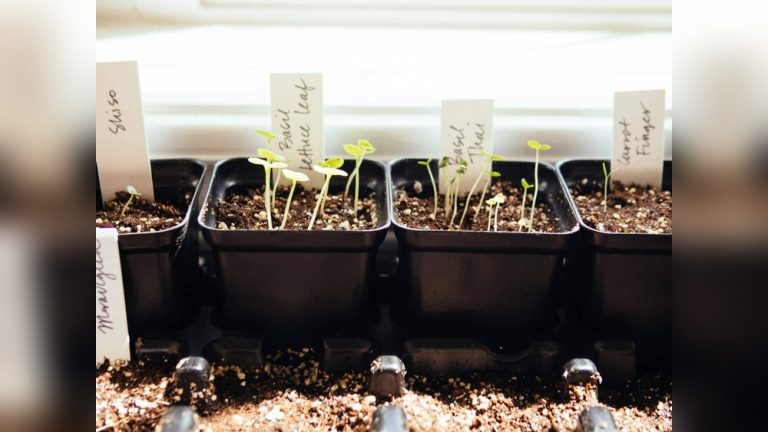
Choose a lightweight pot with drainage holes, fill it with container potting mix, and sow the seeds at the depth listed on the packet. Water gently so the seed stays in place, then set the pot where it gets the right sun and some shelter from strong wind.
What size pot do seeds need on a balcony?
Most balcony seed starts do well in a pot at least 4–6 inches deep, though the right width depends on the crop. Small leaf crops can start in narrower pots, while tomatoes, peppers, and beans need more space as roots expand and stems develop.
How deep should I sow seeds in balcony pots?
Follow the packet first. If no depth is given, a common rule is to cover the seed with about 2 to 3 times its width. Tiny seeds may need surface sowing or only a thin cover, which helps them germinate without being buried too deeply.
Do balcony seed pots need drainage holes and saucers?
Yes. Drainage holes keep the mix from staying soggy, and a saucer or tray catches runoff so water does not stain or flood the balcony. Empty excess water after drainage so the roots do not sit in standing water, which can slow germination and rot seed.
How do I protect balcony seedlings from wind and heat?
Set pots near walls, screens, or privacy barriers that block the worst gusts, and keep delicate seedlings away from exposed edges. Balcony heat can burn foliage, so expose seedlings gradually and add support early for taller crops that can whip around in wind.