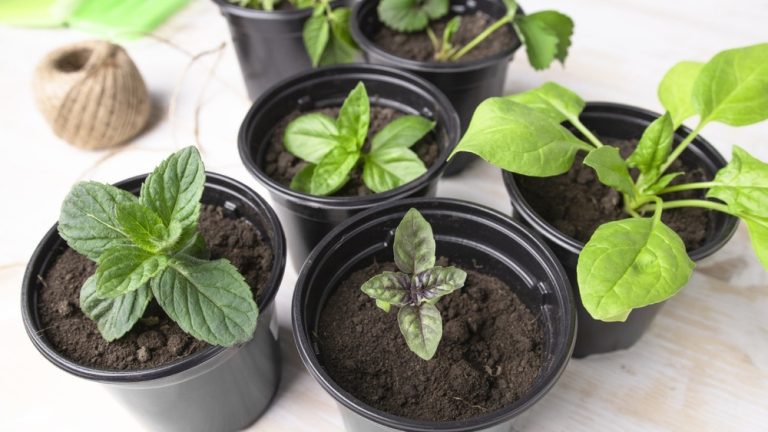
How to Grow Vegetables on a Balcony
To grow vegetables on a balcony, start with light: about 6 or more hours of sun can suit tomatoes, peppers, beans, and cucumbers; roughly 3–5 hours can fit lettuce, spinach, arugula, mustard greens, bok choy, and many herbs; less than about 3 hours may point to shade-tolerant leaves and deeper containers. If you ignore the light, you waste space, fight weak growth, and keep watering plants that never crop well. This guide shows how to choose vegetables, containers, and watering for sun, wind, and limited floor space.
This guide is part of our Vegetable gardening guide series.
What you’ll need


- Containers with drainage holes
- Seed trays or small containers for seedlings
- 3- to 5-gallon pots for peppers, eggplants, peas, and cherry tomatoes
- Large containers for tall tomato varieties and beans
- Railing planters, tower planters, or hanging pots for tight spaces
- Commercial potting mix
- Compost or well-rotted manure
- Slow-release fertilizer
- Watering can or narrow-spout jug
- Mulch or a moisture-retaining top layer
- Optional hydrogel crystals for hot, windy balconies
- Simple stakes, cages, or ties for climbing or tall crops
What can you grow on a balcony?
Start with crops that fit the balcony’s light, not the shopping list. South- or west-facing balconies get sunshine almost all day, east-facing balconies receive sunlight in the morning, and north-facing balconies usually stay shady throughout the year. More sun opens the door to tomatoes, peppers, beans, and cucumbers. Less sun shifts the best bet toward lettuce, spinach, arugula, mustard green, bok choy, green onions, garlic greens, and herbs.
Space matters as much as sun. A balcony can grow a lot in a few containers if you choose compact crops, use vertical planters, and keep deep-rooted plants out of cramped pots. Herbs such as parsley, chives, cilantro, mint, rosemary, and basil fit well beside vegetables, especially in railing planters and mixed containers.
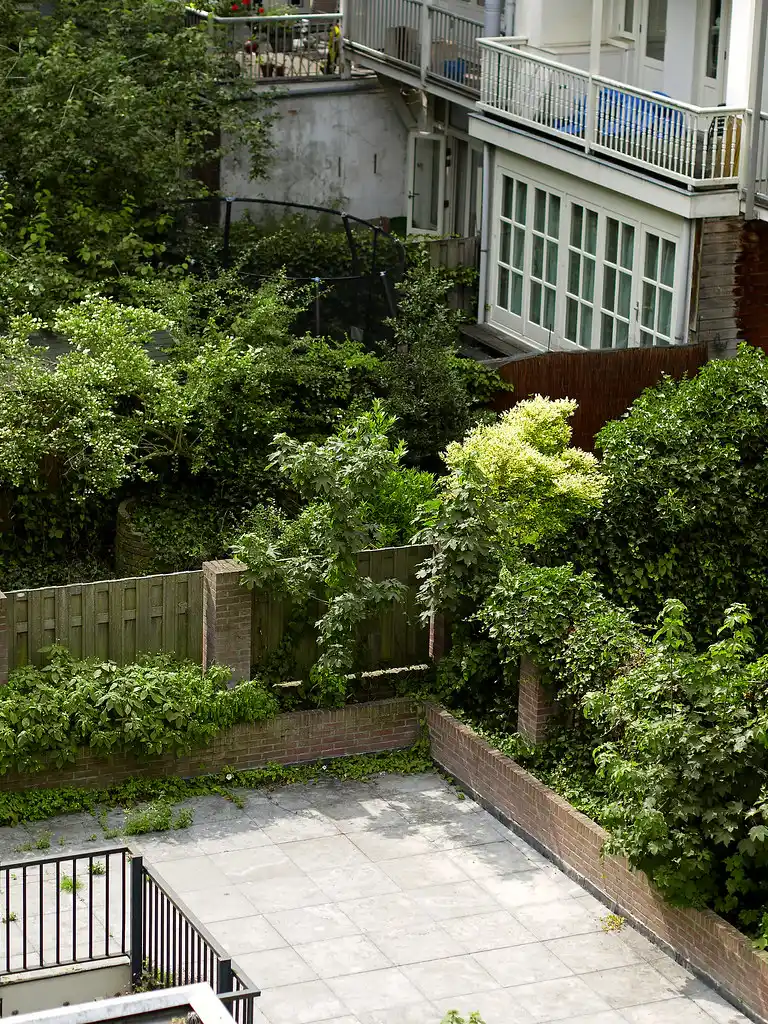
How much sun does your balcony get?
Use sun hours to pick the crop type. Six or more hours favors fruiting vegetables. Three to five hours works better for leafy crops and some herbs. Less than three hours calls for shade-tolerant leaves and culinary herbs, plus careful watering because shaded pots dry more slowly.
Check the balcony in the morning, midday, and late afternoon. Buildings, awnings, and nearby trees can change the light a lot across the season. A balcony that gets steady summer sun may become partly shaded in winter, so the crop plan should change too.
Can you grow vegetables on a north-facing balcony?
Yes, but choose for shade first. North-facing balconies usually remain shady, so leafy greens and a few herbs are the most reliable vegetables there. Think lettuce, spinach, arugula, bok choy, mustard green, green onions, and garlic greens. Fruiting crops usually struggle unless nearby walls or reflections add more light.
On a shaded balcony, avoid large plants that need strong sun to flower and fill fruit. Tomatoes and peppers often stay leggy, bloom poorly, and deliver little harvest. If you want to try one sun-hungry crop anyway, place it in the brightest edge of the balcony and keep expectations modest.
What size pots do I need for balcony vegetables?
Match pot size to root space and growth habit. Peppers, eggplants, peas, and cherry tomatoes can grow in 3- to 5-gallon containers. Large containers suit tall tomato varieties and beans. Seedlings can start in seed trays or small containers before moving up to their final pot.
Small pots dry fast and run out of nutrients sooner. Overcrowded roots reduce flowering and fruit set. If you are unsure, use the larger container within reason. A slightly oversized pot is usually safer than one that fills with roots too fast.
What soil should I use for balcony vegetables?
Use loose, well-drained, fertile, nutrient-rich soil, and choose a commercial potting mix rather than heavy garden soil. Garden soil compacts in containers, drains poorly, and can suffocate roots. Potting mix stays lighter, holds air, and is easier to water evenly on a balcony.
Add compost or well-rotted manure for extra fertility, then mix in slow-release fertilizer so container crops keep getting nutrients over time. That matters on balconies because frequent watering also washes nutrients out faster than in ground beds.
How do I keep balcony container plants from drying out?
Water deeply enough that moisture reaches the full root zone, then check again sooner than you would in a ground garden. Balcony pots dry faster in sun and wind, especially on upper floors. Hot, exposed balconies may benefit from hydrogel crystals, which absorb excess water and release stored moisture later.
For windy, sunny balconies, use larger pots, mulch the surface, and keep saucers or trays only if they do not leave roots sitting in water. In hot regions such as Dubai, morning and late-afternoon watering often works better than a single midday soak. In the UK, cloudy stretches can hide overwatering problems, so check the top few centimeters before watering again. In India, intense sun plus heat usually means smaller containers need the closest monitoring.
Which vegetables are best for a windy balcony?
Wind shortens the list. Compact leafy greens, green onions, garlic greens, and many herbs handle exposed conditions better than tall, top-heavy plants. Cherry tomatoes can work if the container is heavy enough and the plant is tied well. Tall tomato varieties and climbing beans are riskier because stems whip, dry out, and break.
Suppose a west-facing balcony gets strong afternoon wind and full sun. A 5-gallon pot of cherry tomatoes may still work, but a tall indeterminate tomato in the same spot can lose flowers and wilt between waterings. A railing planter with basil and chives is usually the safer choice there.
How do I grow vegetables on a small balcony?
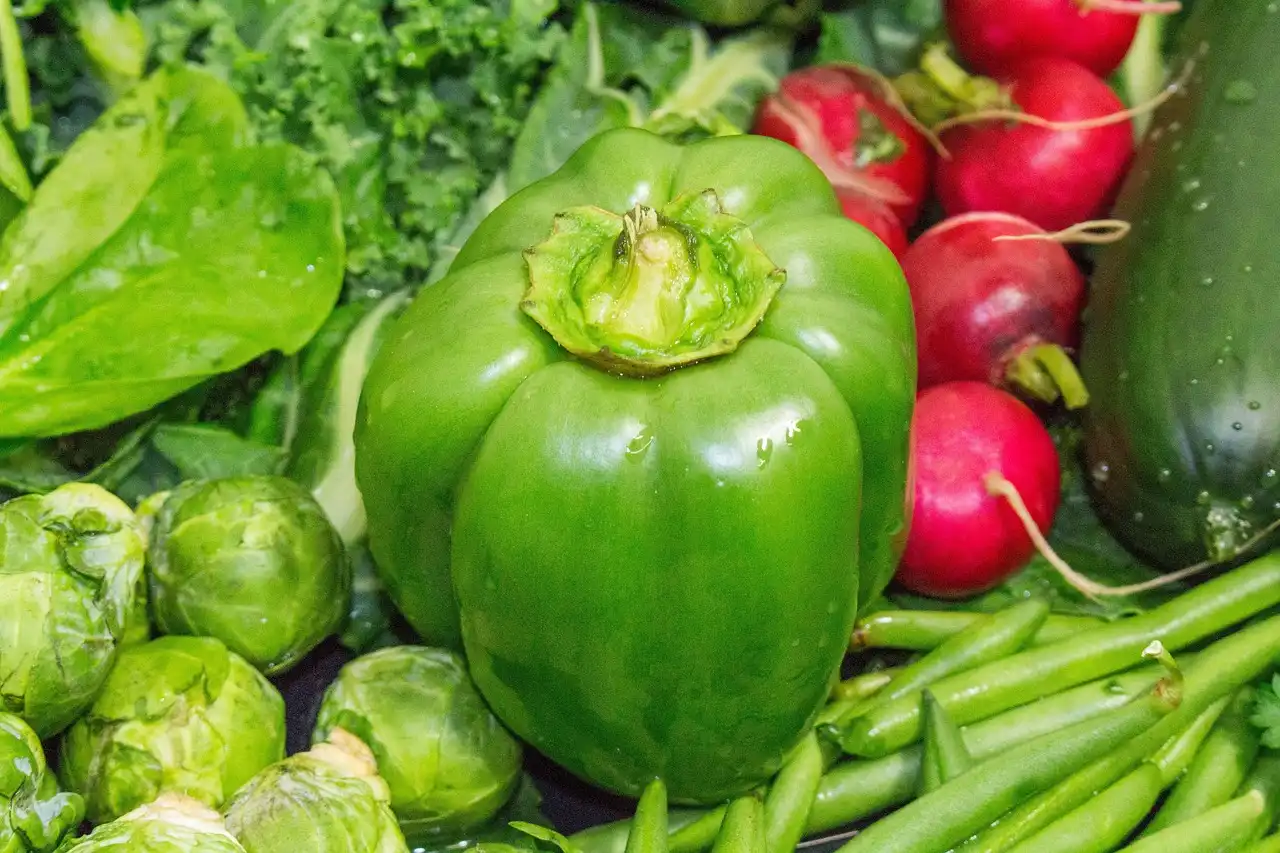
Use every surface with a plan. Put sun-loving crops on the brightest floor space, move herbs into railing planters, and reserve vertical planters or tower planters for salad greens. Hanging pots suit trailing herbs and shallow-rooted leaves, not heavy fruiting crops. On a 1- to 2-meter balcony, spacing and access matter more than plant count.
Step-by-step balcony setup
- Map sun and wind for one full day, then note the brightest wall, the breeziest edge, and the hours of direct light.
- Choose crops for that light, starting with fruiting vegetables for full sun and leafy greens or herbs for shade.
- Match each plant to a pot size, using 3- to 5-gallon containers for smaller fruiting crops and larger containers for tall tomatoes and beans.
- Fill pots with commercial potting mix, then blend in compost or well-rotted manure and a slow-release fertilizer.
- Water until the mix is evenly moist, then recheck the top layer daily in heat or wind and every few days in cooler weather.
- Add stakes, cages, or ties before stems lean, because later support can damage roots.
- Use vertical planters, tower planters, hanging pots, and railing planters to keep floor space open for larger pots.
Balcony vegetable planning table
| Balcony condition | Sunlight exposure | Wind exposure | Container size | Recommended crops | Risk level |
|---|---|---|---|---|---|
| Full-sun balcony | South or west-facing; sunshine almost all day | Low to moderate | 3- to 5-gallon pots for peppers, eggplants, peas, and cherry tomatoes; larger containers for tall tomato varieties and beans | Tomatoes, peppers, beans, cucumbers, basil, parsley | Low if watering is steady; medium if pots are small |
| East-facing balcony | Morning sun | Low to moderate | 3- to 5-gallon pots and railing planters | Leafy greens, bushier herbs, cherry tomatoes in the brightest spot | Medium, because afternoon light may be limited |
| North-facing balcony | Usually shady throughout the year | Low to moderate | Deeper containers for greens; seed trays for starts | Lettuce, spinach, arugula, mustard green, bok choy, green onions, garlic greens, chives, mint | Medium to high for fruiting crops; low for greens |
| Windy balcony | Often full sun or mixed sun and shade | High | Heavier 5-gallon-plus pots, railing planters only for light crops | Compact greens, basil, chives, parsley, cherry tomatoes with support | High unless pots are weighted and watered often |
Pot count for a 1- to 2-meter balcony
- 1 large pot for one tomato, pepper, or bean plant
- 1 medium pot for leafy greens
- 1 railing planter for herbs or salad leaves
- 1 hanging pot or tower planter for extra greens
That layout gives room to move, water, and harvest without stepping around a crowded floor. If the balcony is very narrow, reduce the number of large pots first, not the number of drainage holes or the pot size.
What can I grow with herbs in a balcony garden?
Mix herbs with vegetables that need similar sun and water. Basil grows well near tomatoes, parsley fits with leafy greens, chives can edge a mixed planter, cilantro works best with cool-season leaves, mint belongs in its own pot because it spreads, and rosemary prefers a drier, brighter spot.
Railing planters are useful here because they hold light crops without taking floor space. Keep mint separate so it does not crowd slower neighbors. If the balcony is windy, place herbs on the leeward side where leaves dry less quickly.
Common mistakes
The most common failures are easy to spot. Heavy garden soil in pots causes poor drainage. Tiny pots dry out too fast for tomatoes and peppers. Too much shade leads to weak fruiting. Too much plant mass on a windy balcony causes broken stems and tipped containers.
Pests and pollination issues also show up on exposed balconies. Aphids, whiteflies, and spider mites move quickly in dry air, so inspect leaf undersides often. Tomatoes, peppers, and beans may need gentle shaking for better pollination when air movement is weak. Flowers dropping without fruit usually means too little sun, too much heat, or inconsistent watering.
A common first-timer mistake is putting a tall tomato into a lightweight container on a breezy west-facing balcony. The plant leans, the soil dries fast, and flowers fall before fruit sets. A heavier pot, a cage, and more frequent watering solve most of that.
If that did not work, move the problem plant to the brightest, least windy spot you have, then step up one container size and recheck drainage after the next watering. If leaves still yellow, add the next feed only after the mix dries slightly at the surface.
Frequently asked questions
What vegetables can I grow on an apartment balcony?
Tomatoes, peppers, beans, cucumbers, lettuce, spinach, arugula, mustard green, bok choy, green onions, and garlic greens all fit common balcony setups. The best choice depends on sun direction, wind, and whether you can give each plant enough pot space.
How much sun does a balcony vegetable garden need?
About 6 or more hours is generally best for fruiting crops, while roughly 3–5 hours can suit leafy greens. Less than 3 hours usually limits you to shade-tolerant leaves and herbs. South or west-facing balconies get the most sun, and east-facing balconies get morning sun.