Do Vegetable Gardens Need Shade? What Most Gardeners Miss
Growing a lush, productive vegetable garden is often seen as a sun-soaked pursuit, with rows of tomatoes, peppers, and beans basking in the daylight. But what if the secret to thriving crops isn’t just sunlight? Many gardeners overlook the nuanced role that shade plays—sometimes beneficial, sometimes detrimental—in vegetable garden success.
Misunderstanding the interplay between light and shade can lead to missed opportunities for higher yields, healthier plants, and more resilient gardens.
As climate change brings hotter summers and unpredictable weather, reconsidering traditional wisdom about sunlight becomes crucial. Gardeners who adapt their strategies to include the right amount and type of shade can unlock new levels of productivity, even in challenging environments.
This article will shed light on what most gardeners miss about shade, how it impacts vegetable gardens , and actionable strategies for optimizing your garden’s microclimate for peak performance.
Key Takeaways
- Sunlight is critical for most vegetables, but selective shade can protect crops from heat stress, pests, and disease.
- Shade-tolerant vegetables thrive with less direct sunlight and can expand your crop diversity.
- Understanding microclimates and garden orientation helps maximize both sun and shade benefits.
- Strategic shading with structures or companion planting can boost yields and reduce resource use.
- Overlooking shade can lead to wilting, bolting, and poor fruiting—knowing when and how to use shade is essential for garden success.

The Science Of Sunlight And Shade In Vegetable Gardens
Photosynthesis And Sunlight Requirements
At the heart of every vegetable garden lies the process of photosynthesis—plants converting sunlight, water, and carbon dioxide into energy. This process fuels the growth of stems, leaves, roots, and, ultimately, the fruits and vegetables we harvest. Most vegetables are classified as full sun crops, requiring at least 6-8 hours of direct sunlight daily for optimal growth and fruiting. The sunlight spectrum, particularly the blue and red wavelengths, drives photosynthesis, influencing both growth rate and crop quality.
Each plant’s sunlight needs are rooted in its evolutionary history. Warm-season crops like tomatoes and peppers evolved in regions with long, sunny days. They use sunlight not only for photosynthesis but also to regulate their reproductive cycles, ensuring maximum fruit set and ripening.
On the other hand, some crops have adapted to lower light environments and can flourish with less direct sun.
However, too much sunlight, especially in hot climates, can trigger stress responses in plants:
- Wilting: Excessive heat leads to rapid water loss through transpiration, causing leaves to droop as a defense mechanism to reduce surface area and preserve moisture.
- Bolting: Leafy greens like lettuce and spinach, when exposed to high temperatures and intense sunlight, may prematurely send up flowering stalks. This process, called bolting, often results in bitter-tasting leaves and diminished harvests.
- Sunscald: Fruits such as tomatoes, peppers, and melons are susceptible to sunscald, which manifests as white, leathery, or blistered patches on the fruit surface. This damage can reduce the marketability and edibility of the produce.
The relationship between sunlight and plant productivity is not strictly linear. Beyond a certain threshold, more sunlight does not necessarily equate to higher yields and can, in fact, have detrimental effects.
The Role Of Shade In Plant Health
While shade reduces the intensity of sunlight, it also moderates temperature and humidity. Properly applied, shade can:
- Prevent heat stress in sensitive crops, especially during heat waves or the hottest part of the day.
- Slow evaporation from soil, conserving water and maintaining more consistent soil moisture levels, which is vital for healthy root development.
- Reduce pest pressure by disrupting pest lifecycles and making the environment less hospitable for certain insects that thrive in hot, dry conditions.
A study by the University of Florida found that partial shade can increase yields of heat-sensitive crops by 15-20% in the summer months (Source Name). This effect is particularly pronounced in regions where midday and afternoon temperatures soar, as shade helps keep plant tissues within an optimal temperature range for metabolic processes.
Shade also plays a significant role in reducing plant stress during periods of drought. Since shaded soil retains moisture longer, plants experience less frequent and less severe water deficits. This not only improves plant vigor but can also lower the incidence of physiological disorders related to inconsistent watering, such as blossom end rot in tomatoes and peppers.
Microclimate And Garden Orientation
Every garden has microclimates—areas where light, temperature, and humidity vary due to structures, trees, or landscape features. Understanding microclimates allows gardeners to:
- Place shade-loving crops in naturally cooler, shaded spots, such as the north side of a building or under the canopy of a deciduous tree.
- Orient garden rows to maximize morning sun and provide afternoon shade, which is often more effective at preventing heat stress than full sun exposure all day.
For example, a north-facing fence in the US provides afternoon shade, which can be ideal for leafy greens and other heat-sensitive crops during the hottest months. Conversely, southern exposures maximize sunlight—great for sun-loving crops like tomatoes and peppers.
Other elements that influence microclimates include:
- Windbreaks: Fences, hedges, or walls can reduce wind speed, which in turn reduces evaporation and protects tender plants from desiccation.
- Elevation and slope: Sloped areas may receive more or less sunlight depending on their orientation, while low-lying areas may be cooler and more humid.
By mapping the microclimates within your garden, you can make informed decisions about plant placement, irrigation, and the use of shade structures.

Which Vegetables Need Shade? Shade-tolerant And Shade-resistant Crops
Shade-tolerant Vegetables
Not all vegetables demand relentless sunlight. Some thrive in partial shade (4-6 hours of direct sun), making them perfect for less sunny spots:
- Leafy greens: Lettuce, spinach, arugula, Swiss chard, mustard greens, and Asian greens like bok choy and tatsoi are classic shade lovers. They evolved to grow under the dappled light of forest edges or during the cooler, shadier parts of the year.
- Root crops: Beets, carrots, radishes, turnips, and potatoes can grow in partial shade, especially when planted early or late in the season when sunlight is less intense. While they may mature more slowly, their flavor and texture often improve in cooler, shadier environments.
- Brassicas: Broccoli, cauliflower, kale, cabbage, and Brussels sprouts are members of the brassica family that tolerate or even prefer some shade, particularly when temperatures rise. These crops are less likely to bolt or develop bitterness in cooler, shaded areas.
In addition to these, some herbs like parsley, cilantro, and mint also perform admirably in partial shade, providing further options for gardeners with limited sun.
Full Sun Vs. Partial Shade Needs
Below is a comparison table of vegetables and their sunlight requirements:
| Vegetable | Full Sun (6-8 hrs) | Partial Shade (4-6 hrs) | Light Shade (2-4 hrs) |
|---|---|---|---|
| Tomatoes | ✓ | ||
| Lettuce | ✓ | ✓ | |
| Carrots | ✓ | ✓ | |
| Peppers | ✓ | ||
| Kale | ✓ | ✓ | |
| Broccoli | ✓ | ||
| Radishes | ✓ |
It’s important to note that while some crops will grow in partial or light shade, yields and time to maturity can be affected. For example, root crops like carrots may take longer to mature in shade, but often develop sweeter flavor and better texture.
Real-world Example: Urban Shade Gardening
A gardener in Brooklyn, New York transformed a shaded courtyard into a thriving vegetable patch. By focusing on shade-tolerant crops like kale and Swiss chard, she achieved harvests comparable to sun-drenched gardens, demonstrating that shade is not a barrier but an opportunity (Source Name). She reported not only robust yields but also less frequent watering and fewer issues with pests like aphids and flea beetles, which prefer hot, sunny conditions.
In another example, community gardens in urban centers across the US have developed “shade gardening” programs to help residents maximize limited sunlight. By interplanting leafy greens, root crops, and shade-tolerant herbs in the shadow of tall buildings, these gardens increase food production in areas once considered unsuitable for vegetables.
Crops That Struggle In Shade
Some vegetables require full sun and perform poorly in shaded conditions:
- Fruit-bearing plants: Tomatoes, cucumbers, squash, eggplant, and melons require abundant sunlight to support the energy-intensive processes of flowering and fruiting. Without sufficient sun, these plants produce fewer flowers, set less fruit, and the fruit that does develop may be small, misshapen, or lacking in flavor.
- Legumes: Beans and peas, while somewhat more forgiving, generally perform best with at least six hours of direct sun, as flowering and pod development are light-dependent.
These crops rely on intense sunlight to produce flowers and fruit. Shade can result in:
- Reduced yields: Fewer fruits and vegetables, which impacts both home gardeners and commercial growers.
- Poor flavor development: Sunlight is essential for sugar production in fruit, so shaded crops may taste bland or watery.
- Increased disease risk: Shaded, humid environments can foster fungal diseases such as powdery mildew, especially on dense, vining plants.
Understanding these distinctions allows gardeners to choose the right crops for every corner of their garden, maximizing productivity and minimizing disappointment.

Benefits And Risks Of Shade: What Most Gardeners Miss
Benefits Of Strategic Shade
Gardeners often underestimate the benefits of shade. When used thoughtfully, shade can:
- Protect from Heatwaves: Partial shade shields plants during extreme temperatures, preventing wilting and bolting. Leafy greens and cole crops, in particular, benefit from cooler root zones and less leaf scorch.
- Extend Harvest Seasons: Shade slows growth, allowing for longer harvest windows. For example, lettuce and spinach grown in partial shade can be harvested weeks longer into the summer than those in full sun.
- Reduce Watering Needs: Shaded soil retains moisture, lowering irrigation demands. This is particularly valuable in arid regions or during droughts, when water conservation is a priority.
- Enhance Pest Management: Some pests, like aphids, prefer sunny, dry conditions. By introducing shade, you can disrupt pest populations and reduce reliance on chemical controls.
- Improve working conditions: Shaded areas are cooler and more comfortable for gardeners, making it easier to tend to plants during the hottest parts of the day.
A 2019 study in California showed that shade cloth reduced water use by up to 30% in vegetable gardens (Source Name). With water becoming an increasingly precious resource, this benefit alone makes strategic shading a valuable tool for sustainable gardening.
In addition, some gardeners have found that shade can improve the quality of certain crops. For instance, Swiss chard and spinach grown in partial shade often have more tender leaves, as they are less likely to become tough or bitter.
Risks Of Excessive Shade
However, too much shade can introduce risks:
- Stunted growth: Plants become leggy, with elongated stems and fewer leaves as they stretch toward available light. This growth habit is inefficient and reduces overall productivity.
- Poor fruiting: Reduced flower and fruit production can occur when plants lack the energy provided by sunlight. In extreme cases, crops may fail to set fruit altogether.
- Disease susceptibility: Damp, shaded conditions favor fungal diseases such as downy mildew, gray mold, and root rot, particularly if air circulation is poor.
- Delayed maturity: Crops may take longer to reach harvestable size, which can reduce the number of planting cycles possible in a growing season.
Case Study: Shade Cloth In Hot Climates
In Phoenix, Arizona, a community garden implemented 40% shade cloth during summer months. Yield of lettuce and spinach increased by 18%, while tomato yields decreased. This highlights the importance of matching shade to crop needs—what benefits one crop may hinder another.
Gardeners in hot climates often use adjustable or removable shade structures to fine-tune conditions as the season progresses. For example, they may use shade cloth during peak summer, then remove it in late summer or early fall to allow in more light as temperatures drop.
Shade And Soil Health
Shade impacts soil temperature and microbial activity:
- Cooler soils support beneficial microbes that aid in nutrient cycling, organic matter breakdown, and disease suppression.
- Shade reduces evaporation, maintaining soil structure and preventing compaction, which can be exacerbated by repeated drying and rewetting.
- However, overly shaded soil can remain damp, promoting root rot and fungal diseases if drainage is poor. Regularly monitoring soil moisture and ensuring good drainage are critical in shaded areas.
Additionally, shaded soil tends to have higher earthworm populations, which further enhances soil structure and fertility. Earthworms thrive in cool, moist conditions and are less likely to surface or perish in shaded beds.
How To Create And Manage Shade In Vegetable Gardens
Natural Shade Solutions
Gardeners can use natural shade to their advantage:
- Trees and shrubs: Deciduous trees provide dappled shade, ideal for summer crops. In fall and winter, when leaves drop, more sunlight reaches the garden, extending the growing season for cool-weather crops.
- Fences and walls: Structures cast afternoon shade, cooling sensitive plants. South- and west-facing walls are especially useful for blocking intense sun. Painting fences white or installing reflective materials can also help bounce additional light into shaded areas.
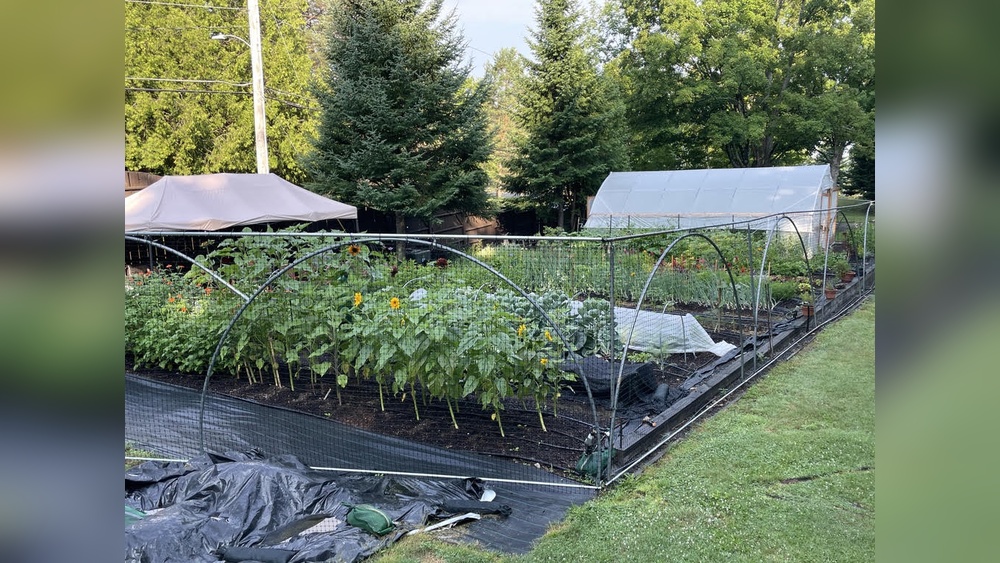
- Tall companion plants: Corn or sunflowers can shade lower-growing vegetables. Beans can be grown on trellises to create living shade screens, while squash vines can be trained to cover soil, reducing both sun exposure and evaporation.
Natural shade also offers habitat for beneficial insects and birds, supporting overall garden health and biodiversity.
Artificial Shade Structures
For precise control, shade structures offer flexibility:
- Shade cloth: Available in varying densities (20-70%), easily installed over beds. Gardeners can select the density that best suits their crops, with lighter cloth for more sun-tolerant plants and denser cloth for those needing extra protection.
- Pergolas and trellises: Support vines, creating filtered light and offering dual-purpose structures for both shade and vertical growing space.
- Row covers: Lightweight fabrics that protect seedlings from harsh midday sun and, in some cases, pests. These can be used seasonally or moved as needed.
- Pop-up canopies: Temporary structures that can be erected during heat waves or to protect new transplants.
Below is a comparison of common shade structures:
| Structure | Shade Density | Cost | Best Use |
|---|---|---|---|
| Shade Cloth | 20-70% | $10-$50 | Heat-sensitive crops |
| Pergola | 30-50% | $200-$1000 | Vining plants, aesthetics |
| Row Cover | 10-30% | $5-$30 | Seedlings, pests |
| Tall Plants | Variable | $0 | Companion planting |
When installing artificial shade, ensure structures are securely anchored to withstand wind and weather. Adjustable systems, like retractable shade cloth or movable trellises, offer flexibility as seasons change.
Companion Planting For Shade
Companion planting leverages plant height and leaf density for natural shade:
- Interplanting: Tall crops shade shorter, heat-sensitive vegetables. For example, planting sweet corn with lettuce or radishes beneath takes advantage of the vertical layers in your garden.
- Living mulch: Groundcovers such as clover, creeping thyme, or nasturtiums reduce soil temperature, suppress weeds, and retain moisture.
- Sunflower screens: Growing a row of sunflowers along the southern edge of a bed can provide partial afternoon shade for delicate crops.
Example: Planting sunflowers alongside lettuce provides midday shade, preventing bolting and extending the harvest season. Similarly, using trellised pole beans or peas can create living green walls that both produce food and cast cooling shade.
Monitoring And Adjusting Shade
Successful shade management requires ongoing observation:
- Track sunlight patterns across seasons. The angle of the sun shifts throughout the year, changing where and when shade falls in your garden.
- Adjust shade cloth density as temperatures rise or fall. Some gardeners keep several densities of shade cloth on hand to swap out as needed.
- Move containers or raised beds to optimize light exposure. Containers are especially useful for experimenting with different levels of sun and shade until you find the optimal spot for each crop.
- Observe plant responses. If leaves become pale, elongated, or plants are slow to grow, they may need more sun. On the other hand, signs of wilting, leaf scorch, or bolting suggest too much sun or heat.
Utilize smartphone apps or sun calculators to map your garden’s light profile. Keeping a garden journal with seasonal observations helps refine your strategies over time.
Shade In Different Climates: Regional Considerations
Cool Climate Gardens
In northern regions (e. g. , Maine, Minnesota, Canada), summer sunlight is less intense and days are shorter. Shade is less necessary, except during rare heatwaves. Gardeners should focus on maximizing sun exposure for most crops, using reflective mulches or light-colored surfaces to increase available light.
However, even in cool climates, partial shade can be useful for growing tender greens during brief hot spells, or for extending the harvest of crops that bolt in heat. Lettuce and spinach, for example, may last several weeks longer when grown in the partial shade of taller crops or structures.
Hot Climate Gardens
Southern states (e.g., Texas, Arizona, Southern California) benefit from strategic shading:
- Use 30-50% shade cloth during peak summer. This can be especially important for transplants, seedlings, and heat-sensitive crops, which may otherwise succumb to sunburn or heat stress.
- Grow shade-tolerant crops in naturally cooler spots, such as the east side of buildings or under the canopy of deciduous trees.
A study from Texas A&M University found that lettuce yields dropped by 35% in full sun during July, but remained stable under 40% shade cloth (Source Name). For gardeners in these regions, shade is not just beneficial—it’s often essential for summer vegetable production.
Additionally, in hot climates, using organic mulches like straw or wood chips in combination with shade structures can further moderate soil temperatures, supporting healthy root growth.
Urban Gardening Challenges
Urban gardens often contend with buildings, trees, and fences creating irregular shade. Embrace these microclimates:
- Map sun and shade patterns for every season. A sunny spot in spring may be shaded in summer as trees leaf out or the sun’s angle changes.
- Select crops suited to available light. Focus on leafy greens, herbs, and root vegetables for shadier spots, reserving the sunniest areas for tomatoes, peppers, and squash.
Urban gardeners often supplement natural light with reflective surfaces, such as white-painted fences, mirrors, or even aluminum foil, to direct more sunlight onto their crops.
Real-world Example: Seattle Community Garden
A Seattle community garden faced heavy afternoon shade from nearby buildings. By focusing on shade-tolerant crops and installing reflective surfaces to boost morning sun, they achieved impressive yields and extended harvest seasons. Gardeners also planted crops in raised beds to improve drainage and used light-colored mulch to reflect additional light upward onto lower leaves.
This adaptive approach not only overcame the site’s challenges but also fostered a sense of community as gardeners shared tips and resources for maximizing limited light.
Tropical And Subtropical Zones
In tropical climates, intense sunlight and heavy rainfall can stress plants. Shade is crucial for:
- Preventing leaf burn. Crops like lettuce, spinach, and even some fruiting vegetables can suffer from sun scorch if left unprotected.
- Reducing water loss. Shade reduces evaporation, helping plants cope with both high temperatures and the rapid drying of soil after rainstorms.
- Protecting delicate seedlings. Young plants are particularly vulnerable to intense sun and heavy rain. Shade structures can buffer both, increasing survival rates and early growth.
A 2026 study from the International Journal of Agricultural Science showed that shade nets improved the survival rate of tropical vegetable seedlings by 40% (Source Name). In these environments, shade is often a standard part of vegetable production, not just an option.
Optimizing Shade: Practical Strategies For Maximum Yield
Garden Layout And Orientation
Strategically designing garden layout maximizes both sun and shade:
- Orient rows north-south for even light distribution, ensuring all plants receive a balance of morning and afternoon sun.
- Place shade-loving crops on the east side of tall plants or structures, where they receive morning light and are protected from the harshest afternoon rays.
- Use raised beds to improve drainage in shaded areas, reducing the risk of root diseases.
In larger gardens, consider “zoning” beds based on light availability and crop requirements, grouping sun-loving crops together and allocating shadier spots for leafy greens and herbs.
Seasonal Adjustments
Adjust shading strategies throughout the year:
- Increase shade in summer to protect from heat by installing shade cloth or growing tall annuals.
- Remove shade in spring and fall to maximize growth, allowing crops to take full advantage of shorter, weaker sunlight.
For perennial gardens, select deciduous trees for shade—these lose their leaves in winter, letting in more light during the cool season.
Soil And Water Management
Shaded gardens require tailored soil management:
- Ensure drainage to prevent waterlogging, especially in areas with heavy shade and high rainfall.
- Use mulch to retain moisture and moderate temperature. In shaded beds, organic mulches can help keep soil temperatures stable and suppress weed growth, which can be more vigorous in moist, shady environments.
- Test soil pH and fertility regularly, as shaded soils may differ in nutrient availability due to slower organic matter breakdown.
Pest And Disease Control
Shade alters pest dynamics:
- Use shade to deter sun-loving pests like spider mites, thrips, and cabbage loopers, which are less prevalent in cooler, moister environments.
- Monitor for increased fungal diseases in damp shade. Improving air circulation by spacing plants properly and pruning lower leaves can help reduce risk.
- Practice crop rotation and sanitation to minimize disease buildup in areas where shade creates persistently damp conditions.
Technology For Shade Management
Modern tools simplify shade optimization:
- Sun calculators: These smartphone apps and online tools help gardeners map sunlight patterns throughout the year. By entering your location and garden orientation, you can receive tailored recommendations for plant placement.
- Temperature sensors: Wireless soil and air temperature probes track microclimate changes, alerting you to overheating or excessive cooling in different garden zones.
- Smart irrigation: Automated drip systems adjust watering based on soil moisture sensors, ensuring shaded beds receive just the right amount of water.
These technologies help even novice gardeners manage shade like experts, reducing trial and error and improving yields.
Case Study: High-yield Shade Garden In Miami
A Miami gardener used 50% shade cloth and drip irrigation to grow lettuce, arugula, and carrots during peak summer. Yields matched those of cooler seasons, demonstrating the power of technology and shade management. By monitoring soil moisture and temperature, the gardener adjusted irrigation schedules and shade cloth density to create a stable, productive microclimate.
The result was not only abundant harvests but also significant water savings and reduced pest problems, showing that shade management can be both productive and sustainable.
Common Shade-related Gardening Mistakes
Overestimating Crop Sun Needs
Many gardeners assume all vegetables need full sun. This leads to:
- Poor yields of shade-tolerant crops that actually prefer cooler, lower-light conditions.
- Missed opportunities for diverse plantings, as gardeners overlook the potential of shaded or partially shaded areas.
Ignoring Microclimates
Failing to account for garden microclimates results in:
- Inconsistent growth, as plants may receive too much or too little sun based on their location.
- Increased pest and disease issues in areas that remain damp or excessively hot.
Misusing Shade Structures
Using too dense or insufficient shade cloth can:
- Stunt growth of sun-loving crops if they are deprived of the light they need for photosynthesis.
- Fail to protect heat-sensitive plants if shade is too sparse or not positioned correctly.
Select shade cloth carefully, and adjust as plant needs and weather conditions change.
Planting Layout Errors
Improper placement of tall plants or structures causes:
- Unintended shade on sun-requiring crops, reducing yields.
- Competition for light and nutrients, especially in crowded beds.
Plan plant heights and row orientations with the sun’s path in mind to avoid these issues.
Real-world Example: Suburban Garden Pitfall
A suburban gardener in San Diego placed tomatoes behind a tall fence, resulting in poor fruiting and stunted plants. After relocating to a sunnier spot, yields improved dramatically. This underscores the importance of matching plant requirements to site conditions and being willing to adapt your layout as you observe plant performance.
Shade And Sustainable Gardening
Water Conservation
Shaded gardens use less water, supporting sustainable practices:
- Lower evaporation rates mean less frequent irrigation is needed.
- Mulched, shaded beds can maintain moisture for days or even weeks longer than sun-exposed soil.
In drought-prone areas, incorporating shade is an essential tool for water-wise gardening.
Biodiversity And Pollinator Support
Shade increases plant diversity, attracting:
- Beneficial insects such as ladybugs, lacewings, and predatory beetles.
- Pollinators seeking cooler environments, such as certain native bees and butterflies that prefer dappled sunlight.
Mixed sun and shade plantings support a wider range of species, enhancing ecosystem health.
Climate Resilience
Shaded gardens withstand temperature extremes:
- Reduce heat island effects in urban areas by absorbing and dissipating heat more efficiently than bare soil or hardscape.
- Buffer against drought and storms by maintaining more stable soil moisture and temperature.
A 2018 study from the USDA highlighted that diversified gardens with shade elements are more resilient to climate change (Source Name). The integration of trees, shrubs, and shade structures into vegetable gardens was found to reduce damage from both heat waves and severe storms.
Real-world Example: Eco-friendly Shade Garden
A Chicago gardener combined native shade trees, mulch, and drip irrigation to create a water-efficient, biodiverse vegetable garden. Yields remained high even during summer droughts. The garden also provided habitat for birds and pollinators, and the cooler, shaded microclimate made it a pleasant refuge for both people and plants during heat waves.
Frequently Asked Questions
How Much Shade Is Too Much For Vegetable Gardens?
Excessive shade—less than 2 hours of direct sunlight daily—typically results in stunted growth and poor yields, especially for fruiting vegetables. Aim for at least 4 hours of sunlight for most crops; leafy greens can tolerate a bit less, especially in hot climates or during the peak of summer.
Can I Use Shade Cloth Year-round?
Shade cloth is best used seasonally, especially during hot months. Removing it in cooler seasons allows maximum sunlight, boosting growth and yield. Some gardeners use retractable or removable systems for flexibility.
What Vegetables Grow Best In Shady Spots?
Leafy greens (lettuce, spinach, arugula), root crops (beets, carrots), and brassicas (broccoli, kale) perform well in partial shade. Avoid planting tomatoes, peppers, or squash in consistently shaded areas, as their yields will be significantly reduced.
Does Shade Help Reduce Pests In The Garden?
Strategic shade can deter sun-loving pests like spider mites. However, damp shade may increase fungal diseases; monitor plant health and adjust as needed. Integrated pest management (IPM) practices, such as crop rotation and proper spacing, are still important.
How Can I Map Sun And Shade Patterns In My Garden?
Use a sun calculator app or observe your garden hourly over several days. Note where and when shade occurs, then match crops to each microclimate for optimal results. Keeping a seasonal log helps track changes over time.
Gardening is as much about understanding your environment as it is about nurturing plants. Recognizing the nuanced role of shade can transform mediocre yields into abundant harvests, even in unexpected spaces. By balancing sun and shade, selecting the right crops, and implementing smart strategies, you can create a resilient, productive vegetable garden.
The next time you plan your garden, don’t overlook shade—it might just be the secret ingredient to your best harvest yet.