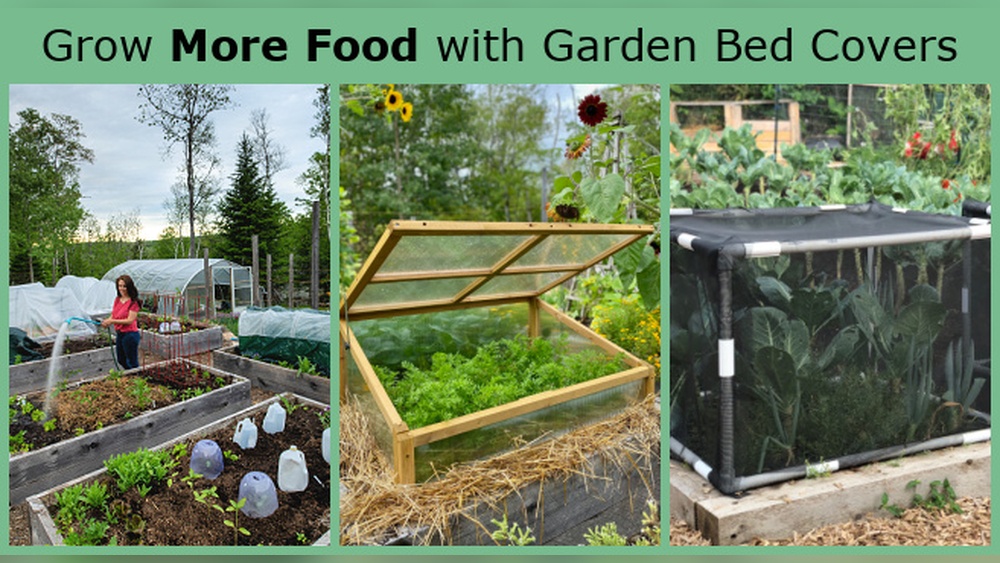
Why Do You Cover Your Vegetable Gardens
Gardening is more than just a hobby—it’s a science of nurturing, optimizing, and safeguarding nature’s bounty for the best possible harvest. If you’ve wandered through neighborhoods or scrolled gardening forums, you’ve likely noticed that many seasoned gardeners cover their vegetable gardens.
But what’s the reasoning behind this widespread practice? Is it purely for protection, or does it unlock a wealth of other benefits for the home grower?
Covering vegetable gardens is a strategy deeply rooted in both tradition and modern agricultural science. From extending the growing season in chilly climates to thwarting the onslaught of pests, garden covers are a multipurpose tool that can dramatically boost your gardening success.
Whether you’re a first-time gardener or a green-thumbed veteran, understanding the why—and how—of covering your garden can mean the difference between a struggling plot and a thriving harvest. This guide explores the science, tactics, and practical considerations behind covering vegetable gardens, equipping you with expert knowledge to transform your growing space.
Key Takeaways
- Garden covers protect crops from pests, extreme weather, and temperature fluctuations, significantly improving yields.
- Using row covers, mulch, and shade cloths can extend your growing season and support healthier plants.
- Covering gardens minimizes weed growth and conserves soil moisture, reducing maintenance.
- Smart cover choices, based on climate and crops, can make home gardening more sustainable and productive.
- Real-world examples show that investing in the right covers pays off in both crop quality and garden longevity.
The Science Behind Covering Vegetable Gardens
The practice of covering vegetable gardens isn’t just folklore—it’s supported by agronomic research and decades of field trials. Let’s delve into the core scientific principles that make garden covers so effective.
Microclimate Modification
One of the primary benefits of covering a garden is the creation of a favorable microclimate. Covers can:
- Increase soil temperature by 2–5°F, promoting faster germination and growth.
- Reduce heat loss during cold nights, protecting delicate seedlings from frost.
- Moderate humidity levels under the cover, which is crucial for young, moisture-loving crops.
Studies from the University of California Agriculture & Natural Resources show that row covers can accelerate crop maturity by up to two weeks in spring plantings. This jumpstart is invaluable for regions with short growing seasons.
Pest And Disease Control
Physical barriers such as row covers and insect netting provide a chemical-free defense against common garden pests, including:
- Aphids
- Cabbage loopers
- Squash bugs
- Flea beetles
By excluding these pests, covers not only reduce direct damage but also minimize the spread of viral diseases transmitted by insects. According to the National Sustainable Agriculture Information Service, using floating row covers can cut pest-related yield losses by up to 70% in high-risk areas.
Soil Health And Moisture Conservation
Covers help retain soil moisture by reducing evaporation, which is particularly beneficial in arid climates. This leads to:
- Less frequent watering
- Reduced water stress for plants
- Lower weed pressure, as many weed seeds require light to germinate
Moreover, organic mulches break down over time, enriching the soil with organic matter and supporting beneficial microbial activity.
Real-world Data: Yield Impact
| Cover Type | Yield Increase (%) | Pest Reduction (%) | Water Savings (%) |
|---|---|---|---|
| Floating Row Covers | 25 | 70 | 15 |
| Plastic Mulch | 30 | 30 | 20 |
| Shade Cloth | 10 | 20 | 10 |
Sources: University of California ANR, National Sustainable Agriculture Information Service
Types Of Garden Covers And Their Functions
Not all garden covers are created equal. Each type serves distinct purposes, offering unique advantages depending on your climate, crop choice, and pest pressure.
Floating Row Covers
These lightweight fabrics, often made of spunbonded polyester, are draped directly over crops and secured at the edges. Floating row covers are:
- Highly effective against insects and birds
- Available in different thicknesses for varying levels of frost protection
- Permeable to light, air, and water, supporting healthy plant growth
Farmers in the Northeast US regularly employ row covers in early spring to protect salad greens from cold snaps and flea beetle infestations.
Plastic Mulch
Plastic mulch is laid over the soil surface and usually comes in black, clear, or colored varieties. It is widely used for:
- Warming the soil (black and red types)
- Suppressing weeds
- Conserving moisture by reducing evaporation
According to research by the University of Florida IFAS Extension, black plastic mulch can raise soil temperatures by 5–7°F, making it ideal for heat-loving crops like tomatoes and melons.
Shade Cloth
Shade cloth is a woven or knitted fabric available in various densities (measured as a percentage of shade). Its main roles include:
- Reducing solar radiation during intense summer heat
- Preventing sunscald on sensitive crops such as lettuce and spinach
- Lowering air temperatures by several degrees, especially in greenhouses
Using shade cloth, growers in Arizona report a 40% reduction in crop heat stress during July and August.
Hoop Houses And Low Tunnels
Hoop houses and low tunnels are semi-permanent structures made from plastic sheeting stretched over hoops. These structures offer:
- Significant frost protection (up to 10°F)
- Season extension by several months
- Physical barrier against rain, hail, and wind
A small-scale grower in Vermont documented a 50% increase in early spinach yield using low tunnels compared to open-field planting.
Organic Mulches
Materials like straw, wood chips, and compost are classic organic mulches. Their benefits include:
- Gradual improvement of soil structure as they decompose
- Excellent weed suppression
- Temperature moderation for plant roots
Organic mulches are especially popular in permaculture and no-till gardening systems.
Comparison Table: Cover Types And Best Uses
| Cover Type | Best For | Main Benefits | Limitations |
|---|---|---|---|
| Floating Row Cover | Leafy greens, brassicas | Frost, pest protection | Must remove for pollination |
| Plastic Mulch | Tomatoes, peppers, melons | Soil warming, weed suppression | Not biodegradable |
| Shade Cloth | Lettuce, spinach, herbs | Heat protection | Reduces light for sun-lovers |
| Hoop House | Season extension, all crops | Multi-season use | Initial cost, space required |
| Organic Mulch | Root crops, perennials | Soil health, weed control | May harbor slugs |

Benefits Of Covering Vegetable Gardens
The advantages of garden covers are multifaceted, impacting nearly every aspect of plant health and productivity. Here’s how they make a tangible difference for home and commercial growers alike.
Protection From Extreme Weather
Unpredictable weather events—late frosts, heat waves, hailstorms—can devastate unprotected gardens. Covers act as insurance policies:
- Row covers and tunnels shield against unexpected temperature drops.
- Shade cloth prevents crop loss during heat spikes.
- Plastic mulch buffers soil from heavy rainfall and erosion.
Research published by the American Society for Horticultural Science found that tomato yields increased by 35% in gardens protected by plastic mulch and row covers compared to uncovered plots.
Pest And Wildlife Exclusion
A major frustration for gardeners is losing crops to insects, rabbits, or birds. Physical covers:
- Block access to crops, reducing the need for chemical pesticides.
- Limit the spread of diseases carried by flying insects.
- Save time and resources otherwise spent on pest control.
A case study from a community garden in Portland, Oregon, showed a 60% reduction in cabbage worm damage after installing floating row covers for just one season.
Weed Suppression
Weeds compete with vegetables for water, nutrients, and light. Mulches and opaque covers:
- Block sunlight, preventing weed seeds from germinating.
- Reduce manual labor—less weeding means more time for other tasks.
- Maintain tidier, more productive beds.
In a trial by the Rodale Institute, plots mulched with straw saw 80% fewer weeds than bare-soil controls.
Improved Soil Health
Organic mulches in particular offer long-term soil benefits:
- Enhanced soil structure and tilth as materials decompose.
- Increased microbial activity and earthworm populations.
- Greater nutrient retention and reduced compaction.
Over a three-year period, gardens mulched with compost produced 20% higher yields of carrots and beets compared to conventionally tilled beds.
Efficient Water Use
Covered gardens lose less water to evaporation and promote deep root growth. This means:
- Lower water bills and less frequent irrigation.
- Greater drought resilience, especially in sandy soils.
- Reduced surface runoff and soil erosion.
A survey by the USDA Natural Resources Conservation Service found that vegetable growers using mulches used 30% less water per season than those with bare soil.

Choosing The Right Cover For Your Garden
Selecting the optimal cover depends on your specific climate, crop rotation, and garden goals. Here’s how to match cover types to your unique circumstances.
Assessing Your Climate
- Cold climates benefit most from floating row covers, plastic mulch, and hoop houses to extend the season.
- Hot climates require shade cloth and organic mulches to prevent heat stress and preserve moisture.
Consult your local extension service, such as the Cooperative Extension System, for region-specific recommendations.
Matching Cover Types To Crops
- Brassicas (broccoli, cabbage): Use row covers to block cabbage loopers and flea beetles.
- Nightshades (tomatoes, peppers): Favor plastic mulch for soil warming and disease prevention.
- Leafy greens: Combine shade cloth and row covers to balance temperature and pest control.
Considering Garden Scale And Budget
- Small gardens: Floating row covers and organic mulches are cost-effective and easy to install.
- Large-scale plots: Invest in durable plastic mulch rolls or permanent hoop houses for maximum efficiency.
Sustainability And Reuse
- Opt for biodegradable mulches or reusable covers to minimize waste.
- Rotate covers between beds to reduce disease build-up and environmental impact.
Practical Example: Suburban Family Garden
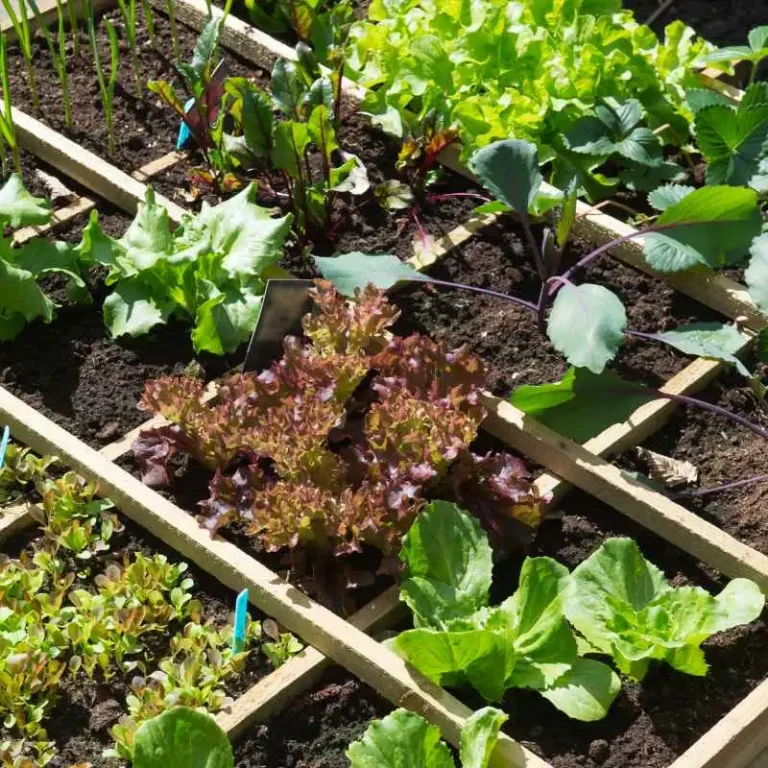
The Smith family in suburban Illinois struggled with early spring frosts and heavy weed pressure. By installing floating row covers over their raised beds in April, they harvested lettuce and radishes three weeks earlier than previous years. Later, they applied straw mulch, reducing weeding chores to just 10 minutes per week.
How To Properly Install And Maintain Garden Covers
Proper installation and maintenance are critical to maximizing the benefits of garden covers. Here’s a step-by-step guide to getting it right.
Preparing The Garden Bed
- Clear all weeds and debris before laying any cover.
- Amend soil and water thoroughly, especially before installing plastic or organic mulch.
Installing Floating Row Covers
- Drape the fabric loosely over crops, ensuring room for growth.
- Anchor edges with soil, rocks, or landscape pins to seal out pests.
- Remove or lift for pollination when crops begin to flower.
Laying Plastic Mulch
- Stretch the mulch tightly over the bed and secure with soil or stakes.
- Cut holes or slits for transplanting seedlings.
- Consider drip irrigation underneath for efficient watering.
Setting Up Shade Cloth
- Use stakes or hoops to suspend cloth above crops, allowing airflow.
- Adjust the height and orientation to maximize shade during peak sun hours.
Applying Organic Mulch
- Spread mulch in a 2–4 inch layer, keeping it a few inches away from plant stems.
- Replenish as needed to maintain coverage through the season.
Maintenance And Troubleshooting
- Inspect covers weekly for tears, pest entry points, or excess condensation.
- Remove plastic mulch and synthetic covers at season’s end to prevent soil health issues.
- Compost organic mulches or incorporate them into the soil.
Short Case Study: Community Garden Success
A community garden in Denver implemented a mix of row covers and straw mulch across 20 raised beds. Over two seasons, members reported:
- 40% reduction in water use
- 70% decrease in pesticide applications
- Record-high yields of carrots, kale, and tomatoes
Common Mistakes And How To Avoid Them
Even the best-intentioned gardeners can run into pitfalls when using covers. Here are frequent errors and solutions.
Leaving Covers On Too Long
- Mistake: Forgetting to remove row covers for pollinator access, leading to poor fruit set.
- Solution: Set reminders to uncover crops when flowers appear, or use covers with pollinator access flaps.
Improper Anchoring
- Mistake: Loose covers allow pests or wind to breach the barrier.
- Solution: Use soil, rocks, or pins to tightly secure all edges and minimize gaps.
Overheating Plants
- Mistake: Using heavy covers in hot weather, causing heat stress or fungal disease.
- Solution: Monitor temperatures under covers and switch to lighter or shade materials as needed.
Using Non-biodegradable Mulch Incorrectly
- Mistake: Leaving plastic mulch on over winter, leading to soil degradation and microplastic contamination.
- Solution: Remove synthetic mulches promptly after harvest and consider biodegradable alternatives.
Neglecting Regular Maintenance
- Mistake: Allowing debris, mold, or pests to accumulate under covers.
- Solution: Inspect and clean covers regularly, and replace damaged sections.
Data Table: Common Mistakes Vs. Solutions
| Mistake | Impact | Solution |
|---|---|---|
| Leaving covers on during flowering | Poor pollination, low yields | Remove covers during bloom or use pollinator flaps |
| Loose anchoring | Pest entry, wind damage | Secure edges with soil, pins, or stones |
| Overheating | Wilting, disease | Switch to lighter covers in heat |
| Neglecting maintenance | Pest buildup, cover damage | Inspect and repair weekly |
Environmental Impact And Sustainability Considerations
As gardeners become more environmentally conscious, the choice of covers and their management takes on new importance. Here’s how to garden responsibly while reaping all the benefits of covers.
Eco-friendly Cover Choices
- Biodegradable mulches made from plant starches break down safely in the soil.
- Natural fiber row covers (e.g., cotton or jute) offer a lower carbon footprint than synthetics.
- Recycled plastic products can reduce new plastic production.
The Sustainable Agriculture Research and Education (SARE) program recommends prioritizing organic mulches and reusable covers to minimize landfill waste (SARE).
Managing Waste And Longevity
- Reuse covers for multiple seasons when possible.
- Clean and store synthetic covers to extend their lifespan.
- Compost organic mulches at season’s end or incorporate them into the soil.
Supporting Biodiversity
- Alternate covered and uncovered beds to support pollinator activity.
- Use row covers only during peak pest periods, then remove to allow natural predators access.
Reducing Chemical Inputs
By using physical barriers, gardeners can:
- Dramatically cut down on pesticide and herbicide use.
- Promote healthier, more sustainable ecosystems in and around the garden.
Real-world Example: Urban Farm Sustainability
An urban farm in Seattle transitioned to biodegradable film mulch and reusable row covers. Over three years, they reduced plastic waste by 80% and increased pollinator sightings, leading to higher yields and improved community engagement.
Frequently Asked Questions
Why Should I Cover My Vegetable Garden Instead Of Using Pesticides?
Covering your vegetable garden provides a physical barrier against pests, reducing or eliminating the need for chemical pesticides. This approach protects beneficial insects, improves soil and plant health, and creates a safer environment for children and pets.
How Long Should I Keep Covers On My Vegetable Plants?
Keep covers on until the risk of frost or peak pest activity has passed. For crops that require pollination, remove covers when flowers appear or switch to covers that allow pollinator access. Regular monitoring is essential for optimal results.
Can Covering My Garden Help With Water Conservation?
Absolutely. Garden covers such as plastic mulch, straw, or shade cloth reduce evaporation, helping soil retain moisture. This means less frequent watering and greater resilience during droughts.
What’s The Best Cover For Protecting Plants From Heat?
Shade cloth is ideal for protecting plants from excessive heat and sun. Choose a density (e.g., 30–50%) based on your climate and the crops’ light requirements. Proper installation ensures crops receive enough light while avoiding heat stress.
Are There Sustainable Options For Garden Covers?
Yes, many sustainable covers are available, including biodegradable mulches, natural fiber row covers, and reusable synthetic fabrics. Always choose options that can be reused, composted, or safely integrated into your garden ecosystem.
Gardening success often hinges on small but strategic decisions. Covering your vegetable garden is one such decision—proven by research and real-world experience to yield healthier plants, higher harvests, and a more resilient growing space. With the right cover and a little know-how, you can protect your crops, nurture your soil, and enjoy bountiful harvests season after season. Whether you’re striving for a sustainable backyard oasis or simply want to outwit the next pest or heatwave, adopting smart covering techniques is a step every gardener should consider. For more in-depth guidance, consult trusted resources like the Penn State Master Gardener Program or explore innovative methods via the Gardening Know How website. Happy growing!