Is Talstar Safe For Vegetable Gardens? Read Before You Spray
Every gardener dreams of a bountiful harvest—vibrant tomatoes, crisp lettuce, and plump zucchinis glistening in the morning sun. But lurking amid these rows of promise are countless pests: aphids, beetles, mites, and more. For many, the solution seems simple: a trusted pesticide like Talstar, known for its broad-spectrum power. Yet, as awareness of food safety and environmental impact grows, a critical question emerges: Is Talstar safe for vegetable gardens ?
Before you reach for that sprayer, it’s essential to understand exactly what Talstar is, how it works, and what risks and benefits it brings to your edible crops. This guide dives deep into the science, regulations, and real-world experiences behind Talstar’s use in vegetable gardens —so you can make the most informed and responsible choice for your family, your food, and your land.
Key Takeaways
- Talstar is a synthetic pyrethroid pesticide with broad-spectrum insect control, but it is not specifically labeled for use on all edible crops.
- The active ingredient, bifenthrin, can leave residues that may persist on vegetables, raising safety and regulatory concerns.
- Proper application, timing, and adherence to label directions are crucial for minimizing risks to human health, pollinators, and the environment.
- Alternative pest management methods, including organic solutions and integrated pest management (IPM), may offer safer options for home vegetable gardens.
- Always consult local regulations, product labels, and expert recommendations before applying Talstar or any pesticide to edible plants.
Understanding Talstar: Ingredients, Use, And Regulatory Status
Talstar has become a household name among gardeners and landscapers for its effectiveness against a wide range of insect pests. But what exactly is it, and how does it work?
What Is Talstar?
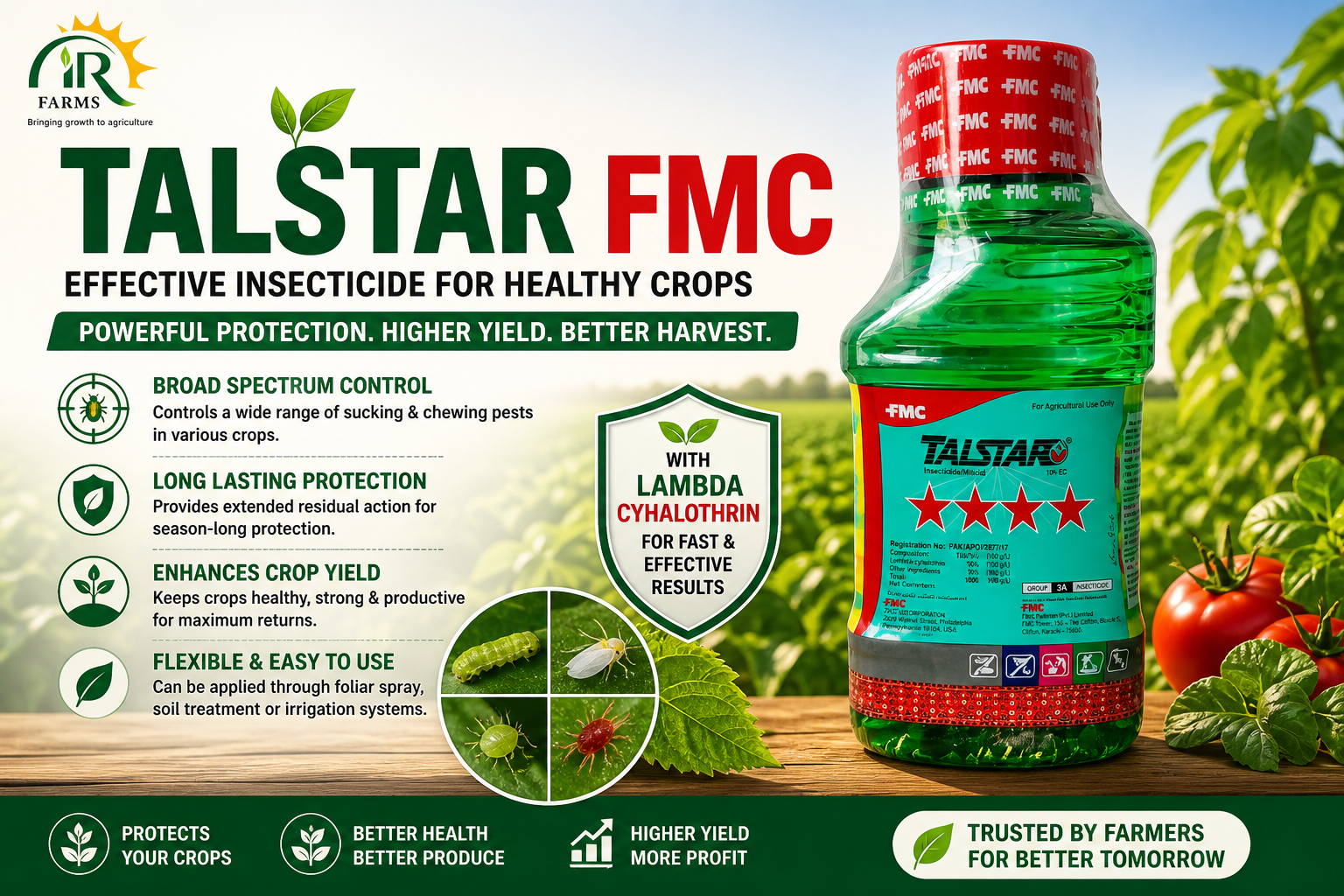
Talstar is the trade name for a series of insecticides whose primary active ingredient is bifenthrin. Manufactured by FMC Corporation, Talstar products are widely used in residential, commercial, and agricultural settings to control over 75 insect species, including ants, beetles, caterpillars, and mites.
Key Facts:
- Active Ingredient: Bifenthrin (a synthetic pyrethroid)
- Formulations: Liquid concentrate, granules, and ready-to-use sprays
- Mode of Action: Disrupts the nervous system of insects, causing paralysis and death
Bifenthrin works by interfering with the sodium channels in insect nerve cells, leading to rapid knockdown and mortality. This makes Talstar highly effective for a range of pests, especially in cases of heavy infestation where other methods may fall short.
Approved Uses And Label Restrictions
Talstar is registered with the U.S. Environmental Protection Agency (EPA) for various uses, but its label restrictions are critical. Not all Talstar products are approved for edible crops. For example, Talstar P (Professional) is NOT labeled for use directly on food crops, while some granular formulations are permitted for limited food production areas.
Label highlights:
- Do not use Talstar P on edible plants.
- Some Talstar granules may be used around fruit and nut trees, but always check the specific product label.
- Strictly observe pre-harvest intervals (PHI) and re-entry intervals (REI).
The EPA mandates that all pesticide labels include clear instructions, use restrictions, and safety precautions. These labels are legally binding documents; violating label directions is a violation of federal law. This is particularly important in home gardens, where improper use can lead to unsafe residues on food and potential legal repercussions.
For authoritative guidance, always refer to the EPA Pesticide Product and Label System.
Bifenthrin: Toxicity And Environmental Fate
Bifenthrin is a synthetic pyrethroid, modeled after natural pyrethrins found in chrysanthemum flowers. While effective against pests, it is also known for its persistence:
- Soil Half-Life: Up to 65 days (depending on conditions)
- Water Solubility: Low, but highly toxic to aquatic life
- Mammalian Toxicity: Low to moderate (but can cause skin and eye irritation)
Bifenthrin binds tightly to soil particles, which means it doesn’t leach into groundwater easily, but it can persist in the upper layers of soil and be carried into waterways during heavy rains. This persistence has significant implications for environmental health, as residues can affect non-target organisms for extended periods.
The Environmental Protection Agency classifies bifenthrin as a possible human carcinogen based on animal studies, though typical gardening exposures are much lower than those causing harm in laboratory tests. However, chronic or repeated exposure—even at low levels—raises concerns about cumulative effects, particularly in children and sensitive individuals.
Regulatory Status And Public Health Perspective
Talstar’s use is governed by federal and state regulations. The USDA and FDA set maximum residue limits (MRLs) for bifenthrin on certain food crops, but not all vegetables are covered.
- Not all vegetables have approved bifenthrin tolerances
- Using Talstar off-label on edible crops can result in illegal residues and potential health risks
- The CDC advises strict adherence to labeled uses to minimize exposure risks
For more information, see the CDC’s pesticide safety guidelines.
Talstar In Vegetable Gardens: Safety, Efficacy, And Controversies
The primary concern for home gardeners is whether Talstar can be safely used on vegetables meant for consumption. The answer is complex, involving regulatory, toxicological, and practical considerations.
Is Talstar Labeled For Vegetable Gardens?
Most Talstar formulations, including the popular Talstar P, are NOT labeled for use on vegetables or other edible plants. Applying them to food crops is an off-label use and may be illegal.
Exceptions:
- Some Talstar products (e.g., certain granules) may have limited approval for use around fruit trees and nut crops, but even these do not usually cover vegetables.
- Always check the product’s EPA registration and label.
The lack of specific labeling for vegetables is not accidental; it reflects both the absence of residue studies for these crops and the potential for higher, unregulated residue levels. The risk of off-label use goes beyond legalities—it can result in produce that is unsafe for consumption.
Efficacy Against Vegetable Garden Pests
Talstar is highly effective against:
- Aphids
- Spider mites
- Whiteflies
- Caterpillars
- Beetles
Its broad-spectrum action means it can control multiple pest species simultaneously, reducing the need for repeated applications of different products. However, this very strength can also be a drawback; Talstar does not discriminate between pests and beneficial insects.
For example, a single application can drastically reduce populations of pollinators and natural predators such as ladybugs and lacewings. In the absence of these beneficials, pest populations can rebound more quickly, sometimes leading to a cycle of increased pesticide reliance.
Residue And Food Safety Concerns
The most significant risk from using Talstar on vegetables is residue. Bifenthrin can remain on plant surfaces for weeks, and no established tolerance exists for many vegetables.
| Vegetable | Bifenthrin Tolerance (ppm) | Labeled for Use? | Pre-Harvest Interval |
|---|---|---|---|
| Tomato | 0.5 | No | Not specified |
| Lettuce | 0.2 | No | Not specified |
| Broccoli | 1.0 | No | Not specified |
| Peppers | 0.5 | No | Not specified |
Key takeaway: If a vegetable is not listed on the Talstar label, using it poses a risk of illegal pesticide residues and potential health hazards.
The persistence of bifenthrin means that even if you wash your vegetables, residues may not be completely removed. This is particularly concerning for crops like leafy greens or herbs, which are often consumed raw. The lack of established pre-harvest intervals for many vegetables further complicates safe use, as there is no official guidance for how long to wait between application and harvest.
Environmental And Pollinator Impact
Bifenthrin is highly toxic to fish, aquatic invertebrates, and pollinators. Runoff can contaminate streams and ponds, and spraying during bloom can decimate bee populations.
- Do not spray when pollinators are active.
- Avoid application near water bodies.
- Consider buffer zones to protect wildlife.
The environmental risks extend beyond your own garden. Talstar has been implicated in declines of local pollinator populations when used indiscriminately. For instance, reports from beekeepers in areas of heavy pyrethroid use have noted significant losses of hives, especially in spring and early summer when crops are in bloom.
Aquatic toxicity is another major concern; bifenthrin in stormwater runoff can cause fish kills and disrupt aquatic ecosystems.
See the Xerces Society’s pesticide safety resources for pollinator protection.
Case Study: Talstar Use And Crop Residue
A university extension conducted a study on bifenthrin residues in homegrown tomatoes after off-label Talstar application. Results showed measurable residues for up to 21 days post-spray, exceeding the EPA’s legal limits. The study concluded that off-label use on vegetables can lead to unsafe residue levels, especially if harvest is not delayed by several weeks.
Further, the study found that residue levels were highest in the first week after application and decreased gradually, but not always predictably, depending on weather, irrigation, and plant growth rate. In some cases, residues persisted longer under cool or cloudy conditions, underscoring the variability and risk associated with off-label use.
Real-world Experiences: Gardeners’ Perspectives
How do gardeners and small-scale farmers actually use (or avoid) Talstar in their vegetable plots? Insights from forums, extension agents, and case studies offer valuable perspective.
Case Example 1: The Urban Gardener
Situation: Stephanie, a home gardener in Atlanta, faced a severe aphid infestation on her kale and tomatoes. Tempted by Talstar’s reputation, she researched its label and found no approval for edible crops.
Action: Instead of Talstar, she opted for insecticidal soap and introduced ladybugs. Her aphid problem was controlled within two weeks, with no synthetic pesticide use.
Lesson: Reading the label and seeking safer alternatives protected both her harvest and her family.
Stephanie also noticed an increase in pollinator activity after switching to softer controls, suggesting that natural solutions can promote a healthier garden ecosystem overall.
Case Example 2: Community Garden Dilemma
A community garden in Texas considered Talstar for a whitefly outbreak. After consulting their county extension office, they were advised against it due to the lack of vegetable labeling.
Solution: The group adopted a combination of row covers and neem oil. Pollinators were preserved, and residue concerns were eliminated.
By rotating these methods with hand-picking and removing heavily infested plant parts, the community garden not only managed the outbreak but also developed a more resilient pest management approach for future seasons.
Case Example 3: Commercial Grower’s Approach
A small farm specializing in both ornamental and food crops used Talstar for ornamental landscaping but strictly avoided it in vegetable plots.
Result: They achieved strong pest control in ornamentals while maintaining organic certification and food safety for their vegetables.
Key Point: Segregating chemical use by crop type is standard among responsible growers.
This practice also allowed them to market their produce as chemical-free, a growing consumer preference that often commands a premium price.
Lessons From Online Gardening Communities
Surveys and forum polls (e.g., on GardenWeb) reveal that most experienced gardeners avoid Talstar on vegetables, citing residue, label restrictions, and pollinator risks as primary concerns.
Many users report that switching to integrated pest management (IPM) strategies not only reduced pest pressures but also improved soil and plant health over time.

Alternatives To Talstar For Vegetable Garden Pest Control
Given the risks and regulatory issues, many gardeners seek safer, effective alternatives to Talstar for managing vegetable pests.
Organic And Low-toxicity Solutions
Popular alternatives include:
- Neem oil: Derived from the neem tree; disrupts insect growth with low mammalian toxicity.
- Insecticidal soap: Effective against soft-bodied insects like aphids and whiteflies.
- Diatomaceous earth: Mechanical insecticide; safe for most edible crops.
- Bt (Bacillus thuringiensis): Microbial pesticide targeting caterpillars without harming beneficials.
Other options include horticultural oils and sulfur-based sprays, which offer selective pest control with minimal risk to humans or beneficial insects when used as directed.
Integrated Pest Management (ipm)
IPM combines cultural, biological, and mechanical controls to minimize pesticide use:
- Monitoring: Regularly inspect plants for pests and beneficials.
- Physical barriers: Use row covers and netting.
- Biological control: Introduce predatory insects (ladybugs, lacewings).
- Targeted sprays: Only use pesticides as a last resort and choose products labeled for vegetables.
Benefits:
- Reduces chemical inputs
- Protects beneficial insects and pollinators
- Minimizes residue risks
IPM also emphasizes crop rotation, soil health, and resistant varieties—proactive measures that can prevent pest outbreaks and reduce reliance on any pesticides.
Data Table: Talstar Vs. Common Alternatives
| Pesticide | Approved for Edibles | Pollinator Safety | Residue Risk | Effectiveness (1-5) |
|---|---|---|---|---|
| Talstar (Bifenthrin) | No | Poor | High | 5 |
| Neem Oil | Yes | Moderate | Low | 3 |
| Insecticidal Soap | Yes | Good | Low | 2 |
| Bt (Bacillus thuringiensis) | Yes | Excellent | Very Low | 4 |
| Diatomaceous Earth | Yes | Excellent | None | 2 |
When (if Ever) Is Talstar Appropriate?
- Ornamental gardens: Highly effective; use with caution near pollinators.
- Home lawns: Approved and widely used.
- Around, but not on, vegetable gardens: Buffer zones may help reduce pest migration but avoid drift onto edibles.
In cases where pest pressure is overwhelming and other methods have failed, Talstar may be considered for use on non-edible areas to create a protective perimeter. Still, extreme caution is warranted to avoid accidental contamination of food crops.
Resources For Organic And Low-risk Pest Control
- Organic Consumers Association
- eXtension: Organic Pest Management
These resources provide region-specific guidance, product recommendations, and practical tips for reducing pest pressure without relying on broad-spectrum chemicals.
Safe Pesticide Use In Home Vegetable Gardens: Best Practices
Whether you choose a synthetic or organic product, safe pesticide use is essential for protecting human health, harvest quality, and the environment.
Reading And Following The Label
- ALWAYS read the label. The label is the law.
- Only use products specifically approved for the crop you are treating.
- Observe all pre-harvest intervals (PHI) and re-entry intervals (REI).
Labels also indicate the correct dosage, mixing instructions, and any required protective equipment. Following these instructions precisely ensures both efficacy and safety.
Application Timing And Methods
- Apply early morning or late evening to reduce pollinator exposure.
- Avoid spraying during windy conditions to prevent drift.
- Use targeted application (spot treatment) instead of broad spraying.
Spot treatments minimize the area exposed to pesticides, reducing risks to non-target organisms and conserving beneficial insect populations.
Personal Protective Equipment (ppe)
- Wear gloves, long sleeves, and eye protection when mixing or applying pesticides.
- Wash hands thoroughly after handling any pesticide.
When handling concentrates, consider using a mask or respirator, especially in enclosed spaces or when mixing large volumes.
Storing And Disposing Of Pesticides
- Keep pesticides in original containers, away from children and pets.
- Dispose of unused chemicals at a hazardous waste facility—not down the drain or in the trash.
Proper storage also prevents accidental spills or leaks, which can contaminate soil or water.
Emergency And Poison Control
If accidental exposure occurs:
- Remove contaminated clothing
- Rinse skin or eyes thoroughly with water
- Contact Poison Control at 1-800-222-1222
See the National Capital Poison Center for more information.
Regulatory And Legal Considerations
Using pesticides in your vegetable garden isn’t just a matter of personal choice—it’s also subject to federal, state, and sometimes local laws.
The Epa And Product Registration
- The EPA requires all pesticides to be registered for specific uses.
- Using a pesticide in a manner inconsistent with its labeling is a violation of federal law.
Registration ensures that residue, environmental, and health impacts have been evaluated for each crop and use pattern.
State And Local Regulations
- Some states (e.g., California, New York) have stricter regulations on pesticide use.
- Community gardens and urban farms may have additional restrictions.
Urban agriculture initiatives often require documentation of all pest control measures and may prohibit certain chemicals outright.
Record-keeping And Traceability
- For commercial growers, maintaining records of pesticide use is often mandatory.
- Home gardeners are encouraged to keep a log of all pest control measures for future reference.
A spray log helps you track what worked, avoid overuse, and provide transparency if questions arise about garden safety.
Consequences Of Off-label Use
- Legal penalties: Fines or loss of gardening privileges in community plots
- Health risks: Unapproved residues on food crops
- Environmental impact: Unintended harm to beneficial species
For comprehensive legal guidance, refer to the EPA Safe Pesticide Use site.
Protecting Pollinators And Beneficial Insects
The role of pollinators and natural predators in vegetable gardens is critical—not just for crop yield but for ecosystem health. Talstar, like many broad-spectrum insecticides, can severely harm these populations.
Pollinator Safety Tips
- Never spray blooming plants when pollinators are present.
- Use flowering plant buffers to attract and sustain beneficial insects.
- Consider bee-safe and selective products.
Strategically planting wildflowers or native species near your vegetable garden can help sustain pollinator populations even if pest pressures require occasional chemical intervention elsewhere.
Supporting Natural Enemies
Encourage populations of:
- Ladybugs
- Lacewings
- Parasitic wasps
- Ground beetles
These allies can keep pest outbreaks in check, reducing the need for chemical controls.
You can support these beneficials by avoiding broad-spectrum pesticides, providing habitat, and tolerating minor pest damage when possible. For example, a few aphids on your kale may attract ladybugs, leading to long-term natural control.
Success Story: Ipm In Action
A university-led urban farm in California implemented an IPM program with zero synthetic insecticide use. By planting native wildflowers and releasing beneficial insects, pest pressure was reduced by 70% compared to conventional control methods.
Participants in the program also noted healthier soil, increased pollinator diversity, and improved community engagement—demonstrating that IPM can provide multiple benefits beyond pest suppression.
Reference: Pollinator Stewardship
For more pollinator safety guidelines, visit the Pollinator Partnership.
Frequently Asked Questions
Is Talstar Safe To Use On Vegetables I Intend To Eat?
No. Talstar is not labeled or approved for use on most edible vegetables. Using it on food crops can result in unsafe pesticide residues and may violate federal law. Always use products specifically labeled for the vegetables you are growing.
What Should I Do If I Accidentally Sprayed Talstar On My Vegetable Garden?
If Talstar was accidentally applied, do not consume any produce from the affected area until you have consulted the product label and possibly your local extension office. In most cases, you should discard all exposed vegetables and wait until new growth appears before harvesting again.
If you are unsure, your local cooperative extension can provide region-specific guidance based on recent residue studies and the latest regulations.
How Long Does Talstar Residue Last On Plants And In Soil?
Talstar’s active ingredient, bifenthrin, can persist on plant surfaces for days to weeks, and in soil for up to 65 days or more, depending on environmental conditions. This persistence increases the risk of residues on vegetables if sprayed off-label.
What Are Safer Alternatives To Talstar For Controlling Vegetable Garden Pests?
Safer alternatives include neem oil, insecticidal soap, diatomaceous earth, and Bacillus thuringiensis (Bt). These products are generally approved for edible crops and pose lower risks to human health, pollinators, and the environment.
Can I Use Talstar Around My Vegetable Garden But Not Directly On The Plants?
You can use Talstar on non-edible landscaping surrounding your vegetable garden to control pests, but be cautious to avoid drift or runoff onto food crops. Creating a buffer zone and applying when wind is minimal can help reduce contamination risks.
Gardening is as much about nurturing your soil and ecosystems as it is about growing food. By choosing pest control solutions that are both effective and safe, you’re investing in the health of your garden, your family, and the planet.
Always read labels, respect the law, and consider alternatives before you spray—your harvest will thank you.