Are Nematodes Bad for Vegetable Gardens
Gardeners worldwide often face the challenge of unseen enemies lurking beneath the soil. Among these, nematodes—microscopic, worm-like organisms—are both feared and misunderstood. For many, the word conjures up images of devastated roots and wilting plants, but is this reputation fully deserved? The reality is more nuanced: while some nematodes can wreak havoc in vegetable gardens , others are not only harmless but beneficial.
Understanding the complex relationship between nematodes and vegetable gardens is essential for any gardener or agricultural professional. This article delivers an in-depth analysis of nematodes, their impact on vegetable crops, strategies for management, and the latest scientific findings. Whether you’re a backyard grower or a commercial producer, gaining insight into these elusive organisms can transform your gardening results and safeguard your harvest.
Key Takeaways
- Nematodes are diverse; some species are harmful to vegetables, while others are beneficial for soil health.
- Identifying the type of nematode present is crucial for effective garden management.
- Sustainable control methods—including crop rotation, organic amendments, and resistant cultivars—can reduce nematode damage.
- Integrated pest management (IPM) and regular soil analysis are key to long-term nematode control.
- Beneficial nematodes can be harnessed for natural pest control, supporting healthy vegetable production.
Understanding Nematodes: Friends Or Foes?
Nematodes represent one of the most numerous and diverse animal groups on Earth. With over 25,000 described species, their roles in the ecosystem are varied and complex. In fact, some scientists estimate that the actual number of nematode species, including those not yet discovered or classified, could be as high as one million.
These organisms are so abundant that a handful of healthy garden soil can contain thousands of individual nematodes representing dozens of species.
What Are Nematodes?
Nematodes, often called roundworms, are microscopic organisms that inhabit soil, water, and even animal hosts. Most nematodes in the soil are non-parasitic and contribute to the decomposition of organic matter, nutrient cycling, and overall soil health.
Nematodes range in size from about 0. 2 mm to several millimeters in length, making them invisible to the naked eye. They have a simple body structure but are equipped with specialized mouthparts that allow them to feed on a variety of materials—plant roots, fungi, bacteria, or even other nematodes.
Their adaptability has enabled them to colonize nearly every habitat on Earth, from deep ocean trenches to arid deserts.
Types Of Nematodes In Vegetable Gardens
Vegetable gardens can host hundreds of nematode species, but they generally fall into two broad categories:
- Parasitic nematodes: These attack plant roots, causing symptoms such as stunting, yellowing, and wilting. Common genera include Meloidogyne (root-knot), Pratylenchus (lesion), and Heterodera (cyst).
- Free-living nematodes: Most are harmless or beneficial, feeding on bacteria, fungi, or decaying organic matter.
It’s important to note that some nematodes exhibit intermediate behaviors, with certain species switching between parasitic and free-living lifestyles depending on environmental conditions. This adaptability contributes to their ecological success and complicates management in agricultural systems.
The Dual Role Of Nematodes
The impact of nematodes depends on their specific role:
- Pathogenic species can devastate crops by damaging root systems, making plants vulnerable to other pathogens.
- Beneficial species aid in nutrient cycling and suppress harmful pests.
This duality means that nematodes are not simply “good” or “bad”—their effect depends on the balance of species in the soil and the overall health of the garden ecosystem. For example, while root-knot nematodes can reduce crop yields, predatory nematodes can help keep pest populations in check, contributing to a more resilient garden.
Case Study: Root-knot Nematodes In Tomato Crops
A Florida commercial tomato grower reported a 30% yield loss in 2020 due to root-knot nematodes. After implementing resistant varieties and soil solarization, yield losses dropped to less than 5% the following season, demonstrating the importance of targeted management (University of Florida IFAS). This example underscores how understanding the specific nematode threat and applying the right management technique can make a dramatic difference in outcomes.
Other growers in the region have combined these methods with regular soil testing and the use of beneficial nematodes to achieve even more consistent results. The lesson is clear: a proactive, informed approach can mitigate even severe nematode challenges.

How Nematodes Affect Vegetable Gardens
The impact of nematodes varies according to their type, population density, and the host plant’s susceptibility. Environmental factors such as soil texture, moisture, and temperature also play critical roles in determining the severity of nematode damage.
Root Damage And Plant Symptoms
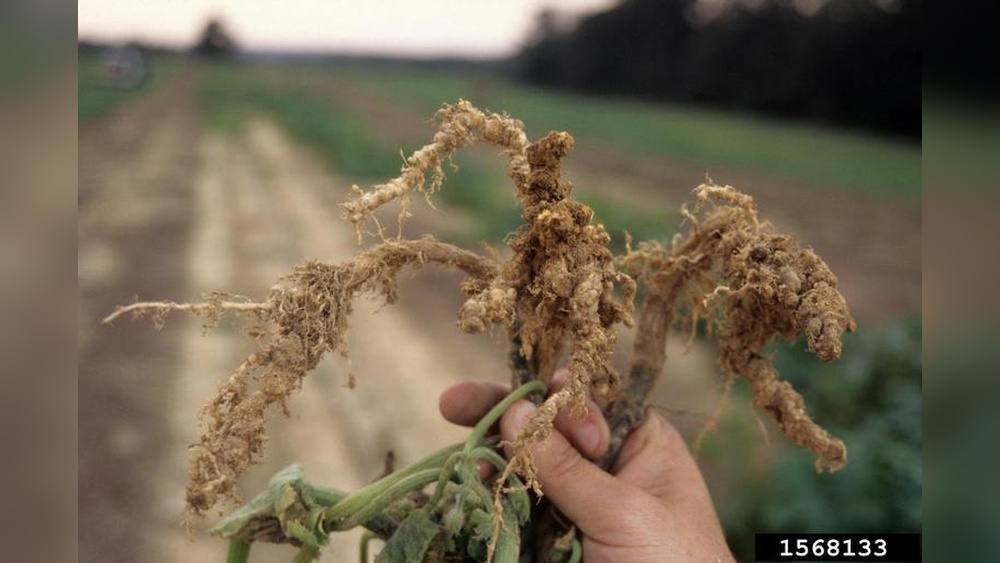
Parasitic nematodes attack plant roots, resulting in:
- Galls or knots (especially from Meloidogyne spp.)
- Stunted growth and reduced vigor
- Yellowing (chlorosis) and wilting, even with adequate water
- Lower yields and misshapen produce
The physical damage caused by nematodes is often subtle at first, making early detection challenging. As nematode populations build up, symptoms become more pronounced. In severe cases, plants may die outright, especially seedlings or young transplants. The root system becomes inefficient at taking up water and nutrients, leaving plants vulnerable to drought stress and nutrient deficiencies, even when soil conditions appear optimal.
Yield Losses And Economic Impact
The United States Department of Agriculture (USDA) estimates that nematode-related crop losses amount to over $10 billion annually in the US vegetable sector alone (USDA ARS). Globally, the losses are even more staggering, with some estimates exceeding $100 billion each year when all crops are considered. These numbers reflect not only direct yield reductions but also increased costs for management, loss of marketable quality, and subsequent susceptibility to other pests and diseases.
Table: Common Parasitic Nematodes And Their Effects
| Nematode Species | Affected Crops | Symptoms | Yield Loss (%) |
|---|---|---|---|
| Root-Knot (Meloidogyne spp.) | Tomato, Pepper, Carrot | Root galls, stunted plants | 10-80 |
| Lesion (Pratylenchus spp.) | Potato, Lettuce, Celery | Root lesions, rot | 15-60 |
| Cyst (Heterodera spp.) | Beans, Soybean | Cysts on roots, yellowing | 5-50 |
Some nematode species are highly host-specific, while others attack a broad range of vegetables. This diversity means that management strategies must be tailored not only to the nematode species present but also to the specific crops being grown.
Secondary Infections
Damaged roots provide entry points for other pathogens, such as fungi and bacteria, compounding the damage and further reducing yields. For example, Fusarium and Verticillium wilt fungi frequently infect roots previously compromised by nematodes, leading to complex disease syndromes that are more difficult to control. This synergistic effect underscores the importance of nematode management as part of an integrated plant health approach.
Case Study: Carrot Deformities In California
A 2019 survey in California found that 40% of carrot fields infested with root-knot nematodes exhibited severe root deformities, leading to significant economic losses for growers (UC Agriculture & Natural Resources). Misshapen carrots are often unmarketable, and growers may be forced to abandon entire fields if infestations are severe. In response, California growers have adopted a combination of pre-plant soil fumigation, resistant carrot varieties, and careful field monitoring to reduce future outbreaks.

Beneficial Nematodes: Allies In The Soil
Not all nematodes are harmful. In fact, many play critical roles in supporting healthy soil ecosystems. The presence of a diverse nematode community is often an indicator of good soil health, as these organisms help regulate microbial populations and drive essential nutrient cycles.
Free-living And Predatory Nematodes
Free-living nematodes consume bacteria, fungi, and decaying organic matter, enhancing nutrient cycling and soil fertility. This activity helps break down complex organic materials, making nutrients more available to plants. Some free-living nematodes are also involved in the suppression of soilborne plant pathogens by outcompeting or directly feeding on them.
Predatory nematodes feed on harmful nematodes and soil pests, acting as natural biocontrol agents. For example, nematodes in the genus *Mononchus* actively hunt and consume root-knot nematodes, helping to keep their populations in check.
How Beneficial Nematodes Support Vegetable Gardens
- Decomposition: Accelerate breakdown of organic material, releasing nutrients for plant uptake.
- Pest Control: Some species, such as Steinernema and Heterorhabditis, seek out and kill insect pests, including grubs and caterpillars.
- Soil Health: Their activity helps maintain soil structure, porosity, and aeration, all of which contribute to robust plant growth.
Beneficial nematodes are commercially available for use as biological control agents. When properly applied, they can offer targeted suppression of insect pests without disrupting the broader soil ecosystem.
Table: Comparison Of Harmful Vs. Beneficial Nematodes
| Type | Diet | Effect on Gardens | Example Species |
|---|---|---|---|
| Parasitic | Plant roots | Crop damage, yield loss | Meloidogyne, Pratylenchus |
| Free-living | Bacteria, fungi | Soil health, nutrient cycling | Bacterivores, Fungivores |
| Predatory | Other nematodes, pests | Pest control | Mononchus, Steinernema |
Example: Using Beneficial Nematodes For Pest Management
A community garden in Oregon successfully reduced root maggot infestations by introducing Steinernema feltiae, a beneficial nematode species. This natural approach minimized the need for chemical pesticides and improved overall soil health (UC IPM).
Such examples are increasingly common as gardeners and commercial growers seek sustainable, environmentally friendly alternatives to chemical pest control. Beneficial nematodes are easy to apply, compatible with organic standards, and often provide long-lasting suppression of key soil pests.

Identifying And Diagnosing Nematode Problems
Accurate identification is essential before taking action against nematodes in your vegetable garden . Misdiagnosing a problem can lead to wasted resources and ineffective interventions.
Visual Symptoms To Watch For
Common above-ground symptoms include:
- Stunted growth and uneven plant stands
- Yellowing (chlorosis) and wilting under normal moisture
- Poor fruit or root development
Below ground, signs may include:
- Knots or galls on roots
- Brown lesions or root pruning
- Rotting or decayed roots
It is important to note that these symptoms can mimic those caused by nutrient deficiencies, drought, or other soilborne pathogens. Therefore, careful examination of roots and comparison with healthy plants is recommended.
Soil And Root Testing
Laboratory analysis is the gold standard for diagnosing nematode infestations. Most land-grant universities and extension services offer nematode soil assays. These tests identify nematode species and provide population counts per 100cc of soil.
Testing can also detect nematodes at low population densities, allowing for early intervention before significant crop damage occurs. Many labs will also provide management recommendations based on the test results.
When And How To Sample
- Collect samples at the end of the growing season or before planting.
- Include both healthy and symptomatic plants.
- Submit samples to a reputable lab for detailed analysis.
When collecting samples, be sure to include soil from the root zone (typically 6-12 inches deep) as well as roots from affected plants. Avoid letting samples dry out or become overheated before submission, as this can reduce the accuracy of the test.
Example: Diagnosing A Mystery Wilt In Peppers
A gardener in Texas noticed wilting peppers despite regular watering. Lab analysis revealed high levels of Pratylenchus (lesion nematodes), confirming the diagnosis and guiding targeted management.
Such diagnostic efforts can prevent unnecessary applications of fertilizers or pesticides and lead directly to effective, science-based solutions.
Managing Harmful Nematodes In Vegetable Gardens
Managing nematode populations involves an integrated approach combining cultural, biological, and chemical methods. No single method is universally effective, and the best results are typically achieved by combining several strategies.
Cultural Control Methods
Crop rotation is one of the most effective strategies. Rotating non-host crops can reduce nematode populations over time.
- Rotate with grains or grasses that are poor nematode hosts.
- Use cover crops such as marigolds (Tagetes spp.) Known to suppress nematodes.
Other cultural techniques include fallowing (leaving fields unplanted for a season), which can starve nematodes of host plants, and deep plowing, which may bury nematodes deeper than they can survive.
Resistant Varieties
Many seed companies offer nematode-resistant vegetable varieties. For example, some tomato and pepper cultivars carry resistance genes against root-knot nematodes.
- Always consult local extension recommendations for suitable varieties.
Choosing resistant varieties is an especially powerful tool for home gardeners and small-scale producers, as it requires no special equipment or changes to standard gardening practices.
Soil Amendments And Organic Matter
Adding organic matter such as compost, manure, or green manure crops can improve soil health and reduce nematode impact.
- Organic amendments encourage beneficial microbes and nematodes.
- Certain amendments (e.g., neem cake) have direct nematicidal properties.
Recent studies suggest that high levels of soil organic matter can favor beneficial nematodes and microorganisms that compete with or prey on plant-parasitic species. For example, incorporating brassica plant residues into soil releases natural chemicals that suppress nematodes.
Biological Control
Products containing beneficial nematodes or fungi (e.g., Paecilomyces lilacinus) can help suppress harmful nematode populations.
- Apply in moist soil for best results.
- Follow manufacturer guidelines for application rates.
Biological controls are most effective when combined with practices that maintain or enhance soil biology, such as reduced tillage and regular organic amendments.
Chemical Control
Chemical nematicides are available but often restricted due to environmental and safety concerns. Use only as a last resort and follow all label instructions.
Many commonly used nematicides are being phased out due to their toxicity and persistence in the environment. When chemicals are used, it is critical to balance short-term gains with long-term soil health and safety for people, pollinators, and wildlife.
Table: Control Methods Compared
| Method | Effectiveness | Cost | Environmental Impact |
|---|---|---|---|
| Crop Rotation | Moderate to High | Low | Low |
| Resistant Varieties | High | Medium | Low |
| Organic Amendments | Moderate | Low to Medium | Low |
| Biological Control | Moderate | Medium | Low |
| Chemical Nematicides | High | High | High |
Integrated Pest Management (ipm)
Combining multiple strategies often yields the best long-term results. IPM emphasizes prevention, monitoring, and targeted action—reducing reliance on chemicals and promoting sustainable gardening (US EPA).
A successful IPM program includes regular monitoring (scouting for symptoms and conducting soil tests), using resistant varieties, implementing crop rotation, and applying organic or biological controls as needed. Education and record-keeping are also important, as they allow growers to track what works best in their specific conditions.
Sustainable Strategies For Nematode Control
Long-term nematode management hinges on sustainable, environmentally conscious practices. These strategies focus on building resilient soil ecosystems that naturally suppress pest populations, while maintaining or improving crop yields.
Soil Solarization
This method uses clear plastic to trap solar heat, raising soil temperatures and killing many soilborne pests, including nematodes.
- Works best in sunny, hot climates.
- Requires 4-6 weeks during peak summer.
Soil solarization is especially useful before planting high-value crops or in areas with persistent nematode problems. It also has the added benefit of suppressing weed seeds and other soilborne pathogens.
Organic Mulches And Compost Teas
Mulching with straw, leaves, or other organic materials can suppress nematode activity and encourage beneficial organisms. Compost teas introduce beneficial microbes, further enhancing soil biology.
Mulches help maintain soil moisture, regulate temperature, and provide a slow release of nutrients as they decompose. Compost teas, when applied as a soil drench, can boost populations of beneficial microorganisms that compete with or prey on plant-parasitic nematodes.
Cover Crops And Green Manures
Planting cover crops such as sudan grass or mustard during fallow periods can suppress nematodes and improve soil structure.
- Mustard releases biofumigant compounds when incorporated into soil.
- Sudan grass produces allelopathic compounds that inhibit nematodes.
Including cover crops in garden rotations also increases organic matter, supports pollinators, and helps control erosion. Timing and selection of cover crop species are important for maximum nematode suppression.
Water Management
Avoid overwatering, as waterlogged soils favor some nematode species and other pathogens. Use drip irrigation to maintain optimal soil moisture.
Proper irrigation management also helps plants tolerate moderate levels of nematode damage by minimizing additional stress. In heavy soils, improving drainage can reduce nematode pressure.
Example: Sustainable Nematode Management In Small Farms
A small organic farm in North Carolina integrated cover crops, compost, and resistant varieties. Over three years, soil tests showed a 65% reduction in harmful nematode populations, and vegetable yields improved steadily (Sustainable Agriculture Research & Education).
This case highlights the cumulative benefits of sustainable practices, which can take several seasons to achieve maximum effect but offer lasting improvements in soil and crop health.
Monitoring And Prevention: Best Practices
Proactive monitoring and prevention are key to avoiding severe nematode infestations. Prevention is not only more effective but also less costly than remediation after the fact.
Regular Soil Testing
Annual soil tests help track nematode populations and guide management decisions. Repeated testing can reveal trends over time, allowing for early intervention if populations begin to rise.
Sanitation And Garden Hygiene
- Remove and destroy infected plants after harvest.
- Clean tools and equipment to prevent nematode spread.
Sanitation is especially important for community gardens and shared plots, where nematodes can easily be moved from one area to another on contaminated soil or roots.
Quarantine New Plants
Inspect and isolate new transplants or seedlings before introducing them to your garden.
Purchasing certified nematode-free plants and soil is a simple but highly effective preventive measure, especially for high-value or long-lived crops.
Plant Diversity
Maintaining plant diversity can reduce the risk of nematode outbreaks by interrupting their life cycles.
A diverse garden supports a wider array of beneficial organisms, making it more difficult for any one pest species to dominate. Interplanting with non-host or resistant species can further reduce nematode pressure.
Example: Home Gardener Prevention Success
A home gardener in Michigan implemented crop rotation, used certified nematode-free transplants, and regularly added compost. Over five years, no major nematode-related losses occurred, demonstrating the power of preventive strategies.
This approach is accessible to gardeners at every scale and illustrates how simple, consistent practices can yield impressive results over time.
The Role Of Research And Innovation
Ongoing research is uncovering new ways to manage nematodes and protect vegetable gardens. As our understanding of nematode biology and ecology deepens, new tools and strategies are continually emerging.
Advances In Molecular Diagnostics
DNA-based tests now allow rapid identification of nematode species, enabling precise and timely interventions (NCBI).
These molecular tools can distinguish between closely related species, some of which may be benign while others are highly destructive. This precision supports more effective, targeted management.
Breeding For Resistance
Plant breeders continue to develop new vegetable varieties with enhanced nematode resistance, offering growers more options for sustainable production.
Marker-assisted selection and genetic engineering are speeding up the development of resistant cultivars, which are now available for many common vegetables including tomatoes, peppers, carrots, and beans.
Biological Innovations
Recent studies highlight the potential of microbial inoculants, such as Bacillus and Pseudomonas species, to suppress plant-parasitic nematodes and boost plant health.
These beneficial bacteria can colonize plant roots, creating a protective barrier against nematode invasion while promoting overall vigor. Commercial products based on these microbes are increasingly available to both home gardeners and commercial producers.
Climate Change And Nematode Dynamics
As climates warm, nematode populations and ranges are shifting. Research is ongoing to predict and adapt to these changes in vegetable production systems (Frontiers in Plant Science).
Changing rainfall patterns, temperature extremes, and new cropping systems are all influencing nematode lifecycles and interactions with plants. Adaptive management strategies will be essential to meet these emerging challenges.
Frequently Asked Questions
What Are Nematodes And Why Are They Found In Vegetable Gardens?
Nematodes are microscopic, worm-like organisms present in nearly all soils. They are found in vegetable gardens because they thrive in environments rich in organic matter and plant roots. Some are beneficial, supporting soil health, while others are parasitic and can damage crops.
How Can I Tell If Nematodes Are Damaging My Vegetables?
Look for stunted growth, yellowing leaves, wilting, and poor yields. Inspect roots for galls, lesions, or rot. For a definitive diagnosis, submit soil and root samples to a local extension service or agricultural laboratory.
Are There Any Vegetables That Are Resistant To Harmful Nematodes?
Yes, many seed companies offer nematode-resistant varieties of tomatoes, peppers, beans, and other crops. Check with local extension resources for recommendations suited to your region and nematode species.
Can Beneficial Nematodes Harm My Vegetable Plants?
Beneficial nematodes target insect pests, not plants. Species such as Steinernema and Heterorhabditis are safe for vegetables and can help control soil-dwelling insect pests naturally.
What Is The Best Way To Manage Nematodes Organically?
Adopt an integrated approach: rotate crops, use resistant varieties, add organic matter, plant cover crops, and introduce beneficial nematodes. Avoid excessive chemical use and focus on building healthy, biologically active soil.
Vegetable gardening success hinges on understanding and managing the complex web of life beneath our feet. While harmful nematodes can threaten crops, a balanced approach that incorporates identification, prevention, and sustainable management can keep their impact in check. By embracing practices that promote soil health and leveraging the benefits of beneficial nematodes, gardeners can achieve robust, productive gardens for years to come.